

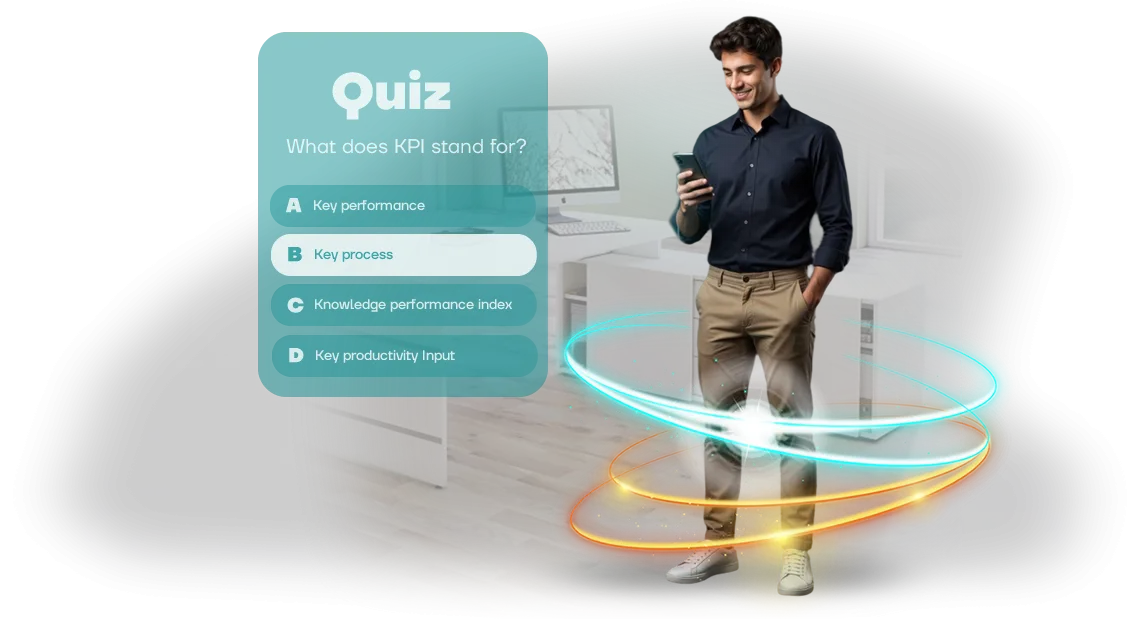
מדוע מבחנים סטנדרטיים לא מתאימים למנתחים
מבחנים סטנדרטיים בודקים זיכרון, לא שליטה. מנתח יכול לענות על שאלות על טכניקה כירורגית בצורה מושלמת, אבל זה לא מבטיח שהוא יקבל את ההחלטה הנכונה כשכל שנייה קריטית.
שאלות אמריקאיות לא מעבירות את הלחץ של חדר הניתוח, שבו מחיר הטעות הוא בריאות המטופל והמוניטין של המרפאה.
הכשרת מנתחים אינה על שינון עובדות אלא על תרגול תרחישים: הערכת מצב המטופל, בחירת אסטרטגיה ופעולה במקרה של סיבוכים.
חידונים רגילים מספקים אפשרויות מוכנות מראש, בעוד שבפרקטיקה האמיתית המנתח בונה החלטה מגורמים רבים בעצמו. לכן מבחנים סטנדרטיים לא משפרים כישורים — הם רק יוצרים אשליה של ידע שלא ניתן ליישם על שולחן הניתוחים.
פיתוח מקצועי קורה כאשר רופא עובר מצבי חירום בסביבה בטוחה ורואה את ההשלכות של החלטותיו. למידה מבוססת משחק מאמנת בדיוק את הכישורים הדרושים בעבודה האמיתית.
היא משנה את ההתנהגות של המומחה במקום פשוט למלא את ראשו בתיאוריה. באמצעות מעורבות בעלילה, המנתח זוכר אלגוריתמים של פעולה לאורך זמן — הם מתחזקים דרך ניסיון, לא דרך שינון מכני.
אנחנו יוצרים חידונים כמקרים קליניים אינטראקטיביים: המנתח שוקע בסיפור, מקבל החלטות, נתקל בסיבוכים ומתקן טעויות. זה הופך את הכשרת המנתחים לפרקטיקה שמשפיעה ישירות על איכות הטיפול הרפואי.
אנחנו סוגרים את הפער בין ידע לשליטה אמיתית — והמרפאה מקבלת צוות שמוכן לפעול בביטחון בכל מצב.
מה חידון תלת-ממד מעניק למרפאה ולרופאים
הרצאות ומבחנים מסורתיים ממעטים להחזיק את תשומת הלב של המנתחים: אחרי יום עבודה עמוס, קשה להתרכז בשקופיות מונוטוניות. חידון תלת-ממד הופך את ההכשרה לתרחיש אינטראקטיבי שבו הרופא מקבל החלטות בעצמו ומיד רואה את ההשלכות.
זה מעורר עניין תחרותי בריא — הצוות משלים מודולים לא רק כדי "לסמן וי" אלא כדי לבחון את עצמם ולהראות תוצאות.
הודות לגימיפיקציה, הידע נספג לעומק. כשמנתח בוחר אסטרטגיה כירורגית, מינון תרופה או רצף פעולות בסביבה וירטואלית, המוח מתעד את הקשרים האלה כניסיון מעשי ולא כתיאוריה מופשטת.
בחינוך רפואי, גישה זו עובדת טוב יותר משינון פרוטוקולים כי היא מדמה מצבי עבודה אמיתיים.
ערך מפתח נוסף הוא הבטיחות של טעויות. בחידון תלת-ממד אפשר לעבוד על מקרה קליני מורכב, להוביל אותו בכוונה לסיבוך, ולהבין בדיוק היכן התרחש הכשל — ללא כל סיכון למטופל.
זה חשוב במיוחד למצבים נדירים או חירום שלא תמיד אפשר לתרגל בעבודה השגרתית.
במקביל, ההכשרה לא תופסת זמן נוסף למרפאה. החידון זמין מכל מכשיר, והרופא יכול להשלים אותו בחלון זמן נוח בין ניתוחים או אחרי משמרת.
המנהל רואה את הסטטיסטיקות — מי צריך לחזור על החומר ומי כבר מוכן לשלב הבא. חיסכון בזמן משתלב עם שקיפות: אין צורך לאסוף חתימות או לבדוק מבחנים ידנית.
בסופו של דבר, המרפאה מקבלת צוות שחושב באופן דומה במצבי חירום, עושה פחות טעויות ומאמץ תקנים חדשים מהר יותר.
זה מפחית סיכונים, מחזק את המוניטין ומגביר את הביטחון של הרופאים במעשיהם — מה שמשפיע ישירות על איכות הטיפול במטופלים.
פורמטי פיתוח: ממבחן פשוט לסימולטור מלא
הכשרת מנתחים לא יכולה להצטמצם לבדיקת תיאוריה פשוטה. בחדר הניתוח, מה שחשוב הוא לא רק ידע אלא גם מהירות תגובה, ביטחון ויכולת קבלת החלטות במצבים חריגים.
לכן כל חידון שאנחנו מפתחים הוא כלי נפרד עם מטרה משלו: מבדיקת ידע מהירה ועד לתרגול בקנה מידה מלא לפני ניתוח אמיתי.
בחירת הפורמט תלויה במטרה ובתקציב. מחלקה אחת עשויה להזדקק רק לאינטראקטיביות קלה כדי לסגור פערים בתקנים. אחרת זקוקה לסימולטור שמשחזר מניפולציות אמיתיות ומאפשר למנתחים לתרגל תרחישים מורכבים ללא סיכון למטופלים.
אנחנו עוזרים לקבוע איזה שלב בהכשרה צריך טיפול ובוחרים את הפורמט האופטימלי עבורו.
כך נראים הפורמטים העיקריים — הם בנויים כסולם מפשוט למורכב:
| פורמט | למי מיועד | מה הוא מעניק ללקוח |
|---|---|---|
| חידון קצר | כל הצוות הרפואי, בדיקת ידע מהירה | כיסוי של כל העובדים, סטטיסטיקות מיידיות, סף כניסה נמוך |
| מבחן אינטראקטיבי עם וידאו | צוות רפואי בינוני, סקירת אלגוריתמים | תרחישים חזותיים, מעורבות, פחות זמן הכנה |
| חידון תרחיש מסועף | מנתחים ורופאים מומחים | מודלים של החלטות אמיתיות, טעויות ללא השלכות, פיתוח חשיבה קלינית |
| סימולטור תלת-ממד מלא | צוותים כירורגיים, תרגול ניתוחים | תרגול חווייתי, חזרות חוזרות, ביטחון לפני ניתוח |
כל פורמט יכול להיות מיושם בנפרד או בשילוב. לדוגמה, אפשר להתחיל עם חידון פשוט כדי להעריך את הרמה הבסיסית ואז לעבור לסימולטור לתרגול מקרים מורכבים.
אנחנו מטפלים בכל הפיתוח — מרעיון ועד השקה — ונייעץ איזה פורמט יניב תוצאות מקסימליות במסגרת התקציב שלכם. כך ההכשרה הופכת לא לפורמליות אלא לכלי עבודה לשיפור כישורי המנתחים.
איך אנחנו מפתחים חידון: 6 שלבי פרויקט
בנינו את תהליך הפיתוח כך שתוכלו לראות תוצאות בכל שלב ולבצע שינויים מבלי לפספס מועדים. אנחנו עובדים לפי נוהל שקוף: מהשיחה הראשונה ועד השקת החידון — עם נקודות ביקורת ברורות ודיווח ברור.
-
התעמקות במשימה. אנחנו מקיימים ראיונות איתכם ועם המומחים שלכם: איזה ידע צריך לחזק, מי הם העובדים שלכם, אילו תרחישים חשובים. הפלט הוא מפרט טכני ותוכנית פרויקט עם תאריכים.
-
יצירת התרחיש. יחד עם המומחים שלכם, אנחנו הופכים את החומר הלימודי לשאלות, לעלילת משחק ולמערכת מוטיבציה. כל הטקסטים מאושרים לפני תחילת הפיתוח — שינויים בשלב זה עולים כמעט כלום.
-
עיצוב הממשק. אנחנו מפתחים את מבנה המסכים, הסגנון החזותי והלוגיקה של הניווט. אתם רואים איך החידון ייראה לפני שהמתכנתים מתחילים לכתוב קוד.
-
פיתוח. אנחנו מתכנתים את הלוגיקה, מגדירים את פאנל הניהול ומגדירים מעקב אחר תוצאות. עבור סצנות תלת-ממד וגרפיקה מורכבת, אנחנו משתמשים במנוע Unity המקצועי — זה מבטיח ביצועים יציבים בכל מכשיר.
-
בדיקות. אנחנו מריצים את החידון דרך תרחישים טיפוסיים: תשובות שגויות, רענוני עמוד, תפקידי עובדים שונים. אנחנו מתקנים באגים ומוסרים לכם קישור לבדיקה סופית לפני ההשקה.
-
השקה ותמיכה. אנחנו פורסים את החידון על השרת שלכם, מאמנים מנהלים ומספקים תיעוד. אחרי ההשקה, אנחנו נשארים בקשר ומבצעים התאמות במהירות אם עולות שאלות.
מה כלול בתוצר: חבילת הכשרה מלאה
החבילה המלאה היא לא רק חידון — זו מערכת הכשרת מנתחים מוכנה שאפשר ליישם מיד לאחר ההשקה. אתם מקבלים לא חומרים מפוזרים אלא כלי אחיד: מתרחישים ועד אנליטיקה — המכסה את כל מטרת הכשרת הצוות.
החבילה כוללת:
- תרחישי חידון הכשרה המותאמים למקרים הקליניים ולפרוטוקולים הפנימיים שלכם — מנתחים מתרגלים מצבים אמיתיים ולא שאלות מופשטות.
- מודלים תלת-ממדיים של אנטומיה וכלים — ויזואליזציה ברורה עוזרת לקלוט חומר מהר יותר ומגבירה מעורבות.
- פאנל ניהול — אתם מנהלים שאלות, קטגוריות וגישת עובדים בעצמכם, ללא מעורבות מתכנתים.
- דוחות לכל משתתף — אתם יכולים לראות מי שלט בנושא ומי זקוק להכשרה נוספת. דינמיקת צוות בחלון אחד.
- הוראות והנחיות — המנהלים שלכם משיקים חידונים ללא הכנה מיוחדת, והעובדים מתוודעים במהירות לממשק.
דיווח הוא חלק מרכזי בחבילה. אתם רואים תוצאות הכשרה במספרים: אחוז תשובות נכונות, זמן השלמה והתקדמות לפני ואחרי הקורס. נתונים אלה עוזרים להצדיק החלטות להנהלה ולכוונן את תוכנית ההכשרה.
כל חבילה מותאמת לדרך העבודה שלכם: גודל הצוות, תדירות הבדיקות ורמות הקושי. אנחנו מוסרים את החומרים כחבילה אחת ונשארים בקשר לאחר ההשקה כדי שההכשרה תתנהל בצורה חלקה.
מקרה בוחן: איך מנתחי מרפאה הפחיתו טעויות ב-40%
עבור מחלקת ניתוחים באוניברסיטה רפואית, פיתחנו חידון הכשרה תלת-ממדי למנתחים. המשימה הייתה יוצאת דופן: רופאים לא יכולים להרשות לעצמם ללמוד מטעויות בחדר הניתוח, והרצאות מסורתיות לא מספקות את התרגול הנדרש.
אז ההכשרה הועברה לפורמט משחק — תרחישי ניתוח וירטואליים עם שאלות על מהירות ודיוק.
החידון בנוי סביב מקרים קליניים אמיתיים. המנתח רואה מודל תלת-ממדי, מעריך את המצב ומקבל החלטות — מבחירת כלי ועד קביעת רצף הפעולות.
כל תשובה מנותחת באופן מיידי, וטעויות נבדקות מיד, מה שמחזק את המיומנות הנכונה.
מה המקרה סיפק
במשך שלושה חודשים, 200 מנתחים השלימו את ההכשרה. הזמן הממוצע לשליטה בתוכנית ירד ב-30% — במקום שמונה שבועות רגילים, הרופאים סיימו בחמישה עד שישה. המדד המרכזי — מספר הטעויות בפרוצדורות סטנדרטיות — ירד ב-40%. זה אושר על ידי הבדיקות הפנימיות של המרפאה.
ההנהלה ציינה גם אפקט נוסף: רופאים החלו לקחת הכשרות רענון בתדירות גבוהה יותר כי החידון מרגיש כמו אתגר ולא כמו מטלה חובה. המקרה אישר את היעילות של פורמט המשחק ברפואה.
לאחר ההשקה הראשונית, קיבלנו הזמנת המשך להרחבת הקורס — הוספנו תרחישים חדשים והתאמנו את החידון למתמחים.
איך לבחור פורמט חידון למטרות המנתחים שלכם?
בחירת פורמט חידון למנתחים מתחילה לא בבחירת שאלות אלא בהגדרת מטרת ההכשרה. האם אתם צריכים לבדוק ידע בפרוטוקולים סטנדרטיים, לתרגל דרך פעולה במצב חריג, או להגביר מעורבות בהכשרה שוטפת?
התשובה קובעת אם זה יהיה סקר אישי קצר, משחק קבוצתי עם סקירת מקרים קליניים, או תחרות בין מחלקות.
הקריטריון המרכזי השני הוא הקהל שלכם. למנתחים מנוסים ולמתמחים יש צרכים שונים: הראשונים צריכים לאשר את הביטחון שלהם ולמצוא פערים, ואילו האחרונים זקוקים למשוב מהיר על כל החלטה.
קחו בחשבון גם זמן: חידון של 10 דקות נקלט אחרת מסדרה של שעה של מקרים קליניים עם דיון. אנחנו מתאימים את משך הזמן והקושי לשגרת העבודה של המרפאה כך שההכשרה לא מפריעה לקביעות מטופלים.
חשוב גם להבין איזו תוצאה אתם רוצים למדוד. אם המטרה היא להעריך באופן אובייקטיבי את הידע של כל הצוות, בחרו פורמט אישי עם אנליטיקה לכל משתתף.
אם חשוב יותר ללמד את הצוות להסכים על אסטרטגיית טיפול, בחרו פורמט משחק קבוצתי שבו המנתחים דנים באפשרויות ההחלטה שלהם במהלך התהליך.
דרישות אישיות משתלבות לעיתים קרובות היטב: אפשר לבנות מודול של סיבובים קצרים ועוד סקירת מקרה מרכזית אחת שמבוצעת יחד.
הפורמט צריך להשתלב בקלות במערכת ההכשרה הקיימת שלכם.
אנחנו מתחשבים בנהלים הפנימיים של המרפאה, ברמת ההכנה של המנתחים ובקלות ההשקה: החידון יכול לרוץ על טאבלטים בחדר הישיבות, מחשבים אישיים או מסך משותף באודיטוריום ההכשרה.
זה מאפשר להשתמש בו כהערכת כניסה, כחלק מהכשרה שנתית וכבדיקה מהירה לאחר הצגת תקנים חדשים.
אם אתם לא בטוחים איזה פורמט מתאים למנתחים שלכם ספציפית, התחילו בייעוץ: נציע שתיים או שלוש אפשרויות למטרות שלכם ונסביר אילו מדדים תקבלו כתוצאה.
בחירת הפורמט מפסיקה להיות ניחוש והופכת לחלק מאסטרטגיית הכשרה מחושבת היטב, הניתנת למדידה לפי איכות ההכנה של הצוות.
שאלות נפוצות על פיתוח חידוני עובדים
לפני הזמנת חידון הכשרה, כל מנהל רוצה לדעת שלושה דברים מראש: מה זה יעלה, מתי זה יהיה מוכן, והאם יצטרכו להחליף את ציוד המכשירים שלהם.
עבור מוסדות רפואיים, יש תלות קריטית נוספת ברעננות הנתונים: פרוטוקולי ניתוח ותקני טיפול מתעדכנים באופן קבוע, ובנייה מחדש של משחק מאפס היא איטית ויקרה.
אנחנו מסירים את אי-הוודאות בשלב המשא ומתן. אנחנו מכינים הערכת עלות שקופה ללא עמלות נסתרות, קובעים מועדים בחוזה ומתאימים את החידון למחשבים ולטאבלטים שכבר קיימים במרפאה.
לאחר ההשקה, התוכן מתעדכן בקלות ללא מתכנת — שאלות חדשות, מקרים ואלגוריתמים מתווספים דרך פאנל פשוט, כך שההכשרה תמיד עומדת בתקנים העדכניים ביותר.
כדי לעזור לכם לקבל החלטה בביטחון, ריכזנו תשובות לשאלות שאנחנו שומעים הכי הרבה. אם התרחיש שלכם לא מופיע למטה, כתבו לנו — נייעץ ונחשב הערכת פרויקט באופן אישי.
כמה זמן לוקח לפתח חידון למנתחים?
פרויקט טיפוסי לוקח 3 עד 6 שבועות מהבריף הראשוני. ציר הזמן תלוי במספר השאלות, בצורך בסצנות תלת-ממד ובאינטגרציה עם המערכות הפנימיות של המרפאה.
כל שלב מושלם לפי לוח זמנים מוסכם, כך שאתם רואים גרסאות ביניים ויודעים מתי ההכשרה תושק.
האם החידון יעבוד על הציוד שלנו?
כן. אנחנו מפתחים את המשחק כך שהוא רץ על רוב המחשבים והטאבלטים המודרניים, כולל דגמים עם ביצועים נמוכים יותר. אם יש לכם ציוד ישן, נתאים את ההגדרות כך שההכשרה תרוץ ללא פיגור או הקפאות.
מה כלול בעלות, והאם יש אחריות?
הערכת העלות כוללת פיתוח, אישור תוכן, בדיקות והשקה מההתחלה. לאחר השחרור, אתם מקבלים חודשיים של תמיכה חינם: אנחנו מתקנים בעיות ומבצעים שינויים קלים ללא תשלום נוסף.
אחרי זה, אתם יכולים להשתמש בחידון כפי שהוא או להזמין תמיכה מורחבת — זה זול יותר מלבנות משחק חדש בכל פעם.
מוכנים לקדם את כישורי המנתחים שלכם? הזמינו חידון תלת-ממד
ניתוח הוא תחום שבו מחיר הטעות נמדד בבריאות המטופל. אפילו נקודת פרוטוקול אחת שהוחמצה יכולה לעלות גם לרופא וגם למרפאה ביוקר. לכן הכשרת מנתחים לא צריכה להיות תיבת סימון פורמלית.
חידון תלת-ממד אינטראקטיבי הופך את הערכת הידע לכלי עבודה: המנתח רואה את נקודות החולשה שלו, והמנהל מקבל תמונה ברורה של מוכנות הצוות.
כבר עזרנו ליצור תוכניות הכשרה למרכזים רפואיים ואנחנו יודעים איך לבנות את התהליך כך שיהיה ברור למנתחים ושימושי עבורכם. נטפל בפיתוח מפתח: מתרחיש ועד השקה ותמיכה.
בהזמנת חידון מאיתנו, אתם מקבלים:
- תרחיש מותאם אישית לפרוטוקולים ולמקרים הקליניים שלכם, לא שאלות תבנית מהאינטרנט.
- סביבה קרובה לעבודה אמיתית — רופאים מתרגלים את לוגיקת קבלת ההחלטות שלהם בסביבה תלת-ממדית.
- שני פורמטים: השלמה אישית להערכה עצמית ומצב תחרותי למפגשים קבוצתיים.
- אנליטיקה ברורה: אתם רואים אילו נושאים נשלטו ואילו דורשים הכשרה נוספת.
- כלי מוכן להערכת כישורי צוות — עם דוחות סופיים וסטטיסטיקות.
- תמיכה לאחר ההשקה: נעדכן שאלות, נוסיף תרחישים חדשים ונעזור לשלב את החידון בתוכנית ההכשרה שלכם.
כדי לדון במשימה שלכם, כתבו לנו. נספק ייעוץ, נציג דוגמאות של חידונים למוסדות רפואיים ונכין הערכת עלות פיתוח המותאמת לתרחיש שלכם. נשיב תוך יום עסקים אחד.