

מדוע פקחי תנועה ופקחי משטרת הדרכים זקוקים לגישה חדשה להכשרה
הכשרה מקצועית לפקחי תנועה ופקחי משטרת הדרכים אינה פורמליות — היא היסוד לבטיחות בדרכים. חיי אדם תלויים בהחלטות של פקח, ולכן הכשרת הצוות חייבת לבנות מיומנויות מעשיות עמידות, לא רק ידע בתקנות. במקביל, התפקיד דורש החלטות מהירות בסביבה משתנה כל הזמן.
תוכניות מסורתיות מבוססות בדרך כלל על הרצאות וקריאת מסמכים. פורמט זה אינו שומר על תשומת הלב ואינו מתחבר לעבודה האמיתית: פקחים משננים תקנות אך הולכים לאיבוד במצבים לא סטנדרטיים.
זו הבעיה המרכזית בהכשרה מסורתית — הידע נשאר מופשט ונשכח במהירות.
מעורבות נמוכה של עובדים משפיעה ישירות על התוצאה: החומר נקלט באופן שטחי, טעויות חוזרות על עצמן, והידע נעלם תחת לחץ.
ניתוח מופשט של מקרים נדירים אינו מספק מיומנויות מעשיות — במציאות, כל דקה של היסוס מסכנת את משתמשי הדרך. הכשרה מקצועית דורשת תרחישים ריאליסטיים ותרגול קבלת החלטות בסביבה קרובה ככל האפשר לחיים האמיתיים.
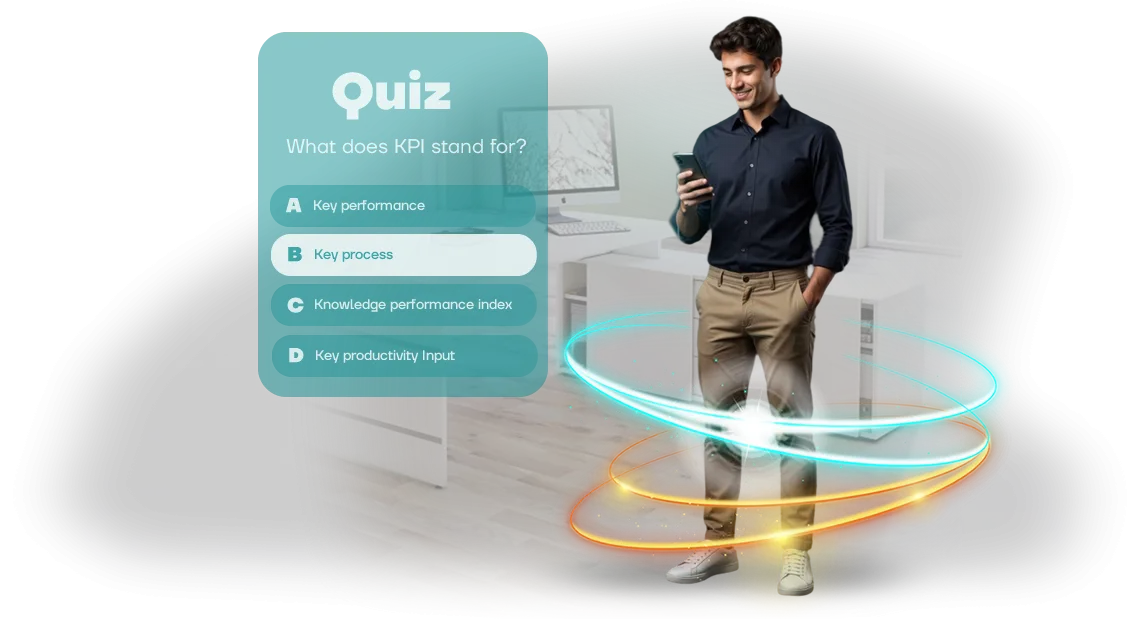
פורמט מודרני — חידונים אינטראקטיביים המבוססים על מצבים אמיתיים — מגייס את העובדים וגורם להם לפעול, לא לשנן.
אנו מפתחים תוכניות כאלה לפקחי תנועה ופקחי משטרת הדרכים: הן משתלבות במערכת ההכשרה, מאפשרות לפקחים לתרגל מיומנויות בסביבה בטוחה, ומעניקות למנהלים תוצאה מדידה וברורה מבלי להוציא את הצוות מהשטח.
אילו תוצאות חידון הכשרת עובדים משיג
חידון הכשרת עובדים נותן לא רק רישום רשמי של סיום קורס, אלא שינויים מדידים באופן שבו החברה עובדת.
התוצאה הראשונה היא מעורבות גבוהה יותר של עובדים: במקום קריאה פסיבית של הוראות, העובדים לוקחים חלק בתרחיש אינטראקטיבי ששומר על תשומת הלב והופך חוקים חדשים להרגלי עבודה מהר יותר. פורמט זה ניתן להשלמה בקלות בכל זמן, כך שכיסוי ההכשרה גדל באופן ניכר.
התוצאה השנייה היא ידע שיטתי. החידון מראה מיד אילו נושאים נשלטו במלואם ואילו קשים לעובדים בודדים או למחלקה כולה.
מנהלים מקבלים תמונה ברורה של כשירות ללא איסוף ידני של דוחות נייר ויכולים לשלוח ספציפית את מי שלא הבין את החומר להכשרה חוזרת.
התוצאה השלישית היא פחות טעויות. כאשר מצבי עבודה אופייניים מוצגים כשאלות עם הסבר על התשובה הנכונה, העובד זוכר את רצף הפעולות ומיישם אותו במשימה אמיתית.
זה חשוב במיוחד לפקחי תנועה ופקחי משטרת הדרכים: חידונים כאלה עוזרים לתרגל נהלים לבדיקת מסמכים, הוצאת דוחות עבירה ומצבי חירום.
לבסוף, החברה מקבלת מדדי KPI אחידים להכשרה: אחוז העובדים שעברו את המבחן, ציון ממוצע, טעויות אופייניות ומהירות השלמה. אינדיקטורים אלה מאפשרים להעריך את יעילות ההכשרה ולהשוות תוצאות בין קבוצות.
בפועל, החידון סוגר את הלולאה המלאה: מעורבות, בדיקת ידע, תיקון פערים ובקרת תוצאות — עם מינימום עבודה ידנית.
פורמטי חידון תלת-ממד למטרות הכשרה שונות
הכשרת פקחי תנועה אינה רק בדיקת ידע בחוקי התנועה — היא פיתוח מיומנויות מוצקות לעבודת כביש אמיתית.
הרצאות ומבחני נייר מספקים תיאוריה אך אינם מלמדים כיצד לפעול במצבים מעורפלים, בעוד תרגילים בקנה מידה מלא הם יקרים מדי וגוזלים זמן. כאן חידוני התלת-ממד עושים את ההבדל: הם משלבים בדיקת ידע, תרגול תרחישים ומעורבות עובדים.
אנו מפתחים שלושה פורמטי חידון תלת-ממד בסיסיים, כל אחד מיועד למשימת הכשרה ספציפית. השוו ביניהם:
| פורמט | מטרה | מה הלקוח מקבל |
|---|---|---|
| מבחן קלאסי | בדיקה מהירה של ידע בחוקים, תקנות ונהלים | הערכה אוטומטית של רמת כל עובד, סטטיסטיקות קבוצתיות שקופות |
| סימולטור תלת-ממד | תרגול מיומנויות מעשיות: זיהוי עבריינים, טיפול במצבי קונפליקט ומצבים לא סטנדרטיים | תרגול בטוח ללא סיכון לאנשים, ניתוח טעויות מיידי ותיקון מיומנויות |
| חידון תחרותי | הגברת מוטיבציה, גיבוש צוות, חזרה שוטפת על החומר | מעורבות גבוהה יותר, תחרות בריאה, שמירה על חדות הידע |
קל לשלב את הפורמטים לתוכנית הכשרה אחת. לדוגמה, התחילו במבחן לאבחון ראשוני, לאחר מכן הפעילו סדרת סימולציות תלת-ממד לתרגול מקרים מורכבים, וסיימו בסיבוב תחרותי לגיבוש התוצאות.
אנו נעזור לכם לבחור את השילוב הטוב ביותר למטרותיכם, מספר העובדים ולוח הזמנים — אתם מקבלים לא רק משחק, אלא כלי משולב להכשרה שיטתית של הצוות.
כיצד מפתחים חידון הכשרה: שלבים ולוחות זמנים
אנו מבנים את העבודה כך שתמיד תדעו באיזה שלב נמצא הפרויקט ומתי תגיע התוצאה. להלן מחזור הפיתוח הסטנדרטי של חידון הכשרה לפקחי תנועה ופקחי משטרת הדרכים, שעודן בצוות שלנו.
- בריף וסקירת משימה. אנו דנים במטרות, בקהל ובתרחישי השימוש. אנו מכינים את המפרט הטכני והערכת העלות — 2-3 ימים.
- תרחיש ומתודולוגיה. יחד עם המומחים שלכם, אנו מחדדים שאלות, אפשרויות תשובה ומערכת ניקוד. אנו מאשרים את התרחיש — 5-7 ימים.
- עיצוב ואב-טיפוס. אנו יוצרים את הסגנון החזותי, הממשק וזרימת המסכים. אתם רואים את החידון העתידי ומבצעים עריכות — 7-10 ימים.
- פיתוח. אנו בונים את המשחק, מגדירים סטטיסטיקות ורמזים. אנו מציגים גרסאות ביניים — 3-4 שבועות.
- בדיקות וקבלה. אנו בודקים על מכשירים, מריצים את התרחיש עם העובדים שלכם ומתקנים משוב. אנו מסיימים את הגרסה הסופית — 5-7 ימים.
- השקה ותמיכה. אנו מתקינים את החידון, מאמנים מנהלים ומוסרים תיעוד. אנו נשארים זמינים לשיפורים נוספים — 1-2 ימים להשקה.
בסך הכול, מהבריף ועד ההשקה — 5-7 שבועות. לוחות הזמנים המדויקים תלויים במספר השאלות והאינטגרציות, אך בכל שלב אתם מקבלים תוצר מוגמר וקריטריוני קבלה. זה שומר על תהליך שקוף.
מה כלול במסירה: ערכת חומרים מלאה
לאחר סיום הפרויקט, אתם מקבלים את ערכת החומרים המלאה הדרושה להשקה, שימוש ופיתוח החידון. הכל ארוז במבנה נוח: אין צורך לחפש קבצים, לנהל משא ומתן על גישה או לפענח קוד של מישהו אחר. להלן רשימה שקופה של מה שנשאר ברשותכם.
- תרחישי חידון: ערכת שאלות מפותחת במלואה ולוגיקת תרחיש המכסה חוקי תנועה, תמרורים ובטיחות בדרכים. התרחישים מותאמים לצרכי ההכשרה של פקחי תנועה ופקחי משטרת הדרכים, וניתן להחליף בקלות את הבלוקים המרכזיים לקטגוריות עובדים אחרות.
- מודלים תלת-ממדיים ועיצוב חזותי: כל הנכסים המשמשים במשחק — מכוניות, תמרורים, אלמנטים של סביבה עירונית, וכן הממשק, האנימציות ואפקטים מיוחדים. הגרפיקה מוכנה להצגה מיידית: ניתן להשתמש בה במצגות, על מסכי כיתה או בדיונים עם ההנהלה.
- פאנל ניהול: ניהול החידון ללא מתכנת. באמצעות ממשק ברור, אתם עורכים שאלות, משנים את זמן התשובה, מוסיפים נושאים חדשים וצופים בסטטיסטיקות השלמה. זה מאפשר למחלקת משאבי אנוש או למרכז ההכשרה לעדכן תוכן בעצמם — למשל, הוספת בלוק חדש לאחר שינויים בחקיקה.
- מדריך משתמש: מדריך מפורט להתקנה, הגדרה וניהול החידון. הוא כתוב בשפה פשוטה לעובדים ללא רקע טכני, עם צילומי מסך שלב אחר שלב. אדם אחראי אחד מספיק כדי להשיק את החידון.
- חומרי הכשרה למדריכים: תרחיש שיעור, טיפים לסקירת טעויות ורשימת בדיקה למדריך. זה חוסך זמן הכנה ועוזר להעביר הכשרה בסטנדרט אחיד.
- זכויות תוכן: אתם מקבלים את הזכויות לשימוש בכל החומרים שנוצרו בתוך הארגון ללא הגבלות על שכפול או משך. אתם יכולים לבצע שינויים בחופשיות, להתאים את התוכן לקבוצות עובדים חדשות ולהשתמש בו בכל תוכנית הכשרה פנימית.
בשורה התחתונה: אתם מקבלים לא רק משחק, אלא כלי הכשרה עובד שכבר מלא בתוכן ומוכן לשימוש מהיום הראשון. במידת הצורך, צוות התמיכה עוזר בשיפורים נוספים — אבל אפילו מומחה משאבי אנוש פנימי יוכל לעדכן את החידון באופן עצמאי.
מקרה בוחן: כיצד חידון הכשרה העלה את רמות הידע ב-34%
הנה אחד המקרים הממחישים ביותר שלנו. המחלקה האזורית של פיקוח התנועה הממלכתי ומשטרת הדרכים פנתה אלינו במסגרת תוכנית פיתוח מקצועי: הם נזקקו להעלאת הידע של הפקחים בתקנות חדשות ובמצבי דרך אופייניים.
ההוראות הפנימיות נסרקו בעיון, ובדיקת הידע הפכה לפורמליות של מילוי מבחנים. הלקוח נזקק להכשרה שבאמת משנה את מיומנויות העובדים, לא רק מסמנת וי בתוכנית.
המשימה הראשונית
למדנו את תרחישי העבודה של הפקחים, טעויות אופייניות ומקרים מעורפלים, ולאחר מכן בנינו חידון הכשרה עם מצבים עדכניים ומשוב מיידי. חשוב לציין, המערכת לא רק מתעדת את התוצאה — היא מסבירה מדוע החלטה נכונה. העובדים סוקרים טעויות מיד, מבלי לדחות, מה שמאיץ את הלמידה.
תוצאות היישום
כל העובדים במחלקה השלימו את החידון. רמת הידע הממוצעת עלתה ב-34%, והזמן הדרוש להכנת פקח אחד כמעט נחתך בחצי.
המנהלים קיבלו הערכת ביצועים שקופה: הם יכלו לראות מי שלט בחומר ומי זקוק לעבודה נוספת. שלושה חודשים לאחר מכן, הלקוח חזר לגרסה מורחבת למחלקות אחרות — עבורנו, זה המדד המרכזי לערך הפתרון.
אותה לוגיקה תעבוד גם בהכשרה שלכם: במקום תרגיל של סימון וי, אתם מקבלים צמיחה מדידה בכשירות. ספרו לנו על המשימה שלכם — נראה לכם כיצד להפוך הכשרת עובדים לתוצאות הנראות במספרים.
שאלות נפוצות על יישום חידוני הכשרה
לפני יישום חידון הכשרה, ללקוחות יש לעתים קרובות את אותן דאגות: האם הם יצטרכו לבנות מחדש את ההכשרה, מי יהיה אחראי על תמיכה טכנית, והאם המשחק יתחשב במאפיינים האמיתיים של עבודת הפקחים.
אלה שאלות נורמליות — עדיף לענות עליהן לפני תחילת הפרויקט ולא במהלכו. אספנו את שלושת התרחישים הנפוצים ביותר והראינו כיצד הם נפתרים.
כמה קשה לשלב את החידון בהכשרה הקיימת?
השילוב אינו דורש עיצוב מחדש של התוכנית. החידון פועל כמודול נפרד: ניתן להשתמש בו לבדיקת ידע לאחר הרצאות, כחלק מקורס היכרות או כאלמנט של הסמכה.
ההתקנה אורכת בין כמה ימים לשבועיים — הזמן המדויק תלוי במספר הנושאים ובאופן שבו אתם רוצים להציג תוצאות.
האם נצטרך להעסיק מהנדס לתמיכה שוטפת?
לא, התמיכה נשארת בצד שלנו. לאחר ההשקה, אתם מקבלים מומחה ייעודי לשאלות, עדכון פריטי חידון והוספת תרחישים חדשים. המשחק פועל ביציבות ללא מעורבותכם — צוות ההכשרה שלכם מתמקד בתוכן, לא בפרטים טכניים.
האם תוכלו להתאים את החידון למאפייני הפקחים שלכם?
כן, התאמה היא עבודת הליבה שלנו. אנו לוקחים את התקנות שלכם, מצבי דרך אמיתיים וטעויות אופייניות של מתחילים והופכים אותם לתרחישי חידון. אם החוקים משתנים, אנו מוסיפים מקרים חדשים — מבלי להתחיל מאפס ומבלי לאבד סטטיסטיקות שנצברו.
מוכנים לדון בפרויקט שלכם? השאירו פנייה
השאירו פנייה, ונחזור אליכם תוך יום עסקים אחד. הצעד הראשון הוא ייעוץ, שבו תספרו לנו על מטרות הכשרת העובדים שלכם ואנו נציע כיצד חידון יכול לעזור להשיג אותן. ללא התחייבויות — רק מומחיות והמלצות מעשיות.
לאחר השיחה, נכין הצעה מסחרית עם לוחות זמנים ברורים ורשימת עבודות. תראו מה כלול בפרויקט ומה לא, כך שתוכלו לקבל החלטה מאוזנת מבלי להיות ממהרים.
אם תרצו לבדוק את הגישה בפועל, נשיק פרויקט פיילוט עם קבוצה קטנה של עובדים. על סמך התוצאות, תקבלו תוצאות קונקרטיות ותבינו אם כדאי להרחיב את ההכשרה לכל המחלקה או החברה.
מה תקבלו לאחר יצירת קשר:
- ייעוץ עם מומחה חידוני הכשרה.
- תוכנית פרויקט ברורה: שלבים, רצף עבודה ותוצאות צפויות.
- הצעה מסחרית עם מחיר קבוע ולוחות זמנים וללא תנאים נסתרים.
- הזדמנות להשיק פרויקט פיילוט להערכת יעילות לפני פריסה מלאה.
- תמיכה מלאה בכל שלב: מהרעיון ועד ההשקה וניתוח תוצאות.
- הכשרה לצוות שלכם אם תרצו לעדכן תוכן בעצמכם.
אנו עובדים מרחוק ועוזרים לחברות להפוך הכשרה למרתקת ומעשית. השאירו פנייה — נדון באיזה פורמט חידון מתאים לעובדים שלכם ונראה כיצד זה עובד באמצעות דוגמאות של משימות דומות.
כיצד לבחור פורמט חידון למטרות המחלקה שלכם?
ראשית, קבעו איזו תוצאה המחלקה צריכה: פקחים המיישמים בביטחון חוקים חדשים, או מגיבים במהירות במצבים לא סטנדרטיים.
זה קובע את פורמט החידון — משאלות רב-ברירה קלאסיות ועד סימולטורים מבוססי תרחישים שבהם כל החלטה משפיעה על הצעד הבא. אנו מתאימים את התרחיש למטרותיכם ולא מתאימים את המטרות שלכם לתבנית מוכנה.
העריכו את הקהל: מספר עובדים, משמרות, רמת מיומנות. פקחים צעירים מרוויחים מפורמטי למידה עם הסברים לאחר כל תשובה; מנוסים מרוויחים מבדיקות מהירות ודיוק.
פורמט המסירה חשוב גם הוא — בכיתה על מחשבים או על טאבלטים בין משמרות. זה משפיע על בחירת המכניקה כך שההכשרה תיקח מינימום זמן ותספק ערך מקסימלי.
קחו בחשבון את המאפיינים של שירות סיור בכביש: פקח חייב לא רק לדעת תיאוריה אלא גם לקבל החלטות תחת לחץ. לכן חידונים כוללים לעתים קרובות מצבי אכיפה מצולמים, קביעת סדרי עדיפויות בפעולה וסקירת מקרים שנויים במחלוקת. תרחיש כזה מאפשר לתרגל מיומנויות ללא סיכון למשתמשי הדרך.
הפורמט הנכון ניכר באופן שבו עובדים מיישמים ידע בפועל. אנו מתחילים בניתוח המשימות שלכם, לימוד תקנות ומקרים אמיתיים, ולאחר מכן מציעים מבנה חידון — לא תבנית אוניברסלית, אלא תרחיש המותאם לדרישות הספציפיות של המחלקה. שתפו את המטרות שלכם, ונכין פורמט שפותר בדיוק את בעיית ההכשרה שלכם.