

מדוע הכשרה מיושנת לא מצליחה להניע יועצי מכירות
הכשרת יועצי מכירות הופכת פעמים רבות לפורמליות: עובדים עוברים הרצאות, מצגות ומבחני המשך רק כדי לסמן וי.
תוך שבוע המידע נשכח, ובשיחה אמיתית עם לקוח היועץ חוזר להרגלים ישנים — מפסיד בוויכוחים, לא מצליח להתמודד עם התנגדויות, ומפסיד את העסקה. המנהל משקיע זמן ותקציב בהכשרה אך לא רואה צמיחה בהכנסות.
כישלון ההכשרה לא מתגלה מיד. העובדים מהנהנים במהלך המפגש אבל לא מיישמים את הידע בעבודה, כי הפורמט לא מעורר את העניין או הרגשות שלהם.
התוצאה היא הכשרה לא אפקטיבית שלא משנה את התנהגות היועץ — ולכן לא מגדילה מכירות ולא משפרת את נאמנות הלקוחות. הקונים חשים בחוסר הביטחון של המוכר ועוברים למתחרים — זהו הפסד ישיר לחברה.
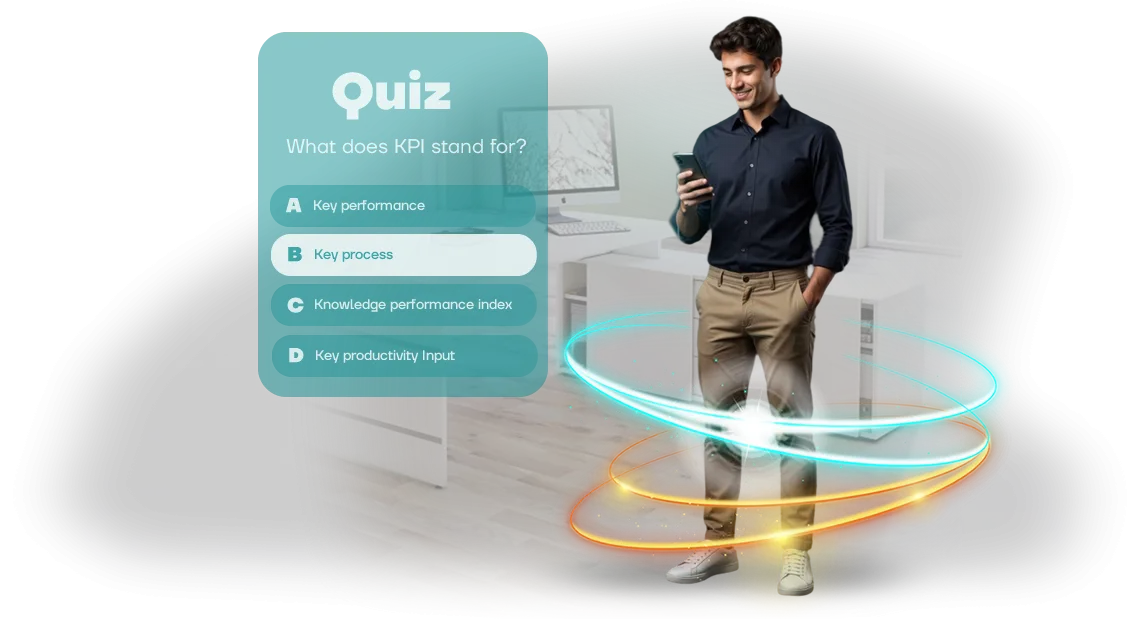
כדי שהכשרת יועצים תעבוד, היא חייבת להיות מרתקת וקרובה למצבים אמיתיים. אנו מפתחים חידונים אינטראקטיביים שהופכים תיאוריה משעממת למשחק מרגש. מכניקת משחק שומרת על תשומת הלב, ומשוב מיידי עוזר לחזק מיומנויות.
העובדים מתחרים, מתרגלים תרחישי תקשורת עם לקוחות, והתוצאות מראות מיד מי שלט בחומר ומי זקוק לתמיכה נוספת.
גישה זו משנה את האופן שבו הצוות תופס הכשרה: יועצים רואים בה הזדמנות להיות מקצועיים יותר, לא חובה. החברה מקבלת תוצאה צפויה — צוות מוכן, תגובות בטוחות ללקוחות, וצמיחה במכירות חוזרות.
במקום עסקאות אבודות — הכנסה יציבה; במקום הרצאות משעממות — כלי חי לפיתוח עובדים.
מה פורמט המשחק מספק: צמיחת מכירות, מעורבות ונאמנות
עובדי מחלקת המכירות rarely נהנים מהרצאות ארוכות ומבחנים: תשומת הלב נודדת, הידע לא נצמד, ותוצאות ההכשרה לא ניתנות למדידה במספרים.
למידה מבוססת משחק הופכת את התהליך על פיה — חידון הופך תיאוריה משעממת לאתגר חי שבו כולם רוצים לנצח.
בצוות שלנו אנו בונים חידוני תלת-ממד חינוכיים שפותרים אתגרים ספציפיים של צוותים מסחריים. הנה מה שמנהל מקבל על ידי יישום הפורמט הזה:
- צמיחה ב-KPI של מכירות. יועצים מתרגלים התמודדות עם התנגדויות והצגת מוצרים בתרחישי משחק ולא בתיאוריה. המיומנות הופכת לאוטומטית — וזה משפיע ישירות על עמידה ביעדים.
- מעורבות צוות. תחרות ולוחות מובילים מניעים אפילו את אלה שנהגו לשבת בשקט מאחור. תחרות פנימית מעלה את העניין בעבודה.
- הטמעה מהירה יותר של עובדים חדשים. במקום שבוע של קריאת תסריטים — כמה מפגשי משחק. המתאמנים מגיעים לקצב מהר יותר ומתחילים למכור.
- נאמנות עובדים. הפורמט החריג מראה שהחברה משקיעה בפיתוח הצוות. אנשים מעריכים את הדאגה ופחות נוטים לעזוב למתחרים.
- הערכת תוצאות שקופה. המנהל רואה סטטיסטיקות לכל עובד: מי קלט את החומר ומי "נכשל" בנושא. זה מאפשר לאמן נקודות חלשות בצורה ממוקדת, בדיוק בזמן.
אנו בונים חידונים על מנוע משחק מקצועי, כך שהגרפיקה והדינמיקה ברמה של משחקי בידור — העובדים תופסים את ההכשרה כמשחק, לא כמטלה. בניסיון שלנו, לקוחות מדווחים שמעורבות ההכשרה עולה ל-80–90% כבר לאחר ההשקה הראשונה.
רוצים את אותה תוצאה בצוות שלכם? ספרו לנו על המטרות שלכם — נמצא פורמט חידון שמתאים למוצר ולמחלקת המכירות שלכם.
פורמטים של חידוני תלת-ממד ליועצי מכירות
יועצי מכירות מתמודדים עם בעיות שונות בשלבים שונים: עובד חדש צריך ללמוד במהירות את המוצר והתסריטים, יועץ מנוסה צריך לחדד התמודדות עם התנגדויות, וכל הצוות צריך להתכונן להשקת מוצר חדש.
פורמט הכשרה יחיד לא יעבוד כאן: מה שמצוין להטמעה משעמם להסמכה. לכן אנו מרכיבים חידון תלת-ממד סביב משימה עסקית ספציפית במקום להציע פתרון אחד שמתאים לכולם.
להלן הפורמטים האופייניים שבהם אנו משתמשים בהכשרת יועצי מכירות. בכל מקרה, המכניקה, התרחיש ורמת הקושי משתנים, בעוד התוצאה קשורה למדדים שלכם.
| פורמט | למי | מה זה נותן ללקוח |
|---|---|---|
| סימולטור דיאלוג וירטואלי | יועצים חדשים במהלך ההטמעה | התנסות מהירה בתסריטי מכירה ללא לחץ על לקוחות אמיתיים: העובד מתאמן על סצנה תלת-ממדית ומקבל משוב מיידי |
| חידון הסמכה | עובדים נוכחיים לפני הערכה | בדיקת ידע אובייקטיבית בפורמט משחק — ניתן לראות מי באמת מבין את המוצר ומי רק שינן את התשובות |
| תרחיש התמודדות עם התנגדויות | יועצים מנוסים | תרגול דיאלוגים קשים בסביבה בטוחה: העובד לומד להגיב למצבים לא סטנדרטיים במקום לקפוא מול לקוח אמיתי |
| הצגת מוצר חדש | כל הצוות לפני השקת מוצר | הצוות זוכר מאפיינים מרכזיים מהר יותר מאשר בהרצאה רגילה ומיד מיישם אותם במכירות |
| מצב תחרותי | צוותים או מחלקות מעורבים | מעורבות גבוהה יותר ותחרות בריאה: עובדים חוזרים לחידון מיוזמתם כדי לשפר את הציון |
זו לא תוכנית נוקשה אלא נקודת התחלה. בבריף הראשון אנו מנתחים את המצב שלכם ואם צריך, משלבים כמה פורמטים: למשל, מתחילים עם סימולטור למתחילים ומסיימים עם חידון תחרותי לכל הצוות.
כך אתם מקבלים הכשרה שמתמודדת בדיוק עם המשימה שלכם — ללא הוצאות מיותרות על תכונות שאינן בשימוש.
אנו עובדים ב-Unity, אבל עבורכם זה פשוט אומר יציבות ומהירות: החידון רץ על כל מכשיר שכבר קיים אצל העובדים שלכם.
איך פיתוח חידון עובד: מבריף ועד השקה סופית
הכשרת יועצי מכירות מסתכמת פעמים רבות בהרצאות ומצגות שנשכחות במהירות. כדי להבטיח שהחידון באמת מעלה את רמת הצוות, אנו מבנים את התהליך כך שתשלוט בכל שלב פיתוח — מהרעיונות הראשונים ועד ההשקה.
בכל שלב אתה מקבל תוצאה קונקרטית: בריף, תרחיש, אב-טיפוס וגרסה סופית. מנהל פרויקט ייעודי מפעיל את הפרויקט, כך שתמיד תדע איפה עומד הפיתוח ומה הלאה.
-
בריף — אנו קובעים את המטרות. אתה מספר לנו אילו מיומנויות מכירה צריך לחזק והיכן העובדים טועים לרוב. אנו מגדירים את מטרות החידון ואת קריטריוני ההצלחה של ההכשרה.
-
תרחיש ושאלות. יחד אנו בוחנים דיאלוגים אמיתיים עם לקוחות, מוסיפים התנגדויות אופייניות ומצבים קשים. אתה רואה ומאשר את נוסח השאלות לפני תחילת הפיתוח — בלי הפתעות.
-
אב-טיפוס וקונספט עיצובי. אנו מראים איך ייראה המשחק התלת-ממדי: סגנון, דמויות, ממשק. אתה מבצע עריכות בשלב זה, כששינויים עולים מינימום זמן ומאמץ.
-
פיתוח ובדיקות. אנו מרכיבים את גרסת החידון המלאה ובודקים איך היא עובדת על מכשירים שונים ועם עובדים שונים. אנו שולחים לך גישת הדגמה כדי שתוכל להעריך את התוצאה במו עיניך.
-
השקה ותמיכה. אנו מחברים את החידון לסביבת הלמידה שלך ומגדירים גישה ליועצים. אנו עוזרים בהטמעה, עונים על שאלות הצוות ומבצעים התאמות מהירות כשצריך.
-
מסירה ותחזוקה. לאחר ההשקה הסופית, אנו מעבירים את כל החומרים ומכשירים את הצוות שלך לעבודה עם החידון. אתה יכול להשתמש בו להכשרה ראשונית של מתחילים ולבדיקות ידע שוטפות של עובדים מנוסים.
תהליך שקוף ללא "קופסה שחורה": אתה יודע מה תקבל בכל שלב ומה לוח הזמנים. פיתוח החידון הופך לפרויקט ברור שבו אתה מקבל החלטות ואנחנו אחראים לתוצאה.
מה כלול במסירה: חבילת הכשרה ואנליטיקה
אתה מקבל יותר מסתם חידון — אתה מקבל מערכת הכשרה מוכנה שממשיכה לעבוד לאחר ההשקה. אנו מספקים חבילה מלאה: מתרחישי משחק ועד דוחות אנליטיים — כך שהעובדים שלך לומדים ו-L&D רואה את התוצאות.
הנה מה שכלול:
- תרחישי משחק ושאלות — כמה גרסאות חידון המותאמות לעבודת יועץ מכירות: מתסריטי מכירה ועד התמודדות עם התנגדויות. ניתן לעדכן שאלות ללא מעורבות מפתחים.
- חומרים מתודולוגיים למדריך — מדריך שלב-אחר-שלב כיצד להעביר את ההכשרה, לסקור טעויות ולחזק ידע. המדריך שלך מקבל תוכנית מפגש מוכנה.
- הוראות לעובדים — מדריכים כיצד לגשת לחידון ולמה הוא חשוב להם אישית. זה מסיר את הפחד מפורמט חדש ומגביר מעורבות.
- פאנל ניהול — אתה רואה בעצמך מי סיים את ההכשרה, מי הצליח ומי זקוק לעזרה. ממשק פשוט — ללא צורך במיומנויות מיוחדות.
- דוחות לכל השקה — אנליטיקה אוטומטית: אחוז תשובות נכונות, זמן ממוצע, נושאים קשים ביותר. הכל מוצג כטבלאות ותרשימים ברורים.
- המלצות ל-L&D — אנו מנתחים את הנתונים ומציעים אילו נושאים לחזור עליהם ואילו להעביר למודול ההכשרה הבא.
הדוחות האלה הם המפתח לשיפור ההכשרה. אתה רואה בדיוק עם מה יועצים מתקשים ומה הם קלטו מיד. אין יותר ניחושים לגבי יעילות התוכנית — אתה מקבל מספרים לכל עובד ולצוות כולו.
מקרה בוחן: רשת קמעונאית מגדילה הכנסות ב-28%
רשת קמעונאית פירושה זרם קבוע של עובדים חדשים. כל חודש מופיעים יועצים חדשים בחנויות, ויש להכשיר אותם למכור במהירות — אחרת הסל הממוצע יורד והלקוח עובר למתחרה.
הרצאות קלאסיות והוראות מודפסות לא פותרות את הבעיה היטב: הידע נשכח תוך שבוע, ומנטור מנוסה פיזית לא יכול לכסות את כל המיקומים.
פנתה אלינו רשת האלקטרוניקה Technodom — נפתחו אזורים חדשים ו-40 יועצים היו זקוקים להכשרה בתקני עבודה. במקום מבחני נייר, בנינו חידון על דיאלוגים אמיתיים עם לקוחות.
העובד בוחר את המודל הנכון, מגיב להתנגדויות, מציע מוצרים נלווים — ורואה את הטעות מיד במקום לחכות עד שהמנטור יבדוק.
החידון השתלב ביום העבודה הרגיל: עושים אותו אחרי פגישת הבוקר, בגיוס, ואחרי המשמרות הראשונות על הרצפה. המוכר לא מחכה להערכה חיצונית — המערכת עצמה מראה היכן חסר ידע. המנהל מקבל סטטיסטיקות ברורות לכל עובד ומתאים הכשרה ללא דוחות ידניים.
הרשת רשמה את התוצאות לאחר שלושה חודשים. ההכנסות בחנויות שבהן נעשה שימוש עקבי בחידון גדלו ב-28%. הסל הממוצע עלה — היועצים הפכו בטוחים יותר בהצעת אחריות ומוצרים נלווים.
תחלופת העובדים ירדה בחצי: מתחילים השתלבו בתפקיד מהר יותר והרגישו רגועים יותר כי ההכשרה כבר לא הייתה מלחיצה.
הרשת משיקה כעת את החידון בכל חנות חדשה באמצעות תרחיש מוכח. אנו מתאימים את קטלוג המוצרים והשאלות לביקוש המקומי — ותוך שבוע ההכשרה מתחילה ללא נסיעות של מדריכים מהמשרד הראשי.
גיוס והטמעה הופכים מכאוס מתמיד לתהליך צפוי שמשפיע ישירות על ההכנסות.
מה אם העובדים שלכם לא משחקים במשחקים או שהמוצר מורכב?
לא כל העובדים מבלים ערבים במשחקים — ומנהלים רבים חוששים שהחידון פשוט לא יתחבר אליהם. במיוחד אם המוצר מורכב או דורש ידע מעמיק.
אבל מכניקת חידון הפסיקה מזמן להיות בידור לגיימרים בלבד: התאמה נכונה הופכת את ההכשרה למובנת לכולם.
בצוות שלנו אנו מתכננים את החידון כך שיתאים לכל רמת מוכנות.
בכניסה, המשתתפים פוגשים שאלות חימום ורמזים קצרים — זה מסיר את הפחד מ"אני לא אצליח." ואז הקושי עולה בהדרגה ולא בקפיצות, כך שגם אלה שמעולם לא שיחקו במשחקים מגיעים לסיום.
מוצר מורכב אינו מגבלה — הוא חומר לחידון. אנו מפרקים אותו לתרחישי סיפור קצרים: העובד רואה דיאלוג טיפוסי עם לקוח, בוחר תגובה, ומקבל משוב מיידי. בדרך זו, מה שנצמד הוא לא מפרטים יבשים אלא הפעולות הנכונות במצבים אמיתיים.
המעורבות לא יורדת אחרי השאלות הראשונות: המערכת משבחת הישגים, מסבירה טעויות ללא שיפוטיות, ומראה התקדמות. למתחיל זה בונה ביטחון, ליועץ מנוסה זה מוסיף את הריגוש של תחרות. כתוצאה מכך, כמעט כל העובדים משלימים את ההכשרה, ללא קשר ליחסם למשחקים.
חידון כזה פותר שתי משימות בבת אחת: הוא משפר את ידע המוצר ויוצר חוויית למידה חיובית. אין צורך להכריח או לשכנע — מכניקת המשחק עובדת מעצמה.
שאלות נפוצות על הטמעת חידונים ארגוניים
הטמעת חידון בתוכנית הכשרה מעלה שאלות: לוחות זמנים, תקציב, תאימות לתהליכים קיימים. אנו עונים על העיקריות כדי שתדע למה לצפות לפני שמתחילים.
כמה זמן אורכת הטמעת החידון?
בממוצע שבועיים עד ארבעה שבועות — מבריף ועד השקה עם העובדים שלכם. חידון פשוט עם 20–30 שאלות הולך מהר יותר; תרחיש רב-רמות עם אנימציה לוקח קצת יותר זמן. אנו קובעים את לוח הזמנים בתוכנית בהתחלה ולא מזיזים אותו ללא אישורך.
כמה עולה פיתוח חידון?
המחיר תלוי בהיקף החומרים, במספר התרחישים ובעיצוב — לא במספר "האפשרויות המסתוריות." אנו מספקים הערכה קבועה לפני תחילת העבודה: אתה יודע את התקציב בדיוק ושולט בכל תיקון.
ההשקעה מחזירה את עצמה במהירות: יועצים מוכרים יותר, ועובדים חדשים מגיעים ליעדים פי שניים מהר יותר.
איך החידון ישתלב במערכת ההכשרה שלנו?
החידון יכול לפעול באופן עצמאי דרך קישור או לעבוד בתוך פורטל הלמידה שלכם — אנו מתאימים את עצמנו לתשתית הקיימת שלכם ללא בנייה מחדש של הפלטפורמה. אנו ממלאים את החידון בחומרים שלכם: נהלים, תסריטים, ידע על המוצר.
לאחר כל סיום אנו שולחים דוח — אתה מיד רואה עם אילו נושאים יועצי המכירות מתקשים והיכן נדרשת הכשרה נוספת.
אילו ערבויות אתם מספקים?
אתה מקבל חידון שעובד באופן אמין ותמיכה לאחר ההשקה: אנו מתקנים שגיאות, מעדכנים שאלות ומייעצים בנושא אנליטיקה. לאורך כל הפרויקט, מנהל עובד איתך, עוקב אחר לוח הזמנים ומתאם את הצוות — אתה לא צריך להיכנס לפרטי הפיתוח.
שלחו בקשה לחידון הכשרת מכירות
הזמנת חידון הכשרת מכירות היא דרך להפוך תיאוריה משעממת לפרקטיקה שעובדים מיישמים מיד. במקום הרצאות ודפי מידע, יועצים עוברים תרחישי משחק, זוכרים התנגדויות ומתרגלים דיאלוגים.
אתה לא צריך להבין במכניקת משחק או להגן על התקציב מול ההנהלה: אתה מקבל פיתוח משחק מוכן ומלא.
השאירו בקשה — ותוך יום עסקים אחד נשלח לכם הצעה מסחרית עם תנאים אישיים. היא תכלול את לוח הזמנים, העלות ותוכנית ההטמעה המותאמת לצוות שלכם. אין שלבים נסתרים ואין ז'רגון טכני — רק פתרונות עסקיים ברורים.
הנה מה שתקבלו לאחר הפנייה:
- שאלון אישי: אנו מנתחים את המוצר שלכם, התנגדויות אופייניות ונקודות כאב במכירות
- הערכת עלות ולוח זמנים — אנו קובעים את המספרים לפני תחילת העבודה
- הצעה מסחרית עם תוכנית הטמעה: מתרחיש ועד השקה
- אישור מכניקת החידון: מספר שאלות, רמות, מערכת רמזים
- פיתוח משחק ובדיקות על תרחישי תקשורת אמיתיים עם לקוחות
- השקת הכשרה ומסירת חומרים לצוות שלכם
כך אתה שולט בתהליך, ואנחנו אחראים לתוצאה. אתה יכול להזמין חידון בלחיצה אחת — מלאו את הטופס, ותוך יום יהיה בידכם פתרון מוכן להכשרת מכירות.
אם אתם צריכים לדון בפרטים, התקשרו אלינו — נעזור לכם לבחור את הפורמט ולחשב את העלות.