

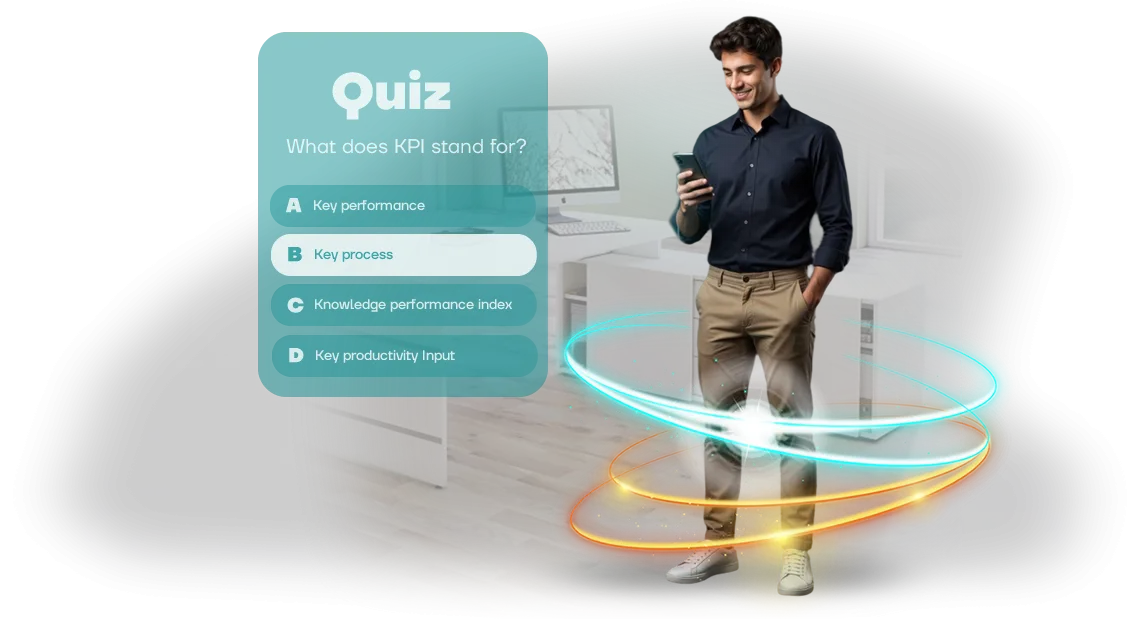
מבחני הכשרה לנהגי רכבות: תרחישי תלת-ממד במקום מבחנים משעממים
מבחנים מסורתיים לנהגי רכבות בודקים זיכרון, לא מוכנות לפעולה. עובד יכול לענות על שאלות בחינה ללא דופי אבל לקפוא כשהבלמים נכשלים או מופיע מכשול בלתי צפוי.
הסמכה מבוססת נייר אינה מדמה תנאים אמיתיים, ולכן רמת המוכנות האמיתית נותרת לא ידועה.
עבור מנהל, זה אומר סיכונים ישירים: תאונות, פציעות, נזק לציוד, השבתות ובדיקות רגולטוריות. טעות של נהג עולה ביוקר — זו תביעת ביטוח, פגיעה במוניטין ואמון הנוסעים או הלקוחות.
הערכת ידע צריכה להראות לא מה אדם שינן, אלא כיצד יתנהג ברגע קריטי.
אנו עונים על צורך זה עם מבחני הכשרה לנהגי רכבות בצורת תרחישי תלת-ממד. במקום השאלה המופשטת "מה לעשות אם…", הנהג רואה שחזור של המצב: קריאות מכשירים, אותות, תנאי מסילה.
יש לקבל החלטה בזמן — לעצור, ליצור קשר עם המרכזן, להפעיל בלימת חירום. כך, מבחן תלת-ממד הופך הערכת ידע לאימון מיומנויות.
להסמכת כוח אדם, זה מספק תמונה אובייקטיבית: כל פעולה מתועדת, קל להשוות תוצאות, וברור מי מוכן לעבודה עצמאית ומי זקוק להכנה נוספת.
מבחני ההכשרה נערכים באופן קבוע, בקצב נוח, ללא הפרעה למשמרות — במחשב או בטאבלט. התרחישים מפותחים סביב התקנות, המסלולים וסוגי הציוד הנייד שלכם.
אנו בונים מבחני תלת-ממד אלה על הכלי המקצועי Unity, תוך התאמת הממשק לצרכי מוסך או מרכז שיגור.
אתם מקבלים כלי מוכן להכשרה, הסמכה והערכת ידע של נהגים — עם סטטיסטיקות ברורות ועדכוני תרחישים כשההוראות משתנות. זהו צעד ממבחנים פורמליים להכנת כוח אדם אמיתית.
אילו יתרונות מביאה הכשרה מבוססת משחק למוסך
הכשרה מבוססת משחק במוסך פותרת את הבעיה המרכזית: עובדים לא מתחברים לתדריכים סטנדרטיים, ובכל זאת בטיחות התנועה תלויה בקשב שלהם.
כשנהג מתאמן בפורמט חידון עם אלמנטים תחרותיים, הוא זוכר חוקים ותקנות לא באופן מכני, אלא באמצעות השתתפות פעילה. זה הופך נוהל חובה לתהליך ברור ומרתק שאנשים רוצים להשלים.
גימיפיקציה של הכשרה משפרת ישירות את שימור החומר. במקום קריאת הוראות, העובד עונה על שאלות מספר פעמים בתרחישים שונים, והידע נטמע ברמת הרגל.
הניסיון מראה שגישה זו מקצרת את הזמן הדרוש להכנת עובד לעבודה עצמאית, כי האלגוריתמים הנדרשים מתורגלים מהר יותר ונשארים בזיכרון זמן רב יותר.
למנהל המוסך, חשוב שהחידון מספק תקן אחיד לבדיקות ידע. כל הנהגים עונים על אותן שאלות באותם תנאים, וניתן להשוות תוצאות באופן אובייקטיבי.
זה מפשט הערכת מיומנויות, עוזר לזהות פערים לכל עובד ולתזמן הכשרה נוספת בזמן — ללא מחלוקות או ציונים שרירותיים.
ההכשרה הארגונית הופכת לניתנת לניהול: אתם רואים סטטיסטיקות השלמה, טעויות אופייניות ורמת המוכנות של כל עובד. בהתבסס על נתונים אלה, קל להתאים את תוכנית ההכשרה ולאשר אישור עבודה.
גישה זו מפחיתה את הסיכון לטעות אנוש על המסילה ומשפרת את המשמעת הכללית במוסך, בעוד הנהגים עצמם תופסים את ההכשרה כעזרה ולא כמטלה.
פורמטים של חידוני תלת-ממד: בחירה למשימה שלכם
עבור נהג רכבת, ידיעת החוקים אינה מספיקה — חשוב לפעול נכון במצב לא סטנדרטי. חידון תלת-ממד מטביע את העובד בתא נהג וירטואלי, שבו הוא מקבל החלטות בסביבה ריאליסטית. זה משנה את הגישה להכשרה: במקום קריאה פסיבית של הוראות — תרגול פעיל.
עם זאת, משימות שונות דורשות פתרונות שונים. לדוגמה, עובדים חדשים זקוקים לתרגול מיומנויות אישי, עובדים מנוסים צריכים לשמור על חדות ולקיים רוח תחרותית, ולבדיקות שגרתיות נוח חידון קצר ישירות על הרכבת. הכנו טבלת השוואה כדי שתוכלו לבחור פורמט או לשלב ביניהם.
השוואת פורמטים
| פורמט | למי | מה זה נותן ללקוח |
|---|---|---|
| סימולטור תלת-ממד אישי | נהגים חדשים, הסבה, תרגול תרחישים נדירים | הכשרה אישית בסביבה בטוחה, סטטיסטיקות מפורטות לכל עובד, קיצור זמן קליטה. |
| תחרות קבוצתית | צוות קיים, הגברת מעורבות | לכידות צוותית, תחרות בריאה, מוטיבציה נוספת לחזור על החומר. הלקוח מקבל צוות מגובש עם רמת ידע גבוהה. |
| חידון מובנה על הרכבת | צוות שטח, בדיקות ידע מהירות | הערכה בתנאים אמיתיים ללא הוצאת עובדים מהעבודה, תוצאות מיידיות, דוחות אוטומטיים למנהל. |
התוצאות הטובות ביותר מגיעות משילוב פורמטים: סימולטור אישי להכשרה ראשונית, חידון קבוצתי לחיזוק ובניית צוות, וחידון מובנה לבדיקות שגרתיות. זה יוצר מחזור הכשרה מלא ושומר על רמת מוכנות גבוהה של הצוות.
שלבי פיתוח החידון: מהבריף ועד ההשקה
תהליך שקוף בשישה שלבים — מהפנייה ועד ההשקה והתמיכה. אתם תמיד יודעים באיזה שלב נמצא הפרויקט, מה מוכן ומה הלאה.
אנו מטפלים בארגון כל השלבים: אתם לא צריכים להבין בפרטי פיתוח — רק להשתתף באישורים ובקבלה.
-
פנייה ובריף — אנו מתעדים מטרות הכשרה, מספר נהגים ורמת ההכנה שלהם. אנו דנים בציפיות, בלוחות זמנים ובקריטריוני הצלחה, ואז מנסחים ומאשרים את המפרט הטכני.
-
ניתוח חומרים — אנו לומדים תקנות, הוראות בטיחות, מצבי חירום אופייניים ותקנים פנימיים של החברה. זה מקרב את החידון ככל האפשר לעבודה האמיתית של צוות רכבת.
-
תרחיש ומתודולוגיית הכשרה — אנו מפתחים את מבנה החידון: לוגיקת שאלות, אפשרויות תשובה, רמזים והסברים. אנו מכינים חומרי לימוד לעובדים ומדריך מנהל למערכת.
-
יצירת תוכן תלת-ממדי ופיתוח — אנו מדמים סצנות ריאליסטיות של תא הנהג, מסילות, תחנות ומצבי עבודה. אנו מרכיבים חידון אינטראקטיבי שבו הנהג לא רק עונה על שאלות אלא מתקשר עם אובייקטים תלת-ממדיים. אתם מקבלים גרסת טיוטה לבדיקה כבר בשלב זה.
-
השקת פיילוט — אנו עורכים הכשרת ניסיון עם קבוצה קטנה של עובדים. אנו אוספים משוב, בודקים נוחות ממשק, דיוק תצוגה ובהירות שאלות. אנו מבצעים התאמות כך שהגרסה הסופית תעבוד ללא תקלות.
-
פריסה ותמיכה — אנו פורסים את מערכת ההכשרה על המחשבים או השרת שלכם, מוסרים גישה ומכשירים עובדים אחראיים. אנו נשארים בקשר לאחר ההשקה: עונים על שאלות, מעדכנים תוכן ומשכללים תרחישים לפי בקשתכם.
מה כלול במסירה: ערכה להשקה ולבקרה
כשהלקוח מקבל את החידון המוגמר, חשוב להבין בדיוק מה כלול. אנו מרכיבים את המסירה כך שיהיה לכם כל מה שצריך כדי להשיק הכשרת נהגים ולנטר תוצאות.
להלן הרשימה המלאה של מה שאתם מקבלים. כל פריט פותר משימה ספציפית: מהכנת המדריכים שלכם ועד סטטיסטיקות שקופות למנהל.
- חומרי הכשרה: התרחיש, השאלות והסברי התשובות מותאמים לתקנות שלכם ולמצבי נהג אופייניים.
- לוח ניהול: ניהול רשימות עובדים, הקצאת חידונים לקבוצות או ליחידים, שינוי הגדרות ללא מפתחים.
- דוחות הכשרה: סיכומים אוטומטיים לכל משתתף — השלמה, טעויות, זמן תגובה, התקדמות בניסיונות חוזרים.
- חומרי למידה: רמזים והסברים מובנים לאחר כל שאלה — העובד רואה מיד היכן טעה וכיצד לפעול נכון.
- תיעוד מתודולוגי: הוראות לצוות שלכם על השקה, הגדרה ותחזוקה של ההכשרה — הכל ברור גם ללא מומחי IT.
- תמיכה ועדכונים: אנו עוזרים בהשקת הפרויקט, מתאימים אותו לשאלות ופורמטים חדשים ומייעצים כשהתקנות משתנות.
בסופו של דבר, אתם מקבלים לא רק חידון, אלא כלי עבודה לבקרת הכשרה. המחזור המלא — מתודולוגיה, טכנולוגיה, בקרה ותמיכה — מופעל בבת אחת, ללא הרכבה מחלקים.
מקרה בוחן: שיעור מעבר ידע עלה ב-40% במוסך תוך חודש אחד
כשהגענו למוסך, הבעיה הייתה מוכרת: נהגים השתתפו בחריצות בהרצאות, אבל קיבלו ממוצע של 60% במבחני הערכה.
יש הרבה חומר — חוקי תנועה, הוראות, מצבי חירום — והפורמט של "קרא ושנן" לא עובד עבור מבוגרים עם קשב עייף.
הצענו להפוך את בדיקות הידע לחידון-סימולטור. אותן שאלות ותקנות, אבל בצורת משחק דינמי עם משוב מיידי והסבר מדוע התשובה הנכונה היא הנכונה.
העובדים ענו עליו בטאבלטים במוסך או בבית, בקצב שלהם, ומנהלים ראו את התוצאות של כל נהג בטבלה משותפת ללא פגישות נוספות.
תוך חודש, שיעור מעבר הידע עלה ב-40%, ומספר הניסיונות החוזרים ירד בשני שלישים. הנהגים הפסיקו ללמוד רק כדי לסמן וי — הם ראו את הדירוג שלהם, התחרו בין מחלקות וחזרו לנושאים קשים מיוזמתם.
מנהל המוסך ניסח זאת כך: "החידון הסיר את הפחד מבדיקות. אנשים הבינו שהם לומדים לעצמם, לא בשביל ציון" — מוסך יוז'נויה.
ראוי לציין שהאפקט נשמר: בדיקת המשך חודש לאחר מכן הראתה את אותה תוצאה גבוהה, ולא "עבר ושכח".
לאחר הפיילוט, הלקוח הרחיב את הפרויקט לעוזרי נהגים ומרכזנים — הסימן הברור ביותר לכך שהחידון פותר בעיה עסקית אמיתית ולא רק מסמן וי בתוכנית ההכשרה.
איך לבחור את פורמט החידון המתאים למשימה שלכם?
בחירת פורמט חידון לנהגים מתחילה לא ב"איזה כלי יותר אופנתי", אלא במשימה: מה בדיוק צריך לבדוק — ידיעת הוראות, אלגוריתם פעולה במצב חירום, או מהירות קבלת החלטות.
אם המטרה היא בדיקת ידע שגרתית, מספיק חידון אינטראקטיבי קומפקטי עם שאלות והסברים. אם צריך לתרגל פעולות במהלך תקלת קו, תצטרכו תרחיש מסועף שבו כל תשובה משפיעה על התפתחות המצב.
הגורם השני החשוב הוא מאפייני המוסך: משמרות, מיקומים מרובים, חוסר אפשרות לאסוף את כולם בבת אחת. במקרה כזה, החידון חייב לעבוד על כל מכשיר ולהיות ניתן להשלמה בזמן נוח, בעוד אתם רואים את התוצאות בדוח משותף.
מספר העובדים משפיע גם הוא על הבחירה: פורמט פשוט יספיק לצוות קטן, אבל זרם של מאות אנשים דורש מערכת עם ניקוד אוטומטי וניתוח שגיאות.
אנחנו לא דוחפים אפשרות אוניברסלית אחת. במהלך הייעוץ, אנו מבררים כיצד מאורגנת ההכשרה במוסך שלכם, אילו תקנות צריך לכסות, וכיצד אתם רוצים להשתמש בתוצאות — להסמכה, פיתוח מקצועי או תחרות פנימית.
בהתבסס על זה, אנו מציעים פורמט שמשיג את התוצאה הרצויה ללא תשלום יתר על תכונות מיותרות.
כדי לקבל הערכת עלות מדויקת, פשוט ספרו לנו על המשימה שלכם: מספר עובדים, נושאים ופורמט מועדף. אנו נכין קונספט, נספק לוח זמנים והערכת עלות, ואז נבנה את החידון סביב התקנות שלכם.
חששות נפוצים: מה אם זה יתקלקל או לא יתאים?
כל מי שמזמין הכשרה לנהגי רכבות דואג לאותו דבר: מה אם החידון יקפא במהלך סשן, לא יעלה על מחשבים ישנים, או שמסירת הפרויקט תתעכב? עבור רכבת, זה אומר שיבוש תוכנית הכשרה ושעות נוספות של השבתת צוות.
לכן אנו מטפלים בכל אחד מהחששות האלה מראש — עם ערבויות טכניות ומדיניות תמיכה ברורה.
אנחנו לוקחים אחריות על התוצאה: אנו עובדים עם כלים מוכחים וציוד מקצועי, ולפני ההשקה אנו מריצים את החידון על החומרה שלכם. אם משהו משתבש — אנו מתקנים על חשבוננו, ללא חיובים נוספים וללא שכתוב התרחיש מהתחלה.
מה אם החידון לא יעלה על המחשבים שלנו?
לפני ההתחלה, אנו בודקים את המערכת בתחנות העבודה שלכם ומתאימים הגדרות לציוד הקיים. במידת הצורך, אנו מסכמים על שדרוג ועוזרים בהתקנה. כתוצאה מכך, החידון רץ באופן אמין על כל ציוד שבו אתם משתמשים להכשרה.
מי אחראי אם משהו מתקלקל במהלך סשן?
אנו מספקים אחריות על החידון לכל תקופת השימוש. לאחר ההשקה, אנו מקימים ערוץ תמיכה: אנו מגיבים לתקריות תוך יום עסקים אחד, ולתקלות קריטיות תוך שעתיים. נתוני ההכשרה נשמרים בגיבויים, כך שהשבתה לא מובילה לאובדן תוצאות.
מה אם תפספסו את המועד המוסכם?
לוחות הזמנים קבועים בחוזה, ואנו משלמים קנס על כל יום עיכוב. אתם תמיד רואים את השלבים ושולטים בתהליך: בריף, תוכנית, גרסת בדיקה, השקה. אם הדרישות משתנות בדרך, אנו מודיעים מיד ומציעים לוח זמנים חדש — ללא הפתעות נסתרות.
האם זה בטוח לאמן נהגים על סימולטור?
החידון לא מחליף תרגול על ציוד נייד אמיתי — הוא משלים אותו. העובד מתרגל אלגוריתמי פעולה בסביבה בטוחה ורק אז עובר לעבודה עם הציוד. זה מפחית את הסיכון לטעויות על המסילה והופך את ההכנה לשיטתית יותר.
הזמינו פיתוח וקבלו תרחיש פיילוט
הכשרת נהגים לעבודה בטוחה משמעותה הפחתת סיכונים על המסילה וצמצום מספר ההפרות. אבל בניית חידון איכותי עם הצוות שלכם היא קשה: צריך תרחיש שמושך תשומת לב ובוחן ידע באמת.
אנחנו לוקחים את זה על עצמנו: כשאתם מזמינים פיתוח, אתם מקבלים לא "קופסה שחורה", אלא תהליך ברור ותוצאה מדידה.
קחו את הצעד הראשון — שלחו פנייה באתר. בתגובה, תקבלו הערכת עלות, היקף עבודה ותרחיש פיילוט להערכה.
זה מראה מיד איך ייראו השאלות, המכניקה ודוחות המדריך — עוד לפני תשלום עבור השלב המרכזי.
מה תקבלו כשתפנו אלינו:
- תרחיש פיילוט — בדקו את האיכות על קטע אמיתי מהתוכנית, לא על הבטחות במצגת.
- הערכת עלות וזמן כנה — אנו קובעים את היקף העבודה והתקציב לפני ההתחלה, ללא תוספות נסתרות בשלב האישורים.
- התאמה לתקנות שלכם — החידון לוקח בחשבון הוראות פנימיות, טעויות אופייניות ודרישות ההסמכה שלכם.
- התחלת פרויקט מהירה — לאחר הבריף, אתם מקבלים תוכנית וטיוטות ראשונות תוך מספר ימים, לא חודשים של אישורים.
- דוחות ברורים למנהל — אתם יכולים לראות אילו נהגים השלימו את ההכשרה, היכן הפערים ואילו נושאים צריך לחזור עליהם.
- ערובת תמיכה — אנו תומכים בהשקה ומעדכנים תוכן כשהמסמכים הרגולטוריים שלכם משתנים.
הזמינו פיתוח חידון הכשרה כבר עכשיו — ומחר נתחיל להכין תרחיש פיילוט לנושא שלכם. לשם כך, פשוט שלחו פנייה או התקשרו אלינו: נחזור אליכם תוך יום עסקים אחד, נבהיר את המשימה ונציע את הפורמט האופטימלי. אתם יכולים לקבל ייעוץ — זה לא מחייב אתכם לכלום.