

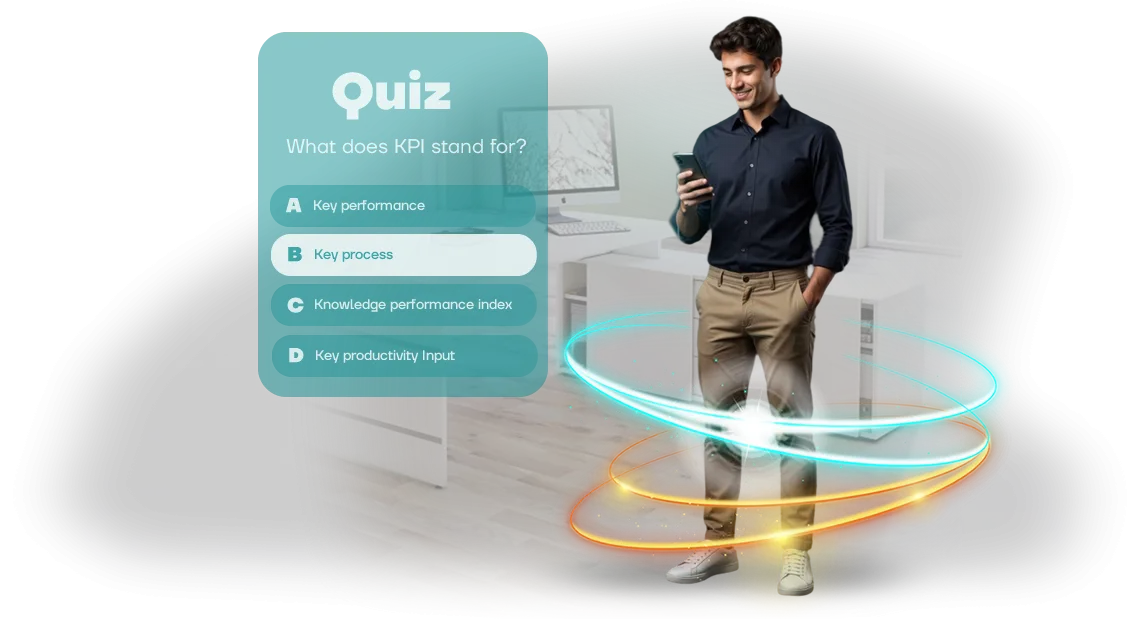
טעויות של מנהל פרויקט עולות לכם בלקוחות — איך מתקנים את זה?
כל טעות של מנהל פרויקט היא לא רק פגם בעבודה — זה כסף אבוד ולקוחות אבודים. משא ומתן שהתנהל בצורה גרועה, פספוס מועדים, אי-הבנה של דרישות הלקוח — כל אלה פוגעים במוניטין של החברה ובהכנסותיה.
מנהלים לומדים מטעויות, אבל כל טעות כזו עולה לכם בלקוח. במכירות, שיחה אחת כושלת יכולה למחוק את כל משפך המכירות, ומשא ומתן כושל מותיר רושם רע אצל הלקוח והורס את האמון בחברה.
עובד יכול להיות מומחה מצוין, אבל בלי תרגול של תרחישים מורכבים, הוא מפסיד עסקאות שבהן נדרשת גמישות.
הרצאות ומבחנים רגילים לא פותרים את הבעיה: מידע נשכח תוך שבוע, ומיומנויות לא מתחזקות. השלמה פורמלית של קורסים לא משנה הרגלים, וברגע קריטי המנהל פועל כמו קודם — עם אותן טעויות.
למידה מבוססת משחק הופכת את התהליך הזה על ראשו. חידון מטביע את העובד בתרחישי מכירות ומשא ומתן ריאליסטיים, שבהם הוא מקבל החלטות ומיד רואה את ההשלכות.
מעורבות רגשית גורמת למוח לזכור דפוסי התנהגות נכונים, וטעויות הופכות לניסיון בטוח במקום ללקוח אבוד.
אנחנו מפתחים חידוני הדרכה ומסעות תלת-ממדיים המדמים מצבים טיפוסיים מפרקטיקת ניהול פרויקטים. פורמט הדרכה זה משפר את שימור החומר ומכין את העובד לאתגרים אמיתיים.
למידה מבוססת משחק עובדת — הפרויקטים שלנו מאשרים זאת: המשתתפים מוצאים שפה משותפת עם לקוחות מהר יותר ומפספסים פחות מועדים. זה מכסה את הצורך המרכזי שלכם — מיומנויות צוות אמינות ללא סיכון של אובדן לקוחות.
חידון תלת-ממדי להדרכה: מעורב, מלמד, מגדיל מכירות
הדרכה ארגונית הופכת פעמים רבות לפורמליות: עובדים מקשיבים להרצאות אבל שוכחים חצי מהחומר תוך שבוע. חידון תלת-ממדי משנה את הגישה — ההדרכה הופכת לאירוע מרתק שאנשים רוצים להשתתף בו, לא לשבת בפינה.
אנחנו מפתחים חידונים כאלה לחברות שרוצות לא רק להעביר הדרכה, אלא להשיג צמיחה אמיתית בכשירות ובמכירות.
מעורבות: עובדים רוצים ללמוד בעצמם
הפורמט המשחקי עם גרפיקה תלת-ממדית מעורר תחרות פנימית: מנהלי פרויקטים מתחרים, דנים בתשובות ושואפים להציג את התוצאה הטובה ביותר. במקום הקשבה פסיבית — השתתפות פעילה ששומרת על תשומת הלב עד סוף המפגש.
המנהל רואה מי באמת שלט בחומר ומי זקוק לתמיכה נוספת. זה מאפשר התאמה ממוקדת של תוכנית ההדרכה בלי לבזבז זמן על הרצאות כלליות.
שימור: הידע נשאר אצל העובד
המוח זוכר טוב יותר מה שמקושר לרגשות ולדימויים חזותיים. חידון תלת-ממדי מציג שאלות דרך תרחישים ומצבים קרובים לפרויקטים אמיתיים — כך שידע הופך למיומנויות שמיושמות כבר למחרת.
עובדים משלימים את החידון בקצב שלהם, חוזרים לשאלות קשות ומחזקים את החומר. זה הופך את ההדרכה ליעילה פי כמה בהשוואה למבחנים מסורתיים.
צמיחה במכירות: תוצאה שנראית במספרים
מנהלי פרויקטים שמבינים את המוצר, התהליכים והלקוח מנהלים משא ומתן בביטחון רב יותר וסוגרים עסקאות. אחרי הדרכה עם חידון תלת-ממדי, חברות מדווחות על שיעורי המרה גבוהים יותר ועל ערכי צ'ק ממוצעים גבוהים יותר — ידע מתורגם ישירות להכנסות.
המנהל מקבל סטטיסטיקות ברורות לכל עובד ולצוות כולו. על סמך נתונים אלה קל לחזות תוצאות ולתכנן את הצעדים הבאים בפיתוח כוח האדם.
פורמטים של חידון תלת-ממדי למנהלי פרויקטים: בחרו את שלכם
הדרכת מנהלי פרויקטים מסתכמת פעמים רבות במצגות משעממות ומבחנים — המעורבות צונחת והידע לא נשמר.
למידה מבוססת משחק פועלת אחרת: בתרחיש משחקי העובד חווה את המצב במקום לקרוא תיאוריה, ולכן הוא קולט את החומר לעומק ויכול ליישם אותו בעבודתו.
כדי להתאים פתרונות לתקציב, ללוחות זמנים ולמטרות, פיתחנו כמה פורמטים של חידון תלת-ממדי — מבדיקה פשוטה ועד סימולציות תפקידים מורכבות. בחרו את זה שפותר את המשימה שלכם, או שלבו אותם להדרכה מקיפה.
| פורמט | למי זה מיועד | מה זה נותן ללקוח |
|---|---|---|
| חידון רב-ברירתי קלאסי | בדיקת ידע מהירה אחרי הרצאה או קורס | הערכה שקופה של שימור החומר, חיסכון בזמן בבדיקה, אפשרות לשילוב במערכת למידה מרחוק |
| חידון עם טיימר ורמזים | הסמכה, בחירה לקידום | מזהה מי מתפקד תחת לחץ, מפחית סובייקטיביות בהערכה, מסייע בקבלת החלטות משאבי אנוש |
| חידון תלת-ממדי תפקידי עם קבלת החלטות | פיתוח מיומנויות ניהול במצבים לא שגרתיים | תרגול מקרי אמת ללא סיכונים עסקיים, הגברת גמישות וביטחון של המנהלים |
| חידון קבוצתי | הדרכה ארגונית וגיבוש צוות | חיזוק הקשרים בתוך הצוות, רוח תחרותית, הגברת אחריות קולקטיבית לתוצאות |
בחירת הפורמט תלויה במה שחשוב לכם יותר: בדיקת ידע מהירה, בחירת עובדים חזקים או פיתוח מיומנויות ניהול מורכבות. אנחנו נעזור לכם לבחור את האפשרות הנכונה ולהכין תוכנית המותאמת למטרות שלכם.
הצד הטכני של העבודה נשאר אצלנו: אנחנו משתמשים בכלי פיתוח מקצועיים, כך שהחידון רץ ביציבות על כל מכשיר ואינו דורש ידע מיוחד מהצוות שלכם.
איך אנחנו יוצרים חידון: 7 שלבים מהבריף ועד ההשקה
להלן שלבי פיתוח החידון למנהלי פרויקטים. מבננו את התהליך כך שתראו תוצאות בכל שלב ותוכלו להשפיע עליהן. שבעה שלבים בסך הכול — מהבריף הראשון ועד השקת המשחק בצוות שלכם.
-
בריף ויעדי למידה. אנחנו צוללים ליעדי המחלקה שלכם: אילו מיומנויות של מנהל פרויקט צריך לחזק — תעדוף, ניהול סיכונים, תקשורת. אנחנו קובעים לוחות זמנים, קהל יעד וקריטריוני הצלחה לחידון.
-
תרחיש ושאלות. יחד עם המומחים שלכם, אנחנו יוצרים את עלילת המשחק ואת השאלות המבוססות על מצבי עבודה אמיתיים. אנחנו מיישרים את התוכן לפני תחילת הפיתוח — אתם רואים את כל הניסוחים מראש.
-
קונספט ויזואלי. אנחנו מציגים את הסגנון והממשק של המשחק העתידי, את מרכיבי החלל התלת-ממדי ואת לוגיקת ההתקדמות. אתם עורכים שינויים בשלב זה, כשהשינויים עדיין זולים.
-
יצירת החידון. אנחנו בונים את המשחק בסביבת פיתוח מקצועית. אנחנו מגדירים ניקוד, משוב לכל שאלה ותרחישי התקדמות — כך שהעובדים ימצאו את זה ברור ומרתק.
-
בדיקות ואישור. אנחנו נותנים לכם גרסת הדגמה להערכה. אתם מריצים אותה עם קבוצת מנהלים לבדיקה, אנחנו אוספים משוב ועורכים שינויים לפני ההשקה הסופית.
-
השקת המשחק. אנחנו מכניסים את החידון למערכת הלמידה שלכם ומקיימים תדריך לצוות. אנחנו מארגנים התחלה חלקה כך שההדרכה לא תפריע לעבודה השוטפת.
-
אנליטיקה ופיתוח. אנחנו מוסרים נתוני השלמה: אילו נושאים קשים יותר, היכן מתרחשות הכי הרבה טעויות, כמה זמן כל אדם משקיע. אנחנו עוזרים לעדכן את החידון למשימות וכשירויות חדשות.
מה כלול במסירה: ערכת הדרכה ואנליטיקה
לאחר ההשקה אתם מקבלים ערכת הדרכה מלאה — מהתרחיש ועד האנליטיקה. אין צורך להרכיב או לחדד דבר: אנחנו מוסרים את כל החומרים, מגדירים גישה ומראים כיצד להשתמש בכל מרכיב.
- תרחיש חידון המותאם למשימות מנהל פרויקט — שאלות על ניהול משימות, סיכונים, מועדים ותקשורת צוותית. התרחיש בנוי כך שעובדים לומדים ממצבי עבודה אמיתיים.
- משחק החידון — עובדים משלימים אותו במחשבים או בטאבלטים ומיד רואים תשובות נכונות והסברים קצרים. זה מחזק את הידע תוך כדי המשחק, בלי הרצאות משעממות.
- פאנל ניהול לתוכן — אתם משנים שאלות בעצמכם, מוסיפים סבבים חדשים ומתאימים את החידון לנושאים חדשים. אין צורך במפתחים: הכל נעשה דרך לוח בקרה אינטואיטיבי.
- אנליטיקת למידה — ראו אילו עובדים השלימו את המשחק, אילו שאלות גרמו לקשיים והיכן הצוות זקוק לתמיכה נוספת. זהו נתון מוכן לשימוש לתכנון הדרכות עתידיות.
- מדריך למנהל וכרטיס עזר לשחקן — חומרים קצרים שמאפשרים השקה תוך יום.
- תמיכה לאחר המסירה — אנחנו עוזרים להתאים את המשחק לתוכנית ההדרכה שלכם, עונים על שאלות ומבצעים שינויים במהירות כשצריך.
הכל מותאם לתהליך ההדרכה שלכם: אתם מקבלים לא רק חידון משעשע, אלא כלי עבודה לניהול ידע צוותי.
האנליטיקה מראה את ההתקדמות של כל עובד ושל הקבוצה כולה, כך שתמיד תבינו אילו נושאים דורשים חזרה ואילו כבר נלמדו.
מקרה בוחן: איך חידון תלת-ממדי קיצר את זמן הקליטה והגדיל מכירות
קליטת מנהל פרויקט היא תמיד מרוץ: בזמן שעולה חדש מעמיק במוצר, בתהליכים ובלקוחות, החברה מפסידה מכירות פוטנציאליות.
מנהלת ההדרכות פנתה אלינו עם כאב קלאסי: קורס בן שבועיים לא בנה ביטחון, ועובדים עדיין פחדו לטפל בהתנגדויות. הצענו להחליף מבחנים משעממים בחידון תלת-ממדי אינטראקטיבי.
עבור מפיץ ציוד מיוחד פיתחנו הדרכה מבוססת משחק שבה מנהל חווה תרחישים אמיתיים — משיחת מכירה קרה ועד משא ומתן מורכב על מחיר. במקום שאלות מופשטות, יש לקוח וירטואלי שמתווכח, מטיל ספק ודורש הנחה. טעויות נבדקות מיד, וכל עובד ומנטור רואים את ההתקדמות.
מחלקת המכירות הרגישה בתוצאה כבר בחודש הראשון. הזמן עד הגעה ליעד ההכנסות ירד מארבעה חודשים לשניים, וההמרה לעסקאות מוצלחות בקרב הצוות החדש גדלה בשליש.
בהתבסס על תוצאות הפיילוט, החברה הזמינה שלב שני — למנהלי קו ולמחלקת הרכש.
מה שחשוב ללקוח הוא שלא רק בנינו משחק, אלא ארזנו את המומחיות של המנטורים למכניקות ברורות.
ההדרכה הפכה לקצרה יותר, מעניינת יותר, והכי חשוב — מדידה יותר: כל תוצאה מתועדת בלוח בקרה אישי, וניתן להתאים את התוכנית במהירות לצרכים העסקיים.
איך לבחור פורמט חידון למשימות הצוות שלכם?
בחירת פורמט החידון מתחילה לא בוויזואליה או במכניקה, אלא בשאלה: איזו התנהגות צריך לחזק אצל מנהלי פרויקטים? אם המטרה היא לשנן נהלים ותקנים, קצב קל עם שאלות מהירות ומשוב מיידי יעבוד.
אם צריך לתרגל מצבים מורכבים במפגש בין מועדים, משאבים ותקשורת, מקרי תרחיש עובדים טוב יותר — שבהם טעות מובילה להשלכות ולניסיון חוזר במצב.
עבור צוות של מנהלי פרויקטים, הגורמים המרכזיים הם מינימום זמן הרחק מהעבודה ומקסימום ערך מעשי. לכן אנחנו מציעים פורמטים החל מחימום של חמש עשרה דקות ועד מפגשי משחק מלאים עם קבוצות ולוחות מובילים.
לפני ההתחלה, אנחנו עובדים אתכם כדי לזהות היכן הידע הכי מאתגר: בשלב התכנון, בקרת סיכונים או יישור עם הלקוח — ומתאימים את המכניקה לחומר הזה.
בחירת חידון היא לא בחירה מתבניות מוכנות. אנחנו מנתחים את יעדי ההדרכה, את הרמה הנוכחית של הצוות ואת האופן שבו תמדדו תוצאות: לפי מהירות השלמה, מספר תשובות נכונות או התנהגות במצבי תפקיד.
אחרי בריף קצר, אתם מקבלים המלצה עם נימוק: איזה פורמט יכסה את המשימה שלכם, כמה זמן תיקח ההכנה ואיך תיראה מעורבות העובדים.
לא פעם מתברר שהיבריד הוא אופטימלי: מבחן כניסה בהתחלה, אחר כך בלוקים של תרחישים, ולבסוף מפגש קבוצתי לסקירת טעויות נפוצות. מנהלים אוהבים את הגישה הזו כי היא שקופה: אפשר לראות את ההתקדמות של כל מנהל פרויקט ושל הקבוצה כולה. ועובדים אוהבים את זה כי ההדרכה מפסיקה להיות חובה משעממת.
אם אתם לא בטוחים מאיפה להתחיל — זה נורמלי. שלחו לנו תיאור של הצוות ויעדי ההדרכה, ואנחנו נציע שניים או שלושה פורמטים עם נימוקים ושאלות לדוגמה. תוכלו לקבל החלטה בלי הסיכון של הזמנת דבר לא נכון.
מה אם החידון יתקלקל או שעובדים ישתעממו?
החשש מתקלה טכנית או משעמום במהלך ההדרכה הוא נורמלי: על זה תלוי אם הצוות ייתן אמון בכלי ואם מנהלים יחזרו אליו פעם שנייה.
אנחנו מטפלים בשני הסיכונים בשלב ההסכם, כך שהשקת חידון היא תמיד תהליך רגוע וצפוי עבורכם — לא "רולטה רוסית" עם קבלן.
אנחנו עובדים על העיקרון של "קבע ושכח": אתם לא צריכים להבין בפרטים הטכניים, להיכנס ללוגיקת השאלות או לרדוף אחרי מפתח כל חודש.
אתם מקבלים תוצאה צפויה ותנאי תמיכה ברורים — מהבריף הראשון ועד הרגע שבו החידון הופך לחלק מההדרכה השוטפת.
מה אתם עושים אם החידון מתקלקל טכנית באמצע ההדרכה?
כל תקלה היא כשל של הקבלן, ואנחנו לוקחים עליה אחריות. כל החידונים רצים על ארכיטקטורת שרת יציבה, כך שהסיכון להשבתה פתאומית ממוזער. אם בכל זאת מתרחשת תקלה, אתם פונים למנהל ייעודי — זמן התגובה מוגדר בחוזה.
בזמן שאנחנו חוקרים ופותרים את הבעיה, אתם אף פעם לא נשארים לבד עם הבעיה: אנחנו תמיד זמינים ומחזירים את ההדרכה למסלול במהירות.
מה אם עובדים ישתעממו וישלימו את החידון רק "למראית עין"?
אז תקבלו אפס תוצאות מההדרכה. לכן אנחנו בונים את התרחיש סביב העניין של המנהל, לא סביב תיאוריה יבשה. בתוך החידון יש מצבים אמיתיים מהפרקטיקה, אלמנט תחרותי ומשוב ברור על כל תשובה.
העובד מתחבר כי הוא מיד רואה: זה לא מבחן לציון, אלא כלי שעוזר לו לעבוד טוב יותר.
איך אתם מבטיחים מעורבות אם יש לנו צוות גדול עם רמות מיומנות שונות?
החידון מתאים את עצמו אוטומטית לכל משתתף: עולה חדש מקבל הסברים ורמזים, מנהל מנוסה עובר במצב מואץ ורואה את אזורי הצמיחה שלו.
אף אחד לא מרגיש טיפש או "מעוכב ברמת מתחילים". כתוצאה מכך, ההשלמה לא נמשכת, והמוטיבציה נשארת גבוהה לכולם — גם למי שבשנה הראשונה וגם לוותיקי הצוות.
מה אם הנהלים או התקנות שלנו ישתנו — נצטרך לשלם יותר מדי על עריכות לעתים קרובות?
עדכוני תוכן הם עניין שגרתי, לא סיבה לחזור לתקציב. אנחנו מסכמים על פורמט שיתוף פעולה מראש, הכולל תמיכה ועדכוני חידון אחרי שינויי תהליך. אתם שולחים את הנהלים החדשים — אנחנו מתאימים את השאלות והתרחישים במסגרת הזמן המוסכמת. ההדרכה תמיד נשארת עדכנית, ואתם לא צריכים "להילחם על" תקציב לכל עריכה.
רוצים לדון בתרחיש ההדרכה שלכם — שלחו לנו בריף, ונראה איך זה יעבוד עם הצוות שלכם.השאירו פנייה: נראה הדגמה של החידון ונחשב את העלות
ראו איך החידון עובד בפועל עוד לפני תחילת הפרויקט. נראה הדגמה על דוגמה אמיתית — תראו איך עובדים עוברים את התרחיש, באיזה שלב הם נכנסים למשחק ואילו אלמנטים קל להתאים למשימה שלכם.
זה עוזר לכם לקבל החלטה ללא סיכון: אתם מבינים מה תקבלו לפני החתימה על החוזה, ורואים איך החידון יניע את מנהלי הפרויקטים שלכם.
מה הפנייה נותנת לכם:
- הדגמה חיה: אתם עוברים קטע מהחידון בעצמכם ומעריכים עד כמה הוא מרתק ושימושי ספציפית לעובדים שלכם.
- חישוב עלות לפורמט שלכם: מספר שאלות, תרחישים, רמות קושי, אינטגרציה עם מערכת הלמידה שלכם ותדירות עדכונים.
- המלצות תוכן: נייעץ אילו נושאים ומצבים מתאימים ביותר לצוות שלכם כדי שההדרכה תיתן תוצאות.
- לוחות זמנים ושלבים: נראה מתי תקבלו את החידון המוכן ואיך תעדכנו אותו בלי מעורבות מפתחים.
- ייעוץ ללא התחייבות: נדון בפורמטים — ממבחן קל ועד משחק תלת-ממדי מלא — ומה משתלם יותר למטרות שלכם.
השאירו פנייה — תוך יום עסקים אחד נשלח הקלטת הדגמה או נקבע שיחה להראות הכל בשידור חי. נענה על שאלותיכם, נציע 2-3 אפשרויות פתרון ונחשב את העלות לפי המשימות שלכם.