

האתגר שבהכשרת מתקיני רשתות חשמל וצינורות גז
הכשרת מתקיני רשתות חשמל וצינורות גז אינה רק פיתוח מקצועי. טעויות בשטח עולות יותר מדי: מהתקלות בציוד ועד תאונות חמורות וסכנות חיים. כל מנהל יודע: רשלנות או אי-ידיעת תקני בטיחות בתחום זה אינן מקובלות.
הבעיה היא שפורמטי הכשרה מסורתיים אינם מניבים תוצאות לאורך זמן. הרצאות, תדריכים ומדריכים נתפסים כפורמליות, ואחרי כמה שבועות העובדים שוכחים עד 80% מהחומר. כתוצאה מכך, אותן טעויות חוזרות בשטח — ואתם נאלצים להתמודד איתן לאחר תקרית.
זה בולט במיוחד בעבודה עם גז וחשמל, שבהן מחיר הטעות הוא בריאות וחיים. פעולות לא מוסמכות מובילות לפציעות, שריפות, נזק לרשתות והשבתות עבודה. החברה מפסידה כסף על תיקונים, קנסות ותשלומים, והמוניטין שלה נפגע עוד יותר.
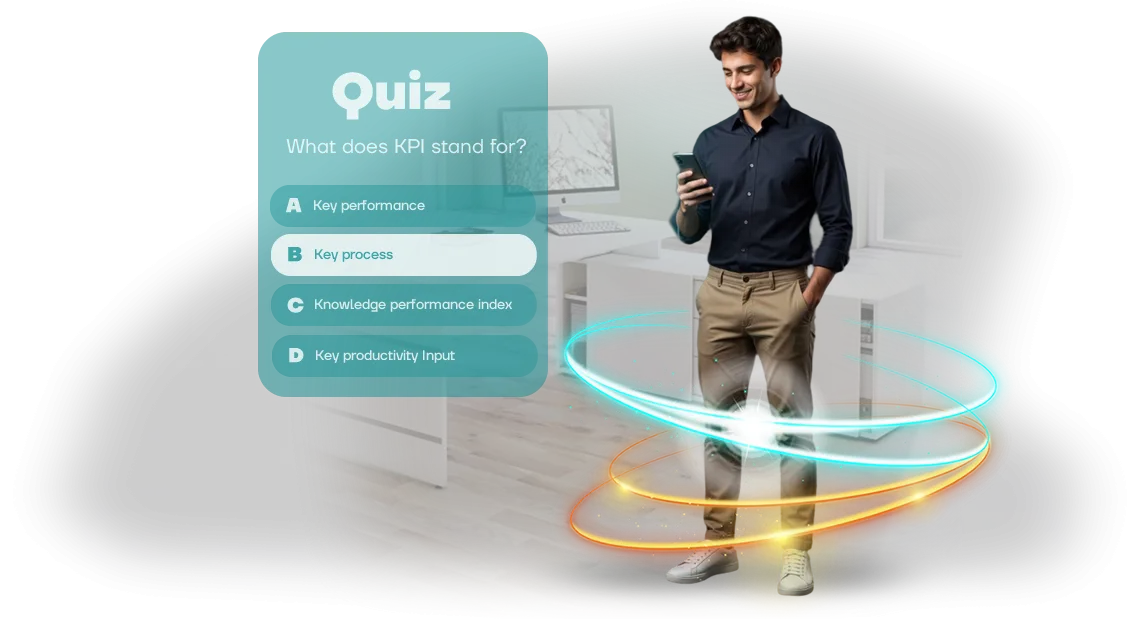
כדי להימנע מכך, צריך לא רק "לעבור על החומר" אלא לבנות כישורי עבודה בטוחים לאורך זמן. חידונים וסימולטורים מודרניים מאפשרים למתקינים לתרגל במצבים קרובים ככל האפשר למציאות ולראות מיד את ההשלכות של טעויות. הידע נקלט טוב יותר, והכשרת העובדים משתפרת מבלי להוציא אותם מהעבודה.
אנחנו מפתחים בדיוק פורמטים כאלה — חידוני תלת-ממד אינטראקטיביים המותאמים למשימות הייצור שלכם. הם עוזרים לסגור פערים בהכשרת מתקיני רשתות חשמל וצינורות גז, לשפר את בטיחות העבודה ולהפחית את מספר הטעויות בשטח. זו תרומה ברורה וניתנת למדידה לבטיחות וליעילות של הצוות שלכם.
מה פורמט ההכשרה המשחקי נותן לעובדים
התקנת רשתות חשמל וצינורות גז היא עבודה שבה טעות עולה יותר מדי. עובדים עוברים תדריכים רגילים "למראית עין" ושוכחים את החוקים במהירות.
למידה משחקית הופכת את ההכנה לתהליך מובן: העובד פותר משימות בעצמו וזוכר את האלגוריתם הנכון.
יתרון: מעורבות ללא כפייה
העובד לא דפדף במדריך אלא עובר שלבים, עונה על שאלות ומקבל תוצאות מיד. הצוות שלנו בונה תרחישים על מצבים אמיתיים של מתקינים — כך שהחידון מושלם בעניין, לא רק למראית עין. המנהל רואה את ההתקדמות של כל הצוות בחלון אחד.
יתרון: תרגול בטוח
במשחק אפשר לטעות מבלי לפגוע בבריאות או בציוד. העובד מתאמן על מקרים קרובים למציאות: בדיקת קו מנותק מחשמל, סדר פעולות, פעולות במצב חירום. תרגול זה מחזק את הרצף הנכון לפני היציאה לשטח.
יתרון: תקן הכשרה אחיד
כולם עוברים את אותה תוכנית ועונים על אותן שאלות — החברה מקבלת תקן מדיד משותף. התוצאות מראות מי למד את החומר ומי זקוק להכשרה נוספת. התוצאה: פחות טעויות בשטח ורמת בטיחות גבוהה יותר.
יתרון: קליטת עובדים חדשים בקלות
עובדים חדשים נקלטים מהר יותר: הם לומדים את הדרישות הבסיסיות בפורמט משחקי ללא השגחה ממושכת של חונך. המנהל רואה פערים לפני היציאה הראשונה לשטח ויש לו זמן לסגור אותם.
פורמטי חידון תלת-ממד להכשרת מתקינים
הכשרת מתקיני רשתות חשמל וצינורות גז דורשת תרגול, לא תיאוריה יבשה. לכן אין פורמט אוניברסלי: מתחיל צריך סימולטור מבוא עדין, עובדים קיימים צריכים בדיקת ידע קפדנית, וכדי לשמור על חדות — אלמנט תחרותי.
הבחירה הנכונה של הפורמט קובעת כמה מהר עובדים לומדים את החומר וכמה זמן הם זוכרים אותו.
להלן שלושה תרחישי חידון תלת-ממד בסיסיים שאנו מתאימים לפרטים שלכם: תקנים, רגולציות ומצבים אופייניים בשטח.
| פורמט | למי | מה הוא נותן ללקוח |
|---|---|---|
| סימולטור מבוא | מתקינים חדשים, חניכים | התמצאות מהירה בחוקים ובתהליכים ללא סיכון בשטח אמיתי; פחות טעויות בחודשים הראשונים לעבודה |
| מבחן | מתקינים קיימים, הסמכה מחדש | הערכת ידע אובייקטיבית, מאגר תוצאות אחיד למנהלים ולמשאבי אנוש, מעקב אוטומטי אחר השלמה |
| תחרות בין צוותים | צוותים ומחלקות | מעורבות עובדים, תחרות בריאה ומוטיבציה נוספת לחזור על החומר לפני בדיקה |
קל לשלב בין הפורמטים: למשל, קודם סימולטור לכולם, חודש אחר כך מבחן, ועד סוף הרבעון תחרות עם פרסים.
שילוב זה מכסה את כל מחזור ההכשרה ונותן לכם תמונה ברורה: מי מוכן לעבודה ומי זקוק להכנה נוספת.
כיצד מפתחים את חידון ההכשרה
בנינו את התהליך כך שבכל שלב אתם רואים תוצאות ויכולים להשפיע על העבודה. להלן השלבים העיקריים בפיתוח חידון הכשרה: מבריף ועד תמיכה לאחר ההשקה.
-
בריף והתעמקות במשימה. אנו אוספים מידע: אילו כישורים צריך לבדוק, מי הקהל שלכם ואיך העובדים רגילים ללמוד. אנו מגדירים מטרות הכשרה וקריטריוני הצלחה — למשל, הפחתת טעויות בשטח או האצת קליטת עובדים.
-
עיצוב תרחיש. אנו מפתחים את מבנה החידון: נושאים, מספר שאלות, שיטת ניקוד ומשוב. התרחיש מבוסס על מצבים אמיתיים של מתקינים — זה הופך את ההכשרה למעשית ולא מופשטת.
-
אישור תרחיש. אתם מקבלים מסמך מלא עם כל השאלות, אפשרויות התשובה והלוגיקה של חישוב התוצאות. אתם עורכים שינויים, מוסיפים מקרים משלכם — ורק אחרי ה"כן" שלכם אנו מתחילים בפיתוח.
-
יישום והרכבה. אנו יוצרים את החידון בכלי מקצועי, מעצבים ממשק ידידותי ומתאימים אותו למכשירים שבהם העובדים משתמשים. אנו מוסיפים את הסגנון הארגוני שלכם כך שההכשרה תרגיש חלק מהחברה שלכם.
-
בדיקות ותיקון תקלות. אנו בודקים את זרימת החידון בתרחישים שונים ומוודאים שהכל עובד ביציבות. אנו נותנים לכם גישת בדיקה כדי שתוכלו להעריך אישית את התוצאה לפני ההשקה.
-
השקת ההכשרה. אנו עוזרים להטמיע את החידון, מכינים הוראות לעובדים ועונים על שאלות בהתחלה. אתם מקבלים כלי עבודה ללא צורך להבין פרטים טכניים.
-
תמיכה לאחר ההשקה. אנו אוספים סטטיסטיקות השלמה ומראים היכן העובדים טועים הכי הרבה. כשהרגולציות משתנות או חומרים חדשים מופיעים, אנו מעדכנים שאלות ושולחים גרסה חדשה — הכל במסגרת התמיכה.
מה כלול במסירת חידון התלת-ממד
אתם מקבלים לא רק משחק אלא כלי הכשרה מוכן לשימוש שניתן להשיק בתוך הימים הראשונים לאחר המסירה.
כל החומרים מרוכזים בחבילה אחת ומותאמים לצורכי ההכשרה של מתקיני רשתות חשמל וצינורות גז — מהתרחיש ועד הוראות לצוות.
- תרחיש החידון ומאגר שאלות. חידון מוכן המבוסס על התקנים והרגולציות שלכם: העובדים עוברים נושאים ברצף הגיוני, ואתם לא מבזבזים זמן בבניית חומרים מאפס.
- מודלים תלת-ממדיים ואובייקטים וירטואליים. מצבים ריאליסטיים שמתקינים פוגשים בעבודה. העובד רואה את ההשלכות של טעויות בסביבה בטוחה וזוכר טוב יותר את רצף הפעולות הנכון.
- ממשק ניהול. אתם משנים שאלות, הגדרות קושי וחוקי השלמה בעצמכם ללא מעורבות מפתחים. אין צורך בידע מיוחד.
- חומרים מתודולוגיים. המלצות מפורטות למדריך: איך לנהל מפגש, לסקור טעויות ולחזק תוצאות. מתאים גם להכשרה בכיתה וגם ללימוד עצמי.
- הוראות למנהל מערכת. מדריכים ברורים שלב אחר שלב להפעלת החידון, הגדרת קבוצות ועבודה עם תוצאות.
- הכשרה למומחים שלכם. אנו מעבירים מפגש קצר עם הצוות האחראי על ההשקה. אחריו, העובדים שלכם משתמשים במערכת בביטחון ללא תמיכה מתמדת שלנו.
החבילה כוללת תמיכה לאחר ההשקה: אנו עונים על שאלות, עוזרים לעדכן תרחישים ולהרחיב את מאגר השאלות כשהדרישות משתנות. אתם שולטים בתהליך ההכשרה ורואים אילו נושאים העובדים שלטו היטב ואילו כדאי לחזור עליהם.
מקרה בוחן: איך קיצרנו את זמן ההכשרה ב-30%
מרכזי הכשרה למתקיני רשתות חשמל וצינורות גז מתמודדים עם נקודת כאב אופיינית: החומר נלמד, אבל עד המבחן התלמידים שוכחים חוקים מרכזיים. מבחנים חוזרים גוזלים זמן מדריך ותקציב, והמתקינים מאבדים מוטיבציה. פתרנו את הבעיה על ידי שינוי פורמט ההכשרה.
עבור מרכז ההכשרה EnergoProf פיתחנו חידון הכשרה המבוסס על מצבי עבודה אמיתיים. במקום סיכומים — שאלות רב-ברירה עם פירוט טעויות: התלמיד מבין מיד איזו פעולה נכונה ולמה.
ניתן לגשת אליו מכל מכשיר, כך שהתרגול מתרחש גם בהפסקות בין משמרות וגם ממש לפני המבחן.
מה הגישה הזו השיגה
זמן ההכנה למבחנים ירד ב-30%. החידון לא רק בודק ידע — הוא מחזק אלגוריתמי פעולה נכונים, כך שטעויות חוזרות מתרחשות פחות. כתוצאה מכך, ציוני המעבר עלו והתלמידים החלו לעבור את המבחן בניסיון הראשון.
מרכז ההכשרה שילב את החידון בתוכנית הסטנדרטית שלו ומשתמש בו לבדיקות ידע שוטפות. שלושה חודשים לאחר ההשקה, המרכז הזמין מודולים נוספים להכשרה מתקדמת של מתקינים מנוסים.
כלומר, הכלי השיג תוצאה עסקית ברורה וניתנת למדידה — פחות מבחנים חוזרים והסמכה מהירה יותר של מומחים מוסמכים.
שאלות נפוצות על הטמעת הכשרה משחקית
כל הכשרה חדשה היא צעד אל הלא נודע, במיוחד כשמדובר במתקיני רשתות חשמל וצינורות גז. לוחות זמנים צפופים, רמות ניסיון שונות ושיטות מוכרות מעוררים לא פעם ספקות: האם משחק לא יהיה נטל נוסף?
אספנו תשובות לשאלות שלקוחות שואלים הכי הרבה לפני הטמעת פורמט משחקי וטיפלנו בחששות המרכזיים.
האם המשחק יתאים לעובדים מנוסים?
כן, החידון בנוי כך שכל משתתף מקבל משימות ברמת הקושי שלו. מתקינים מנוסים בודקים את הידע שלהם במצבים לא שגרתיים ונזכרים בניואנסים, בעוד מתחילים מתרגלים חוקי בטיחות בסיסיים ומפות טכנולוגיות. ההתרגשות וההתקדמות הנראית לעין מניעים גם את אלה שסקפטיים לגבי הכשרה.
מה אם תתרחש תקלה טכנית במהלך מפגש?
אנו תומכים בהטמעה: עוזרים להגדיר ציוד ובודקים הכל לפני ההשקה. אם מתרחשת תקלה במהלך התהליך, המומחים שלנו מגיבים במהירות — ניתן להשהות את המפגש או לעבור לאפשרות גיבוי. אנו גם מספקים הוראה פשוטה כיצד להפעיל את החידון גם ללא תמיכה טכנית בשטח.
איך נשלב את החידון בלוח הזמנים הצפוף של המתקינים?
המשחק אורך 20 עד 40 דקות ואינו דורש שחרור של יום שלם. ניתן להפעיל אותו לפני משמרת, בהפסקת צהריים או כחלק מהסמכה מתוכננת.
אנו מתאימים את משך הזמן ואת רמת הקושי ללוח הזמנים שלכם, כך שההכשרה לא מפריעה למשימות הייצור ולא מוסיפה עומס לצוות.
במה הכשרה משחקית עדיפה על הרצאות ומבחנים רגילים?
במשחק, העובד רואה מיד את התוצאה של החלטותיו, מבין טעויות ומקבל משוב. זה מגביר באופן ניכר את המעורבות ואת שימור החומר.
במקביל, המנהל רואה תמונה אובייקטיבית: מי הבין את הנושא ולמי כדאי להקצות חזרה נוספת — ללא בדיקת מבחנים ידנית ודוחות ארוכים.
בואו נדון בפרויקט שלכם: השאירו פנייה
אנחנו מבינים: הכשרת מתקיני רשתות חשמל וצינורות גז היא משימה אחראית שבה טעויות עולות הרבה. חידון לא צריך להיות "רק מבחן" — הוא צריך לחזק היטב חוקי בטיחות ונהלים.
השאירו פנייה לפיתוח — ונציע פורמט שמתאים לצוות שלכם.
מה תקבלו לאחר הפנייה אלינו:
- ייעוץ על הפורמט: תרחיש, מבנה חידון, סוגי משימות — בהתאמה לרגולציות ולתקנים שלכם.
- הערכת לוחות זמנים ושלבי עבודה: הבנה מתי הגרסה המוגמרת תהיה מוכנה ואיך לשלב אותה בלוח ההכשרות.
- גרסת הדגמה של חידון ההכשרה על דוגמאות משלכם — כדי שתוכלו להעריך את הממשק והלוגיקה לפני פיתוח מלא.
- הצעת פורמט: סימולטור לא מקוון, חידון מקוון או אפליקציה לנייד — מותאם לפרטים שלכם.
- תוכנית הטמעה ותמיכה: איך אנו מוסרים את הפרויקט, מאמנים מנהלי מערכת ומספקים תמיכה לאחר ההשקה.
- הערכת עלות קבועה ללא עמלות נסתרות — אתם יודעים את עלות העבודה מראש.
אנו עובדים מרחוק וכבר סיפקנו עשרות פרויקטים לחברות שבהן בטיחות העובדים חשובה. השאירו פנייה — נחזור אליכם תוך יום עסקים אחד, נענה על שאלותיכם ונכין הצעה.
כתבו, התקשרו, שלחו את המפרט הטכני שלכם — בואו נתחיל לדון בפרויקט שלכם היום.
מה אם נצטרך תרחיש הכשרה לא סטנדרטי?
תרחיש לא סטנדרטי אינו חריג אלא משימה מוכרת עבורנו. כל חברה מאמנת את עובדיה אחרת: לחלק יש רגולציות מחמירות, לחלק תקני איכות מיוחדים, לחלק סיכונים ספציפיים.
לכן אנו בונים את החידון מלכתחילה כך שניתן יהיה להתאים אותו ללוגיקת ההכשרה שלכם, ולא להיפך.
מה המשמעות של התאמה בפועל? אנו משנים לא רק שאלות אלא גם את מבנה התרחיש: מציגים תפקידים, נקודות החלטה, מצבים ריאליסטיים שהעובדים שלכם פוגשים בפועל.
לדוגמה, עבור מתקיני רשתות חשמל וצינורות גז אלה אינם מבחנים מופשטים אלא פירוט של רגעי עבודה ספציפיים: חוקי בטיחות, פעולות במצב חירום, נהלי תיעוד.
החידון יכול להיראות כמו סימולציית משמרת שבה המומחה מקבל החלטות ורואה מיד את ההשלכות.
במקביל, אין צורך לבנות מחדש את כל תהליך ההכשרה שלכם. ההתאמה מובנית בפורמט עצמו: אנו לוקחים את החומרים, הרגולציות והמקרים שלכם והופכים אותם לתרחיש אינטראקטיבי.
אתם יכולים לשנות את תוכן החידון עבור קבוצות עובדים שונות, אזורים או רמות הכשרה — ללא פיתוח חדש.
גישה זו כבר עובדת עבור חברות עם התמחות צרה. יצרנו תרחישים לשירותים שבהם רצף הפעולות חשוב, לצוותים עם דרישות בטיחות גבוהות, לצוותי שטח.
בכל מקרה, החידון היה מדויק יותר ממבחן רגיל כי העובד לא רק בוחר תשובה אלא חווה מצב עבודה.
אז אם אתם צריכים תרחיש לא סטנדרטי — זה בסדר גמור. ספרו לנו איך ההכשרה עובדת בחברה שלכם, ונציע פורמט שמשתלב באופן טבעי בתהליך שלכם במקום לדרוש מכם לשנות את המערכת הקיימת.