

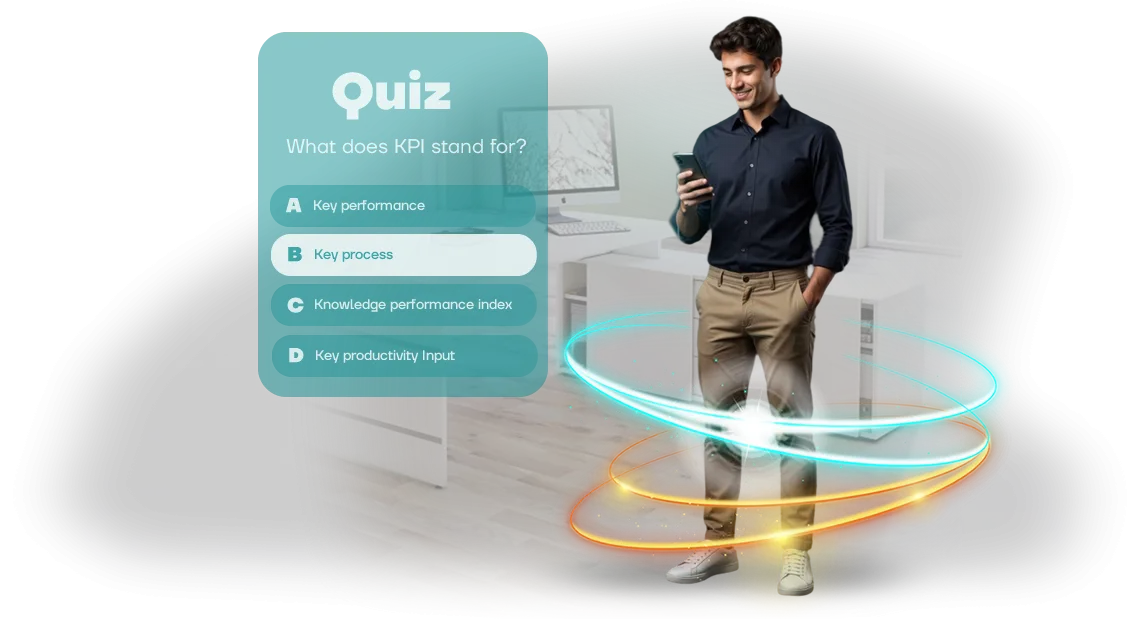
מדוע הכשרה נוכחית למתקיני ציוד ומכונות מאבדת כוח אדם
תחלופת עובדים בקרב מתקיני ציוד ומכונות אינה רק בעיית משאבי אנוש — היא איום ישיר על תוכניות הייצור. בזמן שעובד חדש מגיע לקצב הנדרש, החברה מפסידה זמן, חומרים והזמנות.
וכשמתקין מנוסה עוזב, הידע שלו עוזב איתו: הוראות ונהלים אינם מעבירים את הניואנסים שנצברו במשך שנים.
הכשרה תעשייתית קלאסית בנויה פעמים רבות על הרצאות ומבחנים. העובד מקשיב, רושם, עובר בחינה — וחודש לאחר מכן זוכר רק חלק קטן מהחומר.
כתוצאה מכך, כישורי העובדים נותרים פורמליים: יש היתר עבודה, אך אין פעולות בטוחות על ציוד אמיתי. האדם עושה טעויות, מקבל ביקורת, מאבד ביטחון — ומתחיל לחפש עבודה אחרת.
מומחים צעירים רגישים במיוחד לפורמט הזה. הם גדלו עם שירותים אינטראקטיביים ומצפים שההכשרה תהיה ויזואלית ומרתקת. כשבמקום זה מציעים להם שקופיות ורישומים, המוטיבציה צונחת עוד לפני שהם מגיעים לאולם הייצור.
החברה משקיעה כסף בגיוס ובקליטה, אבל מקבלת נשירת עובדים בשלב שבו ההשקעה עדיין לא החזירה את עצמה.
אנחנו סוגרים את הפער הזה בכך שהופכים את הכשרת מתקיני הציוד והמכונות לסימולטור מעשי. העובד מתמודד עם מצבים חריגים, מקבל החלטות ורואה את ההשלכות — ללא סיכון לציוד או לייצור.
הפורמט הזה שומר על תשומת הלב, בונה ביטחון ומפחית תחלופה, כי האדם מבין: כאן מלמדים אותו איך לעבוד, לא רק איך לסמן וי.
מה נותן חידון תלת-ממד למתקינים: צמיחה במעורבות ובידע
העובדים מתאמנים בפורמט משחקי שמרגיש כמו שינוי פעילות ולא כמו עומס נוסף. במקום הרצאות ארוכות והוראות — מפגשים אינטראקטיביים קצרים שבהם המתקין מקבל החלטות ומיד רואה את התוצאה. זה מגביר את מעורבות העובדים ובונה עניין מתמשך בפיתוח מקצועי.
חידון תלת-ממד מאפשר לדמות מצבי ייצור אמיתיים ללא סיכון לציוד או לאנשים. עובד חדש יכול לתרגל הגדרת מכונה או איתור תקלות באופן וירטואלי, בעוד שעובד מנוסה יכול לבחון את הידע שלו ולסגור פערים. ההכשרה הופכת לבטוחה וויזואלית, והידע נקלט מהר יותר.
באמצעות חזרות ואינטראקטיביות, החומר נשמר טוב יותר מאשר בצפייה פסיבית במצגות. ההתקדמות נראית מיד — גם לעובד וגם לממונה. זה עוזר לעקוב אחר צמיחת הכשירות של כל מתקין ולהתאים את התוכנית בזמן.
הכשרה בלי להוריד אנשים מהעבודה היא יתרון חשוב נוסף. אפשר להשלים את החידון ממש במשמרת, בהשקעה של 10–15 דקות ביום בלי לעצור את הייצור. החברה מקבלת צוות עם ידע עדכני במקום לבזבז זמן באיסוף אנשים לכיתה.
כתוצאה מכך, מספר הטעויות באולם הייצור יורד: המתקינים מכירים את הציוד טוב יותר, מוצאים תקלות מהר יותר ומייצרים פחות פסולת. עבור העסק, זה אומר איכות מוצר גבוהה יותר, פחות השבתות ופעילות יציבה של הקו.
פורמטים של חידונים ארגוניים: בחרו את זה שמתאים למשימה שלכם
כדאי לבחור פורמט חידון לא "למראית עין" אלא לתוצאה ספציפית: לבחון ידע, לחזק מיומנות או לתרגל אלגוריתם פעולה עד שהוא הופך לאוטומטי.
אפשר להציג את אותו חומר בדרכים שונות — מבדיקה מהירה ועד לטבילה מלאה במצב עבודה.
להלן שלושת הפורמטים המרכזיים שבהם אנו משתמשים בתוכניות הכשרה. הם נבדלים ברמת המעורבות, בעומק ההערכה ובאופן שבו העובד צובר ניסיון.
| פורמט | למי הוא מתאים | מה הוא נותן ללקוח |
|---|---|---|
| מבחן טקסטואלי עם שאלות ואפשרויות תשובה | הסמכה מהירה, בדיקת תאוריה אחרי הרצאה או תדריך | תוצאה ברורה: אחוז תשובות נכונות ורשימת נושאים לחזרה. עלות פיתוח מינימלית |
| חידון מולטימדיה עם תמונות, סרטונים, אודיו | הכשרת "שאלה-סיטואציה" כשחשוב לזהות ציוד או תהליך בחיים האמיתיים | העובד מתרגל קבלת החלטות על סמך רמזים אמיתיים — קול, מראה חלק, קריאת מכשירים. מעורבות וזיכרון גבוהים יותר |
| סימולציית תלת-ממד של מקום עבודה או מכונה | תרגול מיומנויות הגדרה, איתור תקלות, פעולות מסוכנות שבהן טעות עולה ביוקר | תרגול בטוח בתנאים קרובים ככל האפשר למציאות. העובד לומד מהטעויות שלו בלי השבתת ציוד או סיכון לייצור |
אם המטרה שלכם היא בדיקת ידע בתקנות, מבחן רגיל מספיק. כשאתם צריכים שהעובד יפעל בביטחון על מכונה אמיתית, יגדיר פרמטרים ללא טעויות ויתקן תקלות אופייניות — סימולציית תלת-ממד מספקת בדיוק את הניסיון הזה.
זה לא רק בידור: מכניקת החידון מעוצבת כך שכל תשובה מקרבת או מרחיקה את המתקין מהתוצאה הנכונה.
אנחנו לא נועלים אתכם לפורמט אחד. פעמים רבות האפקט הטוב ביותר מגיע משילוב: מבחן קצר לבקרת כניסה, תרחישי מולטימדיה ללימוד החומר, וסימולציית תלת-ממד סופית כמבחן.
כך אתם רואים את התמונה המלאה: מי יודע את התאוריה ומי באמת מוכן לעבוד על הציוד.
נעזור לכם לבחור את הפורמט המתאים למשימה שלכם — שלחו לנו תיאור של יעד הלמידה שלכם, ואנחנו נציע את האפשרות האופטימלית במסגרת התקציב ולוח הזמנים שלכם.
איך עובד פיתוח חידון: מבריף ועד השקה
אנחנו לא מתחילים בייצור עד שהמטרות והפורמט מסוכמים. לכן פיתוח החידון בנוי כתהליך שקוף: אתם משתתפים בנקודות מפתח, בעוד אנחנו מטפלים בניתוח, ביצירת החידון ובצד הטכני. להלן השלבים שכל פרויקט עובר.
-
בריף וניתוח משימה. אנו לומדים את התקנות, ההוראות ותרשימי התהליך שבהם משתמשים מתקיני ציוד ומכונות. אנו קובעים איזה ידע הוא קריטי ואיזה אפשר לפשט — כך שהחידון בודק בדיוק את מה שמשפיע על בטיחות ואיכות העבודה.
-
קונספט ותסריט. אנו מציעים את מבנה החידון: מספר שאלות, נושאים, רמות קושי והיגיון התקדמות. אנו מראים שאלות לדוגמה ואפשרויות תשובה כדי שתוכלו להעריך את הניסוח לפני תחילת ההרכבה.
-
בחינה ואישור. אתם עורכים תיקונים בשאלות ובתסריט, אנחנו מתקנים. אנחנו מסיימים את הגרסה — ורק אז עוברים ליישום טכני.
-
ייצור. אנחנו בונים את החידון על פלטפורמה מקצועית, מגדירים את הממשק, מוסיפים הסברים לתשובות ואלמנטים משחקיים: נקודות, התקדמות, תוצאה סופית. זה הופך את הכשרת המתקינים לויזואלית ובלתי נשכחת.
-
בדיקות והשקה. אנחנו בודקים פעולה תקינה במכשירים שונים, מתקנים בעיות ומוסרים את החידון המוגמר להטמעה בהכשרה הפנימית שלכם. אנו מספקים הוראה קצרה לעובדים כדי שההשקה תעבור חלק.
-
תמיכה לאחר ההשקה. אנו עוקבים אחר תוצאות השלמה, עוזרים לנתח טעויות אופייניות של מתקינים ומוסיפים שאלות חדשות לחידון. אם התקנות משתנות, אנו מעדכנים את התוכן כדי שההכשרה תישאר רלוונטית.
מה כלול במסירה: חבילת הכשרה מלאה
לאחר סיום הפרויקט, אתם מקבלים לא רק משחק אלא חבילת הכשרה מלאה למתקינים. מסירת החידון כוללת את כל מה שצריך כדי להשיק את ההכשרה, לעקוב אחר תוצאות ולעשות שימוש חוזר בחומרים — בלי תלות בקבלן.
- חידון תלת-ממד מוכן לאזור הייצור שלכם: התרחישים בנויים סביב מכונות אמיתיות, תקנות ומצבים אופייניים. העובדים מתאמנים על מה שהם פוגשים כל יום.
- חומרים מתודולוגיים: תסריט שיעור, מדריך למדריך, ניתוח טעויות. אפשר להשיק את ההכשרה מיד לאחר המסירה.
- דוחות ולוח בקרה אישי: אתם יכולים לראות מי השלים את החידון, כמה ניסיונות היו ואילו נושאים גורמים לקשיים. הנתונים מוכנים להסמכה.
- הזכויות לחידון ולתוכן: נשארות אצלכם. אתם יכולים להרחיב את החומרים לסניפים ולעדכן אותם למכונות חדשות.
- עורך שאלות: הטכנולוגים שלכם יכולים להוסיף מקרים בלי לערב קבלן.
- הכשרה לצוות שלכם: העברת ידע קצרה על אופן השימוש במערכת ועדכון החומר.
החבילה הזו מכסה את כל המחזור: מההשקה הראשונה ועד לניטור תוצאות ופיתוח התוכנית. אתם מקבלים כלי הכשרה עובד, לא דוח על עבודה שבוצעה.
מקרה בוחן: איך הגדלנו את מעורבות ההכשרה ב-60%
עבור חברת בניין מכונות שבה מתקיני מכונות עוברים הכשרת חובה, הבעיה המרכזית הייתה גישה פורמלית של "סימון וי": הצוות צפה בשקופיות אך לא יכול היה ליישם את הידע חודש לאחר מכן.
הפעלת הציוד יקרה, וטעויות של מתקינים מובילות להשבתות ופסולת. המנהלים הבינו: הם צריכים פורמט שיחזיק את תשומת הלב ויבחן הבנה אמיתית.
הצענו חידון תלת-ממד המשולב בקורס ההכשרה. במקום מבחן משעמם, העובד נכנס לסדנת עבודה וירטואלית שבה עליו להגדיר מכונה שלב אחר שלב, לבחור כלי עבודה ולאתר תקלות.
המשחק נראה כמו משימת עבודה אמיתית — כך שהוא מפעיל חשיבה מעשית במקום שינון מכני של תשובות.
תוצאות
עבור חברת «Techprom» השקנו את החידון הזה לשתי משמרות של מתקינים. תוך חודש המדדים השתנו: מעורבות ההכשרה עלתה ב-60%, וחלקם של העובדים שעברו הסמכה בניסיון הראשון עלה מ-54% ל-82%. זמן השלמת הקורס ירד בשליש — אנשים הפסיקו לצפות שוב ושוב בחומר.
והכי חשוב, התוצאה נראתה באולם הייצור: טעויות ההגדרה כמעט נחצו, והשבתות הציוד ירדו ברבע. ההכשרה כבר לא הייתה פורמליות: המתקינים עצמם ביקשו גישה לחידון כדי לחזור על החומר לפני הזמנות מורכבות.
אחרי החודשים הראשונים, הלקוח הזמין חידון שני לקו מכונות אחר והאריך את התמיכה לשנה. לפי מנהל הייצור, זו ההכשרה הראשונה שלא היה צריך "למכור" לעובדים.
איך לבחור פורמט חידון להכשרה ותרגול מיומנויות?
פורמט החידון הנכון אינו בידור לשמו אלא כלי שעובד למען המטרה שלכם. אם המטרה היא בדיקה מהירה של ידע בהוראות, מבחן אמריקאי קל יספיק.
אם אתם צריכים לתרגל פעולות אמיתיות על ציוד, עדיף לבחור מאמן אינטראקטיבי עם סצנת תלת-ממד שבה העובד מקבל החלטות ורואה את ההשלכות.
לפני הבחירה, כדאי לענות על שלוש שאלות: מה אמור להשתנות בהתנהגות העובד לאחר ההכשרה, כמה זמן זמין להשלמה, וכיצד תעריכו את התוצאה.
חידון ארגוני מניב תוצאות מדידות: שיעורי תשובות נכונות גבוהים יותר, פחות טעויות, זמן תגובה מהיר יותר. אבל המספרים האלה מופיעים רק כשהפורמט מתאים לגיל הקהל, לרמת המיומנות ולמאפייני המכונות.
לכן אנחנו לא "מוכרים" סוג חידון אחד אלא מתאימים אותו לאזור ייצור ספציפי.
אנחנו עוזרים לכם לבחור חידון שמתאים לתקציב ולמשימה שלכם. לשם כך, אנו בוחנים את התוכן: אילו פעולות צריך להגדיר, אילו טעויות אופייניות קורות בקרב הצוות, ועד כמה התהליך מורכב.
על סמך זה, אנו מציעים פורמט — ממבחנים פשוטים עם הסברים ועד סימולציית תלת-ממד מלאה של מקום העבודה. המפתח הוא שהעובדים ימצאו את ההכשרה מעניינת ולא "ילחצו" דרך שקופיות משעממות.
כך אתם מקבלים לא "חידון" מופשט אלא כלי עבודה שמראה תוצאות במהירות בצורה של פחות טעויות והגדרת מכונות מהירה יותר.
צרו קשר — יחד נבחר חידון שפותר את המשימה שלכם ומתאים ללוח הזמנים שלכם.
שאלות נפוצות על פיתוח והטמעת חידונים
לקוחות רבים מטילים ספק בכך שמשחק למידה יכול להיות מעשי. במציאות, חידון למתקיני ציוד ומכונות פותר בעיה ספציפית: הוא מחזק ידע בלי להפריע לייצור ומראה מי באמת שלט בחומר.
הפורמט המשחקי מפחית מתח ומגביר מעורבות, כך שהעובדים משלימים את ההכשרה ברצון רב יותר וזוכרים את התקנות טוב יותר.
להלן תשובות לשאלות אופייניות לפני תחילת פרויקט.
כמה זמן לוקח פיתוח חידון?
פרויקט טיפוסי אורך 3 עד 6 שבועות: איסוף דרישות, אב טיפוס, אישור, השקה. לוח הזמנים המדויק נקבע בתוכנית העבודה לאחר הדיון הראשון.
האם קשה לשלב את החידון בהכשרה הקיימת?
לא. הוא רץ על מחשבים או טאבלטים רגילים ועובד באופן עצמאי או לצד התוכנית הקיימת. אין צורך לשנות תקנות — נעזור עם גישה ודיווח per-employee. אתם מקבלים תוצאות בפורמט נוח בלי בדיקה ידנית ובלי בזבוז זמן.
מהן הדרישות הטכניות לעובדים?
מחשב או טאבלט רגיל מספיקים; אין צורך בציוד מיוחד. אנחנו עובדים על הפלטפורמה המקצועית Unity — זה מבטיח השקות יציבות במכשירים שונים וממשק אינטואיטיבי שכל עובד יכול להתמודד איתו.
מה נדרש מהלקוח?
ראיון קצר אחד בתחילת הדרך ופגישות לבחינת השאלות. הפיתוח, הבדיקות וההשקה הם לגמרי עלינו.
מה אם התוצאה לא מספקת?
לפני ההשקה, אנחנו בודקים את החידון על קבוצה קטנה ומתקנים. לאחר הפריסה, אנחנו תומכים בפרויקט: מעדכנים שאלות בהתאם לתקנות חדשות ומתקנים במהירות כל משוב.
הזמינו חידון ארגוני וקבלו הכשרה בלי שעמום
זוכרים איך עובדים מפהקים בתדריכי בטיחות ושוכחים חצי מהחומר תוך שבוע? עם הכשרת מתקינים זה קורה כל הזמן: תקנות קיימות, אבל מיומנויות אמיתיות לא.
חידון ארגוני פותר את הבעיה הזו — הוא הופך תאוריה משעממת למשחק שבו העובדים באמת רוצים להבין איך המכונות עובדות במקום רק לשבת שעות.
אנחנו מציעים לפתח חידון תלת-ממד שישתלב במערכת ההכשרה שלכם. זה לא מבחן אמריקאי אלא סימולטור אינטראקטיבי מלא: המתקין רואה את המכונה, מוצא את הרכיבים, עונה על שאלות ומקבל משוב מיידי. התוצאה — מעורבות גבוהה יותר ופחות טעויות בעבודה.
השאירו בקשה לפיתוח חידון — ונקיים ייעוץ, נציג הדגמה ונסביר את ההבטחות שלנו. אתם מקבלים:
- הכשרה בלי שעמום. העובדים משלימים את החידון כמשחק, לא כחובה.
- בקרת ידע ברורה. הממונה רואה מי שלט בחומר ומי צריך הכנה נוספת.
- השקה מהירה. אנחנו מסכמים תוכנית, בונים אב טיפוס ומשיקים את החידון במסגרת זמן קצרה.
- עבודה על בסיס החומר שלכם. שאלות ותרחישים נכתבים מהתקנות וההוראות שלכם.
- תוצאה מובטחת. אנחנו משפרים את המשוב עד שהחידון עובד בדיוק כמו שאתם צריכים.
קחו את הצעד הראשון — שלחו בקשה. נגיב תוך יום עסקים אחד, נציג דוגמאות ונציע פתרון למשימה ולתקציב שלכם. התחילו בייעוץ — ותראו איך הכשרה יכולה להביא גם הנאה וגם ערך בו זמנית.