

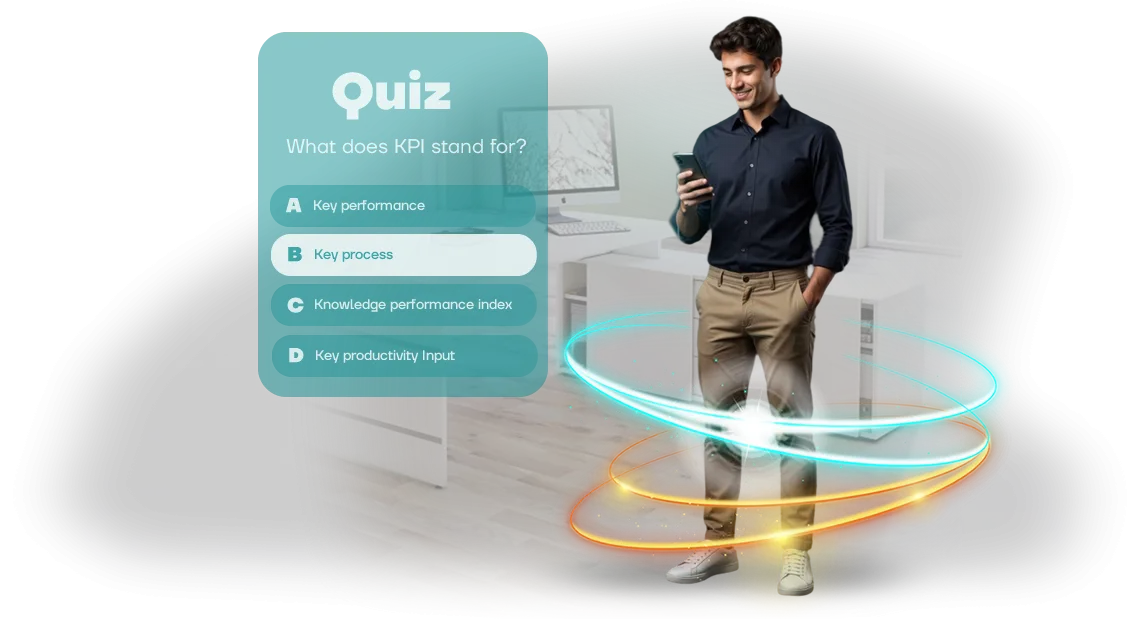
מפעילי מוקד טלפוני עושים טעויות — האם ההדרכה לא עובדת?
מפעילי מוקד טלפוני הם הקול של החברה שכל לקוח שומע. טעות בתשובה, טון לא נכון או הפסקה מיותרת הורסים אמון.
לקוח לא מרוצה עובר למתחרים, והחוויה השלילית שלו מתפשטת דרך ביקורות ורשתות חברתיות לעשרות אנשים. כל טעות כזו היא אובדן כסף ומוניטין שקשה מאוד לשקם.
טעויות מערכתיות יקרות במיוחד: חוסר ידע במוצר, בלבול בתסריטים, חוסר יכולת לטפל בהתנגדויות. הן חוזרות על עצמן יום אחרי יום, ומגדילות את מספר השיחות החוזרות והתלונות.
גיוס לקוח חדש עולה פי כמה וכמה יותר מאשר שימור לקוח קיים, ולכן איכות השירות קובעת ישירות את ההכנסות. מפעיל שעושה טעויות פוגע בעבודה של כל מחלקת המכירות.
הדרכה קלאסית לא יכולה להתמודד עם משימות כאלה. הרצאות, הוראות ומבחנים נזכרים רק עד למבחן, ובתוך שבוע המפעיל פועל מתוך הרגל. בשיחת לחץ הם מתבלבלים, שוכחים את הכללים ועושים את אותן טעויות כמו לפני ההדרכה.
הבעיה היא לא העובדים — פשוט לא נותנים להם מספיק תרגול ומשוב המבוסס על מצבים אמיתיים.
כדי לקבע מיומנות, יש צורך בהדרכה בתרחישים אמיתיים. זה בדיוק מה ששאלון תלת-ממד מספק: המפעיל נכנס לדיאלוגים וירטואליים עם לקוחות שונים, מקבל החלטות ומיד רואה את ההשלכות שלהן.
טעויות נעשות בסביבה בטוחה, ופעולות נכונות הופכות לאוטומטיות. פורמט זה מחזק מעורבות רגשית, כך שהידע נשמר לאורך זמן ומתבטא בעבודה ללא שינון הוראות.
אנחנו מפתחים שאלוני הדרכה לצרכים הספציפיים של המוקד שלכם — עם התסריטים, המוצרים והמקרים האמיתיים שלכם. כתוצאה מכך, מפעילים עושים פחות טעויות, מטפלים בפניות מהר יותר, ואיכות השירות הופכת לצפויה.
יעילות ההדרכה נמדדת לא לפי ציונים אלא לפי ירידה בקונפליקטים, שיחות חוזרות ותחלופת עובדים. זה עונה על הצורך העסקי בהדרכת עובדים אמינה וניתנת למדידה.
מה מקבלים משאלון הדרכה: 5 יתרונות מרכזיים
קליטה מהירה יותר של עובדים חדשים
הצוות שלנו מפתח שאלוני הדרכה שמאיצים את קליטת המפעילים החדשים ב-30–40%. במקום הרצאות ומבחנים — שאלון עם עלילה וגיימיפיקציה: הידע נקלט דרך תרגול, לא שינון. כל מודול מכסה תרחישי שירות ספציפיים.
שיפור מיומנויות בלי לבזבז זמן עבודה
הדרכה מבוססת משחק משפרת יכולות ממש במקום העבודה. עובד משלים סיבובים קצרים של 10–15 דקות ביום ולומד נושאים מורכבים: לקוחות קשים, מכירות, מוצרים חדשים. אין צורך לעצור את זרימת העבודה או למשוך את הצוות להדרכות ארוכות.
נאמנות עובדים מוגברת
השאלון הופך שגרה למשחק, וזה משפיע ישירות על שימור עובדים. מפעילים נשארים יותר ברצון בחברה שבה ההדרכה מעניינת ואפשר להשוות הישגים עם עמיתים ולקבל תגמולים. בחברות שמשתמשות בגיימיפיקציה, התחלופה יורדת ב-20–30%.
פחות טעויות ואיכות שירות טובה יותר
שאלונים קבועים מקבעים תשובות נכונות ברמת הרגל. טעויות המפעילים פוחתות, ואיכות השירות משתפרת — זה נראה בנתוני ניטור שיחות ובהערכות של לקוחות סמויים. פחות טעויות משמעותן פחות קונפליקטים והחזרות.
השפעה על NPS וצמיחת הכנסות
עובד מיומן ומעורב נותן ללקוחות יותר רגשות חיוביים. זה מעלה את מדד הנאמנות NPS ואת ערך ההזמנה הממוצע — לקוחות חוזרים יותר וקונים יותר. תוך 2–3 חודשים מהשקת השאלון, חברות רואות צמיחה מדידה במדדים עסקיים מרכזיים.
פורמטים של שאלונים למפעילי מוקד: טבלת השוואה
מפעילי מוקד נשחקים מהר מהדרכה מונוטונית: תסריטים, תקנות, סטנדרטים. אם הפורמט משעמם, הידע לא מתקבע, וטעויות בדיאלוגים עולות באמון הלקוחות. גיימיפיקציה דרך שאלונים מאיצה שינון, אבל לכל פורמט יש מטרה משלו.
השוואת פורמטים
| פורמט | למי הוא מיועד | מה הוא נותן ללקוח |
|---|---|---|
| שאלון טקסט | כשצריך לבדוק במהירות ידע בתסריטים ומסמכים רגולטוריים | השקה מהירה, סטטיסטיקה ברורה לכל עובד, חסם כניסה נמוך ליישום |
| שאלון 2D אינטראקטיבי | לצוותים שבהם דינמיקה ותחרות בריאה חשובות | מעורבות גבוהה יותר בהדרכה, משוב מיידי, תרגול בנושאים מורכבים |
| שאלון 3D | לתרגול דיאלוגים אמיתיים ומצבים לא סטנדרטיים | שקיעה מלאה בתרחישים, אימון תגובות ומיומנויות תקשורת, שימור ידע מקסימלי |
אנחנו מפתחים את כל שלושת הפורמטים כדי להתאים למשימות של המוקד שלכם. אם המטרה היא בקרת ידע מהירה, שאלון טקסט מספיק; אם צריך לשנות את היחס של העובדים להדרכה ולהשיג מיומנויות לאורך זמן, בחרו בשאלון 3D. נעזור לכם לבחור פורמט שמתאים לתקציב וליעדי הלמידה שלכם.
איך עובד פיתוח השאלון: שלבי הפרויקט
למפעילי מוקד, הדרכה היא לא רק ידע אלא גם תרגול מיומנויות בתנאים קרובים למציאות. כדי שהתוצאה תהיה צפויה, אנחנו מבנים את העבודה בשקיפות: אתם רואים באיזה שלב נמצא הפרויקט, מה כבר נעשה ומה הלאה. להלן מחזור פיתוח שאלון טיפוסי.
- בריף וניתוח משימה. אנחנו צוללים לפרטים של המוקד שלכם, מזהים טעויות אופייניות של מפעילים ומגדירים יעדי הדרכה.
- תסריט ושאלות. יחד עם המומחים שלכם, אנחנו אוספים מקרים אמיתיים והופכים אותם לשאלות שאלון — בלי תיאוריה מופשטת.
- אישור אב-טיפוס. אנחנו מציגים את המבנה, ההיגיון והעיצוב של השאלון לפני הפיתוח — שינויים בשלב זה נעשים במהירות.
- פיתוח ותוכן. אנחנו בונים את השאלון באמצעות כלי מקצועי, מתאימים אותו לסגנון הארגוני שלכם ומוסיפים משוב מיידי לכל תשובה.
- בדיקות. אנחנו בודקים את השאלון עם קבוצת מפעילים כדי לוודא שהשאלות ברורות והתוצאות מדויקות.
- השקה ותמיכה. אנחנו פורסים את השאלון במערכת שלכם, מאמנים מנהלים ומתחזקים ומעדכנים את התוכן.
גישה זו נותנת לכם שליטה בכל שלב: אתם רואים מראש מה יסופק ויכולים להשפיע על התוצאה. אנחנו עובדים מרחוק, כך שההשקה אפשרית לחברה בכל עיר — בלי נסיעות או השבתה.
מה כלול במסירה: ערכה להפעלת השאלון
במקום קבצים מפוזרים והוראות שאבדו, אתם מקבלים חבילה מוכנה לשימוש להפעלת הדרכת עובדים. אנחנו מספקים הכל כסט אחד שלם: מהשאלון עצמו ועד חומרים מתודולוגיים ופאנל ניהול. כל מה שנשאר לכם הוא לקבוע את תאריך ההתחלה.
הנה מה שכלול:
-
שאלון 3D מלא להדרכת מפעילי מוקד. זה לא תבנית אלא משחק הבנוי סביב התרחיש שלכם: השאלות שלכם, חוקים, רמות קושי וסגנון ארגוני. עובדים יכולים להשלים אותו במחשב או בטאבלט ללא התקנת תוכנה נוספת.
-
פאנל ניהול. דרכו תוכלו לשנות באופן עצמאי שאלות, מועדים, להוסיף עובדים חדשים ולראות את ההתקדמות של כל אדם. אין צורך במתכנתים כדי לעבוד עם הפאנל — הממשק ברור למנהל משאבי אנוש ולמנהל.
-
מדריך מתודולוגי לצוות ההדרכה. הוא מתאר כיצד להשיק את השאלון, אפשרויות לשילובו בתוכנית קליטה קיימת וקריטריונים להערכת תוצאות. אתם יודעים איך לפרש את תשובות המפעילים ואילו פעולות לנקוט לאחר הסיום.
-
הוראות משתמש. מדריכים קצרים למפעילים: איך לגשת למשחק, כמה ניסיונות זמינים והיכן לצפות בתוצאות שלהם. זה מסיר את רוב השאלות ביום הראשון ולא מעמיס על צוות התמיכה שלכם.
-
דוחות הדרכה. טבלאות סיכום לכל עובד וקבוצה: מי השלים את השאלון, כמה זמן זה לקח ואילו שאלות גרמו לקשיים. על סמך נתונים אלה, אתם מתאימים את תוכנית ההדרכה ורואים את רמת המיומנות בפועל של הצוות.
-
חומרים להפעלות חוזרות. מאגר שאלות ותבניות תרחישים — תוכלו לעדכן את השאלון לתקנות חדשות ללא מעורבות מפתחים. פשוט העלו שינויים לפאנל הניהול.
-
הדרכה לצוות שלכם. אנחנו מראים לכם איך להעלות עובדים, ליצור דוחות ולשנות הגדרות. ההשקה הראשונה מתבצעת תחת הפיקוח שלנו כדי שתרגישו בטוחים.
החבילה כולה מסופקת עם גישה לפאנל הניהול ותמיכה טכנית בתקופת ההשקה. אתם מקבלים לא רק משחק אלא כלי הדרכה עובד שהצוות שלכם יכול להשתמש בו באופן עצמאי — בלי לפנות כל הזמן למפתחים.
מקרה בוחן: דיוק התשובות השתפר ב-27% לאחר הטמעת השאלון
הלקוח — מפעיל תקשורת שהמוקד שלו משרת מאות אלפי מנויים.
נאמנות הלקוחות הייתה תלויה ישירות במהירות ובדיוק התשובות של המפעילים, והבעיה הייתה טיפוסית: הוראות ארוכות, מבחנים משעממים ועובדים חדשים שהולכים לאיבוד במצבים לא סטנדרטיים. איכות השירות סבלה, ההכשרה מחדש ארכה שבועות ותחלופת העובדים גדלה.
מה עשינו
פיתחנו שאלון אינטראקטיבי בפורמט משחק — מפעילים, בתפקיד עובדי החברה, עברו דיאלוגים עם מנויים וירטואליים, בחרו תשובות נכונות ומיד ראו הסבר על הטעויות שלהם.
ההדרכה הפכה לתחרות עם נקודות ודירוג קבוצתי: תחרות בריאה הופעלה במקום שינון מדריכים.
תוצאות
בשלושה שבועות, 30 מפעילים השלימו את הקורס. דיוק התשובות עלה ב-27% — אושר על ידי ניטור שיחות וביקורות איכות. זמן ההכנה של עובדים חדשים קוצץ בחצי: עובדים נקלטו מהר יותר וענו על שאלות מורכבות של מנויים בביטחון רב יותר.
מנהל המוקד ציין: "בעבר שגיאות התרחשו באחת מכל שלוש שיחות; עכשיו הן מתרחשות באחת מעשר. זה מורגש ללקוחות שלנו ומקור לגאווה לצוות."
בגלל ההצלחה, הלקוח הזמין מאיתנו את הקורס הבא — על טיפול בתלונות ומנויים קשים. השאלון הפך לחלק מההדרכה השוטפת, ובנינו שותפות ארוכת טווח.
איך לבחור את פורמט השאלון המתאים למשימה שלכם?
פורמט השאלון תלוי ישירות במשימה שאתם פותרים: בדיקת ידע בתסריטים, תרגול תגובות לדיאלוגים מורכבים או אגרסיביים, או הכשרה מהירה של עובדים חדשים.
למפעילי מוקד, חשוב לא רק לשנן מידע אלא ליישם אותו בתקשורת חיה עם לקוחות.
לכן, אנחנו קודם כל מנתחים את המשימה שלכם, את רמת המיומנות של הצוות ואת תרחישי ההדרכה הנוכחיים, ורק אז מציעים פורמט ספציפי — ממבחנים פשוטים ועד שאלוני 3D עם שקיעה במצבי עבודה אמיתיים.
כל פורמט פותר בעיה משלו. אם צריך לבדוק במהירות ידע במוצר או להכשיר חדשים, שאלון קצר עם אפשרויות תשובה והסברים מספיק.
אם המטרה היא לתרגל דיאלוגים מורכבים וללמד עובדים לטפל בביטחון במצבים לא סטנדרטיים, שאלון 3D עם סימולציית שיחה מלאה וקבלת החלטות בדיאלוג עובד טוב יותר.
גישה זו מאפשרת למפעילים לעשות טעויות בסביבה בטוחה תוך תחושת אחריות אמיתית על כל החלטה.
אנחנו בוחרים פורמט על סמך התקציב, לוחות הזמנים והאילוצים הטכניים שלכם, ולא כופים את המשימה לתוך תבנית מוכנה. חשוב גם איך העובדים יעברו את השאלון: בדפדפן, באפליקציה או ישירות בתוך ה-CRM העבודה שלכם.
זה מסיר חיכוך מיותר ומאפשר למידה במקום שנוח, בלי להפריע לזרימת העבודה. בסופו של דבר, אתם מקבלים כלי שמשתלב במערכת ההדרכה הקיימת שלכם ולא דורש תקופת הסתגלות ארוכה.
אם אתם לא בטוחים איזו אפשרות מתאימה לכם, בואו נתחיל עם בריף קצר: ננתח את הפרטים של הלקוחות שלכם, את האתגרים האופייניים של המפעילים ואת הציפיות שלכם מהתוצאה.
על סמך זה, נציע פורמט קונקרטי שפותר את הבעיה שלכם — לא רק "עוד הדרכה" ברשימה.
שאלות נפוצות: חששות ואיך אנחנו מטפלים בהם
כל פורמט הדרכה חדש מעלה שאלות: האם העובדים יקבלו אותו, האם הוא מורכב מדי, ואילו ערבויות אתם מקבלים. אנחנו מטפלים בהתנגדויות העיקריות של מנהלי מוקדים.
העובדים לא ירצו לעבור את השאלון — איך נניע אותם?
השאלון בנוי על מכניקת משחק: נקודות, דירוגים והתקדמות נראית לעין מערבים מפעילים מיד. זה הופך הדרכה לתחרות וולונטרית ולא למשימה כפויה. אנחנו עוזרים לשלב אותו בחונכות כדי לחזק את התוצאה.
זה לא מסובך לצוות שלנו ויקר?
כל העבודה הטכנית עלינו — אתם לא צריכים מתכנתים. אתם מספקים תסריטים ותקנות, ואנחנו הופכים אותם לתרחישים אינטראקטיביים. מפעיל צריך רק 10–15 דקות ביום. ההדרכה מחזירה את עצמה מהר יותר מקורסים קלאסיים על ידי הפחתת זמן הקליטה והטעויות.
מה אם השאלון לא מתאים לתהליכים שלנו?
אנחנו מתחילים בבדיקת ההוראות שלכם וטעויות המפעילים האופייניות — השאלון משקף את המצב הספציפי שלכם. אנחנו מציגים גרסת ניסיון, מבצעים שינויים ואתם מאשרים את הגרסה הסופית.
אילו ערבויות איכות אתם מספקים?
אנחנו מסכמים על מדדים ברורים: מהירות טיפול, מספר שגיאות ותוצאות בדיקות. אנחנו מספקים דוחות והמלצות. תמיכה ועדכוני שאלות כלולים בחבילת השירות.
בדקו את הפורמט על קבוצת מפעילים אחת — זה יראה את האפקט בסביבה שלכם ויאפשר לכם להרחיב את הפתרון ללא סיכון.מוכנים לשפר את יעילות ההדרכה? השאירו פנייה
הדרכת מפעילי מוקד היא לא רק עלות התוכנית אלא גם זמן שהעובדים מבלים הרחק ממשימות העבודה. אם החומר מוצג בצורה משעממת, הידע דוהה מהר, וטעויות בתקשורת עם לקוחות חוזרות.
שאלון 3D אינטראקטיבי הופך הדרכה לתרגול מרתק: מפעילים זוכרים תרחישי דיאלוג ואלגוריתמי פעולה בצורת משחק, והתוצאות נראות מיד.
לאחר ייעוץ, תקבלו תשובות ספציפיות המותאמות למשימה שלכם. נסביר איך לבנות שאלון שמשתלב בהדרכת כוח האדם הנוכחית שלכם ופותר בדיוק את הבעיות העסקיות שלכם.
מה תקבלו בפנייה אלינו:
- פיתוח שאלון על בסיס התרחישים שלכם — מצבי משחק משקפים פניות לקוחות אמיתיות ומלמדים תגובות נכונות.
- מעורבות עובדים — האלמנט התחרותי וההתקדמות הנראית לעין מניעים אנשים לסיים.
- אינטגרציה קלה — השתמשו בשאלון ב-LMS שלכם או במפגשי הדרכה פרונטליים.
- אנליטיקת תוצאות — אתם רואים היכן מפעילים עושים טעויות ומתאימים את ההדרכה בהתאם.
- תמיכה בכל שלב — מהגדרת המשימה ועד ההשקה והתמיכה השוטפת.
- יכולת עדכון תוכן — השאלון מתפתח יחד עם המוצר והתקנות שלכם.
השאירו פנייה לייעוץ — נדון כיצד פיתוח שאלון יכול לשפר את יעילות הדרכת המפעילים שלכם. נמליץ על הפורמט המתאים לכם ונציע תוכנית פעולה בלי לבזבז את זמנכם.