

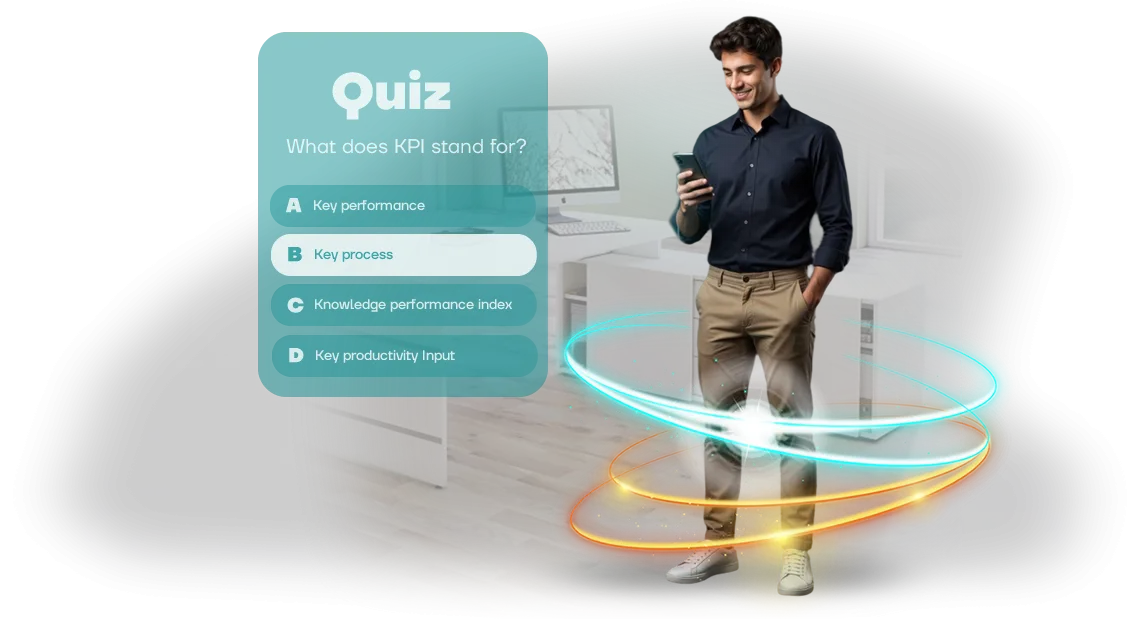
מדוע אימוני משטרה לא עובדים ללא פורמטים של משחק?
אימוני משטרה פורמליים הופכים פעמים רבות לפורמליות גרידא: הרצאות, מצגות ומבחני הערכה. עובדים יושבים שעות, אבל שבוע לאחר מכן הם זוכרים רק חלק קטן מהחומר.
במצב אמיתי שבו נדרשת פעולה מהירה, הם מסתמכים על הרגל וניסיון של עמיתים ותיקים ולא על ההוראות שלמדו.
הבעיה עם אימונים קלאסיים היא שהם לא יוצרים מעורבות רגשית. מבוגר זוכר רק מה שעבר דרך חוויה אישית ועורר תגובה.
קהל המשטרה סקפטי כפליים לגבי תיאוריה — יש להם ניסיון מעשי קשה מאחוריהם, ומילים ריקות לא זוכות לאמון. הקשבה פסיבית לא משאירה עקבות: הידע נשאר בהערות ולא בראש, במיוחד כשמדובר באלגוריתמי פעולה מורכבים.
למידה מבוססת משחק הופכת חומר לפעולה. דמיינו: במקום שקופיות — תרחיש שבו כל תשובה משפיעה על אופן התפתחות המצב. חידון אימון או משימת תלת-ממד מציגים לעובד בחירה כיצד לפעול במצב ספציפי.
כל טעות מודגשת ומוסברת; הפתרון הנכון מתחזק וחוזר על עצמו. פורמט זה בונה מיומנויות קבלת החלטות בתנאים קרובים לשירות אמיתי.
עבור שוטרים, זה מספק מעורבות כוח אדם, עניין תחרותי ויכולת להתאמן ללא סיכון לסובבים אותם. מפקחים מקבלים תוצאה מדידה: שימור עמוק יותר של החומר ושליטה מהירה יותר במיומנויות.
למידה מבוססת משחק יעילה במיוחד עבור פרוצדורות מעצר, תקשורת עם אזרחים ומצבי לחץ שבהם טעויות אינן מקובלות.
אנחנו מפתחים חידוני אימון ומשימות תלת-ממד עבור רשויות אכיפת חוק כבר למעלה מעשר שנים. זה לא תוכן בידורי אלא כלי שמשתלב בתוכנית האימון ומשפר את יעילותה באופן מדיד. אם העובדים שלכם מפהקים בהרצאות, בואו נדבר על איך פורמט משחק יכול לשנות את זה.
גיימיפיקציה של אימון: 5 יתרונות מרכזיים למעסיקים
אנשי ביטחון רגילים למשמעת קפדנית, אבל הרצאות קלאסיות לא מספקות את התוצאות הנדרשות. גיימיפיקציה משנה את היחס לאימון: עובדים מתערבים בתהליך בעצמם, והמעסיק מקבל צמיחה מדידה בכשירות.
אנחנו יוצרים חידוני אימון על מנוע משחק מקצועי — הם יעילים עבור משטרה, מאבטחים ושירותים נלווים.
1. צמיחת כשירות ללא הפרעה לשירות
החידון מציג חומר בצורה של מצבים אמיתיים — מהליכי חיפוש ועד תגובה לעימות. העובד מתרגל אלגוריתמים בסביבה בטוחה ורואה בבירור את הטעויות שלו. הידע מתחזק מהר יותר מאשר בבדיקות סטנדרטיות.
2. הערכת ידע אובייקטיבית
המעסיק מקבל מספרים עבור כל עובד: כמה שאלות נענו, היכן הטעויות ואילו נושאים מפגרים. זה מאפשר התאמות ממוקדות לתוכנית וראייה של רמת האימון בפועל במקום דיווח עצמי. המערכת עצמה בונה דירוג ומסמנת את אלה שזקוקים לאימון נוסף.
3. מוטיבציה ורוח תחרותית בריאה
פורמט תחרותי עם נקודות ורמות הופך לימוד חובה לתהליך מרתק. עובדים שואפים בעצמם להשלים את החידון עם ציון מקסימלי, וההנהלה מקבלת צוות שרוצה ללמוד. זה חשוב במיוחד לאנשי מקצוע צעירים.
4. תקן אחיד לכל המחלקות
אותו בסיס שאלות ותרחישים משמש בכל המחלקות והסניפים. מחלקת האימון מקבלת ערובה שגם חדשים וגם עובדים מנוסים סופגים את אותן דרישות. הסמכה הופכת לשקופה ואובייקטיבית עבור ההנהלה.
5. חיסכון בזמן ובמשאבים
בדיקת מבחנים וסקירת שגיאות מתרחשות אוטומטית; מדריכים משוחררים מעבודה שגרתית. עובדים משלימים אימון בזמן נוח — בזמן משמרת או אחרי משמרת. עלויות לאימונים פרונטליים יורדות בעוד איכות האימון עולה.
פורמטים של אימון משטרתי: מתיאוריה לפרקטיקה וירטואלית
אימון אנשי ביטחון אינו רק העברת ידע אלא פיתוח אלגוריתמי פעולה למצבי לחץ. הרצאות קלאסיות עוזרות לספוג תיאוריה אבל לא יוצרות מיומנויות מתמשכות.
לכן אנחנו משתמשים בפורמטים שונים של חידונים: ממבחנים מהירים על ידיעת הוראות ועד סימולציות תלת-ממד שבהן העובד מקבל החלטות בסביבה קרובה ככל האפשר למציאות.
באיזה פורמט לבחור? הכל תלוי במטרות וברמת המיומנות של הקהל. להלן השוואה של האפשרויות העיקריות כדי שתוכלו להעריך במהירות איזו מהן מתאימה למחלקה שלכם.
| פורמט | למי | מה הוא נותן ללקוח |
|---|---|---|
| מבחן על ידיעת הוראות | כל הצוות | בדיקת תיאוריה מהירה, זיהוי פערי ידע |
| חידון אינטראקטיבי עם ניתוח מקרים | קציני סיור, מאבטחים, משמרות תורן | תרגול מצבים טיפוסיים, הגברת מעורבות |
| חידון תלת-ממד עם סימולציה וירטואלית | יחידות מיוחדות, קבוצות תגובה מהירה | תרגול ללא סיכון, אימון לתרחישים מורכבים ונדירים |
ניתן לשלב כל אחד מהפורמטים ולהתאים אותו לצרכים הספציפיים שלכם. לדוגמה, התחילו במבחן ולאחר מכן עברו לסימולציה לאבטחה.
נעזור לכם לבחור את השילוב האופטימלי כך שאימון משטרתי יניב תוצאות מדידות ובאמת יפחית את מספר הטעויות בעבודה.
איך אנחנו יוצרים חידון אימון ב-6 שלבים
אנחנו מבינים שהכנסת תוכנית אימון היא תמיד קצת כאוטית: צריך להסכים על תרחיש, לעמוד בלוחות זמנים, להתחשב במאפייני הקהל ולא לאבד שליטה על התהליך.
לכן בנינו את פיתוח החידון כתהליך ברור שלב אחר שלב, שבו אתם תמיד יודעים מה קורה ומה תהיה התוצאה בכל שלב.
-
בריף והתעמקות במשימה. אנחנו קובעים את מי צריך לאמן ובמה: אילו מיומנויות לבדוק, אילו טעויות לבטל ואיזה פורמט הצגה מתאים לעובדים שלכם. הפלט הוא מפרט טכני ברור לתרחיש.
-
פיתוח תרחיש ושאלות. יחד עם המומחים שלכם, אנחנו מכינים שאלות ומנתחים מצבים טיפוסיים מפרקטיקת המשטרה והאבטחה.
התרחיש מעוצב כך שהעובד לא רק מנחש את התשובה אלא חווה את המצב וזוכר את אלגוריתם הפעולה הנכון.
-
אישור מכניקה ופורמט. אנחנו קובעים כיצד יתנהל החידון: השלמה אישית, טורניר קבוצתי או מבחן סיום קורס. אנו בוחרים את הממשק ורמות הקושי כדי להתאים לתקנות האימון שלכם ולמספר המשתתפים.
-
סגנון ויזואלי ויצירת תוכן. אנחנו מפתחים עיצוב שמתאים לסביבה הארגונית שלכם: צבעים רגועים, אייקונים ברורים, ללא גרפיקה בולטת. כל הטקסטים והרמזים מותאמים לקהל מבוגר.
-
הרכבה ובדיקות. אנחנו מרכיבים את החידון לתוכנית אחת ובודקים אותו על מכשירים ותרחישים שונים. אתם מקבלים קישור השקה — ללא צורך בהתקנה מורכבת. אנחנו בודקים עם משתמשים אמיתיים ומבצעים התאמות לפני שהחידון מגיע לכל העובדים.
-
השקה ותמיכה. אנחנו עוזרים לשלב את החידון בתהליך האימון ומסבירים כיצד לעקוב אחר תוצאות. לאחר ההשקה, אנחנו נשארים בקשר: מתקנים שגיאות במהירות ומוסיפים שאלות כשהתקנות משתנות.
הודות לתהליך זה, אתם מקבלים כלי מוכן שקל לשלב באימון קיים. אתם תמיד יודעים באיזה שלב נמצא הפרויקט ושולטים בלוח הזמנים — בעוד אנחנו מטפלים בכל העבודה הטכנית.
מה מקבלים לאחר השקת החידון
לאחר השקת החידון, אתם לא מקבלים קבצים מפוזרים אלא כלי אימון מוכן שעובד מיד. עובדים עוברים את המבחן בזמן נוח, ואתם רואים תמונה אובייקטיבית: מי שלט בחומר ומי זקוק לאימון נוסף. אנחנו מספקים את כל הרכיבים — מהתרחיש ועד הכשרת הצוות שלכם.
- תרחיש חידון מותאם למשימות שלכם: שאלות, אפשרויות תשובה, הסברים והגדרות קושי.
- חבילת התוכן המלאה: טקסטים, תמונות, קטעי וידאו ואודיו, כולם בסגנון אחיד.
- הוראות למנהלים ולעובדים: כיצד להשיק את החידון, להשלים אותו ולצפות בתוצאות.
- הכשרה לצוות שלכם: סמינר מקוון קצר או הקלטה המכסה את כל תרחישי העבודה.
- תיעוד עדכונים: אתם יכולים לשנות שאלות, להוסיף נושאים חדשים ולהתאים הגדרות בעצמכם ללא מפתחים.
- דיווח על תוצאות: מי השלים, כמה זמן לקח ואילו נושאים גורמים לקושי.
- תמיכה בהשקה ואחריות תחזוקה לתקופה מוסכמת.
הודות לחבילה המלאה, אתם משיקים אימון במהירות ללא מעורבות מפתחים ומתאימים בקלות את החידון לדרישות חדשות. זה חוסך זמן והופך את התהליך לשקוף עבור ההנהלה.
מקרה בוחן: איך חברת אבטחה העלתה את ההסמכה ל-98%
עבור חברת אבטחה, הסמכת כוח אדם היא לא פורמליות אלא עניין של אישור גישה לאתר.
באחד הפרויקטים שלנו, לקוח התמודד עם מצב שבו רק מחצית מהעובדים עברו את המבחן הפנימי בניסיון הראשון: הוראות נסרקו במהירות, ומבחני בקרה נתפסו כמטלה.
ניסיונות להדק את הפיקוח רק הגבירו התנגדות — מאבטחים שיננו תשובות אבל עדיין פעלו מתוך הרגל באתר.
איך עזרנו
פיתחנו חידון אימון עבור חברת האבטחה הפרטית פורפסט בהתבסס על התקנות בפועל שלהם: פרוצדורות תגובה לאזעקה, בקרת כניסה והתנהגות במצבי עימות.
עובדים עבדו דרך תרחישים בפורמט משחק בטלפונים או במחשבים שלהם — מבלי לעזוב את המשמרת — בעוד ההנהלה קיבלה סטטיסטיקות ברורות: מי מוכן, מי מפגר ובאילו נושאים טעויות חוזרות.
גישה זו אפשרה מעבר מתדרוכים משעממים למפגשי אימון קצרים. במקום הרצאות של שעתיים, מאבטחים תרגלו מצבים טיפוסיים במשך 10–15 דקות ביום, בזמן נוח — בין משמרות או בהפסקה.
מה התוצאה השיגה
תוך חודשיים, 98% מהצוות החלו לעבור הסמכה בניסיון הראשון, לעומת 52% קודם לכן. עובדים חדשים השתלבו מהר יותר בתפקידם, התחלופה בקרב מתאמנים ירדה, ומנהלים הפסיקו לקיים ישיבות בגלל משמרות לא מוכנות.
עבור בעל העסק, זה אומר יכולת חיזוי: כל פטרול יודע את פעולותיו, ובדיקות של רשויות הפיקוח אינן עוד מקור ללחץ.
חברת האבטחה הייתה כה משוכנעת ביעילות החידון עד שהזמינה עדכון תוכן כדי לעמוד בדרישות לקוח חדשות והרחיבה את הפורמט לשני סניפים — הפתרון ממשיך לספק ערך ללא השקעות אימון נוספות.
גם העובדים עצמם העריכו את השינוי: 9 מתוך 10 שנסקרו אמרו שפורמט המשחק ברור יותר ממבחני נייר.
אתם יכולים לראות מיד היכן טעיתם, לחזור על נושא קשה ולחזור אליו למחרת — הידע נדבק במקום להישכח אחרי המבחן.
אם יש לכם משימה דומה — אימון מהיר של כוח אדם קדמי או הפחתת מספר הטעויות באתרים — נראה לכם כיצד להתאים את אותה גישה לתקנות ולסטנדרטים הפנימיים שלכם.
חששות נפוצים: האם החידון יתקלקל ומי יתמוך בו
חששות הלקוחות מובנים: חידון אימון לעובדים חייב לפעול ללא תקלות ביום שבו צריך אותו, והתוכן שלו חייב להתאים לתקנות העדכניות. אם המערכת נכשלת, כל תהליך האימון והאמון בפורמטים דיגיטליים נמצאים בסיכון.
לכן אנחנו בונים את הפרויקט כדי למזער סיכונים: אנחנו בודקים תרחישים במקומות עבודה אמיתיים, מכינים אפשרויות השקה חלופיות ותומכים בכל אירוע שבו משתתף החידון.
התמיכה לא מסתיימת ביום מסירת הפרויקט. אנחנו נשארים בקשר, עוקבים אחר יציבות תפעולית, מתקנים בעיות במהירות — והכי חשוב — מעדכנים תוכן באופן קבוע.
תוכניות אימון משתנות, הוראות ודרישות חדשות מופיעות, כך שבסיס השאלות חייב להתפתח יחד עם התקנות שלכם. זה מסיר את הפחד המרכזי: שהחידון יתיישן תוך חודש והעובדים יפסיקו להתייחס אליו ברצינות.
להלן תשובות לשאלות טיפוסיות שמעסיקות מנהלים לפני ההשקה:
מה קורה אם החידון לא מושק ביום האימון?
לפני שימוש מתוכנן, אנחנו מריצים בדיקה על הציוד שלכם כדי לוודא שהכל עובד. ביום האירוע, מומחים טכניים זמינים — במידת הצורך, אנחנו מתחברים מרחוק ופותרים את הבעיה תוך דקות עבודה.
אם התקלה קשורה לרשת המקומית או לחומרה, יש לנו נוהל מוכח למעבר למצב גיבוי כך שהאימון לא יופרע.
מי יעדכן את השאלות והתרחישים?
אנחנו מטפלים בתחזוקה בעצמנו. לפי בקשתכם או בלוח זמנים מוסכם, אנחנו מעדכנים שאלות, מוסיפים מצבים חדשים ומתאימים ניסוחים כדי לשקף הוראות שהשתנו.
אינכם צריכים להחזיק מומחה ייעודי בצוות — הצוות שלנו מבצע את כל השינויים, ואתם מקבלים את הגרסה העדכנית של החידון.
כמה מהר תגיבו אם משהו נשבר?
זמן תגובה ממוצע הוא בתוך יום עסקים אחד, ובמקרים דחופים — כמה שעות. חשוב לנו שאימון לעולם לא ייעצר: אנחנו מאבחנים במהירות את הגורם, מתקנים את השגיאה ומוודאים שהכל פועל חלק.
במהלך השנים, בנינו פתרונות סטנדרטיים לרוב המצבים, כך שרוב הבעיות נפתרות ללא ביקור באתר.
השורה התחתונה פשוטה: אתם לא מקבלים "קובץ בדיקה" אלא כלי אימון עובד עם ערובה ליציבות ותמיכה. כל הפרטים הטכניים ותקנות התמיכה מתועדים בחוזה כך שאתם תמיד יודעים על מה לסמוך.דונו במשימה שלכם וקבלו הדגמת חידון
לאחר פנייתכם אלינו, תקבלו לא רק הצעה מסחרית אלא הבנה ברורה כיצד החידון ישתלב במערכת האימון שלכם.
במהלך ייעוץ של 20–30 דקות, נקבע את המטרות, הקהל והמאפיינים הספציפיים של עבודת העובדים שלכם, ונסקור דוגמאות של מצבים שכדאי לתרגל בסימולטור.
בהתבסס על זה, נכין הדגמת חידון — קטע עם שאלות אמיתיות בנושא שלכם. תראו את הממשק, את לוגיקת חישוב הניקוד, את אפשרויות הצגת התוצאות ותבינו עד כמה זה נוח לעובדים שלכם.
מה מקבלים לאחר פנייתכם אלינו
- הדגמת חידון המבוססת על התרחיש שלכם או מצבים טיפוסיים — תוכלו לבדוק אותה ישירות בפגישה.
- חישוב עלות ולוח זמנים להיקף שלכם: מספר שאלות, מספר עובדים ופורמטים נדרשים.
- המלצות פורמט: השלמה אישית, מפגש קבוצתי, מצב תחרותי או סימולטור עם סקירת שגיאות.
- אפשרויות אינטגרציה: החידון יכול לפעול כסימולטור עצמאי, חלק מקורס או להיות מוטמע בפלטפורמת אימון קיימת.
- דוגמאות למשימות דומות — נראה כיצד חידונים עוזרים לתרגל תקנות ואלגוריתמי פעולה ללא סיכון לעבודה אמיתית.
- תוכנית השקה ברורה עם תאריכים ומנהל פרויקט מוקצה — תדעו מה קורה בכל שלב.
הייעוץ אינו מחייב: אתם מקבלים את ההדגמה והחישוב המקדים, גם אם תחליטו לא להמשיך. אבל ברוב המקרים, כבר אחרי הפגישה הראשונה מתברר כיצד החידון יגביר את מעורבות העובדים ויפחית את הזמן המושקע בבדיקות ידע.
השאירו פנייה או כתבו לנו — נחזור אליכם תוך יום עסקים אחד. נדון במשימה, נראה את ההדגמה ונחשב את העלות. אם הפורמט מתאים, נתחיל בעבודה מיד לאחר האישור.
איך לבחור פורמט חידון למאפייני העובדים שלכם?
אין פורמט חידון אחד שמתאים לכולם. עבור אנשי ביטחון ומשטרה, העדיפות היא לא ידע מופשט אלא היכולת לפעול במהירות במצבים לא שגרתיים.
לכן אנחנו חוקרים את המאפיינים הספציפיים של העובדים שלכם: משימות אמיתיות, תנאי עבודה, רמות מיומנות ואתגרים טיפוסיים.
הבחירה תלויה בזה: לפעמים סבבי מבחנים קצרים מספיקים כדי לבדוק תקנות, בעוד במקרים אחרים נדרשים תרחישים מפורטים עם בחירות פעולה וסקירת השלכות.
שירותי סיור מתאימים יותר לחידונים מצביים עם דיאלוגים ותרחישים לא שגרתיים, בעוד שעמדות נייחות נהנות ממשימות קשב וידיעת הוראות. ככל שהפורמט קרוב יותר לעבודה אמיתית, כך המיומנות עוברת לפרקטיקה מהר יותר.
גישה אישית היא חיונית. יחד אתכם, אנחנו מגדירים מטרות אימון ודרישות ספציפיות, ומתאימים את החידון לגיל הקהל, לאוריינות הטכנית ולמוטיבציה. חשוב שהפורמט לא יפחיד חדשים ולא ישעמם עובדים מנוסים. אז עובדים תופסים אימון כעזרה ולא כפורמליות.
אנחנו לא כופים תרחיש יחיד אלא מציעים מספר דרכים ליישם את בלוק האימון. לאחר השקה פיילוט, אנחנו מנתחים נתוני השלמה ומשכללים את החידון עבור קבוצות ספציפיות.
אתם מקבלים אימון שעומד בדרישות ההכנה שלכם ומניב תוצאות מדידות: מעורבות גבוהה יותר, שימור חוקים טוב יותר ופחות טעויות בעבודה.
לסיכום: בחירת פורמט היא מאמץ משותף של אנליסט ומתודולוג. אנחנו מנתחים את המאפיינים שלכם, בוחרים את המכניקה האופטימלית ומשיקים אימון שעובדים סומכים עליו. כך אתם פותרים את שאלת בחירת הפורמט — במהירות, עם נימוקים מוצקים ומפתח ביד.