

הדרכת מכירות קמעונאיות: למה הרצאות משעממות לא עובדות?
הדרכת מכירות קמעונאיות בנויה פעמים רבות בדרך המיושנת: הרצאות, מצגות ותקנות יבשות. המידע מועבר באופן פסיבי, ולכן הוא לא נצרב בזיכרון.
תוך מספר ימים, הידע מתנדף, ומוכר חוזר לעבוד על אוטופיילוט — עם אותן טעויות שעולות לעסק לקוחות והכנסות.
זו הבעיה המרכזית של הדרכה קמעונאית: עובדים נמצאים פיזית אבל נעדרים מנטלית, ויעילות ההדרכה שואפת לאפס.
למה זה קורה? מבוגרים לומדים דרך תרגול ורגשות, לא דרך קריאת שקופיות. מכירות קמעונאיות הן מקצוע מעשי: חשוב שמוכרים ישחקו מצבים אמיתיים, ישמעו התנגדויות וינסו גישות תקשורת שונות.
הדרכות מסורתיות לא מציעות תחרות, אין בהן קשר ברור לעבודה היומיומית ואין משוב מהיר. זה בולט במיוחד בקמעונאות, שבה תחלופת העובדים גבוהה וההדרכה חייבת להינתן במהירות ובאופן קבוע — כך שחוסר המעורבות הופך לכרוני.
גימיפיקציה פותרת את הבעיה הזו. כשההדרכה בנויה כמשחק חידון עם רמות, נקודות ותחרות, המוכר הופך למשתתף פעיל ולא למאזין פסיבי.
הם חווים תרחישים אמיתיים — מהקבלת פנים ועד טיפול בהתנגדויות — ורואים מיד את התוצאה של ההחלטות שלהם. זה מגביר את יעילות ההדרכה, מאיץ תרגול מיומנויות והופך את התהליך למעניין באמת.
מוכרים רואים את ההתקדמות שלהם בדירוג, זוכים בפרסים ושואפים להיות הטובים ביותר — מוטיבציה כזו חזקה יותר מכל הוראות.
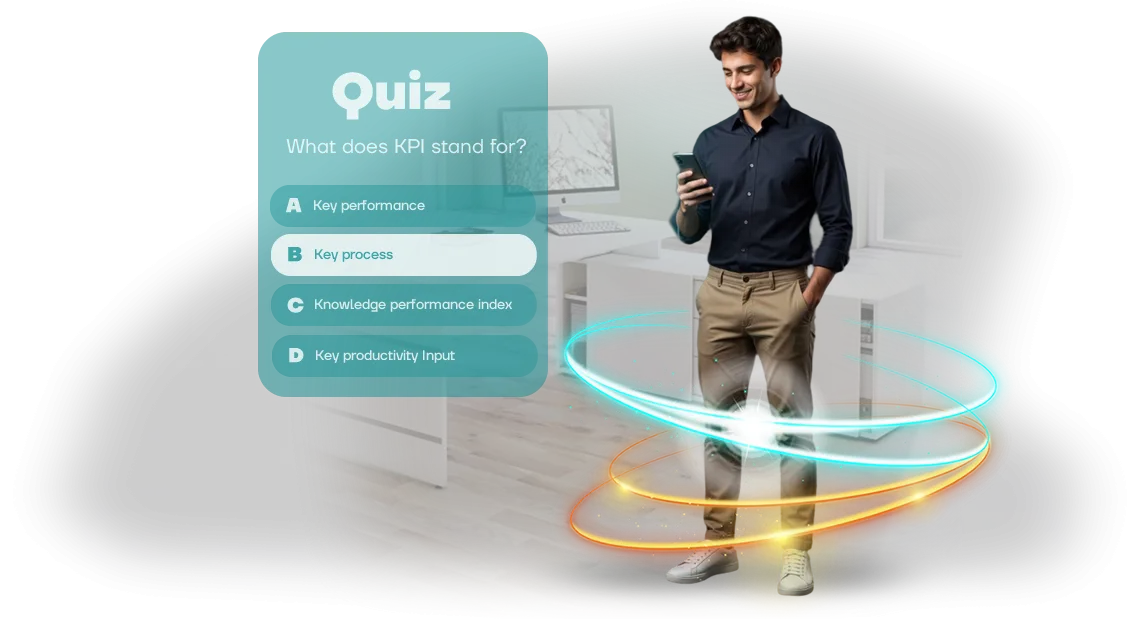
אנחנו עוזרים לסגור את הפער הזה: אנחנו מפתחים משחק חידון תלת-ממדי להדרכת מכירות קמעונאיות. פורמט המשחק יוצר תחרות בריאה, מגייס את הצוות והופך הדרכה למקור אנרגיה.
אנחנו לוקחים על עצמנו את הפיתוח מהתסריט ועד ההשקה, ואתם מקבלים כלי מוכן שקל להטמיע במערכת ההדרכה הקיימת שלכם.
כתוצאה מכך, המוכרים שלכם לא רק יודעים את התסריטים אלא מיישמים אותם בביטחון במכירות אמיתיות — וזה משפיע ישירות על הכנסות הקמעונאות שלכם.
למידה מבוססת משחק: יתרונות מרכזיים לצוות שלכם
הדרכת מכירות קמעונאיות מסתכמת פעמים רבות בהרצאות ומבחנים שלא נשארים בזיכרון. אחרי שבוע, עובד זוכר רק חלק קטן מהחומר ובפועל ממשיך לעבוד בדרך הישנה.
החידון התלת-ממדי שובר את ההרגל הזה: הוא מטביע את הצוות במצבים שמדמים מקרוב מכירות אמיתיות ומלמד פעולות נכונות בסביבה בטוחה.
התוצאה המרכזית שבעלי עסקים ומנהלים רואים היא גידול במכירות. עובד לא רק משנן תסריטים והתנגדויות אלא מתאמן ליישם אותם בתרחישים אינטראקטיביים.
זה מצמצם את הפער בין ידע לפעולה: אחרי סיום החידון, המוכר מנהל דיאלוג בביטחון רב יותר, מציע שדרוגים מהר יותר ומטפל בהתנגדויות טוב יותר.
המספרים המדויקים תלויים בקו הבסיס שלכם, אבל כמעט בכל מקרה ההדרכה מחזירה את עצמה בתוך החודש הראשון בזכות סל קניות ממוצע גבוה יותר ועסקאות מוצלחות יותר.
יתרון נוסף הוא מעורבות עובדים. גימיפיקציה הופכת הדרכות חובה משעממות לתחרות: דירוגים, נקודות, רמות וניקוד קבוצתי.
אנשים חוזרים לחומר בעצמם כדי לשפר את התוצאות שלהם, במיוחד כשמכניסים פרסים או מוטיבציה לא-חומרית.
מעורבות גבוהה משפיעה ישירות על שימור ידע: חומר שתורגל במשחק נשאר בזיכרון חודשים, לא רק עד ההערכה הבאה.
לקמעונאות, זו גם דרך מהירה לקליטת עובדים חדשים. במקום חונכות ארוכה וטעויות על לקוחות אמיתיים, מוכר חדש עובר את החידון ומקבל מיד משוב על השגיאות שלו.
הם מתעדכנים מהר יותר, מאבדים פחות לקוחות בתחילת הדרך ולא דורשים השגחה מתמדת של חונך. כתוצאה מכך, תחלופת תקופת הניסיון יורדת והרמה הקבוצתית הכוללת מתאזנת.
הטמעת ההדרכה הזו יוצרת אפקט מערכתי: אתם מקבלים לא יוזמה חד-פעמית אלא כלי שאפשר לעדכן למוצרים חדשים, מבצעים עונתיים ותקני שירות.
כל עובד — חדש וותיק כאחד — עובר את החידון בקצב נוח, ואתם רואים תמונה אובייקטיבית: מי הטמיע את החומר ומי זקוק להדרכה נוספת.
אלה בדיוק התוצאות שעסקים משקיעים בהן בפיתוח עובדים — עם תרומה מדידה לרווח.
פורמטים של חידון תלת-ממדי למוכרים קמעונאיים
הדרכות חד-פעמיות והוראות לא מספקות הדרכת מכירות קמעונאית שיטתית: מיומנויות נשכחות במהירות, ועובדים הולכים לאיבוד כשהם מתמודדים עם התנגדויות אמיתיות. מנהל לא יכול לראות מי באמת מוכן למכירות, וכל טעות בשטח עולה בהמרה.
לכן אנחנו מתאימים פורמטים של חידון למשימה עסקית ספציפית — תמיכה במכירות, הערכת עובדים או קליטת עובדים חדשים.
פיתחנו שלושה פורמטים מעשיים ללמידה תלת-ממדית. כל אחד משתלב בקלות במערכת הדרכה קיימת ואינו דורש הכנה מיוחדת מהעובדים — רק דפדפן וכמה דקות ביום.
שלושה תרחישים למשימות שלכם
| פורמט חידון תלת-ממדי | למי | מה הלקוח מקבל |
|---|---|---|
| תמיכה במכירות | מוכרים פעילים בשטח המכירות | תרגול טיפול בהתנגדויות, ידע על מוצרים ותקני שירות במצבים קרובים למכירות אמיתיות. גידול בהמרה ובסל הממוצע. |
| הערכת עובדים | מנהלי רשתות קמעונאיות ומחלקות משאבי אנוש | הערכת ידע אובייקטיבית בלי להפריע לעבודה: חידון למוכר מראה מי יודע את המוצר ומי זקוק להדרכה נוספת. התוצאות מועברות בדוח נוח. |
| קליטת עובדים חדשים | עובדים חדשים בתקופת ניסיון | הטמעה מהירה בתקני החברה: תרחישים אינטראקטיביים עוזרים לשנן תסריטים ונהלים מהר יותר מקריאת הוראות. תחלופה נמוכה יותר בחודשים הראשונים. |
הפורמט נבחר לפי המשימה שלכם, והתוכן מותאם למוצרים ולתקני השירות שלכם.
כתוצאה מכך, אתם מקבלים הדרכה תלת-ממדית שפותרת יעדים עסקיים מדידים: כיסוי ידע רחב יותר בצוות, עלויות קליטה נמוכות יותר ותמונה שקופה של הערכת עובדים.
איך מתנהל פיתוח חידון הדרכה: שלבים
בנינו את התהליך כך שתוכלו לראות את התוצאה בכל שלב ולעצב אותה. אין "קופסה שחורה": אחרי הבריף, אתם מקבלים תוכנית; אחרי כל שלב, חומרים לאישור. אתם יודעים מה קורה עם הפרויקט, מתי הוא יהיה מוכן ואיך נשיק אותו.
- בריף ויעדים. אנחנו דנים באילו מיומנויות מוכר צריך לשפר: ידע על מוצרים, טיפול בהתנגדויות, טכניקות מכירה. אנחנו קובעים היקף, לוחות זמנים ופורמט — כך שהחידון פותר את המשימה שלכם, לא רק מבדר.
- אישור פרויקט ותסריט. אנחנו מכינים את מבנה החידון: נושאים, רמות קושי, סוגי שאלות. אתם מאשרים את אפשרויות התשובה ואת לוגיקת הניקוד — החידון משקף את תקני השירות והמכירות שלכם.
- יצירת החידון. אנחנו מפתחים את המשחק על מנוע Unity המקצועי — זה מבטיח פעולה יציבה במכשירים שונים וגרפיקה חיה שמושכת את תשומת הלב של העובדים. אנחנו מעצבים אותו בסגנון הארגוני שלכם כך שהמשחק ירגיש חלק מההדרכה של המותג.
- בדיקות ותיקונים. אנחנו בודקים את החידון עם קבוצת בקרה של עובדים: בודקים בהירות שאלות, דיוק ניקוד ומהירות טעינה. אתם מקבלים סרטון או גישת הדגמה, ואנחנו מבצעים תיקונים עד שהתוצאה עומדת בציפיות שלכם.
- השקת החידון. אנחנו מארחים את המשחק בפלטפורמת ההדרכה שלכם או מספקים קישור גישה. אנחנו מגדירים הזדהות למוכרים ואוספים תוצאות לדוח נוח — אתם רואים מיד מי סיים את ההדרכה ומי זקוק לתרגול נוסף.
- תמיכה ופיתוח. אחרי ההשקה, אנחנו נשארים בקשר: מעדכנים שאלות כשהמבחר שלכם משתנה, מוסיפים רמות חדשות ועוזרים בבעיות טכניות. החידון חי עם העסק שלכם ולא מת אחרי השחרור.
כתוצאה מכך, אתם מקבלים כלי הדרכה עובד שעובדים מסיימים בעניין, ואתם מקבלים סטטיסטיקת התקדמות שקופה. בדרך כלל, לוקח שבועיים עד ארבעה שבועות מבריף להשקה — אנחנו נועלים מועדים מדויקים בתוכנית אישור הפרויקט.
מה אתם מקבלים בחבילת חידון ההדרכה
חידון הדרכה הוא לא רק משחק; זה כלי מוכן שמשתלב במערכת ההדרכה שלכם מיד. המסירה כוללת כל מה שצריך כדי להשיק ולנטר תוצאות: מתרחישי משחק ועד זכויות תוכן.
החבילה המלאה כוללת:
- תרחישי חידון למשימות שלכם. שאלות ומצבים מוכנים מעבודתם היומיומית של מוכרים: התנגדויות, הצגת מוצר ותקני שירות. קל להרחיב ולשנות תרחישים למוצרים חדשים.
- אינטגרציה עם מערכת ה-LMS שלכם. תוצאות העובדים זורמות אוטומטית למערכת ההדרכה: אתם רואים מי סיים את ההדרכה, מי עשה טעויות ומי זקוק לתרגול נוסף. אין צורך בייצוא ידני.
- מדדי הדרכה בחשבון האישי שלכם. הנתונים זמינים לכל עובד ולכל הצוות: אחוז תשובות נכונות, זמן השלמה וניסיונות חוזרים. זה עוזר לכם לראות אילו נושאים נשלטו בצורה חלשה ולהתאים את התוכנית.
- זכויות לכל התוכן. כל השאלות, המכניקות והחומרים נשארים אצלכם. אתם יכולים להשתמש בהם ללא הגבלות, גם אם תחליטו לעבוד בלעדינו.
- תיעוד והדרכת מנהלים. אנחנו מראים לכם איך לנהל את החידון, להוסיף שאלות ולשנות הגדרות. העובדים שלכם ישלטו במערכת במהירות ללא סיוע של מפתחים.
- תמיכה לאחר ההשקה. אנחנו זמינים לאורך כל תקופת העבודה: עונים על שאלות ועוזרים בעדכונים ושיפורים.
בסופו של דבר, אתם מקבלים מערכת הדרכה עובדת שמתחילה לספק ערך מיד אחרי ההתקנה. החבילה מכסה את כל השלבים: הכנה, השקה, מעקב התקדמות ופיתוח עתידי.
מקרה בוחן: איך רשת קמעונאית הגדילה מכירות אחרי החידון
רשת קמעונאית למוצרי חשמל ביתי "עולם הטכנולוגיה" פנתה אלינו עם כאב קמעונאי טיפוסי: מוכרים חדשים לקחו זמן רב להתעדכן, וותיקים איבדו עניין בבריפינגים סטנדרטיים.
הצענו להחליף תקנות משעממות בחידון הדרכה בפורמט משחק תלת-ממדי. תוך שבועיים, 300 עובדים מ-12 חנויות סיימו את המשחק — בקצב נוח, בלי לעזוב משמרות ובלי כפייה.
מכניקת המשחק נבנתה על מצבים אמיתיים משטח המכירות: התנגדויות לקוחות, עבודה עם מוצרים נלווים ופרטי מבחר. עובד בחר תשובה ומיד ראה פירוט שגיאות — הידע חוזק דרך תרגול, לא רק פורמלית.
המנהל קיבל סטטיסטיקה ברורה: מי סיים את החידון, איפה השגיאות היו נפוצות ביותר ואילו נושאים צריך לחזור עליהם.
חודש אחרי ההדרכה, הרשת ראתה גידול של 15% בהמרת מכירות עם סל ממוצע מעל הרמה הרגילה. מנהל המחלקה הגיב על התוצאה: "החידון הוא הפורמט היחיד שהמוכרים שלנו סיימו בהנאה, לא רק כדי לסמן וי. חלק מהעובדים חזרו לסצנות כדי לחזק נקודות חלשות."
הדינמיקה הזו מסתכמת בכלל פשוט: הדרכת מכירות קמעונאית צריכה להיות תרגול על מקרים מוכרים, לא הרצאה. החידון מתעדכן כעת באופן קבוע למבצעים עונתיים ומשמש לקליטת עובדים חדשים — שימוש חוזר כבר החזיר לחלוטין את עלות יצירת המשחק.
איך לבחור את פורמט החידון המתאים למשימות שלכם?
בחירת סוג החידון תלויה ישירות ביעדי הלמידה. אם אתם צריכים לבדוק איך עובדים הטמיעו תקנות וסטנדרטים, פורמט המבחן הוא אופטימלי. הוא מספק תמונה אובייקטיבית: מי מוכן לעבוד עם לקוחות ומי צריך לחזור על החומר. מצב מבחן שומר על משמעת ועוזר לחזק ידע מרכזי.
אם חשוב יותר ללמד מוכרים לפעול במצבים מורכבים, בחרו בסימולטור. חידון כזה מדמה דיאלוגים אמיתיים: התנגדויות, שאלות איכות, הנחות וקונפליקטים.
המוכר מתרגל את המיומנות בסביבה בטוחה, ואתם מקבלים צוות שלא הולך לאיבוד בשיחות אמיתיות.
הפורמט התחרותי מניע מוטיבציה ומעורבות. לוח מובילים, דירוג קבוצתי ופרסים הופכים הדרכה לאירוע בלתי נשכח. עובדים נכנסים לעניין בעצמם, דנים בשאלות ביניהם וזוכרים את החומר טוב יותר.
החידון הזה עובד מצוין להשקת מוצרים חדשים, קיום מבצעים או עריכת אירוע חברה.
שילוב הוא פעמים רבות אופטימלי: קודם סימולטור לתרגול מיומנויות, אחר כך מבחן לבקרה, ותחרות כשלב סופי. איזו אפשרות מתאימה לכם תלוי בגודל הצוות, בתקציב ובמהירות הרצויה של תוצאות.
נציע פתרון בייעוץ: ננתח את המשימות שלכם, נציע פורמט ונראה דוגמאות מהפרקטיקה. תקבלו תוכנית ברורה ותוכלו להשיק את ההדרכה בשבועות הקרובים.
שאלות נפוצות על פיתוח חידוני הדרכה
יש ספקות לפני השקת חידון הדרכה? זה נורמלי: אתם רוצים לדעת כמה זמן ומשאבים זה ייקח והאם התוצאה תספק.
אנחנו עובדים עם קמעונאות מעל 10 שנים, אז אנחנו עונים על השאלות המרכזיות ישירות — בלי פרטים טכניים, תוך התמקדות רק בתועלת שלכם וביכולת החיזוי של התהליך.
כמה זמן לוקח פיתוח חידון?
פרויקט טיפוסי לוקח 2 עד 4 שבועות. לוח הזמנים תלוי במספר השאלות, רמות הקושי והאם נדרשת אינטגרציה עם מערכת ההדרכה שלכם. אתם מקבלים תוכנית שלבים ברורה עם תאריכים כדי שתוכלו ליישר את ההשקה עם תוכנית המכירות או הדרכת עובדים חדשים.
כמה עולה הפיתוח?
העלות מחושבת אחרי אודיט ותלויה במשימה שלכם: מספר התרחישים, העיצוב ומורכבות מכניקת המשחק. אנחנו לא מצטטים מחיר "מהאוויר" — קודם בריף קצר, אחר כך הערכה שקופה בלי תשלומים נסתרים. אתם תמיד יודעים על מה אתם משלמים: תוצאה מוכנה, לא תהליך.
מה הערובה שהחידון יעבוד?
אנחנו מספקים ערובה על פונקציונליות ותמיכה לאחר ההשקה. אם משהו משתבש, אנחנו מתקנים אותו במסגרת החוזה. לפני ההתחלה, אנחנו עושים ריצת ניסיון עם הצוות שלכם כדי לוודא שהכל עובד על כל מכשיר, לא קופא וברור לעובדים.
מה אם עובדים יגיבו בשלילה למשחק?
החידון מעוצב כמשחק, לא כמבחן: תחרות, נקודות ודירוג. אנחנו יוצרים תרחישים שמניעים, לא מענישים. בדרך כלל, המעורבות גדלה אחרי ההשקה הראשונה — עובדים עצמם מבקשים עוד כי זה מעניין ובטוח.
העיקר הוא שאתם מקבלים כלי שמעלה את הידע של המוכרים ונראה מיד באיכות השירות בשטח. אם עדיין יש לכם שאלות, פשוט כתבו לנו — נדון במקרה שלכם ונציע פתרון שמתאים ללוח הזמנים שלכם.הזמינו חידון הדרכה לעובדים שלכם
הדרכת מכירות קמעונאית היא לא רק העברת ידע על מוצרים ותקני שירות. כמה טוב עובדים מטמיעים את החומר משפיע ישירות על המרת מכירות ונאמנות לקוחות.
חידון הדרכה הופך בדיקות ידע שגרתיות למשחק מרתק: מוכרים מתחרים, משננים תסריטים מרכזיים ותרחישי אינטראקציה עם לקוחות, ואתם מקבלים סטטיסטיקת ביצועים ברורה.
אנחנו מפתחים חידונים אינטראקטיביים ליעדים שלכם — ממבחנים קצרים אחרי קליטה ועד חידון רחב היקף עם אלמנטים של גימיפיקציה לרשת קמעונאית שלמה.
אנחנו עובדים עם כלים מקצועיים וצינורות עבודה מוכחים, כך שהתוצאה נשארת יציבה גם עם מספר גדול של עובדים שעוברים הדרכה בו-זמנית.
כדי להזמין חידון, פשוט השאירו פנייה — ניצור קשר תוך יום עסקים אחד, נבהיר את המשימות שלכם ונציע את הפורמט האופטימלי.
- בקשת ייעוץ: אתם מתארים את המשימה — איזה ידע העובדים שלכם צריכים וכמה אנשים יעברו את החידון.
- חישוב עלות: אנחנו מעריכים את היקף העבודה ושולחים הצעה מסחרית שקופה בלי חיובים נסתרים.
- פיתוח קונספט: אנחנו מגדירים את מכניקת החידון, סגנון עיצוב ותרחישי שאלות — הכל מותאם למותג שלכם ולפרטי הקמעונאות.
- יצירת חידון ותוכן: אנחנו מתכנתים את הלוגיקה, מוסיפים שאלות עם הסברים ואפשרויות תשובה ומשלבים עם מערכת ההדרכה שלכם.
- בדיקות: אנחנו בודקים את החידון עם קבוצת מיקוד של עובדים, מבצעים תיקונים ומוודאים שהכל עובד בלי תקלות.
- השקה ותמיכה: אנחנו מדריכים מנהלים, משיקים את החידון בכל הרשת ונשארים זמינים לשיפורים.
יחד עם גרסת הדגמה של החידון, תקבלו חישוב עלות והמלצות הטמעה. השאירו בקשת ייעוץ — נראה איך חידון הדרכה עובד על דוגמה אמיתית ונעזור להתאים אותו למוכרים שלכם.