

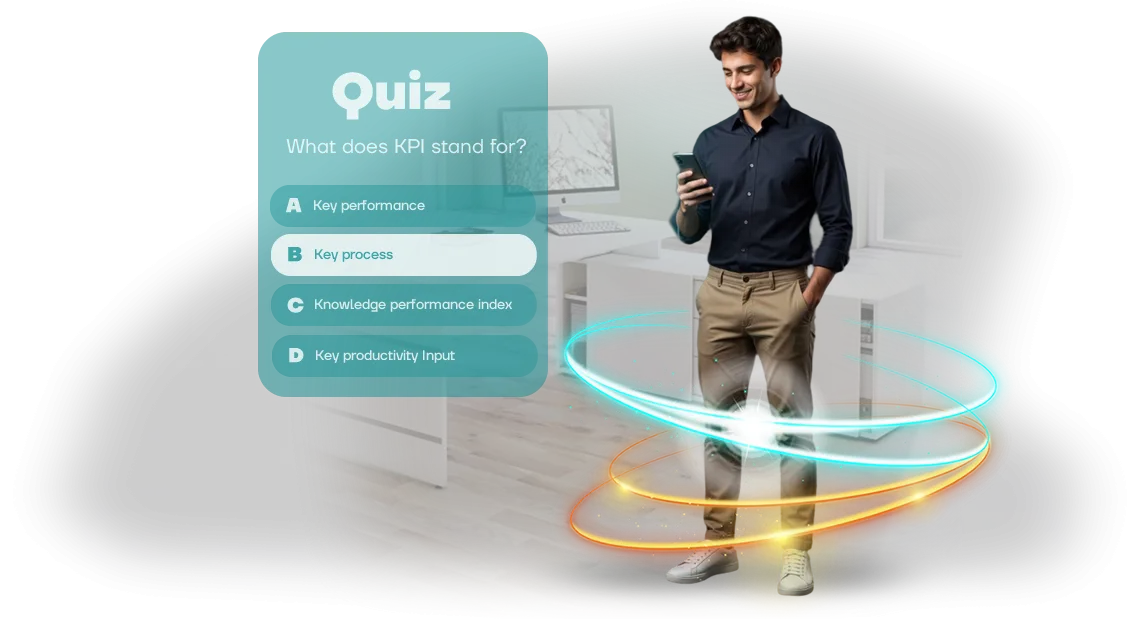
מדוע הכשרה נוכחית לרתכים ורתכי חשמל מאבדת מיעילותה
הייצור המודרני דורש כישורים גבוהים יותר מאי פעם מרתכים ורתכי חשמל: חומרים חדשים, מבנים מורכבים ותקני איכות מחמירים.
אך בחברות רבות, הכשרת עובדים בנויה על אותם עקרונות כמו לפני עשרים שנה — הרצאות, תדריכים ותרגול מעשי נדיר תחת פיקוחו של חונך.
גישה זו אינה יכולה לעמוד בקצב של משימות אמיתיות. העובדים מקבלים בסיס תיאורטי אך אינם מתרגלים מיומנויות עד כדי אוטומציה, ואינם לומדים לקבל החלטות במצבים לא סטנדרטיים.
כתוצאה מכך, כישורי העובדים גדלים לאט, והמחיר של כל טעות הופך גבוה יותר.
ההשלכות העיקריות הן פגמי ייצור ועלויות עולות. ריתוך הרוס, עיבוד מחדש של רכיב והשבתת ציוד מצטברים להפסדים ישירים. אך ישנם גם הפסדים נסתרים: דה-מוטיבציה של עובדים, מתח בצוות ואובדן אמון מצד לקוחות.
בטיחות הריתוך חשובה לא פחות. טעויות בעבודה עם מתכת משמעותן סיכון לפציעות, כוויות ותאונות.
בתנאים שבהם כל עובד חייב לפעול בדיוק ובזהירות, הכשרה מיושנת הופכת לגורם סיכון — לעובד, לצוות ולעסק כולו.
העברנו את ההכשרה לרתכים ורתכי חשמל לפורמט של חידונים אינטראקטיביים המשתלבים בעבודה היומיומית. העובדים מתאמנים בפורמט דמוי משחק, רואים מיד את הטעויות שלהם ומחזקים החלטות נכונות. גישה זו סוגרת את הפער בין המתודולוגיה הישנה לדרישות הייצור בפועל.
אילו תוצאות עסקיות הפורמט המודרני של הכשרה משיג
הפורמט המודרני של הכשרה לרתכים ורתכי חשמל אינו בידור אלא כלי לניהול איכות. כאשר עובד לומד חומר באמצעות חידון אינטראקטיבי, הוא זוכר חוקים וטכנולוגיות פי כמה וכמה טוב יותר מאשר בקריאת הוראות.
וזה משפיע ישירות על הפחתת פגמים: פחות עיבודים חוזרים, פחות בזבוז של חומר וזמן. עבור בעל עסק, כל טעות כזו היא עלות שניתן היה למנוע.
מעורבות העובדים היא המרכיב השני של התוצאה. אנשים משלימים הכשרה ברצון אם היא נראית כמו תחרות ולא כמו חובה. חידון יוצר התרגשות, רצון להראות תוצאות ולעלות בדירוג.
כתוצאה מכך, ההכשרה אינה נעשית רק למראית עין אלא מתוך עניין אמיתי — והידע נשאר בראש, לא בדוח.
האפקטיביות של הכשרה בפורמט זה ניתנת למדידה. מנהל רואה אילו נושאים קלים ואילו גורמים לקשיים עבור משמרת שלמה. ניתן להשתמש בנתונים אלה כדי להתאים במהירות את התכנית — להוסיף משימות מעשיות או לחזור על בלוק קשה. כך ההכשרה הופכת לאירוע חד-פעמי אלא לתהליך מתמשך של שיפור מיומנויות.
מותג המעסיק משתנה גם הוא. חברה המשתמשת בכלים מודרניים לפיתוח עובדים נתפסת כמתקדמת ואכפתית. זה חשוב הן לשימור עובדים מנוסים והן למשיכת מומחים צעירים שרוצים לעבוד במקום שבו מלמדים אותם, לא רק מנצלים אותם.
בסך הכול, השפעות אלה מייצרות צמיחה יציבה באיכות העבודה ובנאמנות הצוות — דבר שמחזיר במלואו את ההשקעה בהכשרה.
פורמטים של חידון תלת-ממדי לרתכים ורתכי חשמל למשימה שלך
הכשרת רתכים ורתכי חשמל אינה קלה: יש לחבר כל הזמן תיאוריה לפרקטיקה, ויש לבחון ידע באופן קבוע.
החידון התלת-ממדי מכניס את העובד לסדנה וירטואלית, שבה הוא בוחר מצבים, קורא שרטוטים ועונה על שאלות בתנאים הקרובים לעבודה אמיתית. זה ברור ומרתק יותר ממבחני מחשב רגילים, ולכן התוצאות טובות יותר.
אנו מציעים מספר פורמטים — מסבבי הערכה קצרים ועד קורס מלא עם חונך. להלן אפשרויות טיפוסיות; נתאים אותן ללוח המשמרות שלך, למספר העובדים ולדרישות ההסמכה במהלך פגישה.
| פורמט הכשרה | למי | מה זה נותן ללקוח |
|---|---|---|
| חידון תלת-ממדי קצר עם 15–30 שאלות | בדיקת ידע לפני משמרת | מזהה במהירות פערים מבלי להרחיק אנשים מהעבודה לזמן רב |
| מבחן קבלה | רתכים ורתכי חשמל חדשים, מועמדים | תמונה אובייקטיבית של רמת המיומנות לפני מתן אישור לעבוד |
| חידון מאמן עם ניתוח טעויות | עובדי קו ומפקחים | מחזק נהלים נכונים, מפחית את הסיכון לפגמים |
| סבב הסמכה | רתכים לפני בדיקה | מכין עובדים למבחן ומאשר את מוכנותם |
| קורס מלא עם חונך | עובדים חדשים, הסבה מקצועית | הכשרה שיטתית עם בקרת התקדמות ומשוב |
בכל פורמט, אתה רואה מי כבר שלט בחומר ומי זקוק לתשומת לב נוספת. זה עוזר לך לתכנן הכשרה, להפחית את מספר החזרות ולקרב רתכים ורתכי חשמל לקצב העבודה מהר יותר.
הפורמט מתאים לאסטרטגיה שלך: בין אם אתה רוצה תמונת מצב מהירה של ידע או תכנית ארוכה — אתה מחליט.
כיצד מתבצע פיתוח חידון הכשרה: שלבים ולוחות זמנים
העבודה על חידון הכשרה לרתכים ורתכי חשמל מתנהלת לפי תהליך ברור עם נקודות בקרה קבועות. אתה תמיד רואה באיזה שלב נמצא הפרויקט, מה כבר אושר ומתי תושק ההכשרה. להלן המחזור הסטנדרטי, שנמשך שבועיים עד ארבעה שבועות בהתאם לכמות החומר.
- בריף ובדיקת חומרים. אנו אוספים את התקנות, ההוראות, כרטיסי המבחן והטעויות האופייניות של מתחילים. אנו מתעדים איזה ידע צריך להיבחן ואיזה צריך לחזק.
- תסריט ושאלות. אנו מתכננים את מבנה החידון: מספר סבבים, רמת קושי, סוגי שאלות (ברירה מרובה, רצפי פעולה, טיפול בפגמי ריתוך). אנו מיישרים את התסריט עם הטכנולוג או המהנדס הראשי שלך.
- אב-טיפוס וקונספט עיצובי. אנו מראים כיצד החידון נראה על המסך: ממשק, ויזואליה, סגנון. אתה מאשר את האב-טיפוס לפני תחילת התכנות — זה מונע עיבודים חוזרים בשלב הסופי.
- הרכבה והעלאת תוכן. אנו מעלים שאלות, תמונות, סרטונים ושרטוטים. אנו מגדירים את הלוגיקה: רמזים, הסברים לתשובות נכונות, מעקב אחר טעויות.
- בדיקה אצלך. אנו נותנים לך גישה לגרסה עובדת. אתה וקבוצת עובדים עוברים את החידון, בודקים את דיוק הניסוח ומעריכים את נוחות השימוש. אנו מבצעים תיקונים תוך יומיים עד שלושה ימים.
- השקה והכשרה. אנו פורסים את החידון על השרת שלך או בענן, ומספקים קישורים וחשבונות. העובדים עוברים את המבחן, ואתה מקבל סיכום תוצאות.
- תמיכה לאחר ההשקה. אנו מספקים תמיכה טכנית, מוסיפים שאלות חדשות ומתאימים את התסריט כאשר התקנות מתעדכנות.
בדרך כלל השלבים העיקריים אורכים 10–14 ימי עסקים אם החומרים מסופקים בזמן. אנו קובעים מראש את התאריכים לאישור התסריט ולהשקה כדי שההכשרה לא תידרדר בגלל תהליכים פנימיים.
בסופו של דבר, אתה מקבל לא רק מבחן, אלא כלי מוכן שמשתלב במהירות בתכנית הכשרת העובדים שלך.
מה אתה מקבל לאחר השקת החידון לעובדים
לאחר ההשקה, אתה מקבל לא רק משחק, אלא ערכת הכשרה מלאה לצוות שלך. היא מכילה כל מה שצריך להשקה, בקרה ושימוש חוזר: מהתסריט ועד דוחות תוצאות.
כל מה שאתה צריך לעשות הוא לקבוע תאריך למפגש — משם ואילך, החידון עובד כחלק ממערכת ההכשרה.
- תסריט מותאם לצרכים שלך — השאלות מבוססות על התקנות, ההוראות והטעויות האופייניות של רתכים ורתכי חשמל.
- משחק מוכן להפעלה — רץ על מחשבים וטאבלטים ללא התקנה מורכבת; עובד עובר את המבחן תוך 30–40 דקות.
- חומרים מתודולוגיים לחונך — הוראות כיצד להעביר את המפגש, לנתח טעויות ולחזק תוצאות.
- אנליטיקת השלמה — אתה רואה מי שלט בחומר, אילו נושאים גורמים לקשיים והיכן נדרשת הכשרה נוספת.
- המלצות לשיפור הקורס — בהתבסס על טעויות אופייניות של עובדים, אנו מציעים אילו בלוקים לחזק.
- תמיכה לאחר ההשקה — סיוע טכני, עדכוני שאלות ועזרה אם משהו משתבש.
בסופו של דבר, אתה מקבל תוצאה מדידה: עובדים עוברים בדיקת ידע, ואתה מקבל נתונים ברורים על כל משתתף. ערכה זו הופכת משחק חד-פעמי לכלי הכשרה שיטתי שניתן להשתמש בו שוב ושוב.
מקרה בוחן: כיצד הכשרה שיפרה את איכות הריתוך
כשמדובר באיכות ריתוך, המחיר של טעות אינו רק עיבוד חוזר — זה בטיחות האדם ומוניטין המפעל.
עבדנו עם מפעל שבו הכשרת רתכים ורתכי חשמל כללה הוראות נייר ומבחנים אישיים נדירים: הידע נשכח, ובפועל פגמים היוו עד שליש מנפח העבודה.
בנינו את מקרה ההכשרה סביב חידון אינטראקטיבי שהחליף בדיקות משעממות. העובדים עברו סבבים קצרים עם מצבי ייצור אמיתיים, קיבלו מיד ניתוח טעויות וראו בדיוק אילו ריתוכים דורשים תשומת לב. במקום סימוני וי פורמליים — מעורבות אמיתית של כל רתך.
מה השתנה ברצפת הייצור
כמה חודשים לאחר השקת החידון, הפגמים ירדו ב-30% — זה חומר שנחסך ישירות ופחות זמן שהושקע בתיקונים. מהירות ההסמכה הוכפלה: אנשים עברו מבחנים מהר יותר כי הם כבר עבדו על כל המצבים הקשים בפורמט האינטראקטיבי.
הנהלת המפעל קיבלה תמונה אובייקטיבית של מוכנות ההכשרה: ברור היכן נקודות התורפה של הצוות ועל איזה נושא להתמקד במחזור הבא.
הזמנה חוזרת למודול חדש לסדנה אחרת מאשרת שתוצאות החידון אינן יוזמה חד-פעמית אלא כלי עבודה לשיפור איכות.
הצוות שלנו מתמחה בפתרונות כאלה לרתכים ורתכי חשמל — מעיצוב תסריט ועד ניתוח תוצאות הכשרה.
אם אתה רוצה את אותו מומנטום במתקן הייצור שלך, ספר לנו על האתגר שלך — נציע פורמט ונחשב את ההשפעה הצפויה.
כיצד לבחור את פורמט החידון המתאים למשימה שלך?
התשובה תלויה בשלושה משתנים: גודל הצוות, תקציב ההכשרה והצורך בהסמכה רשמית.
בחירת חידון מתחילה לא בפרטים טכניים, אלא בתוצאה שברצונך להשיג: להעלות את דרגת המיומנות הממוצעת, להפחית פגמים או להכין משמרת לפני הסמכה.
עבור צוות קטן של רתכים ורתכי חשמל, מספיק מבחן קצר עם שאלות על טכנולוגיה ובטיחות. אך אם יש לך מספר משמרות או תחלופת עובדים גבוהה, אותה גישה תבזבז זמן על חזרות.
הפורמט התלת-ממדי האינטראקטיבי מנצח כאן — הוא מדמה את מצבי העבודה שעובד פוגש בכל יום. תסריט כזה מאפשר לבחון לא תיאוריה שנלמדה בעל-פה, אלא מיומנויות קבלת החלטות אמיתיות.
תקציב הכשרה נתפס לעתים קרובות כהוצאה, אך בריתוך זה חיסכון ישיר. טעות בטכנולוגיית ריתוך עולה יותר מכל חידון: עיבוד חוזר, השבתה וסיכון לתאונה.
לכן, בבחירת פורמט, כדאי לחשוב לא על עלות הפיתוח, אלא על עלות הפגמים שנמנעו. חידון מתוכנן היטב מחזיר את עצמו באמצעות שיפור מיומנויות והפחתת פגמים.
אם אתה זקוק להסמכה או לבדיקת ידע, אי אפשר בלי תיעוד תוצאות. מערכת המעקב המובנית שומרת את ההיסטוריה של השלמת כל עובד, ואתה מקבל דוח קבוצתי.
זה מכסה את ההסמכה ומאפשר לך להצדיק העלאת דרגת מיומנות או הקצאת התמחות.
בקיצור, אין פורמט "נכון" יחיד. עבור כל תרחיש ייצור, אנו בוחרים שילוב — מסקר קלאסי ועד סימולציה תלת-ממדית על מנוע מקצועי.
לפני התחלה, אנו עורכים בריף קצר ומציעים את הפורמט שפותר את הבעיה הספציפית שלך, לא רק מציג תמונה יפה.
שאלות נפוצות מלקוחות לפני תחילת הפיתוח
לפני תחילת הפיתוח, אנו שומעים לעתים קרובות את אותן דאגות. אנו עונים עליהן — ללא פרטים טכניים, רק מה שחשוב לעסק שלך.
האם החידון ישתלב בתכנית ההכשרה הקיימת שלנו?
כן, אנו מתכננים במיוחד את החידון כמודול גמיש שמשלים קורסים קיימים במקום להחליף אותם.
בהתחלה, אנו בוחנים את החומרים והתקנות שלך כדי להטמיע את החידון בדיוק במקום שבו נדרשת בקרת ידע: בדיקה ביניים לאחר תיאוריה, מבחן סופי או בדיקת מיומנויות קבועה לרתכים ורתכי חשמל.
עובדים מתעלמים לעתים קרובות ממבחנים סטנדרטיים. כיצד נוכל לערב אותם?
אנו הופכים בדיקות ידע למשחק: אלמנטים תחרותיים, התקדמות נראית לעין וממשק ברור. מומחים רואים לא "סקר נוסף" אלא הזדמנות לאשר את שליטתם ולהתחרות עם עמיתים. עבור מנהל, זה כלי מוטיבציה, לא כפייה.
מה מבטיח שהפיתוח אכן יניב תוצאות?
אנו מתחילים בהרצת פיילוט על קבוצה קטנה: אנו מנתחים שיעורי השלמה, בוחנים את קושי השאלות ומשכללים את התסריט לפני פריסת החידון לכל העובדים.
לאחר ההשקה, אתה מקבל לוח מחוונים עם תוצאות בדיקה, ואנו נשארים בקשר לצורך התאמות — הן לתוכן והן למכניקה.
מהם לוחות הזמנים וכיצד התהליך מנוהל?
אנו קובעים לוחות זמנים בתכנית בתחילת הפרויקט, ואתה רואה כל שלב — מבריף ועד השקה — בטבלת סטטוס. אין הפתעות: אם אתה צריך רק חידון לבדיקת ידע, זה היקף עבודה אחד.
אם נדרשת אינטגרציה עם מערכת ההכשרה הפנימית שלך, אנו מתחשבים בכך מראש ובונים זמן בלוח הזמנים לאישורים.
לא מצאת את השאלה שלך? תאר כיצד ההכשרה מאורגנת כיום בחברה שלך — נציע כיצד חידון יכול לפתור בדיוק את האתגר שלך.השאר פנייה: בואו נדון בתרחיש ההכשרה שלך
רתכים ורתכי חשמל לומדים טוב יותר כשהם רואים מיד את ההשלכות של החלטותיהם. מבחנים רגילים מראים אם אדם יודע את התיאוריה אך אינם מבטיחים שיפעל נכון במקום העבודה.
חידון תלת-ממדי אינטראקטיבי מאפשר לדמות מצבים אמיתיים: בחירת מצב ריתוך, ביצוע ריתוך ובקרת איכות. הוא עושה זאת בפורמט בטוח ומרתק שמערב אפילו עובדים מנוסים.
כדי שהמשחק יניב תוצאות, התסריט חייב להתחשב במאפיינים שלך: סוגי ריתוך, ציוד ותקנות פנימיות. אנו נעזור להפוך את החומרים שלך למוצר הכשרה. ייעוץ הוא הצעד הראשון, ולאחר הפנייה שלך תקבל:
- התקשרות חוזרת תוך יום עסקים אחד — נבהיר את המשימות, הקהל והתוצאה הצפויה.
- הערכת עלות לתרחיש שלך: מספר אפשרויות כדי שתוכל לבחור את הטובה ביותר לתקציב וללוח הזמנים.
- תכנית יישום אישית: שלבי פיתוח, נקודות בקרה ואחראים.
- דוגמאות לחידונים למקצועות תעשייתיים — תראה איך נראים המשחקים ואילו מכניקות מתאימות לרתכים ספציפית.
- המלצות מוטיבציה: כיצד לשלב את החידון במערכת ההכשרה וההסמכה.
- מסמכים לאישור: מצגת, מפרט טכני, הערכת תקציב — נתעד את ההסכמות כדי שתוכל לקבל את התוצאות ללא הפתעות.
הייעוץ אינו מחייב אותך לכלום. תקבל מספרים קונקרטיים ותכנית ברורה, תוכל להשוות עם גישות אחרות ולקבל החלטה מושכלת.
השאר פנייה — ויחד נחשוב כיצד צריכה להיראות הכשרה שבאמת משנה את עבודת הרתכים שלך.