

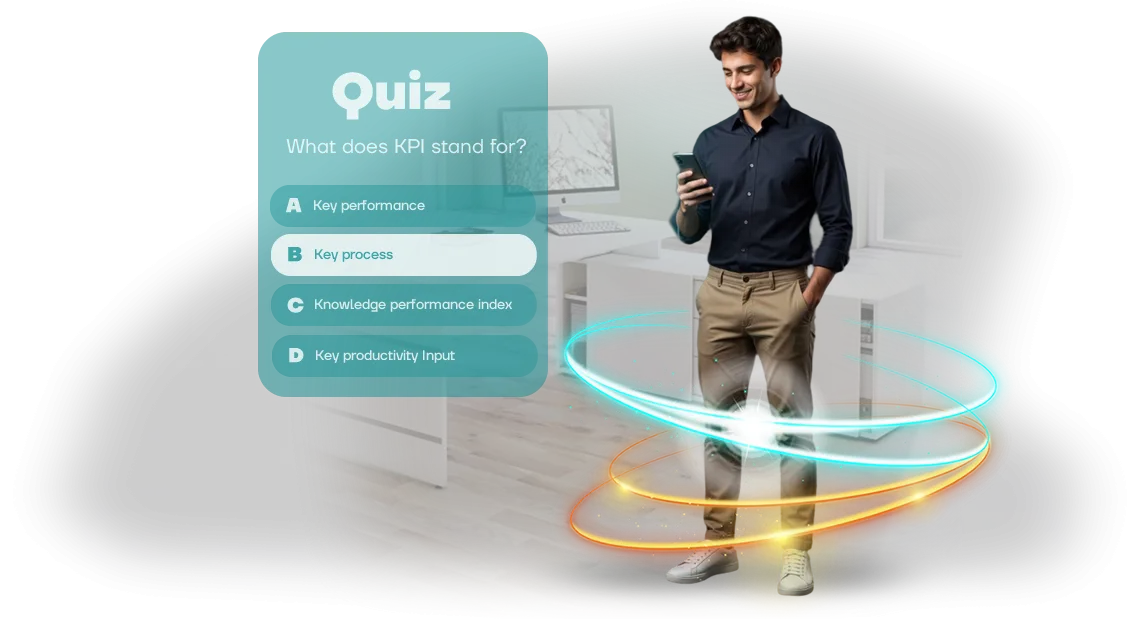
לקוחות עוזבים למתחרים לאחר ייעוץ בנקאי כושל
לקוחות עוזבים למתחרים לאחר ייעוץ בנקאי כושל — ולרוב הסיבה אינה המוצר אלא הדיאלוג. העובד מכיר את הריביות והתנאים, אך אינו שומע את הלקוח: עונה בתבניות, קוטע, אינו שואל שאלות הבהרה.
כתוצאה מכך, האדם עוזב עם התחושה "לא עזרו לי" ועובר בקלות לבנק שבו דיברו איתו בצורה אנושית.
הבעיה היא שהכשרה מסורתית של עובדי בנק נותנת תיאוריה, לא מיומנות של שיחה חיה.
הנהלות שנלמדו נשכחות במצבי לחץ, וכל טעות בייעוץ אמיתי עולה כסף — מוצר שלא נמכר, לקוח שאבד, פגיעה במוניטין הסניף. אפשר לתקן זאת רק באמצעות תרגול קבוע של דיאלוגים בסביבה בטוחה.
כאן בדיוק פועל השירות בייעוצים: עובד מתאמן על תרחישים קרובים ככל האפשר לשיחות אמיתיות. הם לומדים לשאול את השאלות הנכונות, לשמוע התנגדויות, ולהוביל בעדינות לפתרון.
זה מפתח מכירות דרך דיאלוג — לא שכנוע, אלא עזרה ללקוח לבחור את מה שהוא באמת צריך.
התוצאה של הכשרה כזו היא לא רק "מבחן שעבר" אלא מיומנות מתמשכת. העובד מפסיק לפחד משאלות קשות, מנהל את השיחה בביטחון רב יותר, ומסיים את הייעוץ בהצעה קונקרטית.
זה משפיע ישירות על שימור לקוחות: אנשים חוזרים לבנק שבו הבינו אותם, ממליצים עליו לחברים, ומוכנים יותר לרכוש מוצרים נוספים.
אנחנו עוזרים לסגור את נקודת הכאב הזו עם חידונים אינטראקטיביים וסימולטורי דיאלוג. עובדים עוברים על תרחישים שוב ושוב, ואתם מקבלים צוות שלא מאבד לקוחות בייעוצים אלא הופך שיחה לנקודת צמיחה לעסק שלכם.
מה חידון ארגוני להכשרת עובדים מספק?
עובדי בנק לא זוכרים הוראות ונהלים עד שהם נתקלים במצב אמיתי. הרצאות ומבחנים רגילים נותנים תוצאות זמניות — תוך שבוע נשאר פחות משליש מהחומר.
חידון ארגוני מעביר את ההכשרה לפורמט של דיאלוג חי: העובד לא קורא טקסט אלא פותר משימות הדומות לפניות לקוחות אמיתיות.
הכשרה אינטראקטיבית כזו מספקת שלושה יתרונות עיקריים. ראשון — מעורבות: מכניקת משחק ומשוב מיידי מחזיקים תשומת לב עד סוף המפגש; עובדים משלימים את החידון בעצמם במקום לשבת בהרצאה.
שני — תרגול תרחישים מורכבים: בסביבה בטוחה אפשר לטעות ולראות את קו השיחה הנכון. שלישי — צמיחה מדידה באיכות השירות: המערכת מתעדת את התשובות של כל משתתף, ואתם רואים פערי ידע ספציפיים לפני ואחרי ההכשרה.
אנחנו מפתחים חידוני הכשרה על פלטפורמת משחק מקצועית — זה פעולה יציבה וסצנות תלת-ממד קרובות לסניף בנק. העובד נכנס לדיאלוג וירטואלי עם לקוח: עונה על שאלות, בוחר טיעונים, רואה את תגובת בן השיח. פורמט זה נזכר הרבה יותר טוב משקופיות ודפי רמאות.
לאחר החידון, אתם מקבלים לא רק דוח השלמה אלא גם אנליטיקה ברמת הצוות: אילו נושאים נלמדו, היכן עובדים הולכים לאיבוד, מי צריך תמיכה נוספת. זה ניהול איכות שירות מבוסס נתונים, לא ניחושים.
אם אתם רוצים שההכשרה תיתן תוצאות מדידות ולא סימון פורמלי, חידון יהיה כלי מעשי.
פורמטים של ייעוץ בנקאי: ממבחן לסימולטור תלת-ממדי
הכשרת יועצי בנק היא אף פעם לא אוניברסלית: מתחיל צריך בסיס ותרגול של דיאלוגים ראשונים, בעוד עובד מנוסה צריך לעבוד על מוצרים מורכבים ומצבים לא סטנדרטיים. אם משתמשים רק במבחנים, הידע נשאר תיאוריה.
אם זורקים עובד חדש מיד לעבודה אמיתית, טעויות עולות ביוקר גם ללקוח וגם למוניטין.
לכן אנחנו בונים הכשרה כמערכת של פורמטים — מבדיקת ידע מהירה ועד לטבילה מלאה בסימולטור תלת-ממדי. הטבלה עוזרת לבחור את האפשרות הנכונה למשימה שלכם ולקטגוריית העובדים.
| פורמט | למי | מה הוא נותן ללקוח |
|---|---|---|
| מבחנים קצרים | כל העובדים לאחר קורס או נוהל | בדיקת ידע מהירה, סטטיסטיקה אוטומטית לפי קבוצה, חיסכון בזמן |
| חידון אינטראקטיבי | צוותים גדולים, סניפים | מעורבות בהכשרה, תחרות בריאה, עניין מוגבר במוצר |
| מאמן דיאלוג | מתחילים, עובדי קו ראשון | תרגול תרחישי ייעוץ ללא סיכון ללקוח, ביטחון בשיחה אמיתית |
| סימולטור תלת-ממדי | יועצים מנוסים, מוצרים מורכבים | טיפול במצבים לא סטנדרטיים, חוסן רגשי, העברת מיומנויות לפרקטיקה |
קו מוצרים זה מכסה את הצרכים העיקריים: הסתגלות מתחילים מהירה יותר כי הם מתאמנים בסביבה בטוחה. עובדים מנוסים משכללים את כישוריהם על תרחישים שקשה ליצור בתפקיד רגיל. והמנהל רואה תמונה אובייקטיבית — מי מוכן לעבודה ומי צריך תמיכה נוספת.
סימולטור תלת-ממדי שימושי במיוחד למוצרים מורכבים: משכנתאות, השקעות, שירות פרימיום. בו, העובד מנהל דיאלוג עם לקוח וירטואלי, מגיב להתנגדויות, ולומד להביא את הפגישה לתוצאה. עבור בנק, זה אומר פחות טעויות בייעוצים אמיתיים ויותר אמון מלקוחות.
איך עובד פיתוח חידון: 6 שלבים במפתח
פיתוח חידון הוא לא רק כתיבת תסריט. זה הכנסת כלי עבודה לתהליך הכשרת עובדי בנק, ולכן התהליך בנוי כך שאתם שולטים בכל שלב: מהבריף ועד לתמיכה לאחר ההשקה. להלן שישה שלבים שאנו עוקבים אחריהם, עם נקודות אישור ברורות ותוצאות.
-
בריף וניתוח משימה. אנחנו נפגשים אתכם, לומדים תרחישי ייעוץ, שאלות לקוחות טיפוסיות וטעויות עובדים. הפלט הוא יעדי הכשרה מוסכמים ורשימת נושאים שיכוסו בחידון.
-
תוכנית ותסריט. אנחנו יוצרים את מבנה החידון: איך דיאלוגים בנויים, אילו אפשרויות תשובה מוצעות, ואיך החלטות מוערכות. אתם רואים את התסריט בשפה פשוטה — ללא פרטים טכניים, כך שתוכלו לערוך בקלות לפני תחילת הפיתוח.
-
אישור מכניקה ועיצוב. אנחנו מראים איך החידון נראה ואיך עובד מבצע את המשימה. אנחנו מתחשבים בסגנון התאגידי של הבנק ומאשרים את הממשק והלוגיקה לפני שסיום עבודת התוכן.
-
יישום ותוכן. אנחנו יוצרים את כל הדיאלוגים, מעלים שאלות, ומגדירים משוב לעובד: הסברים ורמזים לאחר תשובות. אנחנו בודקים על מכשירים שונים כדי להבטיח שהחידון עובד ביציבות.
-
השקה ופריסה. אנחנו ממקמים את החידון בפלטפורמה שלכם או דרך קישור נוח, ומחברים עובדים. אנחנו עורכים בריף קצר למנהלים ומעבירים את כל החומרים להשקה.
-
תמיכה ופיתוח. אנחנו עוקבים אחר סטטיסטיקת השלמה, עוזרים לנתח תוצאות, מתאימים שאלות, ומוסיפים תרחישים חדשים כשמוצרי בנק או נהלים משתנים. אתם מקבלים הכשרה במפתח — עם אחריות שהכלי עובד לאחר ההשקה.
מה כלול במסירה ונשאר שלכם לאחר הפרויקט
לאחר סיום הפרויקט, אתם מקבלים לא רק חידון אלא כלי עבודה שהצוות שלכם מנהל באופן עצמאי. כל החומרים, הרשאות הגישה וההוראות נשארים אצלכם — ללא תלות בקבלן.
החבילה כוללת:
- תרחישים ושאלות — קבצים ניתנים לעריכה של כל הדיאלוגים והתשובות. שנו תוכן למוצרים חדשים ללא מעורבות מפתחים.
- מערכת ניהול — חשבון אישי להפעלת חידונים, הוספת עובדים וצפייה בסטטיסטיקה. נאמן את הצוות שלכם בסמינר מקוון קצר.
- דוחות על עובדים וסניפים — השלמה, טעויות טיפוסיות, דינמיקה. ייצוא ל-Excel לניתוח ומצגות.
- הוראות מנהל — מדריך על "איך להפעיל, להוסיף מתחיל, להוריד תוצאות." כל איש משאבי אנוש יכול להתמודד עם זה ב-15 דקות.
- תיעוד ונהלים — מבנה מערכת, הרשאות גישה, נהלי עדכון. זה התקן שלכם, לא "קופסה שחורה."
- אחריות ותמיכה — אנחנו מתקנים שגיאות בתקופת האחריות ועוזרים בעדכונים. לאחר מכן — תמיכה חד-פעמית או מתמשכת.
כתוצאה מכך, אתם שומרים על כלי פשוט וצפוי: תרחישים ברורים, ניהול אדמיניסטרטיבי, תוצאות מדידות ותמיכה במידת הצורך. הכשרת עובדים עובדת מהיום הראשון לאחר המסירה.
מקרה בוחן: איך חידון שיפר את איכות השירות ב-40%
בנק קמעונאי גדול פנה אלינו עם המשימה לשפר את איכות השירות בסניפיו.
עובדים חדשים בילו חודשים בלימוד מוצרים, אבל בדיאלוג חי עם לקוח הם הלכו לאיבוד: שכחו תרחישים, לא הצליחו לבחור את המוצר הנכון, ופחדו משאלות לא סטנדרטיות. הרצאות ומבחנים קלאסיים סיפקו תיאוריה, לא מיומנויות תקשורת.
במקום עוד מצגת, פיתחנו סימולטור דיאלוג תלת-ממדי על Unity. לקוח וירטואלי מנהל את השיחה, מגיב לתשובות, שואל שאלות בלתי צפויות — העובד מתאמן בקבלת החלטות בסביבה בטוחה.
במשך שבועיים, כל משתתף השלים עד 30 תרחישים: מייעוץ פשוט ועד תלונה מורכבת.
התוצאות עלו על הציפיות. ציוני קונה מסתורי עלו ב-40%, והחשבון הממוצע בסניפים שבהם התקיימה ההכשרה גדל ב-15%.
זמן הסתגלות מתחילים ירד משלושה חודשים לשישה שבועות — כי הסימולטור נותן תרגול, לא שינון מכני של חוקים.
"בעבר לימדנו עובדים להגיב לפי נהלים; עכשיו הם באמת מבינים מה הלקוח צריך ויכולים להציע את הפתרון הטוב ביותר," — ראש מחלקת ההכשרה של הבנק.
הבנק העריך את הפורמט כל כך עד שכלל את הסימולטור בתוכנית החובה לכל היועצים החדשים. בנינו ספריית תרחישים שמתעדכנת יחד עם המוצרים — עובדים תמיד מתאמנים על מצבים עדכניים. עבורנו, זה מקרה מוצלח: מכניקת משחק באמת משנה מדדים עסקיים.
איך לבחור את פורמט ההכשרה הנכון לצוות שלכם?
בחירת פורמט הכשרה היא לא שאלה של "מה יותר טרנדי" אלא "מה יפתור את הבעיה שלכם." אין תשובה אוניברסלית: צוות של 10 יועצים דורש גישה אחת, ורשת של 500 עובדים דורשת אחרת לגמרי.
העיקר הוא להתחיל לא מהמראה החיצוני אלא מאילו מיומנויות אנשים צריכים לרכוש לאחר ההכשרה וכמה מהר אתם רוצים לראות שינויים בעבודה עם לקוחות.
על מה כדאי לבסס את הבחירה? ראשית, על המאפיינים של ייעוץ בנקאי: עדכוני מוצרים תכופים, שאלות לקוחות מורכבות, הצורך לעקוב אחר נהלים תוך שמירה על אנושיות.
אם עובדים צריכים ללמוד להגיב במהירות להתנגדויות ולא ללכת לאיבוד במצבים לא סטנדרטיים, פורמט דיאלוג עם עבודה על ענפי שיחה עובד הכי טוב.
אם המשימה היא לגבש ידע על מוצרים ולשפר נקודות חלשות, חידונים קצרים עם ניתוח שגיאות מתאימים. גם קנה מידה חשוב: לצוות גדול, פורמט עם בדיקה עצמית נוח; להכנה ממוקדת, תרחיש אישי.
לכן אנחנו מתחילים בייעוץ ללקוח ולא בהצעה חכמה באתר. אנחנו שואלים על תוכנית ההכשרה הנוכחית שלכם, טעויות יועצים טיפוסיות, והתוצאה הצפויה — למשל, גידול בהמרת מכירות או קיצור זמן טיפול.
בהתבסס על זה, אנחנו מציעים פורמט שבאמת יסגור את הבעיה ולא רק יוסיף ויזואליה בהירה לתוכנית ההכשרה. זה חוסך תקציב וזמן כי אתם לא משלמים על כלי לא מתאים או מבזבזים זמן על שינויים.
אולי אתם לא צריכים סימולטור מורכב בכלל; רשימת בדיקה קצרה בסגנון משחק עשויה להספיק. או להיפך, רק ניתוח דיאלוגים עם סוגי לקוחות שונים ייתן את האפקט הדרוש.
אנחנו נעזור לכם להימנע מטעויות בהתחלה ונציע אפשרות שהעובדים שלכם יתפסו כעזרה ולא כדרישה נוספת. עבורנו, העיקר הוא שההכשרה עובדת עבור המדדים שלכם, לא רק קיימת לפרוטוקול.
תשובות לשאלות נפוצות על יישום חידונים
לקוחות שואלים לעתים קרובות: מה אם החידון לא יופעל ביום ההכשרה? מי יעדכן שאלות כשנהלי הבנק משתנים? והכי חשוב, איך פתרון כזה מחזיר את ההשקעה?
בחלק זה, אנחנו עונים על החששות הנפוצים ביותר בהתבסס על ניסיון הצוות שלנו בעשרות פרויקטים בנקאיים.
מה אם החידון יתקלקל במהלך מפגש?
אנחנו מבטיחים יציבות: הפתרון רץ על פלטפורמה מקצועית, ולפני ההשקה אנחנו עורכים מפגש ניסיון עם העובדים שלכם. אם מתרחשות תקלות בחודש הראשון, נתקן אותן על חשבוננו ונפצה על הזמן.
הניסיון מראה ש-98% מההשקות עוברות ללא שגיאה אחת, ותקלות רשת נדירות נפתרות תוך 15 דקות.
איך לעדכן תוכן כשמוצרים או נהלים משתנים?
עדכונים מובנים מההתחלה: אתם יכולים לערוך שאלות ואפשרויות תשובה בעצמכם דרך פאנל פשוט — ללא צורך במתכנת. אם אתם צריכים עזרה, נכין הוראות ונראה בדוגמה איך לשנות את החידון לתנאים חדשים תוך 30 דקות. שינויים מתפרסמים מיד וזמינים לכל העובדים בכניסה הבאה.
למה זה מחזיר את ההשקעה ולא סתם צעצוע?
החידון הופך תיאוריה משעממת לתחרות. עובדים עוברים על החומר פי שניים מהר יותר, וידע נשמר ב-70% טוב יותר מאשר בקריאת הוראות. עבור בנק, זה אומר פחות טעויות בייעוצים, המרת מכירות גבוהה יותר, והסתגלות מהירה יותר של מתחילים.
יום הכשרה אחד עם חידון חוסך עד שלושה ימי עבודה של הסבה — כבר בחודש השני, הפרויקט מחזיר יותר ממה שהוא עולה.
אם עדיין יש לכם ספקות — השאירו פנייה, ננתח את התרחיש שלכם ונראה איך החידון משתלב בהכשרה הנוכחית שלכם.השיקו פרויקט חידון פיילוט ברבעון זה
פרויקט פיילוט הוא הזדמנות לבדוק תוך רבעון אחד איך חידון אינטראקטיבי משפר את איכות הייעוץ הבנקאי ומאיץ הכשרת עובדים — ללא השקעות גדולות או יישום ארוך.
אנחנו לוקחים על עצמנו פיתוח, מתודולוגיה והשקה, ואתם מקבלים נתונים אובייקטיביים על מעורבות עובדים וידע.
לאחר הפנייה שלכם, אנחנו מכינים הצעה תוך מספר ימים — עם שלבים ספציפיים, לוחות זמנים ופורמט החידון הראשון. הפיילוט אורך 3-4 שבועות: מבריף ועד השקה וניתוח תוצאות.
במהלך זמן זה, תראו איך עובדים שולטים בתרחישי תקשורת עם לקוחות, היכן נוצרות שגיאות, וכמה מהר ידע חדש עובר לפרקטיקה אמיתית.
מה אתם מקבלים בהשארת פנייה:
- תוכנית פיילוט אישית המותאמת למשימות הבנק שלכם — נושאי חידון, סוגי שאלות ותרחישים.
- לוחות זמנים שקופים: ברור מה קורה בכל שלב ומתי תוצאות יהיו מוכנות.
- אב-טיפוס חידון לבדיקה על קבוצה קטנה של עובדים.
- חומרים מתודולוגיים להכשרה מוטמעת ושימוש חוזר.
- דוח מדדים: מעורבות, אחוז תשובות נכונות, דינמיקת למידה.
- היכולת להרחיב במהירות את הפיילוט לכל הצוות לאחר אישור יעילותו.
למה להתחיל בפיילוט? זה מפחית סיכונים ומאפשר לשלב הכשרה בלוח הזמנים הנוכחי. אתם לא משנים את כל מערכת ההכשרה — אתם מוסיפים כלי אחד ומודדים את תרומתו לאיכות השירות. אם החידון מראה צמיחה, אנחנו מרחיבים כיסוי. אם לא, אנחנו מתאימים תרחישים ללא אובדן תקציב.
השאירו פנייה — נכין תוכנית פיילוט לבנק שלכם ונציין לוחות זמנים. תקבלו כלי עבודה להכשרת עובדים ברבעון זה.