

למה אימון בלוגיסטיקה לא עובד ומה לעשות
תחלופת עובדים במחסנים היא כאב ראש עבור כל מנהל לוגיסטיקה. אותן טעויות של עובדים חוזרות על עצמן משמרת למשמרת, וההדרכה לא מצליחה לעמוד בקצב של זרימת ההזמנות.
כתוצאה מכך, העסק מפסיד רווחים בגלל פגמים, ערבובי מלאי ושיבושים באספקה, בעוד העובדים היקרים ביותר נשחקים כשהם מכסים על חסרונות של אחרים.
הבעיה היא שהדרכת מחסן קלאסית היא הרצאה או תדריך בטיחות. עובד חדש נוכח פורמלית בהדרכה, אבל כעבור כמה ימים שוכח את רוב החומר.
כשהזרימה האמיתית של משימות נוחתת עליהם, הם פועלים לפי אינטואיציה—ועושים בדיוק את הטעויות שהזהירו אותם מהן.
הוסיפו לכך רוטציה מתמדת של עובדים: אתם מאמנים קבוצה אחת היום, וקבוצה אחרת מגיעה מחר. להתחיל אימון מאפס בכל פעם הוא יקר ואיטי, אבל בלעדיו, טעויות ופציעות הופכות למערכתיות.
העובדים רואים בהדרכה הסחה מהעבודה ולא מוצאים בה ערך, ולכן המוטיבציה ללמוד יורדת עם כל מחזור גיוס חדש.
כדי שההדרכה באמת תפחית את מספר הטעויות, היא חייבת להיות קצרה, ויזואלית ומרתקת. אלה הפורמטים שמראים תוצאות מדידות: פחות פגמים, קליטה מהירה יותר של עובדים חדשים, ופעולה בטוחה במצבי חירום.
במקום תיאוריה מופשטת—ניתוחי מצבים אמיתיים שהעובד יפגוש כבר במשמרת הראשונה.
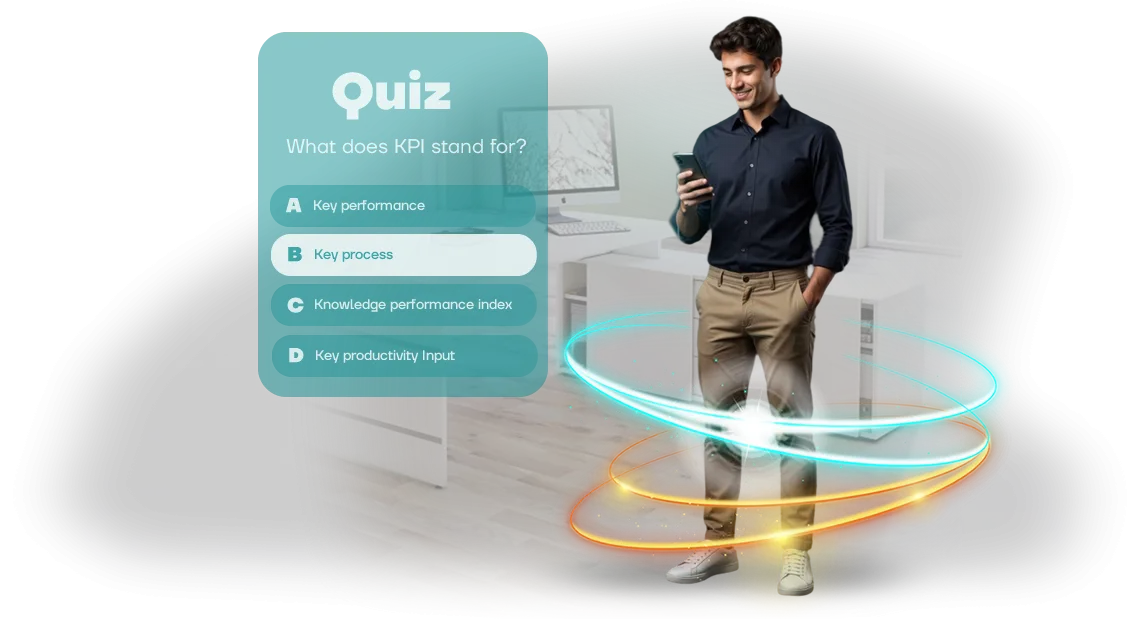
אנחנו מפתחים חידוני למידה שהופכים הדרכה למשחק עם תרחישים אמיתיים מהמחסן שלכם. העובדים מחזקים פעולות נכונות בסביבה בטוחה, והמנהל רואה מי קלט את החומר ומי זקוק לתשומת לב נוספת.
זה פותר את בעיית התחלופה והטעויות—מערכת ההדרכה מפסיקה להיות תלויה בהתלהבות של חונכים בודדים.
היתרונות של חידונים מבוססי משחק לעסק ולצוות
גימיפיקציה של הדרכה היא לא בידור לשמו, אלא כלי שמשנה את היחס של העובדים לידע חדש. במקום לצפות פסיבית בהרצאות, אנשים מתערבים במשחק שבו לכל תשובה יש משמעות והתוצאה נראית מיד.
מעורבות עובדים
חידון עם אלמנטים תחרותיים לוכד תשומת לב מהדקות הראשונות: נקודות, רמות ולוחות תוצאות הופכים הדרכה לתחרות מרגשת. העובדים משלימים את החומר, חוזרים לנושאים קשים, ושואפים לתוצאה טובה יותר בעצמם.
זה חשוב במיוחד בלוגיסטיקה, שבה עובדים עובדים לעתים קרובות בשטח וקשה לאסוף את כולם להדרכה פרונטלית—הפורמט המשחקי זמין מכל מכשיר ובכל זמן.
שימור ידע
הפורמט המשחקי מאלץ את המוח לעבוד באופן פעיל: צריך לקבל החלטות, לא לשנן טקסט. מיד אחרי התשובה, האדם מקבל משוב, רואה את הטעות ואת הפתרון הנכון, כך שהידע נקלט הרבה יותר מהר.
ההדרכה מפסיקה להיות פורמליות—העובדים באמת זוכרים נהלים, תקני בטיחות ואלגוריתמי עבודה.
צמיחה במדדי KPI של עובדים
כשהצוות קלט את החומר, העסק רואה את זה במספרים. מספר הטעויות וההפרות יורד, הפעולות מואצות, מדדי איכות השירות וקצבי עיבוד ההזמנות משתפרים.
המנהל מקבל סטטיסטיקה שקופה לכל עובד: מי שלט בנושא ומי זקוק לתמיכה נוספת. כך ההדרכה הופכת מעלות להשקעה שמגבירה את היעילות של כל הצוות.
פורמטים של חידוני 3D למשימות לוגיסטיות שונות
לוגיסטיקה היא לא רק הובלה ואחסון—זו גם הדרכה מתמשכת של עובדים, מצוותי קליטה ועד מתאמי שילוח. משימות שונות דורשות פורמטים שונים של חידוני 3D: מלימוד הכללים ועד תרגול תגובה למצבי חירום.
פיתחנו כמה תרחישי הדרכה אופייניים שמכסים את הצרכים העסקיים המרכזיים—האצת קליטת עובדים חדשים, הפחתת טעויות והגדלת מהירות עיבוד הבקשות. להלן איך זה נראה בפועל.
| פורמט חידון | קהל יעד | מה הלקוח מקבל |
|---|---|---|
| חידון הדרכה עם רמזים | עובדים חדשים (עובדי מחסן, נהגים, סוכני שילוח) | זמן קליטה מתקצר בחצי—העובד רואה מיד את רצף הפעולות הנכון |
| סימולטור 3D עם בחירת פעולות | צוותי קו העובדים עם טעינה וקטיף הזמנות | תרגול נהלים בסביבת מחסן, פחות טעויות בקליטה ובשילוח |
| מבחן ידע בתקנות ובטיחות | כל קטגוריות העובדים | בדיקת ידע אובייקטיבית בלי להוריד מהעבודה, זיהוי מהיר של פערים |
| חידון סימולטור "מסלול אופטימלי" | נהגים ולוגיסטיקאים | מהירות ויעילות עלות במסלולים, הוצאות דלק נמוכות יותר |
| חידון תרחיש "מצב חירום" | מנהלי משמרות, מתאמי שילוח | מוכנות לכוח עליון, פעולה בטוחה בשיבושי אספקה |
| פורמט משולב | חברות עם תחלופת עובדים גבוהה | תהליך הדרכה אחיד: תיאוריה → פרקטיקה → הסמכה בתוך סימולטור 3D אחד |
המבנה המודולרי של חידון 3D קל להתאמה למשימות הספציפיות של הלקוח: אנחנו לוקחים את התקנות או תיאורי התפקיד שלכם והופכים אותם לתרחישי הדרכה.
בהזמנת הפורמט הזה, אתם מקבלים לא מבחן סטטי אלא כלי שימושי באותה מידה להסמכה ולתרגול יומיומי.
אם אתם לא בטוחים איזה פורמט מתאים ביותר למחלקה שלכם, נדון במשימה בבריף ונציע את הפתרון האופטימלי תוך 2–3 ימים.
שלבי פיתוח החידון: מתכנון ועד השקה
אנחנו עובדים לפי מתודולוגיה שקופה: אתם תמיד יודעים מה שלב הפרויקט ומה מגיע אחריו. כל שלב מסתיים בתוצאה ברורה—מסמך מאושר, אב טיפוס או גרסה עובדת. כך תוכלו לראות מראש איך החידון ייראה ולערוך שינויים בלי לבזבז זמן.
-
בריף והבנת המשימה. אנחנו מגדירים את מטרות ההדרכה, קהל העובדים ותרחישי השימוש. מבהירים איזה ידע צריך להיבדק ואילו טעויות מתרחשות הכי הרבה בעבודה. אתם מקבלים הבנה ברורה מה בדיוק החידון יעריך.
-
תוכנית פרויקט ומפת דרכים. אנחנו יוצרים לוח זמנים, מחלקים משימות וקובעים מועדים לכל שלב. אתם רואים את נקודות הביקורת שלפיהן יהיו מוכנים התסריט, אב הטיפוס והגרסה הסופית. כל שינוי מתווסף לתוכנית מיד ומאושר אתכם.
-
פיתוח תסריט ושאלות. יחד עם המומחים שלכם, אנחנו הופכים מצבי עבודה אמיתיים למשימות מבוססות דיאלוג. מפתחים אפשרויות תשובה ורמזים כך שהחידון יהיה לא רק מבחן אלא מאמן מיומנויות. הפלט הוא טקסט התסריט המלא לאישורכם.
-
עיצוב ויצירת אב טיפוס. אנחנו יוצרים את המראה החזותי של החידון: סגנון, אנימציות, חלונות דיאלוג. בשלב זה, אתם רואים איך הממשק ייראה על מחשב או טאבלט ומאשרים את אב הטיפוס. עריכות נעשות לפני תחילת הפיתוח, לא אחריו.
-
הרכבה ומילוי תוכן. אנחנו בונים את הלוגיקה האינטראקטיבית, טוענים שאלות, תשובות ומשובים, ובודקים את התסריט בכל שלבי ההשלמה. אתם מקבלים גרסת בדיקה עובדת שתוכלו לפתוח ולהשלים מהתחלה ועד הסוף.
-
בדיקות והשקה. אנחנו מבצעים בדיקות איכות במכשירים שונים ויחד עם העובדים שלכם מוודאים שהכל עובד באופן אמין. לאחר מכן ממקמים את החידון במקום שנוח לצוות שלכם ומוסרים גישה. השקה חלקה היא המטרה שלנו.
-
תמיכה ועריכות סופיות. אחרי ההשקה, אנחנו נשארים בקשר: עוזרים להגדיר תוצאות, אוספים סטטיסטיקות השלמה ומתקנים שאלות במידת הצורך על סמך הפיילוט. אתם יכולים לעדכן תוכן עם הצוות שלנו או לקבל הוראות לעשות זאת בעצמכם.
כתוצאה מכך, אתם מקבלים כלי הדרכה מוכן שהעובדים משלימים בלי לעזוב את העבודה ושקל להתאים למשימות חדשות. אנחנו מתחילים בבריף קצר—תוך כמה ימים תראו טיוטות תסריט ראשונות.
מה כלול במסירת חידון ההדרכה
לאחר סיום הפיתוח, אתם מקבלים לא רק קובץ חידון אלא כלי עבודה מוכן להשקה. אנחנו מוסרים את כל החומרים הדרושים ליישום מהיר ולשימוש יומיומי. הנה מה שכלול בחבילת המסירה.
- חידון הדרכה מוכן — מוצר מותאם לתהליכים העסקיים שלכם שעובד על המחשבים והמכשירים הניידים של העובדים. אין צורך בידע מיוחד או בתוכנה נוספת לצורך ההשקה.
- פאנל ניהול — ממשק אינטואיטיבי שבו תוכלו לערוך שאלות, להוסיף תרחישים חדשים ולנהל לוחות זמנים של השלמה בעצמכם. שינויים נכנסים לתוקף מיד, בלי לערב מפתחים.
- חומרי הדרכה — מדריך למנהל, כרטיס עזר מהיר לעובד והמלצות מתודולוגיות לשילוב החידון בתוכנית קליטה או הדרכה תקופתית. הכל מוכן כך שתוכלו להשיק הדרכה בלי הכנה ממושכת.
- מודול אנליטיקה — סטטיסטיקה ברורה לכל עובד ומחלקה: מי השלים את החידון, כמה תשובות נכונות נתן ואילו נושאים גורמים לקשיים. אתם רואים את רמת הידע האמיתית של הצוות ויכולים להתאים את התוכנית בזמן.
- אינטגרציה מלאה — אנחנו מחברים את החידון למערכת ניהול הלמידה או לפורטל הארגוני שלכם, או פורסים גרסה עצמאית. הכל עובד בתוך התשתית שלכם, וההתקנה אינה דורשת פנייה למחלקת IT.
- זכויות על המוצר — זכויות מלאות על התוכנה והתוכן שפותחו מועברות אליכם. אתם לא תלויים בנו בעתיד: תוכלו לפתח את החידון עם כל צוות או להמשיך לשפר אותו איתנו.
- תמיכת אחריות — לאורך תקופת האחריות אנחנו נשארים בקשר: מתקנים שגיאות, עוזרים בהשקה ומייעצים למנהלים. אתם מקבלים שקט נפשי במהלך היישום ובחודשי הפעילות הראשונים.
מקרה בוחן: איך שיפרנו את דיוק קטיף ההזמנות
עבור מפעיל לוגיסטי גדול, LogistikPro, פיתחנו סימולטור חידון 3D אינטראקטיבי ב-Unity. החברה התמודדה עם כאב אופייני: עובדי מחסן וקוטפי הזמנות חדשים עשו טעויות בקטיף, מה שהגדיל את מספר ההחזרות ועיכובי המשלוחים. תדריכים מסורתיים הועילו מעט—המידע נשכח תוך כמה ימים.
איך הובנתה ההדרכה
במקום מבחנים עם שאלות מופשטות, יצרנו תרחישים מעבודה אמיתית: העובד רואה מחסן, מדפים והזמנה, ומקבל החלטות בדיאלוגים—איזה מוצר לקחת, איך לבדוק ברקוד, איך לארוז.
על תשובה שגויה, המשחק לא מעניש אלא מראה את הדרך לטעות. זה משנה לחלוטין את היחס להדרכה: אנשים עוברים על התרחיש כמה פעמים במקום לדלג עליו רק כדי לסמן וי.
המספרים שמאשרים את התוצאה
במהלך ההשקה הפיילוטית בת שלושה חודשים, 400 עובדים של מרכז ההפצה השלימו את הסימולטור. דיוק קטיף ההזמנות עלה מ-92% ל-99.5%, ומספר שגיאות הקטיף ירד כמעט פי שש.
במקביל, זמן הקליטה של עובדים חדשים ירד משבעה ימים לשני ימים—מה שאומר שאנשים הגיעו לפרודוקטיביות מלאה מהר יותר.
מנהלי המחסן ציינו שתחלופת העובדים ירדה: עובדים חדשים הרגישו בטוחים מהימים הראשונים. הסימולטור לימד אותם לא רק לשנן נהלים אלא להבין למה חשוב לעמוד בתקנים.
כתוצאה מכך, הלקוח הזמין מודול נוסף למנהלי משמרות, ואנחנו זכינו בשותפות ארוכת טווח.
תשובות לשאלות נפוצות על פיתוח חידונים
פיתוח חידון הדרכה לעובדי לוגיסטיקה מעלה לא פעם שאלות: כמה זמן ייקח הפיתוח, איך לשלב אותו בהדרכה הקיימת, ומה קורה אחרי ההשקה.
אנחנו עונים על ההתנגדויות העיקריות כדי שתבינו את התהליך עד הפרט הקטן ביותר ותקבלו החלטה בביטחון.
כמה זמן לוקח פיתוח חידון?
פרויקט סטנדרטי אורך 2 עד 4 שבועות, תלוי במספר השאלות, בתרחישי ההסתעפות ובפורמט (מבוסס טקסט, וידאו או סימולטור דיאלוג). אנחנו מסכמים על הבריף ולוח הזמנים לפני ההתחלה, כך שאתם תמיד יודעים את המועדים והשלבים.
אם אתם צריכים השקה מהירה, אנחנו יכולים להקדיש צוות נפרד ולהשלים תוך 5–7 ימי עבודה. לשם כך נדרש תוכן מוכן—התקנות, ההוראות או המפות הטכניות שלכם.
איך החידון ישתלב בהדרכה אם העובדים עובדים במשמרות?
במיוחד עבור לוגיסטיקה, אנחנו יוצרים סבבים קצרים של 5–7 דקות. עובד יכול לגשת למבחן מהטלפון או הטאבלט בזמן נוח: בתחילת משמרת, בהפסקה או אחרי משלוח. המערכת מחלקת אוטומטית ניסיונות ואוספת תוצאות בלוח הבקרה של המנהל.
אפשר לחזור על שאלות עד להבנה מלאה—במצב זה, ההדרכה לא מפריעה לעבודה אלא מחזקת ידע בקצב האמיתי של הפעולות.
מה אם העובדים יתייחסו לחידון באופן פורמלי?
אנחנו מעצבים שאלות לא כמבחן יבש אלא כתרחיש משחקי עם בחירת פעולות והשלכות. לדוגמה, העובד רואה מצב אמיתי: "משאית הגיעה באיחור של שעה והמחסן חסר מקום"—ומחליט מה לעשות. זה שומר על תשומת לב ומעורב חשיבה במקום שינון מכני.
אנחנו גם מוסיפים אלמנט תחרותי: דירוגים בתוך צוותים, תגים על מהירות ודיוק. זה הופך הדרכה לחלק מוכר מהעבודה, והמנהל מקבל מדדים ברורים.
אילו ערבויות ותמיכה אתם מספקים אחרי ההשקה?
אנחנו מספקים אחריות על תפקוד המערכת: כל הפיצ'רים נבדקים על המכשירים והדפדפנים האמיתיים שהעובדים שלכם משתמשים בהם. אם משהו לא נפתח, אנחנו מתקנים ללא עלות תוך 48 שעות.
אחרי ההשקה, אנחנו מקימים ערוץ תמיכה: מייעצים למנהלים, עוזרים לשנות שאלות, מוסיפים עובדים חדשים ומעדכנים תרחישים. אתם אף פעם לא נשארים לבד עם החומר—אנחנו שם בכל שלב.
טיפלנו בשאלות אלה בקפידה כי אנחנו מבינים שקצב, סדר וודאות חשובים בלוגיסטיקה. חידון הוא לא בידור לשם תהליך—זה כלי שחוסך זמן ומפחית את מספר הטעויות. ספרו לנו על המשימה שלכם—נציע פורמט ולוח זמנים שמתאימים לקצב התפעולי שלכם.שלחו בקשה לפיתוח חידון
עובדים מדלגים על הדרכה סטנדרטית, קוראים את התקנות באלכסון, וטעויות במחסן ובהובלה חוזרות על עצמן חודש אחר חודש.
חידון מעביר ידע מהנייר לפרקטיקה: העובדים בודקים את עצמם, רואים את הפערים שלהם וזוכרים את מה שחשוב דרך תרחישים קרובים למצבי עבודה אמיתיים. כך ההדרכה מפסיקה להיות חובה והופכת לכלי ברור שמשפר דיוק ומהירות.
אנחנו מפתחים חידוני הדרכה לתרחיש שלכם: לעובדים חדשים, עובדים מנוסים, צוותים, משרד ועובדים מרוחקים. אנחנו מטמיעים שאלות בתהליכים לוגיסטיים אמיתיים—מקליטת מטען ועד בקרת מסלולים.
לכן התוצאה של חידון נראית לא ב"סימון השלמה" אלא בפחות טעויות ובקליטה מהירה יותר של אנשים חדשים.
נחשב את העלות לאחר אודיט ונכין הצעה בלי אישורים ארוכים—תארו את המשימה, ונחזור עם אופציה ולוח זמנים. הנה מה שאתם מקבלים בהזמנה:
- חידון שפותח לפי התקנות שלכם, לא מבחן מתבנית;
- תרחישים, שאלות ואפשרויות תשובה מוכנים—אתם לא צריכים לטפל בתוכן;
- השקה בפורמט נוח: בדפדפן, בטאבלט או בפורטל פנימי;
- אנליטיקה ברורה: כמה אנשים השלימו, איפה הם טועים הכי הרבה ומה כדאי לחזור;
- בלוקי שאלות הניתנים להחלפה לעדכונים שוטפים בלי פיתוח חדש;
- התאמה למובייל כך שניתן להשלים הדרכה גם בדרך;
- תמיכה לאחר ההשקה ועזרה מהירה בכל שאלה.
שלחו בקשה לפיתוח חידון—נשלח חישוב, אופציות מכניקה ונציע פורמט מתאים לצוות שלכם. צרו קשר בדרך הנוחה לכם: נדון במשימה, נראה דוגמאות ונטפל בכל ההכנות.
איך לשלב את החידון במערכת ההדרכה שלכם?
שילוב החידון במערכת ההדרכה שלכם אינו דורש החלפת תהליכים או פלטפורמות מוכרות. אנחנו מטמיעים את החידון כמודול הדרכה סטנדרטי—העובדים משלימים אותו באותו ממשק שהם כבר רגילים אליו, בלי התקנות נוספות או מעברים.
אנחנו מטפלים בכל הצד הטכני של היישום; כל מה שאתם צריכים לעשות זה להגדיר את המשימה ולקבל את התוצאה המוגמרת.
תוצאות ההשלמה זורמות אוטומטית לדיווח הכולל של מערכת ניהול הלמידה שלכם. אתם רואים מי הצליח, אילו נושאים גורמים לקשיים ואיפה צריך לחזק את החומר.
זה לא כלי נפרד ומנותק אלא חלק מלא מהתוכנית שלכם—הנתונים לא אובדים ולא דורשים איסוף ידני.
ניתן להשתמש בחידון בדרכים שונות: כנקודת בדיקה אחרי קורס, כמאמן עצמאי לתרגול מיומנויות, או כחלק מהדרכה תקופתית עם אלמנטים תחרותיים.
אנחנו מתאימים את עצמנו לתרחיש שלכם—מבדיקת ידע פשוטה ועד סדרת תרחישים אינטראקטיביים שמערבים עובדים ומשפרים שימור ידע.
במהלך היישום, אנחנו תומכים בכם בכל שלב: עוזרים להגדיר התאמה לפלטפורמה שלכם, מוודאים שייצוא הציונים תקין ומכשירים מנהלים.
במידת הצורך, אנחנו משלבים את החידון עם פורטל ארגוני או מערכת משאבי אנוש כך שתוצאות ההדרכה נכללות בתמונת הביצועים הכוללת.
גישה זו אורכת מיומיים עד שבועיים, תלוי במורכבות התשתית שלכם. אתם מקבלים כלי עובד בלי לשנות את תהליך ההדרכה המוכר—ועם גישה מהירה לאנליטיקה. העיקר הוא שאתם לא צריכים להבין בפרטים טכניים: אנחנו מטפלים בהם עבורכם.