

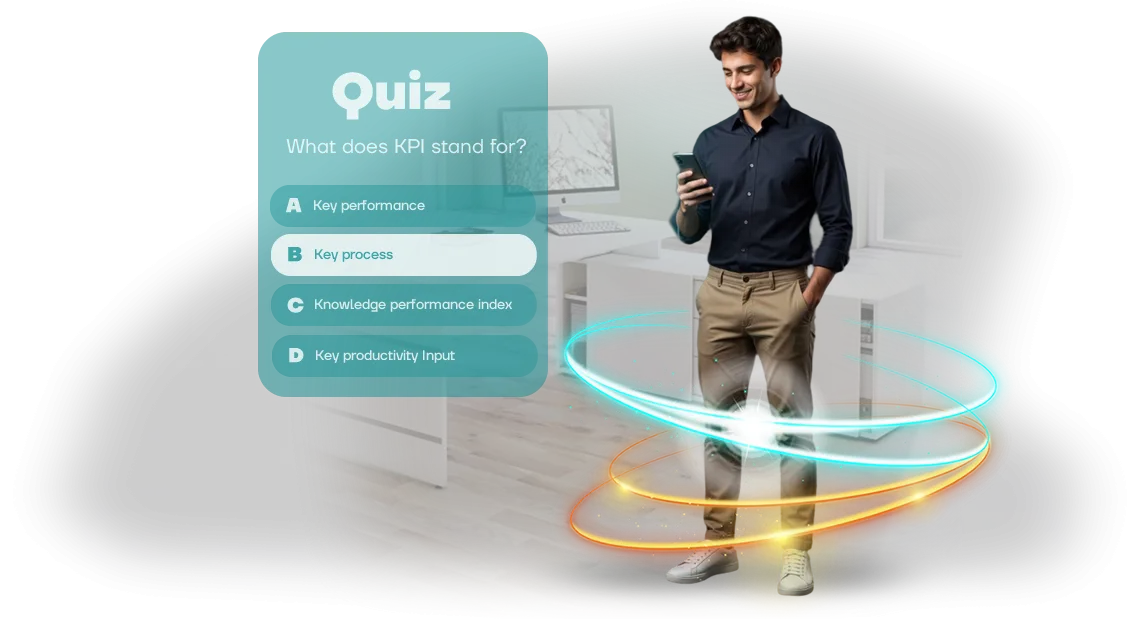
חוסר באמפתיה והבנת הלקוח הורס מכירות
עובדים שלא שומעים את הלקוח עולים לעסק יותר ממה שנדמה. הם ממלאים אחרי הסקריפט באופן פורמלי, אבל מפספסים תסכול, ספקות וצרכים אמיתיים — והלקוח עוזב למתחרה, אפילו בלי להסביר למה.
כל אובדן כזה הוא לא רק עסקה שנכשלה, אלא גם מוניטין פגום שאחרים שומעים עליו. החברה מוציאה תקציב על משיכת קונים חדשים, בעוד ישנים עוזבים בשקט: השירות נשאר מנומס, אבל לא ממוקד לקוח.
הכשרת צוות לעיתים קרובות מסתכמת בתיאוריה ומבחנים שלא משנים התנהגות בדיאלוג חי. כדי לעזור לעובד באמת להתחיל להבין את הלקוח, צריך תרגול — בטוח, ריאלי ומדיד.
אנחנו בונים חידוני הדרכה שמאמנים אמפתיה על תרחישים יומיומיים: התנגדויות, ספקות, ציפיות שלא נאמרו. זה הופך ידע למיומנות, ומיומנות לצמיחה במכירות חוזרות ובנאמנות קהל.
מה אימון אמפתיה נותן לעסק
אמפתיה היא לא "מיומנות רכה" אלא גורם מדיד במכירות ושימור לקוחות. כשעובד חש את הלקוח, הסל הממוצע גדל, התחלופה יורדת, וקונפליקטים מתרחשים פחות.
בצוות שלנו ריכזנו את התוצאות העסקיות המרכזיות שאימון אמפתיה שיטתי מספק. בדקו אילו מהן כבר עובדות בצוות שלכם.
-
נאמנות לקוחות מוגברת. לקוח חוזר למקום שבו מבינים אותו. עובד מיומן קורא רגשות, מציע פתרון בזמן, ומפחית את הסיכון לאובדן הלקוח למתחרה.
-
סל ממוצע גבוה יותר. אמפתיה עוזרת לשמוע את הצורך החבוי ולהציע אפשרות או מוצר נוסף. הלקוח מוכן יותר לקבל המלצה כשהוא מרגיש דאגה, לא לחץ.
-
פחות קונפליקטים. עובד שמזהה עצבנות ופחד יכול להפיג מתח לפני שהמצב הופך לתלונה. זה אומר פחות לחץ לצוות ועלויות נמוכות יותר לפתרון תביעות.
-
שיפור שימור לקוחות. ככל שלקוח נשאר עם החברה יותר זמן, כך הערך שלו לאורך זמן גבוה יותר. שירות אמפתי מפחית נטישה והופך מערכות יחסים ליציבות באופן צפוי.
-
צמיחה בהכנסות דרך מכירות חוזרות. הבנת הלקוח מאפשרת לבנות את הדיאלוג כך שיחזור לא רק לשירות אלא גם למוצרים חדשים. מכירות חוזרות הן הערוץ הזול ביותר לצמיחת רווחים.
כל יתרון הופך למספרים אם מוסיפים להדרכה הערכה לפני ואחרי. אנחנו בונים חידונים שמראים מיד את התקדמות העובד ואת ההשפעה על מדדים עסקיים — ממדד הנאמנות ועד מספר ההזמנות החוזרות.
פורמטים של חידוני הדרכה למשימה שלכם
אפשר לאמן עובדים בדרכים שונות — העיקר שהפורמט מספק תוצאות ספציפית לצוות שלכם. אנחנו בוחרים את הפורמט לפי המשימה: מבדיקת ידע מהירה ועד לטבילה מלאה בסיטואציה שדורשת אמפתיה והבנת לקוח.
השוו בין שלוש האפשרויות המרכזיות:
| פורמט | למי | מה הוא מספק |
|---|---|---|
| מבחן קלאסי | הדרכה המונית, מתחילים | הערכת ידע מהירה, סטטיסטיקה אוטומטית |
| סימולטור דיאלוג | מנהלים, צוות קו ראשון | תרגול תגובות בסביבה בטוחה ללא סיכון ללקוח |
| סימולטור תלת-ממדי | עובדים במצבי לחץ, מנהלי צוות | טבילה מלאה בתרחיש, פיתוח אמפתיה |
המבחן הקלאסי עוזר לזהות פערים במהירות ולחזק תיאוריה. סימולטור הדיאלוג מלמד איך להגיב ללקוח בשיחה אינטראקטיבית, לראות את ההשלכות של המילים שלכם, ולמצוא ניסוחים יעילים.
הסימולטור התלת-ממדי הולך רחוק יותר: העובד חווה סיטואציה ריאלית ולומד להרגיש את הלקוח, לא רק לשנן סקריפטים. זו בדיוק פיתוח האמפתיה והבנת הלקוח — משהו שמשפיע ישירות על נאמנות ומכירות חוזרות.
אנחנו משלבים פורמטים בתוכנית אחת: מבחן להערכה ראשונית, סימולטור לתרגול מיומנויות, סימולטור תלת-ממדי למקרים מורכבים. אתם מקבלים מערכת הדרכה הוליסטית שמשפרת את איכות השירות באופן מדיד.
איך פיתוח החידון עובד ב-6 שלבים
אתם מקבלים לא "קופסה שחורה" אלא תהליך ברור של שישה שלבים — בכל שלב אתם רואים מה קורה ומקבלים החלטות מפתח. זה שומר על יצירת החידון כמשהו ניתן לניהול, צפוי, ומניב תוצאות שעובדים באמת משלימים.
-
בריף ומטרות. אנחנו מגדירים איזו התנהגות צריך לשנות, אילו סיטואציות לכסות, ואיך למדוד התקדמות. זה הבסיס שעליו בנוי כל החידון.
-
תוכנית ומבנה. אנחנו קובעים את מספר השאלות, הסתעפויות התרחיש, ולוגיקת המשוב. אתם מקבלים מסמך עם היקף העבודה ולוחות זמנים.
-
תרחיש ותוכן. יחד איתכם, אנחנו כותבים דיאלוגים ריאליסטיים המבוססים על בסיס הלקוחות שלכם והתנגדויות אופייניות. אין תיאוריה מופשטת — רק מה שהעובד פוגש ביום-יום.
-
בדיקה ותיקונים. אתם בודקים את התרחיש עם קבוצת מיקוד או אישית, ואנחנו מבצעים שינויים לפני שפיתוח טכני מתחיל. זה חוסך תקציב וזמן.
-
פיתוח והרכבה. אנחנו בונים את החידון על פלטפורמה מקצועית, מגדירים עיצוב ויזואלי, ניקוד, והסברים ברורים לעובד. הפורמט המוגמר נפתח מכל מכשיר.
-
השקה ותמיכה. אנחנו משלבים את החידון במערכת ניהול הלמידה שלכם או מספקים קישור ישיר, ומריצים בדיקת פיילוט. אחרי ההשקה אנחנו נשארים בקשר: משכללים שאלות, מעדכנים תרחישים, ומוודאים שהתוכנית נשארת שימושית.
גישה זו מסירה סיכונים מיותרים: אתם יודעים את לוחות הזמנים במדויק, שולטים בתקציב, ומקבלים חידון שפותר את משימת ההדרכה. תמיכה לאחר ההשקה מאפשרת לכם להגיב במהירות לסיטואציות חדשות בעבודת הלקוחות.
מה כלול בחבילת מסירת החידון
אתם מקבלים מוצר מוכן שניתן להשיק מיד לאחר המסירה, בתוספת חבילת חידון מלאה — תרחיש, הגדרות, אנליטיקה והוראות.
אין צורך להעסיק מומחים טכניים: הכל כבר מותאם למשימה של פיתוח אמפתיה והבנת לקוח אצל עובדים.
- תרחיש ובסיס מתודולוגי. שאלות, אפשרויות תשובה והסברים. העובד רואה לא רק "נכון/לא נכון" אלא גם ניתוח — למה תשובה טובה ואיך לנהל דיאלוג עם הלקוח.
- מכניקת משחק לפורמט הדיאלוג. תרגול שיחה חיה, רמזים ומערכת ניקוד — כבר מוגדרים ומובנים בחידון; אין צורך להוסיף דבר.
- מדריך מנהל. הוראות שלב-אחר-שלב כיצד להשיק את החידון, להוסיף משתתפים ולנהל תזמון. השיקו את ההדרכה בערב אחד, גם אם מעולם לא השתמשתם בכלים דומים.
- מודול אנליטיקה. דוחות ברורים על כל עובד, מחלקות ודינמיקת הדרכה. אתם יכולים לראות מיד היכן אמפתיה כבר נוצרה ומי זקוק לתשומת לב נוספת.
- עדכונים ותמיכה. במידת הצורך, אנחנו מתאימים שאלות ותרחישים לשינויים במוצר או בתקני השירות שלכם. אחריות החידון תקפה לכל תקופת השימוש.
כל זה מוכן לפעולה עצמאית — הצוות שלכם יכול להריץ הדרכה שוטפת ללא מעורבות מפתחים. כל מה שנשאר הוא לקבוע תאריך ולהזמין עובדים.
מקרה בוחן: איך הגדלנו את נאמנות הלקוחות ב-30%
יישמנו סימולטור דיאלוג תלת-ממדי עבור הבנק הקמעונאי סטוליצה כדי ללמד עובדים לעבוד עם לקוחות לא מרוצים. במקום הרצאות ומבחנים — תרחישים חיים: הנציג משוחח עם מבקר וירטואלי שמתווכח, מטיל ספק ודורש פתרונות. אפשר לנתח טעות מיד ולנסות שוב ללא חשש להרוס שיחה אמיתית.
חודשיים לאחר השקת ההדרכה, הבנק רשם עלייה של 30% במדד NPS. יועצים הפסיקו להעביר שיחות למומחה אחר בתדירות גבוהה יותר ומצאו טיעונים מהר יותר במגעים חוזרים.
איכות הדיאלוג גדלה בדיוק בגלל שעובדים תרגלו סיטואציות קשות בסביבה בטוחה, לא על לקוחות חיים.
"נהגנו להריץ הדרכות פעמיים בשנה, ותוך חודש המיומנויות נשכחו. עכשיו הדרכה זמינה כל שבוע, ואנחנו רואים תוצאות בהערכות ובשיחות אמיתיות", מעיר ראש תחום חוויית הלקוח. התוכנית ארכה שעתיים לאדם, כך שלא היה צורך למשוך את הצוות מהעבודה.
הפורמט הזה פותר שתי משימות בבת אחת: העובד מקבל תרגול מעשי, והעסק מקבל איכות שירות עקבית ללא הוצאות נוספות על שחקנים חיים והשכרת אולמות.
בהתבסס על תוצאות הפיילוט, הבנק פרס את הסימולטור לכל הסניפים וכלל אותו בתוכנית הקליטה לעובדים חדשים.
איך לבחור את פורמט החידון המתאים לצוות שלכם?
יש לבחור את פורמט החידון לא לפי טרנדיות אלא לפי המיומנות שאתם רוצים לפתח. אם המשימה היא לבדוק אם העובד מכיר את המוצר והנהלים, מבחן רב-ברירתי קלאסי מספיק.
אבל אם אתם צריכים לפתח אמפתיה והבנת לקוח, בדיקת ידע לבדה לא מספיקה: מה שחשוב יותר הוא איך אדם מתנהג בדיאלוג חי, וזה ניתן לאימון רק דרך תרחישים.
ההבדל בהשפעה הוא עצום. חידון פשוט מראה תוצאה של "יודע — לא יודע", אבל לא משנה התנהגות.
פורמט דיאלוג עם תרחישים מסועפים מציב את העובד מול בחירה, מראה את ההשלכות של תשובות, ומאפשר לתקן כיוון במהלך השיחה.
גישה זו עובדת עמוק יותר: האדם לא משנן תשובה אלא חי את הסיטואציה ומעביר אותה ללקוחות אמיתיים.
חכם יותר לחלק את התקציב לפי המשימה, לא לפי הפורמט. לבדיקה המונית של צוות גדול, חידון טקסט קצר חסכוני יותר — הוא לא דורש טבילה עמוקה ונכנס בקלות ליום העבודה.
במקום שצריך לתרגל דיאלוגים מורכבים, כדאי להשקיע בסימולטור דיאלוג: הוא משתלם כי אפשר לאמן עובדים חדשים ללא חונך, תוך שימוש באותן סיטואציות שוב ושוב.
הגישה האופטימלית היא להתחיל בהשקת פיילוט: קחו מחלקה אחת, בדקו את התרחיש על קבוצה קטנה, והסתכלו על המדדים. אם נאמנות הלקוחות גדלה או מספר הפניות הקונפליקטיות יורד אחרי החידון — הרחיבו את הפורמט לכל החברה. אם לא, השקעתם מעט זמן אבל קיבלתם הבנה מדויקת היכן נמצא צוואר הבקבוק.
ספקות נפוצים לפני הזמנת חידון
לפני הזמנת חידון, למנהלים יש בדרך כלל שלוש שאלות: האם קשה ליישם, האם עובדים יאבדו עניין, והאם ההשקעה תהיה מוצדקת. נתייחס לכל ספק — ונראה איך אנחנו פותרים אותו לפני ההשקה.
האם יהיה קשה לשלב את החידון בשגרת העבודה?
היישום אורך בין כמה ימים לשבועיים בהתאם להיקף. אנחנו מכינים את התרחיש בעצמנו, מגדירים גישה לחידון דרך דפדפן ומסנג'ר, ואז נותנים בריף קצר למנהל.
אין צורך לערב את מחלקת ה-IT או לשנות תהליכי עבודה: עובדים משלימים את ההדרכה בזמן נוח מכל מכשיר.
עובדים יאבדו עניין מהר — איך שומרים על תשומת הלב שלהם?
החידון בנוי על תרחישי דיאלוג שמדמים שיחות אמיתיות עם לקוחות. זה לא מבחן יבש, אלא סיטואציה חיה עם אפשרויות תשובה ומשוב מיידי: העובד רואה מיד לאן ההחלטה שלו הובילה.
אנחנו מוסיפים נקודות, דירוגים ואלמנטים תחרותיים — העניין נשאר גבוה לאורך כל ההדרכה, וסבבים קצרים חוזרים שומרים עליו חי לאחר ההשקה.
מה היתרון העסקי — האם החידון ישתלם?
התוצאה המרכזית היא שעובדים קוראים רגשות לקוחות מהר יותר ועושים פחות טעויות בתקשורת. זה מפחית את מספר הקונפליקטים, מעלה את המרת המכירות ומקצר את הזמן לפתרון מחלוקות.
בחישוב לעובד, עלות החידון נמוכה יותר ממפגש הדרכה סטנדרטי, וההשפעה מאומתת עם מדידות בקרה מיד לאחר הסיום.
אנחנו מבטיחים תוצאה: אם לאחר ההשקה לא תראו מעורבות או שהמדידות לא מראות שיפור, נשכלל את התרחיש ללא תשלום. אנחנו לוקחים על עצמנו את כל שאלות היישום וההגדרה — כל מה שנדרש מכם הוא לקבוע תאריך התחלה.מוכנים לדון בפיתוח חידון לצוות שלכם?
ברור כשעובד חש, מהאינטונציה והמילים הראשונות של לקוח, איך הכי טוב להגיב. זו בדיוק הסיבה שאנחנו מפתחים סימולטורי דיאלוג תלת-ממדיים: העובד מתאמן בסביבה בטוחה ומקבל משוב מיידי. אם אתם מוכנים להתחיל, פשוט השאירו פנייה.
בצוות שלנו תהליך השקת החידון מעוצב כך שאתם רואים את התוצאה בכל שלב. הנה איך העבודה מתנהלת:
- אתם משאירים פנייה לייעוץ — אנחנו חוזרים אליכם תוך יום עסקים אחד.
- יחד אנחנו קובעים אילו תרחישי תקשורת עם לקוחות צריך לתרגל.
- אנחנו מחשבים את עלות הפיתוח ולוח הזמנים ליישום, ומכינים תוכנית השקת פיילוט.
- אנחנו מסכמים על התרחיש והעיצוב הוויזואלי של החידון, ואז עוברים לפיתוח.
- אתם מקבלים את הסימולטור המוגמר, בודקים אותו, ואנחנו מבצעים תיקונים.
- אתם משיקים את הדרכת העובדים — ורואים את התוצאות הראשונות בדוח.
הפורמט הזה אורך רק כמה שבועות — מהפגישה הראשונה ועד מסירת הפתרון המוגמר. לאחר היישום, אנחנו נשארים בקשר: עוזרים בשילוב במערכת ההדרכה שלכם ומעדכנים תרחישים למשימות חדשות.
השאירו פנייה בעמוד זה — ונחזור אליכם תוך יום אחד עם ייעוץ, הערכת עלות ותוכנית יישום ברורה. כך אתם מזמינים חידון מותאם למשימה שלכם, ללא אישורים מיותרים. אין התחייבויות, רק פרטים ספציפיים לצוות שלכם.