

טעויות בתחזוקת ציוד עולות ביוקר
כל טעות בתחזוקת ציוד היא לא רק פגם בביצועים. היא השבתת ייצור, החמצת מועד אחרון, והסיכון לתקלה חירומית שפוגעת בתקציב החברה ובמוניטין שלה.
לרוב, תוצאות כאלה מתרחשות לא בגלל מורכבות המכונות, אלא בגלל פעולות הצוות: מישהו דילג על שלב חובה בהליך, מישהו הידק מחברים בסדר לא נכון, מישהו העריך לא נכון את מצבו של רכיב.
הכשרת עובדים אמורה לבטל סיכונים אלה, אך הפורמטים המסורתיים לא עומדים במשימה. הרצאות ותדריכים מספקים תיאוריה, אבל ברגע של תקלה אמיתית, אדם פועל על אוטופילוט — וחוזר על אותה טעות הרגלית. יש להם ידע אבל חסר להם מיומנות.
כל השבתת ציוד שנגרמת מטעות כזו עולה לחברה יותר מכל קורס: מועדים, לקוחות ומוניטין — כולם נפגעים.
הבעיה היא שעל ציוד אמיתי, עובדים לומדים בניסוי וטעייה. כל ניסוי הוא סיכון לתאונה, כל טעות היא השבתה פוטנציאלית. אנחנו צריכים לאפשר לצוות לתרגל בבטחה ולחדד את פעולותיהם עד שהן הופכות לאוטומטיות, מבלי לעצור את הייצור.
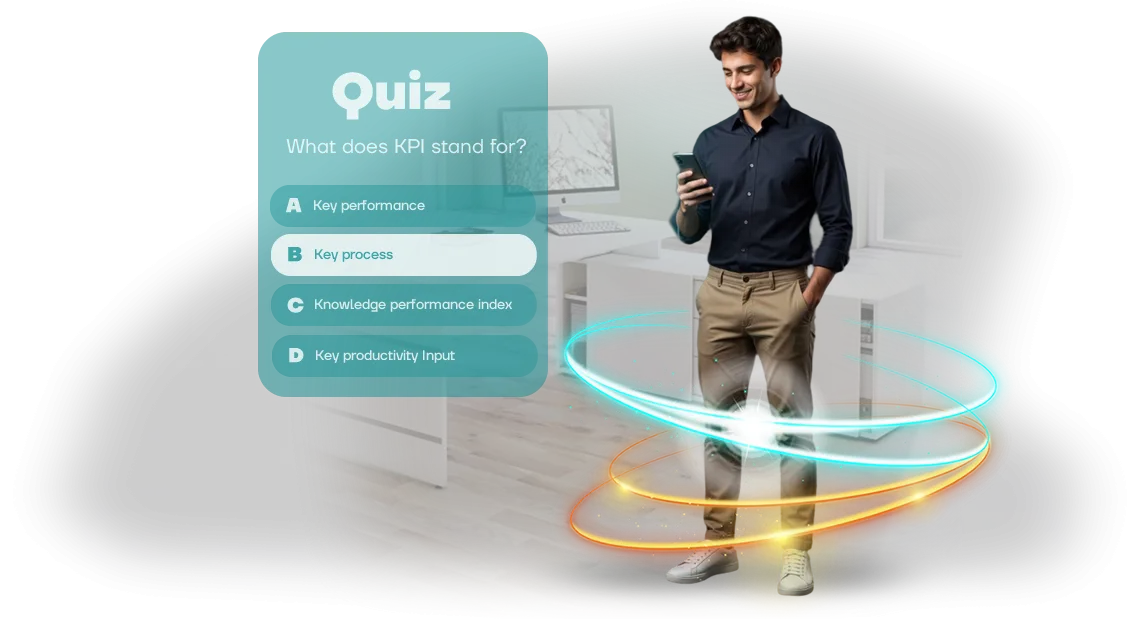
אנחנו פותרים זאת עם חידון 3D אינטראקטיבי שמכשיר עובדים על עותק וירטואלי של הציוד. העובד עובר תרחישי תחזוקה, מקבל החלטות, ומיד רואה את ההשלכות — בעוד המערכת מתעדת אילו שגיאות צוות הן הנפוצות ביותר.
זה הופך את הכשרת העובדים לתהליך ניתן לניהול שמפחית השבתות ציוד ואת מספר מצבי החירום.
מה מקבלים מחידון הכשרת עובדים
חידון חינוכי הוא לא רק בידור אלא כלי עבודה להכשרה ארגונית. הוא הופך מדריך תחזוקת ציוד משעמם לפורמט אינטראקטיבי שעובדים משלימים בעניין וזוכרים לאורך זמן. הדבר העיקרי שמקבלים הוא שיפור מדיד במיומנויות מבלי לקחת זמן מהייצור.
התוצאה הראשונה היא שיפור ההסמכה. העובד לא רק קורא באופן פסיבי אלא עונה על שאלות, מיישם ידע במצבים מדומים, ומיד רואה את הטעויות שלו. זה בונה מיומנויות עמידות שעוברות לעבודה אמיתית. כתוצאה מכך, הצוות שולט בהליכים מהר יותר ועושה פחות טעויות במהלך תחזוקת ציוד.
ההשפעה החשובה השנייה היא הפחתת סיכונים. כשכל עובד עובר בדיקת ידע לפני קבלת אישור לעבודה, אתם מגנים על עצמכם מתאונות, השבתות ותיקונים יקרים. החידון חושף פערי הכשרה לפני שהם מובילים לבעיה. אתם יודעים מי מוכן לעבודה ומי זקוק להכשרה נוספת.
ההשפעה השלישית היא הגברת המעורבות. הפורמט התחרותי, הניקוד והמשוב מניעים עובדים להשלים הכשרה לא רק כדי לסמן וי אלא בשביל תוצאות. אנשים חוזרים לחידון מיוזמתם כדי לשפר את הביצועים שלהם. זה יוצר תרבות של התפתחות מקצועית מתמשכת בתוך הצוות שלכם.
לבסוף, אתם מקבלים תמונה אובייקטיבית של רמת הידע של כל הצוות. דוחות תוצאות החידון מראים אילו נושאים מובנים היטב והיכן צריך לחזק את ההכשרה. זה מאפשר לכם לקבל החלטות פיתוח כוח אדם על סמך נתונים, לא על סמך ניחושים.
גישה זו להכשרה ארגונית מחזירה את ההשקעה במהירות: פחות טעויות, פרודוקטיביות גבוהה יותר, פעולת ציוד יציבה יותר. ועובדים תופסים הכשרה לא כחובה אלא כהזדמנות לצמוח. אתם מקבלים צוות שיודע ועוקב אחר תקני תחזוקה.
פורמטי חידון למטרות עסקיות שונות
חידונים אינם מוגבלים לתרחיש אחד. בהתאם למטרה — הצגת נהלים חדשים, אימות ידע לפני אישור עבודה, או פשוט מעורבות הצוות — אנו מתאימים את הפורמט, השאלות והמכניקה למשימה שלכם.
כך, כלי אחד מכסה צרכים שונים: מהטמעה מהירה של מתחילים ועד הסמכה תקופתית של מומחים מנוסים.
| פורמט | קהל יעד | מה זה נותן ללקוח |
|---|---|---|
| חידון הדרכה | עובדים חדשים, צוות קו | הטמעה מהירה בהליכים, ציוד ותקנים ללא הרצאות משעממות |
| בדיקת הסמכה | מומחים וצוות טכני | הערכת ידע אובייקטיבית, מוכנות לעבודה ותיעוד ברור של תוצאות |
| חידון גיימיפיקציה | כל המחלקות, כולל גיבוש צוות | הגברת מעורבות, רוח צוות וסקירת חומר באמצעות תחרות |
אנו מתאימים כל חידון להליכים ולתקנות הספציפיים של החברה שלכם. שאלות עשויות לכלול מקרי עבודה אמיתיים, ניתוח מצבים חריגים או דרישות בטיחות — כל מה שבאמת קורה בעבודה היומיומית של העובדים.
קל לשלב בין הפורמטים: למשל, להתחיל עם חידון הדרכה ואחרי חודש להריץ בדיקת הסמכה על אותם נושאים. אתם קובעים את רמת הקושי, מספר הניסיונות וזמן ההשלמה בעצמכם.
כתוצאה מכך, אתם מקבלים חידון שפותר בעיה עסקית ולא רק מבדר את הצוות.
איך עובד פיתוח חידון ההדרכה
שלבי יצירת החידון מתוכננים כך שבכל שלב אתם רואים את התוצאה ומקבלים החלטות. אנו עובדים מרחוק, מתקשרים בערוצים הנוחים לכם, ומספקים נקודות אישור ברורות — מבלי להיכנס לפרטים טכניים.
- בריף וניתוח. אנו לומדים את העובדים שלכם, יעדי הלמידה ומאפייני התחזוקה. אנו קובעים איזה ידע צריך לחזק ובוחרים פורמטי שאלות מתאימים.
- תוכנית ומפרט טכני. אנו קובעים היקף, לוח זמנים וקריטריוני קבלה. אתם מאשרים את המפרט הטכני, כך שמההתחלה ברור מה תהיה התוצאה.
- אישור תוכן. העורכים שלנו עובדים עם המומחים שלכם כדי לחדד את כל השאלות, התשובות וההסברים. אתם בודקים את הדיוק, ואנחנו הופכים את הניסוח לברור ובלתי נשכח.
- פיתוח. אנו בונים תרחיש אינטראקטיבי עם מודלי ציוד תלת-ממדיים ומערכת רמזים. בסוף שלב זה, אתם רואים אב טיפוס ומעריכים איך ההכשרה נראית מנקודת מבטו של העובד.
- בדיקות ועידון. אנו מריצים את החידון על קבוצת ניסוי, אוספים משוב ומבצעים התאמות. זה מונע תקלות ובעיות לוגיות עד להשקת ההכשרה.
- השקה ותמיכה. אנו משלבים את החידון במערכת ניהול הלמידה שלכם, מגדירים תפקידים וגישה. אנו מאמנים מנהלים, מוסרים הוראות ונשארים זמינים לעדכונים.
זמן הפיתוח הממוצע הוא משלושה שבועות, תלוי בהיקף ובמורכבות. אתם מקבלים כלי עבודה, לא רק קובץ עם שאלות, ויכולים להתמקד לחלוטין בתוצאת הלמידה.
מה כלול בפתרון החידון המוכן
פתרון חידון מוכן הוא לא רק קובץ עם שאלות, אלא חבילה מלאה להשקת הכשרה ללא מעורבות מפתחים.
אנו מרכיבים שאלות מהליכי התחזוקה שלכם, מגדירים ממשק ברור, מחברים דוחות, ובמידת הצורך משלבים את הפלטפורמה עם המערכת הפנימית שלכם. כל מה שנדרש מכם הוא לקבוע תאריך ולהזמין עובדים; כל השאר מוכן לשימוש.
החבילה כוללת:
- מאגר שאלות תחזוקה — מבסיסי ועד מורכב, עם הסברים לתשובות נכונות. העובד לא רק מנחש; הוא משנן את אלגוריתם הפעולה הנכון.
- ממשק רספונסיבי — החידון נפתח במחשב, טאבלט או סמארטפון, אינו דורש התקנת תוכנה ופועל דרך דפדפן.
- בדיקת תוצאות אוטומטית — משתתפים רואים מיד אם ענו נכון, ואם טעו, הם מקבלים רמז מהיר למה זה לא מקובל.
- דוחות השלמה — לכל עובד, מחלקה ולכל החברה: מי עבר, מי טעה ואילו נושאים בפיגור. זה נותן למנהלים תמונת ידע מוכנה.
- הוראות מנהל — איך להשיק חידון, לשנות מועדים, להוסיף משתתפים ולייצא תוצאות. כל מנהל ללא הכשרה טכנית יכול להתמודד עם זה.
- אינטגרציה עם מערכות פנימיות — במידת הצורך, אנו שולחים תוצאות למערכת ניהול הלמידה או לפורטל משאבי האנוש שלכם, כך שנתונים זורמים אוטומטית למסד הנתונים המשותף.
חבילה כזו מכסה את כל המחזור: הכנה, ביצוע וניתוח תוצאות. אתם מקבלים כלי עבודה להכשרה ובקרת ידע שמחזיר את ההשקעה לאחר ההשקה הראשונה — ללא אישורים ארוכים ופגישות סטטוס שבועיות.
מקרה בוחן: איך חידון הפחית השבתות ציוד
קבוצת הייצור Promtech מתחזקת צי של ציוד מורכב. טעויות צוות במהלך עבודה שגרתית הובילו להשבתות לא מתוכננות: בזמן שחיפשו את הגורם והזעיקו שירות, הסדנה איבדה שעות ולוח הזמנים של האספקה התפרק.
פיתחנו חידון הדרכה שבו עובדים קיימו אינטראקציה עם תרחישי תחזוקה על מודלי ציוד תלת-ממדיים. במקום הוראות משעממות — מצבים אינטראקטיביים: מה לעשות בטמפרטורות חריגות, מהו הסדר הנכון להחלפת רכיב. הלקוח השיק את החידון ל-40 מכונאים ומפעילים.
מספרים אחרי שלושה חודשים
מדדנו את התוצאות באמצעות יומני השבתות ודוחות ליקויים. מספר שגיאות התחזוקה ירד בכמעט חצי, והשבתות ציוד לא מתוכננות ירדו בשליש.
הזמן הממוצע לפתרון מצב חריג ירד משעתיים לארבעים דקות — הצוות הפך למהיר יותר באיתור הגורם ובביצוע הליך מחודד היטב.
השפעה נוספת הייתה הפחתת העומס על מהנדסי השירות: חלק מהקריאות שדרשו בעבר ביקור מומחה מטופלות כעת על ידי המכונאים עצמם.
הלקוח ציין שההכשרה כבר לא הייתה פורמליות: עובדים חזרו באופן עצמאי על תרחישים קשים כדי לחזק את מיומנויותיהם.
חוות דעת לקוח
ראש השירות הטכני אישר: החידון החזיר את ההשקעה כבר ברבעון הראשון — ההשבתות ירדו, והטמעת עובדים חדשים הואצה פי כמה.
לאחר מכן, הלקוח הזמין מודול שני לאזור אחר, מה שמעיד על הערך המעשי של הפורמט.
איך לבחור פורמט חידון לצוות שלכם?
פורמט החידון הנכון נקבע לא לפי מספר השאלות, אלא לפי איך הצוות שלכם תופס הכשרה ואילו מטרות עומדות בפניהם. לפני הבחירה, העריכו שלושה דברים: מי לומד, מה אנחנו מלמדים ואיך נאמת את התוצאה.
אם עובדים עובדים במשמרות או מפוזרים בין אתרים, תרחישים קצרים שניתן להשלים בטאבלט או בטלפון מבלי להפריע למשימותיהם הם נוחים.
צוות צעיר מתחבר מהר יותר לאלמנטים תחרותיים ולסיפורים ויזואליים, בעוד מומחים מנוסים מעריכים יותר ניתוח של מצבים חריגים מורכבים.
תוכן החידון צריך להתבסס על ההליכים שלכם ועל הוראות התחזוקה האמיתיות. אנו מתאימים שאלות לציוד ספציפי: מיקומי רכיבים, רצף פעולות, טעויות נפוצות, דרישות בטיחות.
כך, אתם מקבלים לא בדיקה מופשטת אלא כלי שמפחית את מספר התקלות והתאונות.
קריטריון הבחירה הוא לא קלות ההכנה, אלא האם המטרה מושגת: ידע מחוזק, נקודות חולשה מזוהות, מהירות תגובה במצבים חריגים מוגברת.
לכן אנו מציעים מספר פורמטים ובוחרים יחד אתכם את זה שבאמת נמצא בשימוש, לא ננטש אחרי ההשקה הראשונה.
אנו ננתח את הצוות, המשימות והציוד שלכם, נציע פורמט מתאים ונתאים אותו לדרישות הספציפיות של הייצור שלכם.
בואו נדון בפרטים בייעוץ — ספרו לנו אילו שאלות עולות הכי הרבה, ונייעץ לכם כיצד להפוך אותן לחידון אפקטיבי.
שאלות נפוצות על פיתוח חידוני עובדים
לפני תחילת פרויקט, לקוחות שואלים את אותן שאלות: על לוחות זמנים, תקציב, היכולת לשנות תוכן והבטחות. ריכזנו כאן את התשובות — בקצרה, ללא פרטים טכניים.
כמה זמן לוקח פיתוח חידון?
זה תלוי בהיקף: מבחן טיפוסי עם 30–50 שאלות לוקח 2–3 שבועות; סימולטור 3D שיחתי לתחזוקת ציוד לוקח 5–8 שבועות. אנו קובעים את לוח הזמנים המדויק בחוזה לפני תחילת העבודה, כך שתוכלו לתכנן את השקת ההכשרה ללא הפתעות.
איך בנוי מבנה עלות הפיתוח?
המחיר מבוסס על שלושה דברים: מספר השאלות והתרחישים, פורמט החידון (מבחן פשוט או סימולטור אינטראקטיבי), ומורכבות האינטגרציה עם מערכת הלמידה שלכם.
לאחר בריף קצר באתר, אנו מחזירים הערכת עלות מדויקת תוך מספר ימים — כך שאתם יודעים מראש על מה אתם משלמים.
האם נוכל לעדכן שאלות לאחר ההשקה?
כן, זו תכונת מפתח של החידונים שלנו. שאלות מאוחסנות בנפרד מהקוד, כך שתוכלו להוסיף חדשות, לשנות אפשרויות תשובה או להסיר מיושנות בעצמכם — ללא מעורבות מפתחים. עדכונים לוקחים דקות, לא ימים, ואינם דורשים עצירת הכשרה.
מה לגבי תמיכה טכנית והבטחות?
אנו מבטיחים שהחידון עובד ונשארים זמינים לאחר ההשקה. אם משהו משתבש, נתקן אותו במהירות, נייעץ לעובדים שלכם ונעזור בעדכוני תוכן. אתם מקבלים מערכת עובדת, לא "קופסה" שננטשה לאחר מסירת הפרויקט.
אם עדיין יש לכם שאלה שאינה ברשימה, שאלו אותנו ישירות. נספר לכם כיצד חידון תחזוקת ציוד יכול להגביר מעורבות עובדים ולהפחית זמן המושקע בבדיקות ידע.הזמינו פיתוח חידון והכשירו את הצוות שלכם
חידון חינוכי מחזיר את ההשקעה כשהוא משולב בעבודה השוטפת של הצוות שלכם, לא נשאר כ"קובץ מת." זה חשוב במיוחד לתחזוקת ציוד: שלב שהוחמץ בהוראה מוביל להשבתה או תיקון. לכן אנו מציעים פיתוח מפתח — מבריף לתוצאה, כשאתם רואים את מדדי הידע.
בהזמנת חידון מהצוות שלנו, אתם מקבלים:
- מנהל ייעודי וערוץ תקשורת ישיר — ללא מתווכים;
- תוכנית פיתוח עם שלבים ותאריכים — אתם תמיד יודעים מה קורה ומתי;
- אב טיפוס לפני השקת הגרסה המלאה — ראו איך זה נראה ועובד;
- ייעוץ על שילוב החידון במערכת ההכשרה — נציע כיצד לשלב אותו בלוחות ההטמעה או הבדיקות;
- חומרים מוכנים להשקה: הוראות, תזכורות ודף טיפים לעובדים;
- סיוע בהכשרת צוות ותמיכה בהתחלה — אחד על אחד, ללא שאלות שלא נענו.
אנו הופכים את החידון לכלי עבודה: עובדים מבצעים אותו בטלפון או במחשב, ואתם מקבלים דוח לכל משתתף. היישום מתוכנן לעבודה יומיומית: קל לחזור על התרחיש ולעדכן אותו.
כדי להזמין חידון ולהכשיר את הצוות שלכם, השאירו בקשה לייעוץ. נשלח דוגמאות, נחשב את היקף העבודה ונציע לוחות זמנים שמתאימים ללוח הזמנים שלכם.