

לקוחות עוזבים בגלל כישורי מכירות טלקום חלשים
מכירת שירותי טלקום שונה באופן ניכר מעבודה בענפים אחרים. ללקוח יש עשרות מסלולי תעריף, תנאים ואפשרויות לבחירה, בעוד המתחרים מציעים את אותו הדבר אבל קצת יותר זול.
במצב כזה, המנצח הוא לא זה שמשבח את המוצר הכי חזק, אלא זה שיודע לשאול את השאלות הנכונות, להקשיב להתנגדויות ולהציע את הפתרון הנכון בזמן הנכון.
ללא הכשרה שיטתית, מנהלים עושים את אותן טעויות מכירה: הם קוטעים את המנוי, צוללים לפרטים טכניים ומתווכחים במקום לנתב את השיחה לכיוון היתרונות. כבר בשלב המגע הראשון, הלקוח חש בחוסר ביטחון ומאבד עניין.
ההשלכות נראות במספרים: שיעור ההמרה של לידים יורד, מנויים עוברים למפעילים עם צוות מוכוון לקוחות יותר, וכל לקוח לא מרוצה גם לוקח איתו הפניות פוטנציאליות.
מנהלים מנסים לפתור את הבעיה עם הדרכות קלאסיות, אבל הרצאות בחדר ישיבות לא נותנות למנהלים את הדבר המרכזי — תרגול בטוח של דיאלוג חי עם תרחישים לא סטנדרטיים. התיאוריה נשכחת מהר, והמיומנות של טיפול בהתנגדויות מורכבות אף פעם לא מתפתחת.
זו הסיבה שהכשרת מנהלים בחברות טלקום עוברת לפורמטים אינטראקטיביים של סימולטורים.
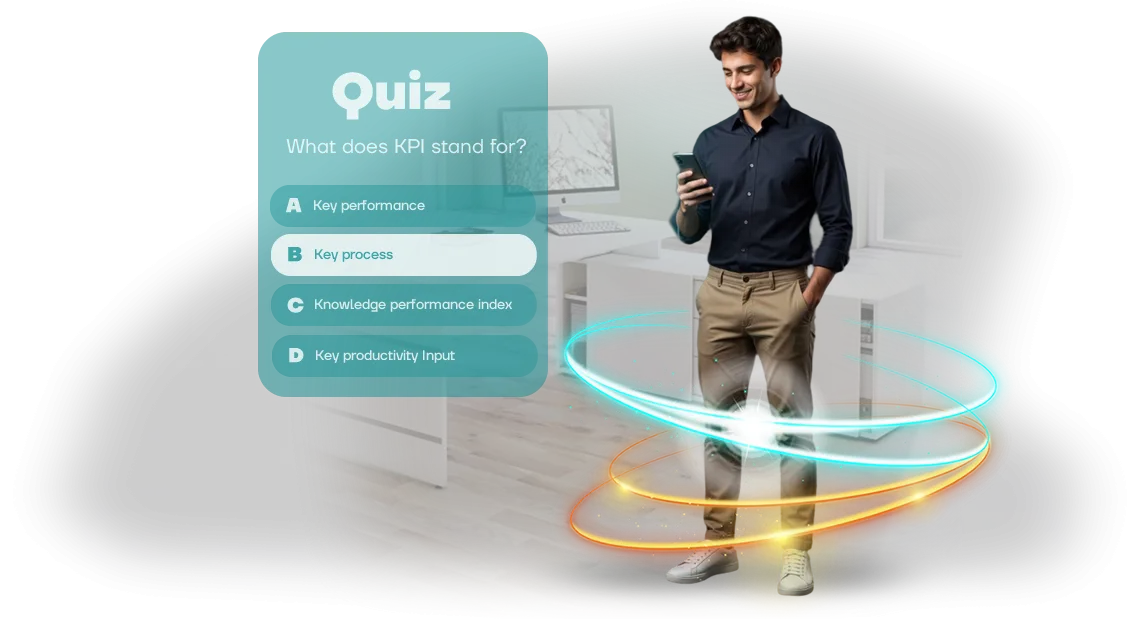
כאן נכנס לתמונה חידון צוות שפותח בצוות שלנו. אנו יוצרים סימולטור חידון תלת-ממדי מבוסס דיאלוג על Unity שמציב את המנהל במצב ריאלי — שיחה עם מנוי וירטואלי בטלפון או בחנות תקשורת.
העובד מגיב לרמזים, בוחר אסטרטגיית התנהגות, והסימולטור מראה לאן כל אפשרות הובילה: איפה הלקוח אבד, איפה העסקה ניצלה, איזו משפט סגר את ההתנגדות.
כך המנהל משחק דרך מקרים טיפוסיים ונדירים ללא סיכון למכירות אמיתיות — טעויות נשארות בסימולטור, בעוד תרחישים מוצלחים עוברים לעבודה היומיומית. זה פותר את בעיית ההכנה החלשה של מנהלים ומחזיר ביטחון בכל שיחה.
למה חידונים עובדים טוב יותר מהדרכות
הדרכה רגילה היא הרצאה: העובד רושם הערות, מהנהן, ושבוע אחר כך זוכר רק חלק קטן. חידון מאלץ קבלת החלטות מיידית, עשיית טעויות בסביבה בטוחה וקבלת משוב.
הפורמט האינטראקטיבי מחזק את המיומנות מהר יותר — דבר המאושר על ידי תעשיית ההדרכה הארגונית.
עבור מנהל, זה לא בידור אלא כלי לניהול תוצאות. חידון למכירות טלקום נותן לעסק שלושה אפקטים מרכזיים:
- צמיחת מיומנות — תרגול התנגדויות, מסלולי תעריף ושימור לקוחות על הקו.
- מעורבות — מכניקות תחרותיות שומרות על עניין ומגבירות פעילות.
- מדידות — ברור מי שלט בחומר ואילו נושאים עדיין דורשים תשומת לב.
אנו בוחרים את הפורמט שיתאים למשימה — הטבלה תיתן לכם נקודת ייחוס:
| פורמט | לאיזו משימה | מה העסק מקבל |
|---|---|---|
| חידון הדרכה | חיזוק ידע לאחר מפגש הדרכה | הערכה מהירה וזיהוי פערים בצוות |
| סימולטור חידון תלת-ממדי מבוסס דיאלוג | תרגול תסריטים והתנגדויות | ביטחון מנהלים ושיעור המרה גבוה יותר |
| טורניר קבוצתי | שמירה על מוטיבציה ומומנטום | מעורבות ומכירות חוזרות גבוהות יותר |
אנו מתאימים כל פורמט לנישה שלכם: התסריטים, מסלולי התעריף ופרופיל הלקוח שלכם. לכן מיומנויות שמתורגלות בחידון עוברות למכירות אמיתיות ולא נשארות תיאוריה מופשטת.
פורמטים של חידון תלת-ממדי למטרות עסקיות
הכשרת עובדים לעיתים קרובות מסתכמת בתיאוריה יבשה, אבל במכירות טלקום זה הדיאלוג החי שעושה את ההבדל.
בנינו חידונים תלת-ממדיים כתרחישי דיאלוג עם מנוי וירטואלי: העובד רואה את ההתלבטות שלו, בוחר תגובה ומקבל תגובה מיידית.
זה מהיר ואמין יותר ממבחנים קלאסיים: טעות הופכת מיד לניסיון, ובניסיון הבא העובד מנסה אסטרטגיה אחרת.
שלושה פורמטים למטרות מרכזיות
זיהינו שלושה פורמטים של חידון תלת-ממדי — לקליטה, להסמכה ולטיפול בהתנגדויות. כל אחד פותר מטרה עסקית משלו, וביחד הם מכסים את כל מחזור ההכשרה.
| פורמט | למי | מה זה נותן ללקוח |
|---|---|---|
| חידון קליטה | עובדים חדשים בשבועות הראשונים שלהם בעבודה | מקצר זמן עד הגעה ליעד מכירות, מפחית תחלופה, בונה ביטחון במוצר |
| חידון תלת-ממדי להסמכה | מנהלי מכירות קיימים | הערכת מיומנות אובייקטיבית, סטנדרטים אחידים של איכות, קריטריוני בונוס ברורים |
| סימולטור טיפול בהתנגדויות | אנשי מכירות במשא ומתן פעיל ומורכב | עבודה בטוחה עם כל ספק, שיעור המרה גבוה יותר וצ'ק ממוצע גבוה יותר |
כל פורמט מוגדר סביב קו המוצרים, התסריטים וההתנגדויות הטיפוסיות שלכם. ניתן לשלב אותם לתוכנית הכשרה — קליטה בחודש הראשון, הסמכה רבעונית, סימולטור התנגדויות לפני השקת מסלול תעריף חדש. בסופו של דבר, אתם מקבלים צמיחה מדידה במדדי הצוות ולא רק תקציב שהושקע.
איך עובד פיתוח חידון
פיתוח חידון הוא תהליך מובנה שבו אתם שולטים בכל שלב. אנחנו הולכים מניתוח המטרות שלכם ועד להשקת ההכשרה: אתם תמיד יודעים באיזה שלב נמצא הפרויקט ומה תקבלו בסוף.
-
בריף ומטרות. אנו עורכים ראיונות עם מנהלים ואנשי מכירות, מזהים טעויות טיפוסיות במכירות טלקום וקובעים אילו מיומנויות צריך לחזק. אתם מקבלים תוכנית עבודה מדויקת והבנה של מה בדיוק החידון יאמן.
-
תסריט ותוכן. אנו יוצרים דיאלוגי חידון המבוססים על מקרים אמיתיים מהפרקטיקה שלכם, עם אפשרויות תשובה ופירוט טעויות. עובדים מתאמנים על מצבים שהם פוגשים כל יום.
-
עיצוב ושימושיות. אנו מעצבים את החידון בזהות הארגונית שלכם ומתאימים אותו לטלפונים ומחשבים — עובדים יכולים להשלים אותו ללא קשיים טכניים, מכל מקום.
-
בנייה ואבטחת איכות. אנו מרכיבים את התרחיש האינטראקטיבי, מגדירים ניקוד תוצאות ובודקים עם משתמשים אמיתיים. לפני ההשקה, אתם מקבלים את המוצר המוגמר ויכולים לבצע התאמות.
-
השקה ותמיכה. אנו מחברים את החידון למערכת ההכשרה שלכם, משייכים אותו לעובדים ואוספים את התוצאות הראשונות. לאחר ההשקה, אנו מנתחים את הסטטיסטיקה ומשפרים את התוכן — החידון מתפתח יחד עם המכירות שלכם.
בממוצע, הפיתוח אורך 2–4 שבועות. אתם מקבלים כלי שמשתלב במהירות בהכשרה ומספק תוצאות מדידות: שיעור המרה גבוה יותר, ביטחון ומכירות חוזרות.
מה כלול במסירת החידון
כשאתם מזמינים חידון להכשרת עובדים, אתם מקבלים לא רק קובץ אלא כלי מוגמר לחלוטין — מהתוכן ועד לתמיכה שוטפת. להלן חבילת המסירה המלאה כדי שתבינו בדיוק מה אתם מקבלים וכמה מהר תוכלו להשיק את ההכשרה.
- תסריט מוכן למכירות טלקום — שאלות על מסלולי תעריף, שירותים, התנגדויות וסטנדרטים של שירות, מותאם לפרטים הספציפיים שלכם.
- חבילת תוכן — כל השאלות, אפשרויות התשובה, ההסברים והרמזים שעוזרים לעובד לקלוט את החומר.
- עיצוב בזהות הארגונית שלכם — לוגו, צבעים, גופנים, כך שהחידון ייראה אורגני בתוך מערכת ההכשרה שלכם.
- פאנל ניהול — אתם יכולים לשנות שאלות בעצמכם, להוסיף נושאים חדשים ולעדכן מידע ללא מעורבות מפתחים.
- תיעוד — הוראות להשקה, הגדרה ושימוש בחידון, בתוספת המלצות מתודולוגיות למנהלי מערכת.
- הכשרת מנהלי מערכת — אנו מקיימים פגישה מקוונת, מראים כיצד לנהל את החידון ועונים על שאלות.
- תמיכה טכנית — אנו עוזרים בעדכונים, תיקוני באגים וייעוץ לכל תקופת השימוש.
כל זה ארוז במערכת ברורה: אתם מקבלים כלי עבודה שניתן להשיק כבר למחרת המסירה. אין עבודה נסתרת ואין תוספות מחיר בלתי צפויות — רק מה שבאמת צריך להכשרה אפקטיבית של המנהלים שלכם.
מקרה בוחן: הכשרת מכירות טלקום שהשתלמה
במכירות טלקום, מנהלים לעיתים קרובות יודעים את מסלולי התעריף והציוד אבל הולכים לאיבוד כשהמנוי מעלה התנגדויות. הרצאות רגילות לא מספקות את המיומנות: העובד מבין הכל, אבל בדיאלוג חי נאלם.
עבור מפעיל טלקום אחד, פתרנו את המשימה הזו עם חידון הדרכה והפכנו את הכשרת המכירות למעשית.
במקום מבחן משעמם, פיתחנו סימולטור תלת-ממדי מבוסס דיאלוג: העובד מדבר עם מנוי וירטואלי, בוחר מסלול תעריף ועונה על "למה זה כל כך יקר" ו"אני לא צריך כלום". הסימולטור נגיש מכל מכשיר, כך שההכשרה מתרחשת מבלי להפריע לעבודה, ותחרות קבוצתית מוסיפה התרגשות בריאה ושומרת על מעורבות גם של אנשי מכירות מנוסים.
ההשקה הראשונית עם הלקוח — מפעיל הטלקום SvyazPlus — הניבה תוצאות מדידות תוך חודשיים. שיעור ההמרה במכירות גדל ב-14%, והצ'ק הממוצע עלה ב-9%.
עובדים חדשים החלו להגיע ליעד המכירות שלהם בשבוע אחד במקום בשלושה — החידון האיץ באופן ניכר את תהליך הקליטה.
מקרה זה הראה: לאחר סיום החידון, מנהלים מתמודדים עם התנגדויות בביטחון רב יותר ולעיתים קרובות יותר מציעים ללקוחות מסלולי תעריף יקרים יותר. הלקוח התרשם כל כך מהאפקט עד שהזמין מודולים מורחבים למגזר העסקי ולתמיכה טכנית.
החידון החזיר את ההשקעה כבר ברבעון הראשון דרך הכנסות נוספות, והצוות ממשיך להשתמש בו כבסיס קבוע לרענון ידע.
אנחנו יכולים לספק את אותה תוצאה לצוות שלכם. נכין גרסה מיני של החידון המבוססת על ההתנגדויות שלכם ונראה על אילו מדדים היא תשפיע הכי מהר. לאחר מכן ניישם את התרחיש המלא ונמדוד את האפקט לאחר השבועות הראשונים של השימוש.
שאלות נפוצות על פיתוח חידון
אנו מבינים ששאלות מעשיות עולות לפני השקת תוכנית הכשרה — לגבי לוחות זמנים, אבטחה ואינטגרציה בתהליכי עבודה. אספנו תשובות לשאלות הנפוצות ביותר כדי שתוכלו לראות מראש איך אנחנו עובדים ומה תקבלו.
כמה זמן לוקח פיתוח חידון?
לוח הזמנים תלוי בהיקף: מספר השאלות, תרחישי הסתעפות ופורמט. לפרויקט טיפוסי — בין שבועיים לארבעה, כולל אישורים ובדיקות. אנו קובעים את השלבים והתאריכים בחוזה כדי שתוכלו לתכנן את השקת ההכשרה ללא הפתעות.
עד כמה בטוח להשתמש בחידון להכשרה?
נתוני עובדים ותוצאות חידון מוגנים לפי סטנדרטים ארגוניים של אבטחה. אנו משתמשים בארכיטקטורת שרת עם בקרת גישה והצפנה — זה מונע דליפות או שיבוש תוצאות. אתם מקבלים אנליטיקה שניתן לשתף בבטחה עם משאבי אנוש ומחלקת המכירות.
איך החידון משתלב עם המערכת שלנו?
אנו משתלבים דרך הפורטל הארגוני שלכם, LMS או מסנג'ר — תלוי איפה העובדים שלכם לומדים. אין צורך לשנות תהליכים מוכרים: החידון הופך לחלק מהפלטפורמה הנוכחית שלכם, ותוצאות זורמות אוטומטית לדיווחים שלכם.
כמה עולה פיתוח חידון?
העלות נקבעת לפי היקף: עומק התרחיש, נפח התוכן וצרכי אינטגרציה. אנו מכינים הערכה שקופה ללא תשלומים נסתרים — לאחר הבריף אתם רואים את כל היקף העבודה ואת המחיר המדויק.
ואם התקציב מוגבל, נציע אפשרות שפותר את המשימה המרכזית במקום לנפח פונקציונליות.
מה קורה לאחר השקת החידון?
אנחנו לא נוטשים את הפרויקט בהתחלה. אנו מאמנים את הצוות שלכם לעבוד עם התוצאות, מספקים הוראות ונשארים לתמיכה: עדכוני תוכן, תחזוקה טכנית ופיתוח נוסף ככל שהמוצרים שלכם גדלים. אתם תמיד יכולים לפנות אלינו — ונעזור תוך יום עסקים אחד.
אם יש לכם שאלות נוספות — פנו אלינו ישירות. נגיב עם פרטים ועם ההתחשבות במאפייני עסק הטלקום שלכם.הזמינו חידון להכשרת עובדים
רוצים שמחלקת המכירות שלכם תתמודד בביטחון עם התנגדויות ותסגור יותר עסקאות? הזמינו חידון הדרכה שהופך תקנות משעממות לדיאלוג חי עם הלקוח.
אנו בונים פרויקטים כאלה עבור חברות טלקום — לאחר ההכשרה, עובדים מוצאים שפה משותפת עם לקוחות מהר יותר ומאבדים פחות חוזים בשלב המשא ומתן.
לאחר פנייתכם, תקבלו לא רק מחיר אלא פתרון מוכן למשימה שלכם. המומחה שלנו יבחן תחילה את המצב שלכם, יבחר את הפורמט המתאים ורק אז יציע הערכה ולוח זמנים. ההערכה תאפשר לכם להשוות ולקבל החלטה מושכלת.
מה תקבלו כשתפנו אלינו:
- פגישת ייעוץ על פורמט ההכשרה — נייעץ כיצד להעביר ידע לעובדים מהר יותר.
- קונספט חידון שמתחשב בפרטי השירותים שלכם ובמצבים טיפוסיים במכירות טלקום.
- תוכנית עבודה ברורה: מבריף ועד השקה, עם תאריכים ואחריות ברורה בכל שלב.
- גרסת הדגמה לפני ההתחלה — תראו איך החידון נראה ותוכלו להעריך אותו.
- הכשרת הצוות שלכם לשימוש בסימולטור והוראות למנהלי מערכת.
- אנליטיקת השלמה: כמה עובדים השלימו, אילו נושאים גורמים לקשיים, איפה נדרשת עבודה נוספת.
אנו נועלים את התוצאות הללו בחוזה ומגבים אותן באחריות. אם משהו ישתבש — נשפר את החידון או נחזיר את עלות העבודה שלא בוצעה. לכן אתם יכולים להזמין הכשרה ללא סיכון תקציבי.
השאירו את פרטי הקשר שלכם דרך הטופס באתר או כתבו לנו במסנג'ר המועדף עליכם. ניצור קשר תוך שעת עסקים אחת, נענה על שאלותיכם ונכין הצעה.
כדי להתחיל, תוכלו להזמין מודול פיילוט — תראו את הגישה שלנו ותחליטו אם להרחיב את הפרויקט לכל המחלקה.
איך לבחור את פורמט החידון הנכון?
בחירת פורמט חידון היא לא על "מה יותר טרנדי" — אלא על איזו משימה אתם פותרים ואיזה תקציב אתם מוכנים להקצות. אם אתם צריכים לבדוק במהירות איך עובדים קלטו תקנות או את טבלת התעריפים, מבחן קל עם אפשרויות תשובה מספיק.
אם המטרה היא ללמד מנהל להתמודד בביטחון עם התנגדויות במכירות טלקום, תצטרכו סימולטור מבוסס דיאלוג שמחקה שיחה אמיתית עם לקוח.
העצה הראשונה — הגדירו את הקריטריון העיקרי: מהירות השקה, עומק תרגול מיומנות או כיסוי עובדים. לבדיקות ידע המוניות, חידון קלאסי שניתן להרכיב תוך כמה ימים ולהשיק על כל מכשיר עובד היטב.
לפיתוח מיומנויות מכירה, תרחיש אינטראקטיבי עם הסתעפויות הוא הבחירה הטובה יותר — הוא עולה יותר אבל מספק צמיחה מדידה בשיעור ההמרה במשא ומתן אמיתי.
העצה השנייה — הסתכלו על התקציב כהשקעה, לא כסעיף הוצאה. מבחן פשוט פותר את המשימה המיידית אבל לא משנה התנהגות עובדים.
סימולטור תלת-ממדי מבוסס דיאלוג הבנוי על מקרי טלקום אמיתיים מחזיר את ההשקעה כי מנהלים מגיעים ליעדי המכירות שלהם מהר יותר ומאבדים פחות לקוחות על התנגדויות.
אנו עוזרים לכם לבחור פורמט למשימה ולתקציב שלכם: בהתחלה, אנו עושים בריף קצר, לומדים את קו המוצרים שלכם ותרחישי תקשורת טיפוסיים עם מנויים.
לאחר מכן, אנו מציעים את האפשרות האופטימלית — מחידון קומפקטי ועד סימולטור מלא — כך שתקבלו תוצאה, לא רק כלי שנראה יפה.