

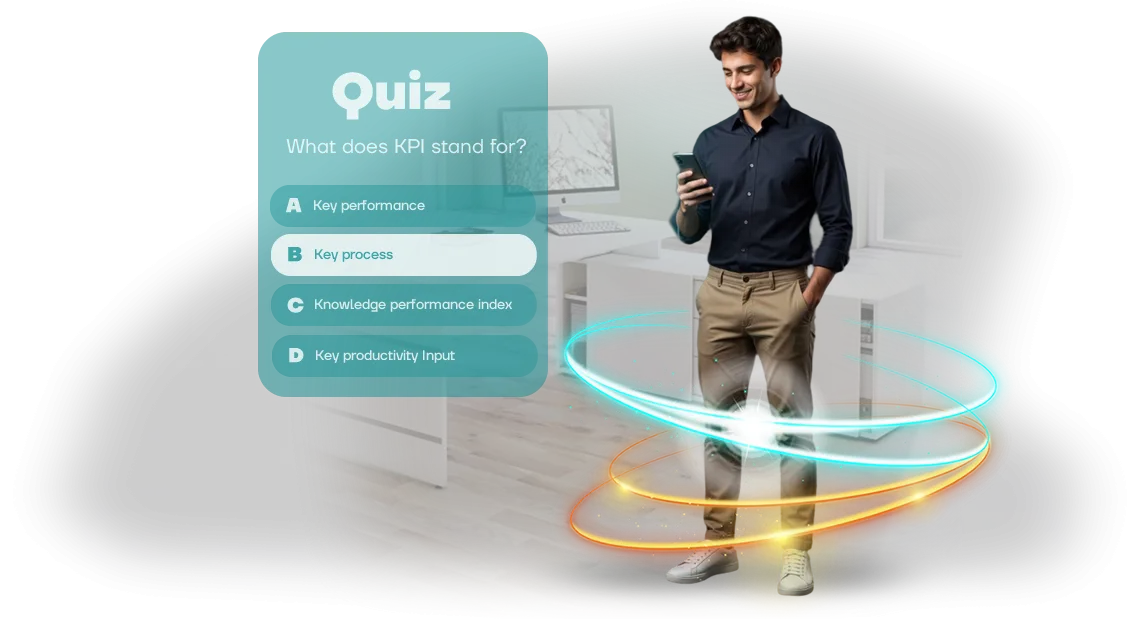
פריצות אבטחה בעבודה עם חומרים ביולוגיים
הכשרה פורמלית לבטיחות ביולוגית מתבצעת בכל המעבדות, אך זה לא מבטיח שהעובדים באמת הפנימו את הכללים.
אנשים מקשיבים להרצאה, חותמים ביומן — ואז ממשיכים לפעול מתוך הרגל, תוך הפרת פרוטוקולים בעבודה עם חומרים ביולוגיים.
כל טעות כזו של צוות היא סיכון לא רק לעובד עצמו, אלא למעבדה כולה: מדגימות פגומות ותוצאות בדיקה שגויות ועד לתקריות חמורות המאיימות על הבריאות.
רוב ההפרות, עם זאת, מתרחשות לא מתוך כוונת זדון, אלא בגלל שהידע לא גובש לפעולות אוטומטיות.
הכשרה מסורתית לא נותנת לעובדים הזדמנות לשחק דרך מצב קשה. הרצאות ומצגות מתקבלות באופן פסיבי, בעוד שבעבודה אמיתית אדם פועל תחת לחץ, מגבלות זמן וריבוי משימות. שם בדיוק פערי ההכנה מתגלים.
לכן אנו מפתחים חידוני הדרכה שמטביעים עובדים בתרחישים ריאליסטיים של עבודה עם חומרים ביולוגיים. במקום שינון סעיפי הוראות — תרגול קבלת החלטות, משוב מיידי וסקירה של כל טעות. גישה זו הופכת הכשרה פורמלית לכלי שמפחית בפועל סיכונים במעבדה.
למה פורמט המשחק עובד: מכניקת חידון למידה
הכשרת בטיחות סטנדרטית היא פורמליות: העובד הקשיב, נרשם, ושבוע לאחר מכן שכח את הנקודות המרכזיות.
משחקי למידה עובדים אחרת: הם גורמים לאנשים לחשוב, לטעות ולתקן בסביבה בטוחה, כך שהכללים נספגים דרך פעולה, לא דרך קריאת תזכיר.
מכניקת חידון — נקודות, רמות, טיימר ותחרות בין מחלקות — הופכת בדיקת ידע לתהליך מרגש. העובד מקבל תגובה מיידית לכל תשובה, רואה את הטעות מיד, ולומד מיד את האפשרות הנכונה. זה יוצר מעורבות צוות שבדיקות רגילות לא יכולות להשיג.
עבור העסק, זה אומר שהכללים לעבודה עם חומרים ביולוגיים באמת נשמרים, לא רק מסומנים כהושלמו. פחות הפרות משמעותן פחות סיכונים לבריאות האנשים ולמוניטין של החברה.
גימיפיקציה יוצרת תחרות בריאה: עובדים חוזרים לחידון כדי לשפר את התוצאות שלהם ולמשוך את הקולגות שלהם יחד איתם.
אמינות טכנית מטופלת על ידי Unity — פלטפורמה שעליה בנויים אלפי משחקי הדרכה ארגוניים.
הלקוח לא צריך להבין בפרטי יישום: אנחנו מטפלים בפיתוח המכניקות, בדיבוג ובהשקה, בעוד אתה מקבל מוצר יציב שרץ על המחשבים והטאבלטים של העובדים.
כתוצאה מכך, חידון ההדרכה מפסיק להיות חובה פורמלית והופך לכלי שעובדים מבקשים לחזור אליו. וזו דרך ישירה להפוך את הבטיחות להרגל.
פורמטי חידון למחלקות שונות בחברה
בחברה שעובדת עם חומרים ביולוגיים מעורבים אנשים שונים: צוות מעבדה, מומחי לוגיסטיקה, צוות אדמיניסטרטיבי. לכל אחד יש לוח זמנים משלו, רמת סיכון ואזור אחריות משלו, כך שפורמט הדרכה יחיד רק לעתים רחוקות מייצר את אותה תוצאה לכולם. חידון שנבחר למחלקה ספציפית עוזר לסגור בדיוק את הפערים שיש לקבוצה מסוימת.
להלן סיכמנו את הפורמטים העיקריים בטבלה — השתמש בגודל המחלקה ובאופי עבודת העובדים שלך כמדריך.
| פורמט חידון | למי הוא מיועד | מה הוא נותן ללקוח |
|---|---|---|
| חידון קצר של 5–7 דקות | מחלקות גדולות, עובדים עם לוחות זמנים צפופים | בדיקות ידע ללא הפרעה לעבודה, אבחון שגיאות מהיר |
| משחק תחרות קבוצתי | משמרות מעבדה, קבוצות של 6–15 אנשים | ספיגת חומר דרך תחרות בריאה ודיון עם קולגות |
| תרחיש סימולציה עם סקירת שגיאות | עובדים חדשים ועובדים באזורי סיכון גבוה | תרגול פעולות ללא סיכונים בריאותיים, הדגמה ברורה של השלכות |
| מאמן אישי עם חזרות | מומחים שצריכים לגבש פרוטוקולים מורכבים | הבאת הכללים לאוטומטיזם, מעקב אחר התקדמות כל עובד |
הפורמט הקצר עובד אם אתה צריך לבדוק את הידע של כל החברה פעם ברבעון. המשחק הקבוצתי הוא למקרה שצריך לאחד משמרת ולהחיות הדרכה שגרתית.
תרחיש הסימולציה יעיל לתרגול מצבי חירום שבהם מחיר הטעות גבוה.
גישה זו כבר עוזרת לחברות להפחית את מספר ההפרות ולקלוט עובדים חדשים מהר יותר. אנו משלבים את המכניקות לחידון אחד על Unity — מנוע מקצועי שרץ ביציבות אפילו על מחשבים משרדיים ללא חומרה חזקה. אתה מקבל מערכת הדרכה קוהרנטית מבלי להחליף את הפרוטוקולים הקיימים שלך.
לא בטוח איזה פורמט לבחור? תאר את המחלקה שלך בכמה שורות — נציע אפשרות שמכסה בדיוק את הסיכונים שלך.
איך פיתוח חידון הקווסט עובד: מבריף ועד השקה
העבודה מתחילה לא בקוד, אלא ביעדים שלך. אנו מגלים אילו כללי בטיחות חשובים לעובדים שלך, היכן מתרחשות הכי הרבה טעויות, וכיצד לבדוק ידע ללא לחץ.
אתה מעורב בכל נקודות המפתח ורואה את התוצאה בכל שלב — זה מקל על שליטה בתהליך והשפעה עליו.
שלבי פיתוח חידון הקווסט:
- יעדים ודרישות. אנו דנים בפרטים הספציפיים שלך, בסיכונים ובהוראות הקיימות. אנו מגדירים מה החידון צריך ללמד.
- תרחיש. אנו יוצרים עלילה עם מצבי עבודה ואפשרויות פעולה. התרחיש מאושר לפני הפיתוח — עריכות לא דורשות עבודה מחדש.
- סקירת תוכן. אנו מוודאים שהשאלות תואמות לפרוטוקולים שלך. אתה מאשר את הניסוח והתשובות.
- אב טיפוס. אנו בונים גרסה עובדת על מנוע המשחק Unity עם משוב ורמזים. אנו שולחים קישור לבדיקה.
- בדיקות. אנו מריצים את החידון, מתקנים אי-דיוקים ומכוונים את רמת הקושי. אתה בודק את הגרסה הסופית.
- השקה. אנו מפרסמים את החידון בפורטל ההדרכה שלך ומספקים הוראות. לאחר ההשקה, אנו מבצעים עריכות.
אתה תמיד רואה באיזה שלב נמצא הפרויקט ומקבל החלטות במודעות. בזכות איטרציות קצרות, התהליך מתקדם במהירות, והתוצאה עובדת מיד במערכת ההדרכה שלך.
בסופו של דבר, העובדים מקבלים מאמן שימושי שמפחית את הסיכון לטעויות בעבודה עם חומרים ביולוגיים.
מה כלול בחידון הקווסט המוגמר: חבילת המסירה
חבילת המסירה היא לא רק משחק, אלא פתרון מלא להדרכה ובקרת ידע. אתה מקבל את כל מה שצריך כדי להשיק: תרחיש, הגדרות, דוחות וחומרי תמיכה. כל מה שנשאר הוא להקצות עובדים ולעקוב אחר ההתקדמות שלהם.
החבילה הסטנדרטית כוללת:
- תרחיש חידון קווסט: זרימת משחק כתובה במלואה, שאלות ואפשרויות תשובה על בטיחות בעבודה עם חומרים ביולוגיים. ניתן להתאים את התרחיש בקלות לפרוטוקולים ולהוראות הפנימיות שלך.
- חידון אלקטרוני: חידון הקווסט המורכב שרץ על מחשבים וטאבלטים. עובדים משלימים הדרכה בפורמט נוח, ללא התקנת תוכנה מורכבת.
- דוחות למנהלים: סטטיסטיקה אוטומטית על כל משתתף וכל הקבוצה. אתה רואה השלמה, תשובות נכונות והנושאים שבהם עובדים טועים הכי הרבה.
- הגדרות ניהול: אפשרות לשנות רשימות משתתפים, מספר ניסיונות וזמן השלמה ללא מעורבות מפתחים.
- הוראות השקה: חומרים ברורים למנהל כדי לארגן הדרכה באופן עצמאי או עם התמיכה שלנו.
- המלצות מתודולוגיות: טיפים כיצד לשלב את החידון בתוכנית ההדרכה הכוללת שלך ולהשתמש בתוצאות לשיפור כשירות הצוות.
לאחר סיום הפרויקט, כל החבילה נשארת ברשותך. אתה יכול לעדכן שאלות, להרחיב את התרחיש ולהריץ בדיקות ידע חוזרות — ללא צורך במיומנויות טכניות מיוחדות.
גישה זו פותרת את הבעיה המרכזית של המנהל: הדרכה לא הופכת לאירוע חד-פעמי, אלא לחלק מעבודה שיטתית לבטיחות. ופורמט החידון עוזר לעובדים לספוג חומר בקלות רבה יותר ובמעורבות גבוהה יותר מאשר תדריכים רגילים.
כמה זמן לוקח להשיק את החידון
הדרכה מבוססת משחק נדחית לעתים קרובות כי נראה שההכנה תיקח חודשים. בפועל, פרויקט טיפוסי — מבריף ועד השקה — לוקח 2-4 שבועות: עובדים מתחילים לעשות את החידון כבר בחודש הבא, לא ברבעון הבא.
להלן תוכנית יישום עם לוחות זמנים ריאליסטיים לכל שלב. אתה רואה מראש כמה זמן כל שלב לוקח ויכול לסנכרן את ההשקה עם תוכנית ההדרכה או ההסמכה שלך.
| שלב | משך | מה אתה מקבל |
|---|---|---|
| בריף וניתוח משימה | 2-3 ימים | אנו מבינים את הפרטים הספציפיים שלך בעבודה עם חומרים ביולוגיים, מתעדים יעדי הדרכה וקהל יעד |
| תרחיש ושאלות | 3-5 ימים | תוכנית תרחיש חידון מושלמת עם שאלות בטיחות, שנסקרה על ידי מומחה מקצועי |
| פיתוח והרכבה | 5-7 ימים | אב טיפוס חידון: ממשק, מכניקות, מסכים, אפשרויות תשובה ורמזים |
| בדיקות ועידון | 2-4 ימים | אנו בודקים את התרחיש עם עובדים אמיתיים, מסירים ניסוחים שנויים במחלוקת ופגמים טכניים |
| השקה והדרכה | 1-2 ימים | אנו מספקים גישה, מאמנים את המנהל ומוסרים הוראות להשקה ואיסוף תוצאות |
בסך הכל, פרויקט טיפוסי נכנס ל-2-4 שבועות בהתאם למספר השאלות והפורמט — מבדיקת ידע פשוטה ועד קווסט רב-חלקי עם אלמנטים תחרותיים.
היתרון המרכזי הוא תוכנית יישום שקופה: אתה יודע בדיוק מתי תקבל את המוצר המוגמר ויכול לתכנן הדרכה מבלי לפספס מועדים.
כל השלבים רצים ברצף, אבל בלוח זמנים צפוף אנו מבצעים במקביל עבודת תרחיש ופיתוח, ומקצרים את הזמן הכולל בכמה ימים נוספים.
מה לעשות אם החידון לא נטען או קורס
כשל טכני הוא הפחד המרכזי לפני השקת תוכנית הדרכה. אף אחד לא רוצה שהחידון יקפא ברגע הקריטי ביותר או יאבד תוצאות של עובדים.
לכן אנו בונים יציבות לתוך ארכיטקטורת הפתרון: אנו משתמשים בציוד מקצועי, בכלים מוכחים ומריצים את התרחיש תחת עומסים אמיתיים לפני ההשקה. זה עוזר למנוע כשלים בדיוק כשהחידון הכי נחוץ.
אם משהו עדיין משתבש, אתה לא נשאר לבד עם הבעיה. תמיכה בפרויקט כלולה בפורמט הבסיסי של העבודה שלנו: לאחר מסירת החידון, אנו נשארים בקשר, עוקבים אחר בעיות טכניות ופותרים אותן במהירות.
במשך יותר מעשר שנות עבודה, בנינו ספרייה של פתרונות מוכנים, כך שאנו פותרים את רוב הבעיות תוך שעות, לא ימים. אתה מקבל שקט נפשי וביטחון: ההדרכה תרוץ בצורה חלקה, גם אם מתעורר מצב בלתי צפוי.
מה קורה אם החידון קורס במהלך ההשקה?
אנו מבטיחים פעולה יציבה ולוקחים על עצמנו תמיכה בפרויקט. תהיה לך ערוץ תקשורת ישיר עם הצוות: אתה מדווח על הבעיה — אנו מיד נכנסים, מאתרים את הסיבה ומתקנים אותה.
בעיות קריטיות נפתרות מרחוק מבלי לעצור את תהליך ההדרכה. אם נדרשים שיפורים, אנו מסכימים עליהם מראש ומבצעים שינויים ללא השבתה לעסק שלך. אתה תמיד יכול לסמוך על העזרה שלנו, גם לאחר סיום הפרויקט.
מקרה בוחן: איך חידון הפחית הפרות במעבדה
במעבדה של מרכז רפואי אחד, הפרות בעבודה עם חומרים ביולוגיים חזרו על עצמן חודש אחר חודש: מבחנות עם תיוג שגוי, שלב חיטוי שהוחמץ. תדריכים נערכו, אבל אחרי כמה שבועות העובדים חזרו לעבוד על טייס אוטומטי.
הבעיה לא הייתה אי-ידיעת הכללים, אלא שהכללים לא חוזקו בפרקטיקה היומיומית.
הצוות שלנו הציע להפוך את ההדרכה לחידון קווסט: עובדים עברו תרחישים של "מה לעשות אם..." וראו מיד את ההשלכות של טעות — מתיוג שגוי ועד סיכון זיהום. השקנו פיילוט במשמרת אחת, ואז חיברנו את כל המחלקות לאחר חודש.
מספרים לאחר ההשקה
תוך חודשיים, חלק השגיאות בעבודה עם חומרים ביולוגיים ירד ב-35%.
מספר ההפרות החוזרות בקרב אותם עובדים ירד אפילו יותר בולט — החידון עזר לסגור "נקודות עיוורות" טיפוסיות. מנהל המעבדה ציין שעובדים שואלים עכשיו שאלות המשך על מצבים מעורפלים במקום לפעול באקראי.
היום החידון משמש כחלק מהקליטה המחייבת לעובדים חדשים וכבדיקת ידע מהירה לפני משמרות. הלקוח הזמין גרסה שנייה עם תרחישים חדשים למחלקות אחרות. זה מאשר שהתוצאה הייתה מדידה ונחוצה.
אבל הכי חשוב, הנטל על המנטורים ירד: פחות סקירות שגיאות, פחות זמן על תדריכים חוזרים. עבור העסק, זה אומר גם בטיחות וגם חיסכון במשאבים.
אנחנו מוכנים להראות איך מקרה דומה נראה בתעשייה שלך — נשלח תרחיש הדגמה מותאם לפרוטוקולים שלך.
איך לבחור את פורמט החידון הנכון?
בחירת פורמט החידון הנכון קובעת עד כמה העובדים יספגו את כללי הבטיחות ויוכלו ליישם אותם בעבודתם.
אין פתרון אוניברסלי: להדרכה ראשונית, מבחן קצר עם משוב מיידי עובד היטב, בעוד שלבדיקות ידע קבועות, חידון קווסט עם עלילה ותרחישים קרובים למצבי מעבדה אמיתיים עדיף.
אנו נוקטים גישה אישית לבחירת החידון. במהלך הייעוץ, אנו מגלים מי יבצע את ההדרכה, מה רמת ההכנה של הצוות, כמה זמן מוקצה לקורס, ואילו טעויות נפוצות ביותר בעבודה עם חומרים ביולוגיים.
מכניקת החידון, מספר השאלות, רמת הקושי ואפילו הסגנון החזותי — מקorporativ קפדני ועד שובב ומפיג מתחים — הכל תלוי בתשובות אלה.
גם התוצאה הצפויה חשובה. אם המטרה היא בדיקת עובדות, שאלות רב-ברירה קלאסיות מספיקות. אם אתה צריך לתרגל אלגוריתמי פעולה במצב חירום, אנו בוחרים חידון קווסט עם נתיבים מתפצלים שבו כל החלטה משפיעה על הצעד הבא.
כך, העובד לא רק משנן כללים, אלא לומד לקבל החלטות נכונות בתנאים קרובים לעבודה אמיתית.
אנחנו לא מוכרים פורמט יחיד. במשך שנים של ניסיון, צברנו סט של תרחישים מוכחים ומתאימים אותם למשימות של כל לקוח.
לכן כל פרויקט מתחיל בייעוץ שבו אנו קובעים יחד את האפשרות האופטימלית — לפי תוכן, משך ורמת מעורבות. אתה מקבל חידון שפותר את המשימה הספציפית שלך, לא "הדרכה להראווה" מופשטת.
השקת חידון קווסט הדרכתי לעובדים שלך
חידון קווסט הדרכתי הופך הוראת בטיחות פורמלית לתרחיש חי שעובדים משלימים בעניין וזוכרים. במקום "קרא את התזכיר" — תחרות, מעורבות ותרגול על מצבים אמיתיים מעבודה עם חומרים ביולוגיים. זה מפחית את הסיכון להפרות ומגן על החברה שלך מתקריות.
אין צורך בקורס נפרד או באישורים ארוכים. ניתן להפעיל את חידון הקווסט באירוע שלך, באינטרנט, או כחלק ממערכת למידה מרחוק — בכל פורמט שאתה רגיל אליו.
מה אתה מקבל בעת הזמנה
- עובדים סופגים כללי בטיחות פי 3–4 מהר יותר מאשר בקריאת הוראות.
- מכניקת משחק מגבירה מעורבות: הצוות עצמו רוצה לסיים את החידון.
- התרחיש מדמה מצבי עבודה אמיתיים עם חומרים ביולוגיים — מתיוג ועד פעולות תגובה לחירום.
- מדדי השלמה נראים מיד: אתה יודע מי שלט בנושא ומי צריך רענון.
- קל לעדכן ולהרחיב את החידון לסניפים חדשים וקבוצות עובדים.
כדי לעזור לך להעריך את הפורמט, נכין תרחיש הדגמה למשימה שלך — עם לוחות זמנים מחושבים, היקף והיקף עבודה. השאר פנייה, ונחזור אליך עם פתרון תוך יום עסקים אחד.
הזמן את החידון עכשיו — הפוך את הדרכת הבטיחות לחיה, ברורה ויעילה עבור כל עובד.