

כיצד לשפר את הבטיחות בעבודה עם חומרים מסוכנים?
ההדרכה הסטנדרטית לבטיחות בעבודה הופכת לרוב לפורמליות. העובדים מקשיבים להרצאה, חותמים ביומן, ובתוך שבוע שוכחים חצי מהחוקים.
כשמדובר בעבודה עם חומרים מסוכנים, זה מעלה ישירות את הסיכונים הייצוריים — כל פרט שהוחמץ עלול להוביל לתוצאות חמורות.
מחיר הטעות גבוה באמת: פציעות, חומרי גלם פגומים, השבתות חירום של הייצור ותלונות מצד רשויות הפיקוח. אפילו אירוע אחד מוחק את כל החיסכון מההדרכה.
בינתיים, כישורי העובדים נשפטים לרוב לפי סימוני נייר ולא לפי ידע בפועל ומוכנות לפעול במצב חירום.
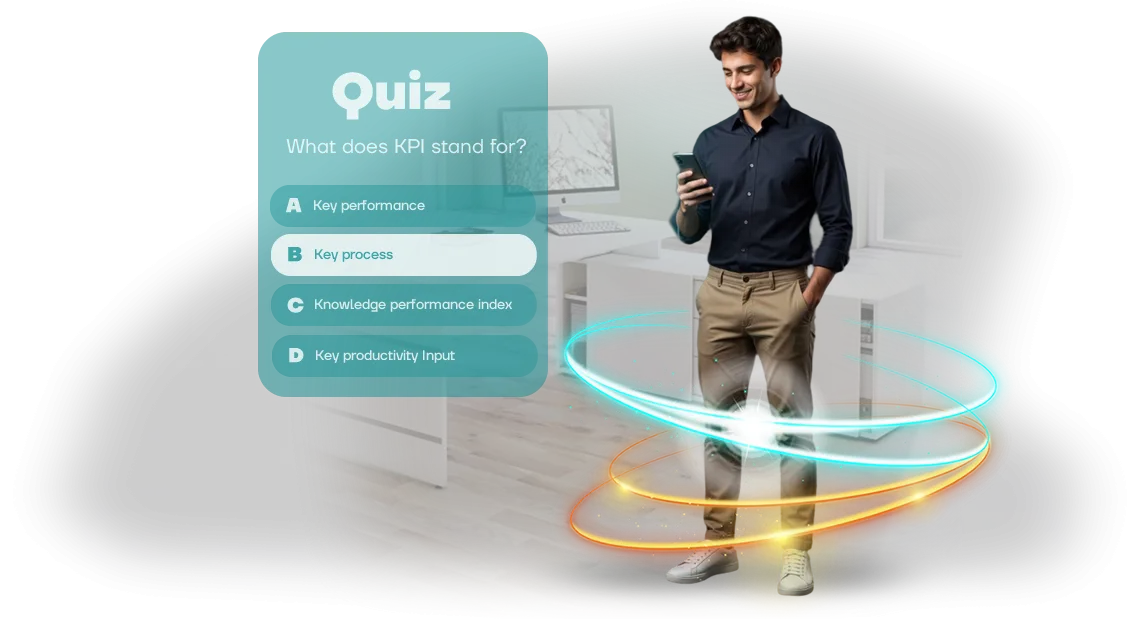
אנו מציעים להחליף הקשבה פסיבית בחידון קווסט אינטראקטיבי. העובד ממוקם בסיטואציות עבודה מדומות שבהן עליו לקבל החלטה נכונה: כיצד לתייג נכון מיכל, מה לעשות במקרה של דליפה, ואיזה ציוד מגן להשתמש.
טעויות מודגשות מיד עם הסבר, כך שהדרכת הבטיחות מתרחשת דרך תרגול, לא דרך שינון בעל פה.
פורמט זה שומר על תשומת הלב, חושף את נקודות התורפה של כל עובד ונותן למנהל תמונה אובייקטיבית.
לאחר סיום החידון, אנשים באמת מיישמים את החוקים בעבודה במקום "לשבת" רשמית בהדרכה — וזה משפיע ישירות על רמת הבטיחות.
אנו מתאימים את החידונים לדרישות שלך: אנו מתחשבים בתקנות שלך, בסוגי החומרים, בטעויות האופייניות ובסטנדרטים הפנימיים. כתוצאה מכך, אתה מקבל צמיחה מדידה בכישורים והפחתה ניכרת בסיכונים הייצוריים. ספר לנו על המשימה שלך, ונראה לך איך זה עובד בפועל.
מדוע הדרכה מבוססת חידון עדיפה על הדרכה מסורתית?
הדרכה מסורתית היא הרצאה: העובד מקשיב, מהנהן, ושבוע לאחר מכן זוכר רק חלק קטן מהחומר. זה קריטי במיוחד בעבודה עם חומרים מסוכנים, שבה מחיר הטעות הוא בריאות האנשים ומוניטין החברה.
חידון הדרכה הופך את התהליך: השתתפות פעילה במקום הקשבה פסיבית. העובד עונה על שאלות, רואה מיד את הפערים שלו, וזוכר את הפעולות הנכונות דרך מעורבות, לא שינון. העסק מקבל הערכת ידע אמיתית לכל עובד, לא סימון פורמלי ביומן.
| פורמט | הדרכה מסורתית | חידון הדרכה |
|---|---|---|
| מעורבות עובדים | מקשיבים רק כדי לסמן וי | משתתפים, מתחרים, מסיימים בעניין |
| יעילות ההדרכה | עד 20% שימור חומר | מכניקת משחק מחזקת ידע פי 3-4 ביעילות רבה יותר |
| הערכת ידע | חתימה ביומן | סטטיסטיקה מפורטת לכל עובד ונושא |
| עבודה עם חומרים מסוכנים | חוקים תיאורטיים | בחינת פעולות בתרחישים אמיתיים, ניתוח טעויות |
עבור המנהל, זה אומר מספרים שקופים במקום פתק "הדרכה בוצעה". אתה רואה מי קלט את החומר ואילו נושאים קשים, ויכול לספק הדרכה משלימה ממוקדת לנשארים מאחור לפני שמתרחש אירוע.
אנו משתמשים בפלטפורמת Unity המוכחת ליצירת חידוני הדרכה, אבל המפתח הוא המתודולוגיה: מקרים אמיתיים, סימולציות תרחישי חירום ומשוב מיידי. עובדים זוכרים את חוקי הבטיחות דרך משחק, לא דרך פחד מעונש.
זו הדרכה שמפחיתה סיכונים ייצוריים ובונה תרבות בטיחות — אף מומחה בטיחות תעסוקתית לא יתווכח עם זה.
פורמטי חידון: בחירת הפורמט המתאים למשימה ולקהל שלך
כל עובד בייצור קולט חומר אחרת: חלקם צריכים רק כמה שאלות קצרות אחרי משמרת, אחרים צריכים תרחיש שמטביע אותם בסיטואציה אמיתית.
חידון אחיד מפחית מעורבות ואיתה גם את שימור חוקי הבטיחות לעבודה עם חומרים מסוכנים. לכן אנו בוחרים פורמט לכל משימה ספציפית — מבדיקת ידע מהירה ועד סימולטור מלא עם ניתוח השלכות.
אנו בונים חידונים על פלטפורמת Unity, שמאפשרת לנו ליצור תרחישים אינטראקטיביים שעובדים היטב על מחשבים, טאבלטים ובלמידה מרחוק.
העובד רואה לא שאלות מופשטות אלא סביבת עבודה או מעבדה מוכרת, מה שמשפר את שימור החומר ומפחית את הסיכון ל"לחיצה שטחית" על תשובות.
הפורמטים המרכזיים
| פורמט | למי זה מיועד | מה הלקוח מקבל |
|---|---|---|
| מבחן קצר עם 10–15 שאלות | כל העובדים, בדיקות ידע תקופתיות | הערכה מהירה בלי לעצור את הייצור |
| תרחיש עם בחירות פעולה | צוות מחסן, סדנה ומעבדה | תרגול אלגוריתמי פעולה לדליפות או תאונות |
| חידון קווסט עם מסלולים מתפצלים | עובדים חדשים, מתמחים | הכרות ברורה עם התקנות ואזורי סיכון |
| חידון מרחוק עם ניקוד אוטומטי | אתרים וסניפים מרוחקים | סטנדרט הדרכה אחיד בכל החברה |
הגמישות הזו מאפשרת לכסות משימות שונות עם כלי אחד. אפשר להתחיל עם מבחן בסיס לכולם, ואז להוסיף תרחישים עמוקים יותר לעובדים שעובדים ישירות עם חומרים מסוכנים.
אם צריך לוודא ידע לפני מתן אישור עבודה או אחרי אירוע, אנו מפעילים את החידון תוך כמה ימים. והסטטיסטיקה המובנית תראה אילו נושאים נקלטים חלש, כך שתוכל להתאים את תוכנית ההדרכה במקום לחכות להסמכה הבאה.
שלבי פיתוח החידון: מבריף ועד השקה
אנו מבנים את העבודה כך שתמיד תדע באיזה שלב נמצא פיתוח החידון ומה תקבל כתוצאה. אין "קופסאות שחורות": כל שלב מתואם איתך, והחומרים הסופיים נמסרים עם הוראות להפעלת ההדרכה.
-
בריף והבנת המשימה. אתה מספר לנו על העובדים שלך, התקנות והמאפיינים של עבודה עם חומרים מסוכנים. אנו מבהירים אילו חוקים צריך לחזק וקובעים כיצד החידון ישתלב במערכת ההדרכה הקיימת.
-
תרחיש ומכניקת החידון. אנו מכינים שאלות, אפשרויות תשובה והגיון השלמה. אנו מפתחים תרחישי טעות ורמז — כך שהעובד לא רק מנחש אלא זוכר את הפעולות הנכונות. בשלב זה אתה מקבל את הטקסט לאישור.
-
עיצוב ואישור ויזואלי. אנו מראים לך איך החידון ייראה: העיצוב, מבנה המסכים והצגת המידע. אנו מתחשבים בסגנון התאגידי שלך ובדרישות ההדרכה — אחרי תיקונים, העיצוב מאושר ואנו עוברים לפיתוח.
-
בנייה ובדיקות. אנו מרכיבים גרסה עובדת ובודקים אותה על מכשירים ורזולוציות מסך שונות. אנו מוודאים שכל השאלות מוצגות נכון, שהתוצאות מחושבות במדויק והממשק נשאר ברור. אתה מקבל גישה לגרסת הבדיקה.
-
השקת ההדרכה. הגרסה הסופית נמסרת עם הוראות למנהל ולעובדים. אנו עוזרים להגדיר גישה ומסבירים כיצד להפעיל את החידון בפורמט שאתה צריך — לקבוצה או אישית.
-
תמיכה ושיפור. אנו עוקבים אחרי איך ההדרכה מתנהלת ואוספים משוב. כשצריך, אנו מעדכנים שאלות, מוסיפים נושאים חדשים ומתאימים את רמת הקושי — החידון נשאר כלי רלוונטי להערכת ידע.
התהליך כולו אורך בין כמה ימים לשבועיים, תלוי בהיקף התוכן ובמוכנות חומרי המקור שלך. אתה מקבל לא רק מבחן משעשע אלא כלי שלם להערכת ידע עם מערכת השקה ברורה ותמיכה לאחר ההשקה.
מה כלול בחבילת החידון התאגידי
אנו מטפלים בכל השרשרת — מהתרחיש ועד האנליטיקה. זה פיתוח חידון במפתח מלא: אתה מקבל חידון תאגידי מוכן לבטיחות בטיפול בחומרים מסוכנים ומפעיל אותו לעובדים שלך בתוך לוח הזמנים המוסכם.
אנו מתאמים את המתודולוגיה, מכניקת המשחק והביצוע הטכני בהתחלה כך שהתוצאה תתאים לתקנות שלך.
החבילה הסופית כוללת:
- תרחיש חידון הבנוי על סיטואציות אמיתיות עם חומרים מסוכנים: מתיוג מיכל ועד תגובה לדליפה. השאלות מתחשבות בטעויות האופייניות של הצוות ובדרישות הוראות הבטיחות התעסוקתית שלך.
- לוגיקת משחק וממשק ששומרים על תשומת הלב ויוצרים רוח תחרותית. העובדים תופסים את החידון כמשחק, לא כעוד בדיקת ידע.
- אפליקציה מוכנה לשימוש שעובדת על מחשבים משרדיים רגילים וטאבלטים. אין צורך בציוד מיוחד או התקנה מסובכת — ניתן להפעיל אותה על ידי איש משאבי אנוש או מהנדס בטיחות תעסוקתית.
- לוח ניהול לניהול רשימת המשתתפים ומעקב אחר התקדמות ההשלמה.
- מדריך התקנה והשקה — קובץ קצר אחד שמאפשר להפעיל מפגש הדרכה בעצמך.
- דוח הדרכה: המערכת אוספת אוטומטית נתונים על מי סיים את החידון, כמה ניסיונות נדרשו ואילו שאלות גרמו לקושי הרב ביותר.
- תמיכה טכנית לאחר ההשקה: אנו עונים על שאלות ועוזרים לעדכן את התרחיש כשהתקנות משתנות.
כך אתה מקבל לא רק חידון משעשע אלא כלי להערכת ידע. היקף הפרויקט שקוף — מהמתודולוגיה ועד האנליטיקה — ובכל רגע אתה יכול להסתמך על המספרים כשמדברים עם ההנהלה או מתכננים הדרכה חוזרת.
מקרה בוחן: איך שילשנו את המעורבות בהדרכה
כשיצרן כימי גדול ביקש מאיתנו להכשיר צוות בבטיחות לעבודה עם חומרים מסוכנים, ההנהלה הודתה: ההרצאות הישנות לא עבדו. העובדים עברו את ההדרכה פורמלית, וההפרות המשיכו לחזור.
הם היו צריכים פורמט שיגרום לאנשים באמת לחשוב ולקבל החלטות נכונות במצבים קריטיים. החברה לא חיפשה "קורס לסמן וי" אלא שינוי אמיתי בהתנהגות בעבודה.
במקום שקופיות סטטיות, הצענו חידון קווסט אינטראקטיבי שבו כל משתתף ממוקם בסיטואציה ריאלית: דליפת ריאגנט, נזילת אדים, צורך לבחור ציוד מגן.
העובד מקבל החלטות ורואה מיד את ההשלכות — כך החומר נלמד בלי שינון בעל פה, והמיומנות מתחזקת דרך פעולה.
התרחישים משכפלים בפירוט את תהליכי העבודה באתרים ספציפיים, כך שההדרכה קשורה ישירות למשימות היומיומיות.
מדדנו את התוצאות באמצעות שני מדדים: השלמת הדרכה בפועל ומספר הפרות הבטיחות שתועדו. המעורבות גדלה פי 3 — כמעט כל הצוות סיים את הקורס במקום 30% הקודמים.
מספר ההפרות לרבעון ירד ב-40%: העובדים החלו ליישם את הידע שלהם בפועל. KhimProm הזמינה המשך — הרחבת החידון למחלקות חדשות והוספת מודול עזרה ראשונה.
זה לא סיפור חד-פעמי: אנו רואים באופן קבוע איך גישה מבוססת משחק הופכת הדרכה משעממת לכלי שמשנה התנהגות של אנשים. עבור העסק, זה אומר פחות תאונות והשבתות, עובדים בטוחים בעצמם ופעילות יציבה ללא אירועים.
איך לבחור פורמט חידון למחלקות שונות?
בחירת פורמט חידון תמיד מתחילה במשימה: מה העובדים צריכים לזכור ואיך הם יישמו את זה בעבודה. להדרכת בטיחות עם חומרים מסוכנים, חשוב לא רק לבדוק ידע אלא לתרגל תגובה נכונה במצב חירום.
לכן חידונים מבוססי תרחישים נותנים את התוצאות הטובות ביותר — המשתתף עובר אירוע מדומה ורואה את ההשלכות של החלטותיו בסוף.
הגישה תהיה שונה למחלקות שונות. צוות ייצור צריך אלגוריתמי פעולה ותרגול תגובה לחירום — חידוני קווסט עם בחירות התנהגות וניתוח טעויות עובדים כאן היטב.
עובדי משרד שלא מטפלים ישירות בחומרים מסוכנים יכולים להסתפק במבחן אינטראקטיבי עם הסברים: הוא מחזק חוקים בסיסיים והוראות כלליות.
קריטריון הבחירה המרכזי הוא עומק ההטמעה. אם המשימה היא ללמד פעולות ספציפיות, אנו משתמשים בחידון עם עלילה והשלכות. אם צריך לרענן ידע במהירות ולזהות פערים, סקר קומפקטי עם משוב מיידי מספיק.
גישה זו מונעת בזבוז זמן על חומרים מיותרים וממקדת את ההדרכה בדיוק במה שחשוב לכל קבוצה.
אנו עוזרים לך לבחור פורמט חידון למשימה שלך: אנו מנתחים את מאפייני המחלקה, רמות הסיכון והתוצאה הרצויה. זה מקצר את זמן הפיתוח ומגביר את מעורבות העובדים — ההדרכה מפסיקה להיות פורמליות ובאמת מפחיתה את מספר הטעויות בעבודה.
חששות נפוצים של לקוחות: תשובות לשאלות קשות
כשמציגים חידון הדרכת בטיחות, ללקוחות רבים יש ספקות דומים. אספנו את הנפוצים ביותר ואנו מוכנים לענות בכנות — כי כבר עברנו את זה עם עשרות חברות.
מה אם העובדים פשוט לא יעשו את החידון?
מבחנים משעממים אכן מדלגים עליהם. לכן אנחנו עושים את החידון בפורמט קווסט: סבבים קצרים, רוח תחרותית והתקדמות נראית לעין.
העובדים נמשכים למשחק מעצמם — והמנהל יכול לראות את זה בלוח הבקרה: מי סיים, מי לא, ומי צריך תזכורת.
כמה אמינה הטכנולוגיה, באמת?
אנו עובדים עם ציוד מקצועי ומבצעים בדיקה טכנית לפני האירוע. ביום ההשקה, מהנדס נמצא ליד המקום — אם משהו משתבש, הוא יטפל בזה תוך כמה דקות במקום להשאיר אותך עם חידון לא עובד.
איך נדע שהחידון באמת עזר?
אחרי החידון, אתה מקבל דוח לכל עובד: כמה תשובות נכונות, אילו נושאים גרמו לקושי וכמה זמן לקח לסיים. זה נתונים מוכנים להערכת ידע ולתכנון ההדרכה הבאה — לא "סתם בידור".
שלושת הבלוקים האלה מכסים את הפחדים העיקריים: אנשים לא יתחברו, הטכנולוגיה תישבר, או שהתוצאה תהיה לא ברורה. הצוות שלנו מגבה כל אחד מהנקודות האלה בחוזה ובתנאים ברורים. אם עדיין יש לך שאלה, שאל אותה לפני ההשקה — אנחנו תמיד פתוחים לדיון.בקשת פיתוח חידון: בואו נדון במשימה שלך
השאר בקשת פיתוח, ונגיע ישר למשימה שלך.
חשוב לנו להבין את המאפיינים של הייצור שלך, את רמת הכישורים של העובדים ואת פורמט ההדרכה כדי שנוכל להציע פתרון שבאמת משנה התנהגות של צוות ולא רק "מסמן וי".
מיד אחרי שתפנה אלינו, תקבל:
- סקירת משימה ראשונית — נבהיר אילו חומרים מסוכנים נמצאים בשימוש, אילו טעויות עובדים קריטיות ומה התוצאה שאתה רוצה לראות אחרי ההדרכה.
- בחירת פורמט חידון — נציע את התרחיש האופטימלי: מבחן, קווסט, תחרות בין-מחלקתית או אפשרות היברידית שמתאימה לתרבות התאגידית שלך.
- הערכת לוח זמנים ושלבים — ניתן תאריכי פיתוח והשקה ריאליים על בסיס היקף התוכן ומספר העובדים.
- הצעה מסחרית — נתעד את היקף העבודה, העלות וההבטחות כדי שתוכל לקבל החלטה בלי תנאים נסתרים.
- דוגמאות לפתרונות דומים — נראה איך יישמנו הדרכת בטיחות לחברות אחרות ומה השתנה אחרי ההשקה.
אנו עובדים מרחוק, כך שבקשת פיתוח לא דורשת פגישות משרדיות או אישורים. נדון במשימה בטלפון או בהודעות בזמן נוח, ואז נצלול למאפייני התקנות והחומרים המסוכנים שלך.
פנייה אלינו היא הצעד הראשון לגרום לעובדים שלך לפעול נכון לפני שמתעורר מצב חירום. השאר את פרטי הקשר שלך, ובתוך יום עסקים אחד תקבל אפשרויות פתרון ראשוניות.