

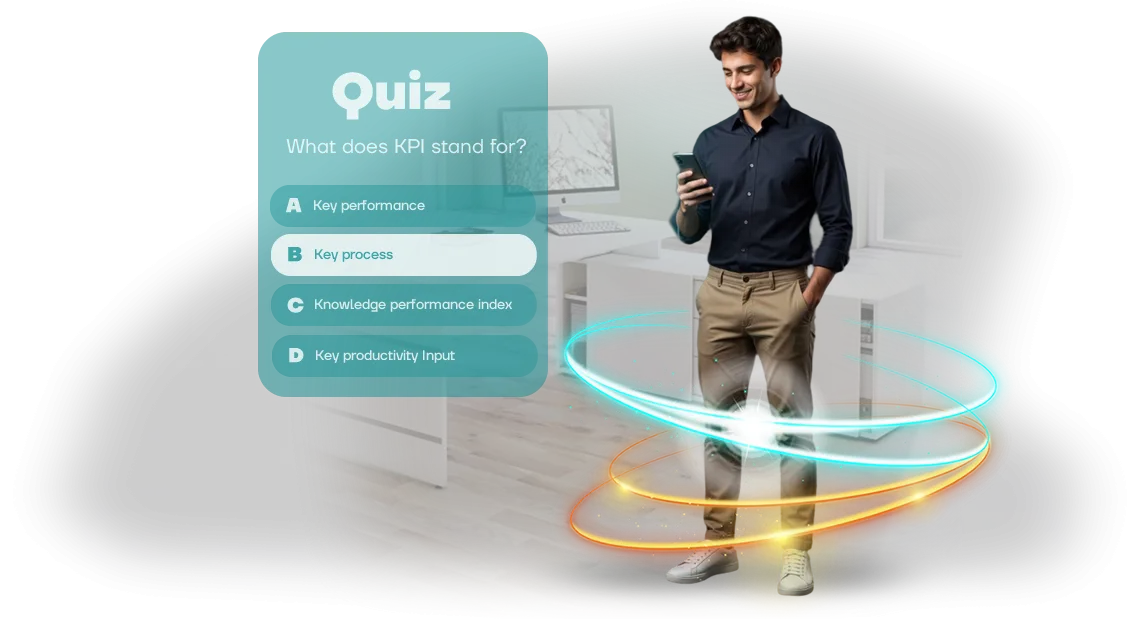
טעויות בעבודה עם חומרי הדברה ודשנים עולות לעסקים ביוקר
עבודה עם חומרי הדברה ודשנים היא תחום באחריות גבוהה עבור כל מפעל חקלאי. טעות בהכנת תמיסה, אחסון לא נכון או התעלמות מציוד מגן מובילים לאובדן יבולים, זיהום קרקע ופגיעה בבריאות העובדים.
כל מקרה כזה משמעותו לא רק הפסדים ישירים אלא גם נזק תדמיתי, כמו גם סיכוי ממשי לקנסות מרשויות הפיקוח בגין הפרות.
לרוב, התקריות נגרמות לא מרשלנות אלא מחוסר הכשרה שיטתית של הצוות.
עובדים חדשים מקבלים הדרכה "מפה לאוזן," עובדים ותיקים פועלים מתוך הרגל ואינם יודעים את התקנות המעודכנות, ותחלופת עובדים מאלצת להתחיל את ההכשרה מאפס בכל פעם.
בטיחות בעבודה הופכת להגרלה: מנהל לומד על בעיות רק לאחר תקר�ית או צו ממפקחים.
הכשרה אינטראקטיבית מבוססת חידון עוזרת לסגור את הפער הזה. עובד עובר תרחישים קצרים: כיצד לדלל מוצר, מתי להשתמש בציוד מגן, מה לעשות במקרה של דליפה.
משימות כאלה נזכרות טוב יותר מהרצאות והדרכות — אדם לא רק קורא את הכללים אלא מיישם אותם במצבים קרובים לעבודה אמיתית. במקביל, המנהל מקבל תמונה אובייקטיבית: מי תפס את החומר ומי זקוק להכשרה נוספת.
אנו מפתחים חידוני הכשרה במיוחד למשימות של ענף החקלאות. במקום מבחנים מופשטים — מצבים אמיתיים משדות ומחסנים, תקנות עדכניות ואנליטיקה ברורה למחלקת משאבי אנוש.
זה מפחית סיכונים בענף החקלאות, הופך את הכשרת העובדים לשיטתית ועוזר להימנע מקנסות בגין הפרות בטיחות.
מה חידון הכשרה נותן לעובדים ולעסק
עובדים שעובדים עם חומרי הדברה ודשנים מתמודדים עם סיכונים בריאותיים מדי יום.
אבל ההדרכות הסטנדרטיות מתבצעות באופן פורמלי: החומר נשכח מהר, והכללים מופרים מתוך הרגל של עבודה "כמו תמיד." חידון הכשרה פותר את הבעיה הזו — הוא מעביר את הבטיחות מחובה לאינטרס אישי של כל אדם.
גיוס הצוות לכללי הבטיחות
חידון-מסע הופך תיאוריה משעממת לתרחיש משחק מרתק. עובדים מתחרים, מנתחים מצבים אמיתיים, מחפשים פתרונות נכונים — ורוצים להבין את התקנות בעצמם.
זה עובד ביעילות רבה יותר מכל צו: הכללים נזכרים דרך רגש和实践, לא דרך שינון. צוות מעורב שם לב לפרטים, שואל שאלות ופועל פחות על ניחושים.
בקרת ידע והפחתת שיעור התאונות
לאחר סיום החידון, המנהל רואה תמונה אובייקטיבית: מי תפס את החומר והיכן נותרו פערים.
דוח על כל עובד מאפשר לשלוח מישהו להכשרה חוזרת או לעבודה נוספת על נושאים קשים בזמן — לפני שטעות מובילה לתקר�ית. כתוצאה מכך, מספר התאונות, הפציעות וההשבתות שנגרמות מפעולות לא בטוחות יורד.
ההכשרה הארגונית מפסיקה להיות פורמליות. הצוות עובד במודעות, נתקלים בפחות הפרות, והעסק חוסך בעלויות וקנסות. החידון הוא השקעה בבטיחות שמחזירה את עצמה דרך פעילות יציבה ושמירה על בריאות העובדים.
פורמטים של חידון למשימה שלך: ממבחן למסע הכשרה
בחירת הפורמט תלויה באיזו משימה ההכשרה פותרת: לבדוק במהירות את הידע של כל הצוות, לחזק תקנות או לתרגל אלגוריתם פעולה במצב לא סטנדרטי.
פורמטים שונים מספקים כיסוי ועומק שונים של שליטה בחומר, לכן חשוב להבין מראש איזו תוצאה אתה מצפה.
אנחנו נעזור לך לבחור פורמט לקהל ולתקציב שלך — ממבחן קומפקטי ועד מסע הכשרה מלא.
כל האפשרויות משתלבות במערכת ניהול למידה או רצות במקומות העבודה, והאנליטיקה הסופית תראה מי תפס את החומר ומי זקוק להכשרה נוספת.
| פורמט | למי | מה זה נותן ללקוח |
|---|---|---|
| מבחן בטיחות מהיר | לבדיקות ידע המוניות — כשצריך להעריך במהירות את כל הצוות | תמונת מצב מיידית של רמת ההכשרה, סטטיסטיקה אוטומטית לכל עובד |
| מבחן עם הסברים | לחיזוק הנחיות לאחר הרצאה או הדרכה | העובד רואה מיד את התשובה הנכונה וזוכר את התקנה, מספר ההפרות יורד |
| חידון אינטראקטיבי | לגיבוש הצוות וסקירת כללים בצורת משחק | מערב אפילו עובדים לא ממוקדים, יוצר תחרות בריאה |
| מסע הכשרה | לתרגול פעולות במצבי חירום — למשל, כשכימיקלים נשפכים | העובד עובר את התרחיש מההתחלה עד הסוף וזוכר את האלגוריתם ברמת מיומנות |
| פורמט משולב | לתוכניות הכשרה ארוכות טווח עם בקרת תוצאות | משלב מבחן, מסע ובדיקה סופית, נותן תמונה מלאה של ההתקדמות |
הטבלה מציגה תרחישים טיפוסיים, אבל אנחנו מתאימים כל פורמט לתקנות ולמאפייני הייצור שלך. העיקר שעובדים יקבלו לא תיאוריה יבשה אלא ניסיון מעשי בסביבה בטוחה, ואתה תקבל תוצאת הכשרה מדידה.
איך פיתוח הכשרת בטיחות לעובדים עובד
פיתוח הכשרת בטיחות לעובדים הוא תהליך ברור עם נקודות ביקורת. אנחנו עוברים את כל שלבי הפיתוח — מבריף החידון ועד השקת ההכשרה — יחד איתך, כך שאתה תמיד יודע מה קורה ומתי התוצאה תהיה מוכנה.
-
בריף חידון. אנחנו דנים מי הם העובדים, עם אילו חומרי הדברה ודשנים הם עובדים, ואילו טעויות קורות הכי הרבה. אנחנו מתעדים מטרות, רשימת נושאים וקריטריוני הצלחה.
-
אישור תרחיש. אנחנו מציעים עלילת מסע ופורמט שאלות — מסמך טקסט או אב טיפוס אינטראקטיבי. אתה עורך שינויים ומאשר את הגרסה הסופית.
-
פיתוח תוכן. אנחנו הופכים את ההנחיות והתקנות שלך לשאלות, משימות מצביות וניתוח טעויות. כך ההכשרה מתייחסת לסיכוני ייצור אמיתיים ועוזרת לעובדים לפעול נכון.
-
בנייה ובדיקות. אנחנו מרכיבים את חידון-המסע על כלי מקצועי, בודקים את התרחישים ושולחים לך גרסת הדגמה. אתה רואה את ההכשרה דרך עיני העובד לפני ההשקה.
-
השקת הכשרה. אנחנו משלבים את החידון במערכת ניהול הלמידה שלך או מעניקים גישה לפלטפורמת ענן. עובדים עוברים את החידון בזמן נוח, ואתה עוקב אחר ההתקדמות של כל משתתף.
-
תמיכה. אנחנו אוספים אנליטיקת השלמה ומשפרים את התרחיש: מוסיפים שאלות, מעדכנים נתונים ומריצים שוב לעובדים חדשים.
כתוצאה מכך, אתה מקבל הכשרה שמכסה ביעילות את נושא הבטיחות בעבודה עם חומרי הדברה ודשנים — ושליטה מלאה בתהליך הפיתוח.
מה כלול: חבילת הכשרה מוכנה
אתה מקבל לא תוצר שיושב על המדף אלא חבילה מוכנה להשקת הכשרה — מהתרחיש ועד הדוח. כל מה שצריך כבר ארוז ונבדק; כל מה שנשאר זה לתת לעובדים גישה.
- תרחיש חידון מוכן — רצף שאלות על טיפול בטוח בחומרי הדברה ודשנים, מובנה מכללים בסיסיים ועד פעולות במצבי חירום.
- מאגר שאלות עם הסברים — אחרי כל תשובה, העובד רואה למה האפשרות נכונה או לא נכונה וזוכר את האלגוריתם הנכון.
- מדריך מנהל — מדריך שלב אחר שלב להשקה, הגדרת מועדים והוספת משתתפים. אין צורך להבין פרטים טכניים: הכל מתואר בעברית.
- בדיקות תוצאות אוטומטיות — ההתקדמות של כל עובד נרשמת במערכת, וסימן השלמה מופיע מיד לאחר הסיום.
- דוח הכשרה — מסמך סופי עם נתונים: מי השלים את ההכשרה, כמה ניסיונות נדרשו, אילו נושאים גרמו לקשיים. נוח לבקרה ולמחזור ההכשרה הבא.
- חומרי סקירה — מדריך עזר קצר על כללי בטיחות מרכזיים שהעובד יכול לשמור ולקרוא שוב בכל זמן.
- תמיכה טכנית להטמעה — אנחנו עוזרים לחבר את החידון למערכת הפנימית שלך או להגדיר גישה דרך קישור. אנחנו מייעצים לאחר ההשקה אם עולות שאלות.
החבילה כולה נמסרת כקובץ אחד המכיל את התרחיש, השאלות, המדריך ותבנית הדוח. אין צורך להרכיב דבר ממקורות שונים. מיד לאחר קבלתו, אתה יכול להקצות את המבחן, ואם צריך, אנחנו נעזור להתאים אותו לתקנות שלך.
מקרה בוחן: משק חממות הפחית הפרות בזכות חידון
משק חממות אחד התמודד עם בעיה אופיינית לענף: בעבודה עם חומרי הדברה ודשנים, עובדים דילגו על הדרכות חובה והפרו תקנות בטיחות בפועל. זה הוביל לפציעות קלות, נזק ליבולים ובדיקות נוספות של רשויות הפיקוח.
ההנהלה ניסתה הרצאות ומבחני נייר — התוצאה הייתה חלשה: אחרי חודש, הידע נשכח.
אנחנו הצענו דרך אחרת — חידון הכשרה על Unity ששולב במערכת הכשרת הצוות. במקום שקופיות יבשות, עובדים עברו תרחישים אינטראקטיביים: לדלל נכון תרכיז, ללבוש חליפת מגן, לפעול במקרה של דליפה. טעות הראתה מיד את ההשלכות והסבירה איך להימנע מהשגיאה בעבודה אמיתית.
המקרה הראה תוצאות עסקיות כבר בעונה הראשונה. שיעור ההפרות בעבודה עם חומרי הדברה במתחם החממות ביופלנט ירד בכמעט שליש, וזמן ההדרכות המקדימות קוצץ בחצי.
עובדים הפסיקו להתייחס להכשרה כפורמליות — הם עברו את החידון בעניין, ומנהלי צוותים ציינו שעובדים חדשים נקלטו מהר יותר.
לאחר התוכנית הראשונה שהוטמעה, ביופלנט הזמינה קורס מורחב לכל המחלקות. החידון הפך לחלק מההסמכה השנתית, וההנהלה קיבלה סטטיסטיקה על כל צוות: מי כבר תפס את החומר ומי זקוק להכשרה חוזרת. זה הפחית את העומס על האגרונומים וביטל את הצורך לבזבז זמן על מבחנים חוזרים אישיים.
עכשיו הנוהג הזה משוכפל במשקים אחרים. מה שחשוב הוא זה: הפורמט המשחקי על מנוע מקצועי נותן למפעל תוצאה ניתנת לניהול וצפויה, לא רק "וי" על סיום הקורס.
שאלות נפוצות וחששות לפני ההשקה
לפני ההשקה עולות אותן שאלות: על עלות, לוחות זמנים, ציוד ותגובות עובדים. אנחנו עונים עליהן ישירות — כדי שתוכל לקבל החלטה בשלווה.
כמה עולה הפיתוח?
המחיר קבוע מההתחלה: אתה מקבל הערכת עלות לפני תחילת העבודה, והיא לא משתנה במהלך התהליך. פיתוח, בדיקות והשקה כבר כלולים, כך שהסכום הסופי ברור מההתחלה.
כמה מהר אפשר להשיק?
לוח הזמנים הסטנדרטי הוא משבועיים. אם הזמן לחוץ, אנחנו מאיצים את השלבים ומשחררים גרסה עובדת מהר יותר. אתה רואה תוצאות ביניים ותמיד יודע מתי עובדים יתחילו לעבור את החידון.
איזה ציוד נדרש?
זה עובד על מחשבים רגילים, טאבלטים וסמארטפונים — אין צורך לקנות כלום. עובד יכול לעבור את ההכשרה מכל מכשיר עם דפדפן. אנחנו מטפלים בצד הטכני.
איך עובדים יגיבו?
הפורמט המשחקי מעניין יותר מהדרכה יבשה: עובדים עוברים את החידון עם מעורבות. אנחנו מוסיפים תרחישים ויזואליים ורמזים כדי שהחומר ייזכר. הסטטיסטיקה מראה מה נקלט ומה כדאי לחזור עליו.
עדיין יש ספקות? שאל אותנו ישירות — נגיב תוך יום עסקים ונכין פתרון למשימה שלך.השקת הכשרה שבאמת מפחיתה סיכונים
הכשרת עובדים היא לא סעיף הוצאה אלא דרך להפחית סיכונים ולהגן על העסק מקנסות, השבתות ותאונות. אבל כדי שחידון באמת ישנה התנהגות, צריך לפתח אותו סביב התקנות, התהליכים ורמת המיומנות של הצוות שלך. לכן אנחנו מציעים להתחיל בשיחה קצרה — בלי פורמליות ובלי התחייבויות.
מה אתה מקבל מיד לאחר הפנייה:
- הערכת עלות ראשונית לחידון ולוח זמנים להשקה עבור התרחיש שלך.
- ייעוץ מומחה: נעזור לארוז את דרישות הבטיחות התעסוקתית שלך לתרחיש הכשרה ברור.
- המלצות פורמט: חידון-מסע, מבחן עם ניתוח טעויות או אפשרות משולבת.
- הדגמת הגישה באמצעות המצב האמיתי שלך כדוגמה.
- תוכנית ברורה לשלבים הבאים והרכב הצוות שיעבד על הפרויקט.
- הכשרה במפתח מלא: מפיתוח תרחיש ועד הטמעה טכנית והשקה.
אנחנו לא צריכים 20 עמודים של בריפים או אישורים ארוכים. שיחה אחת מספיקה כדי שתבין איך תיראה ההכשרה, כמה זמן זה ייקח ואיזו משימה היא פותרת.
הזמן חידון היום — ועד סוף השבוע יהיה לך תוכנית מוכנה שמפחיתה סיכוני ייצור והופכת את הכשרת העובדים לפשוטה ומדידה. השאר פנייה באתר או כתוב לנו במסנג'ר — נגיב תוך יום עסקים.
איך לבחור את פורמט החידון הנכון לצוות שלי?
בחירת פורמט חידון היא לא על בחירת הפתרון "הכי מודרני" אלא על מציאת מה שמתאים לתנאים הספציפיים של הצוות שלך.
אם עובדים עובדים בשטח או בסניפים שונים, סבבים מקוונים קצרים שניתן להשלים מהטלפון בזמן נוח מתאימים יותר. לקבוצות משרדיות, מסע צוותי עם דיון עובד טוב יותר — הוא משלב הכשרה עם גיבוש חי.
הנה טבלת עזר פשוטה שאנחנו משתמשים בה במהלך הייעוץ הראשוני:
| פורמט | למי | מה זה נותן ללקוח |
|---|---|---|
| סבבים מקוונים קצרים | צוות מרוחק, עובדים נוסעים | הכשרה בלי להפריע לעבודה — כל אחד עובר את החידון בקצב שלו |
| מסע צוותי לא מקוון | קבוצות משרדיות, משמרות | דיון חי, ניתוח טעויות, גיבוש צוות |
| היברידי: מקוון + מפגש פנים אל פנים | מחלקות גדולות, סניפים | תקן ידע אחיד במיקומים שונים של עובדים |
| סימולטור משחק עם חזרות | עובדים חדשים, צוות עונתי | הבאת כללי הבטיחות לאוטומטיות, הפחתת סיכון להפרות |
אנחנו בוחרים את הפורמט למשימה שלך, לא להיפך.
עם ניסיון של 10 שנים, פיתחנו אלגוריתם פשוט: אנחנו מנתחים איפה עובדים נמצאים פיזית, כמה זמן הם יכולים בפועל להקדיש להכשרה, ואיזו רמת מעורבות נדרשת כרגע.
אחרי זה, אנחנו מציעים תרחיש אחד או שילוב — למשל, מבחן מקוון מהיר לכולם ומסע פנים אל פנים לצוותים מרכזיים שעובדים עם חומרי הדברה ודשנים.
אם אתה לא יודע מאיפה להתחיל, התחל בייעוץ. נשאל 5–7 שאלות על הצוות שלך ונחזור עם המלצה קונקרטית: איזה פורמט חידון בטיחות ייתן את התוצאה שאתה צריך בלי לבזבז זמן ותקציב.