

טעויות עובדים פוגעות באבטחה בנמלי תעופה ובתעופה
טעויות עובדים פוגעות באבטחה בנמלי תעופה ובתעופה: הגורם האנושי נותר הגורם המוביל לתקריות בדיקות ביטחוניות, עיכובי טיסות והפרות רגולציה.
עבור חברה, זה מתורגם לקנסות על הפרות, תלונות מרשויות רגולציה ונזק תדמיתי. בתעופה, מחיר הטעות גבוה מכדי להסתמך על מזל או על בדיקת ידע פורמלית בלבד.
תדריכים סטנדרטיים והרצאות אבטחה תעופתית הפסיקו לעבוד מזמן. עובדים מקשיבים אך לא זוכרים את המידע: החומר מוצג בצורה מופשטת ואינו מקושר לפעולות הספציפיות שלהם.
כתוצאה מכך, הפרות אבטחה של כוח אדם חוזרות שנה אחר שנה, וסיכונים בנמל התעופה נמשכים גם לאחר השלמת הכשרת חובה.
כדי להפחית סיכונים, יש צורך לשנות את הגישה. הכשרת אבטחה תעופתית לא צריכה רק ליידע — היא חייבת לאמן מיומנויות קבלת החלטות בתנאים קרובים למציאות.
כשעובד מקבל החלטות משלו בתרחיש מבוסס משחק ורואה את ההשלכות, הוא מטמיע את הנוהל הנכון עד כדי תגובה אוטומטית.
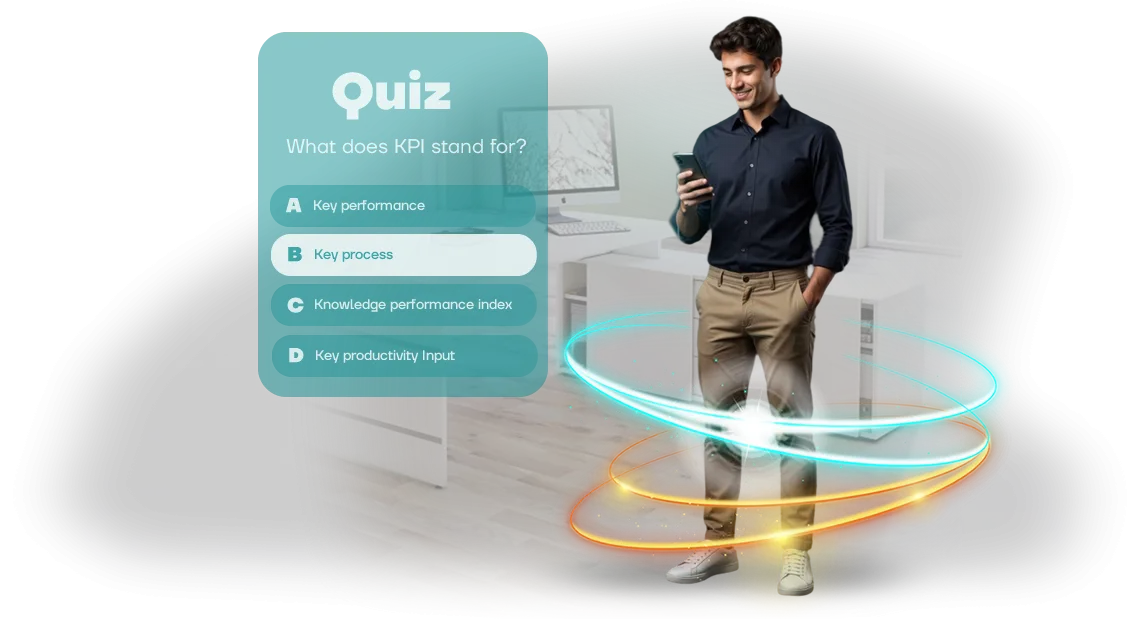
זה בדיוק התרחיש שאנו יוצרים באמצעות פיתוח חידוני ההכשרה שלנו. אלה תוכניות אינטראקטיביות שמשתלבות בקלות בלוח ההכשרה ומאפשרות לכל קבוצת עובדים לתרגל את פעולותיהם במצבים סטנדרטיים וחריגים כאחד. ההכשרה הופכת למרתקת, לוקחת מעט זמן ומניבה תוצאות נראות לעין מיד.
מנהלים מקבלים תמונה מלאה: מי שלט בחומר ומי זקוק לעבודה נוספת. זה מאפשר לחזק את ההכשרה בזמן ולהגן על החברה מקנסות על הפרות, תוך הבטחת ביטחון אמיתי בנמל התעופה ובמטוס. עובדים מפסיקים להתייחס להכשרה כאל פורמליות ומתחילים לפעול נכון גם תחת לחץ.
יתרונות מרכזיים של חידוני הכשרה לתעופה
עובד שמשתעמם במהלך הרצאה זוכר לא יותר משליש מהחומר. חידון הכשרה הופך את התדריך למשחק: צוות תעופה מתערב באופן פעיל בתהליך במקום להתחבא מאחורי הטלפונים שלהם.
בגלל מעורבות זו, הידע מתחזק באמצעות תרגול — וזה מפחית ישירות את מספר הפרות הרגולציה בנמל התעופה.
הפורמט האינטראקטיבי עובד טוב יותר ממצגות סטנדרטיות משלוש סיבות. ראשית, מכניקת השאלה-תשובה מאלצת עובדים לחשוב במקום רק להקשיב. שנית, משוב מיידי על טעויות מסביר בדיוק היכן נמצא פער ההבנה.
שלישית, האלמנט התחרותי מוסיף התרגשות, כך שעובדים משלימים את ההכשרה עד הסוף במקום לפרוש באמצע.
האפקטיביות של חידונים מאושרת לא רק על ידי מעורבות אלא על ידי תוצאות. כשאדם מוצא את התשובה הנכונה בעצמו, הוא זוכר אותה לאורך זמן — זה חשוב במיוחד לכללי אבטחה תעופתית, שבהם מחיר הטעות גבוה.
בדיקות קצרות וקבועות בונות הרגל של פעולה בהתאם לתקנות במקום להסתמך על זיכרון לאחר קורסים נדירים.
בסופו של דבר, הלקוח מקבל תוצאה עסקית מדידה: פחות הפרות, עמידה עקבית יותר בדרישות, ושקט נפשי להנהלה. ההכשרה מפסיקה להיות פורמליות מחייבת והופכת לכלי למניעת תאונות.
מנהלים רואים אילו עובדים הטמיעו את החומר ואילו זקוקים להכנה נוספת — ללא בדיקת מבחנים ידנית.
אנו פותרים משימה זו על ידי פיתוח חידון-מסע ב-Unity: תרחיש אדפטיבי המותאם לתקנות שלך, ממשק ברור ואנליטיקה פשוטה לשליטה. החידון משתלב במערכת ההכשרה הקיימת שלך ופועל להפחתת סיכונים בכל יום.
פורמטים של חידון-מסע למשימות עסקיות שונות
משימות עסקיות שונות דורשות פורמטי הכשרה שונים. חידון בודק ידע במהירות, חדר בריחה ביטחוני מטביל את הצוות במצב חריג, וסימולציית אבטחה תעופתית מאפשרת לעובדים לתרגל פעולות עד שהן הופכות לאוטומטיות.
בחירת הפורמט קובעת מה החברה מקבלת: מבדיקות בקנה מידה גדול ועד הכשרה לעמידות בלחץ.
| פורמט | קהל יעד | מה הלקוח מקבל |
|---|---|---|
| חידון שאלות ותשובות | הכשרה המונית ובדיקות ידע לאחר תדריכים | סטטיסטיקה ברורה לכל עובד — קל לראות מי הטמיע את החומר |
| חדר בריחה ביטחוני | תרגול נהלים למצבים חריגים | עובדים חווים את התרחיש וזוכרים את רצף הפעולות באמצעות תרגול מעשי |
| סימולציית אבטחה תעופתית | תרחישים בסיכון גבוה שבהם טעויות יקרות | הכשרה ללא סיכון — מיומנויות מתחזקות באמצעות תרגול ריאלי |
איך לבחור פורמט
הקריטריון הראשון הוא המטרה. אם צריך להעריך ידע במהירות ובכנות, בחר חידון עם דירוג עובדים. אם הבנת התנהגות במצבים חריגים חשובה יותר, חדר בריחה הוא הבחירה הנכונה. סימולציה מיועדת לנוהלים קריטיים שבהם טעות עלולה להיות בעלת השלכות חמורות.
הקריטריון השני הוא זמן והיקף. חידון מושלם מטלפון תוך 10–15 דקות, כך שקל להרחיב אותו לכל כוח העבודה. מסע וסימולציה דורשים יותר זמן אך מניבים תוצאות מעשיות. אנו מתאימים כל פורמט לתקנות הארגון ולדרישות האבטחה התעופתית שלך.
השורה התחתונה: אתה מקבל כלי שמשתלב בתוכנית ההכשרה הנוכחית שלך, מגביר את מעורבות העובדים ונותן להנהלה נתונים אובייקטיביים על מוכנות. בחירת הפורמט היא חלק מהעבודה שלנו, לא משימה נוספת עבורך.
שלבי השקת חידון הכשרה בתעופה
פיתוח חידון הכשרה לצוות תעופה הוא תהליך שאנו מבנים כך שלא תוסח דעתך ממשימות תפעוליות. אין צורך להבין בצד הטכני: אתה מקבל כלי שמושק במהירות, ברור לעובדים ועומד בדרישות האבטחה.
אנו עוברים את כל הדרך מהבריף הראשון ועד לתמיכה במערכת המוגמרת, תוך אישור החלטות מפתח איתך בכל שלב.
- בריף וניתוח צרכים. אתה מספר לנו על המאפיינים הספציפיים של הפעילות שלך, התקנות הנוכחיות ותחומי הבעיה בהכשרה. אנו מבהירים אילו תקני אבטחה צריך לחזק ומזהים את קהל היעד — מעובדים חדשים ועד מומחים מנוסים.
- אישור תרחיש. בהתבסס על הבריף, אנו מכינים את מבנה החידון: נושאים, סוגי שאלות, רמות קושי ואפשרויות תשובה לטעויות. אתה מאשר את התרחיש לפני תחילת הפיתוח — זה חוסך זמן ומונע עבודה חוזרת.
- פיתוח תוכן ומכניקה. אנו יוצרים שאלות ומשימות בהתבסס על התקנות שלך ודרישות האבטחה התעופתית הנוכחיות. החידון אינטראקטיבי: עובדים לא רק עונים — הם מנתחים מצבים אמיתיים.
- בניית פלטפורמה והתקנה. אתה מקבל גישה למאמן המוגמר שפועל בדפדפן או במכשירים ארגוניים. אנו מגדירים כאן גם סטטיסטיקת השלמה: אתה רואה תוצאות לכל עובד וצוות.
- השקה פיילוט ובדיקות. אנו מריצים ניסוי עם קבוצה קטנה — אוספים משוב, מוודאים את דיוק חישובי התוצאות ובודקים את נוחות הממשק. בהתבסס על הממצאים, אנו מבצעים התאמות אחרונות.
- השקה מלאה ותמיכה. החידון הופך לזמין לכל העובדים, ואתה מקבל מדריך מנהל. אנו נשארים בקשר: אנו עוזרים לעדכן שאלות, להוסיף נושאים חדשים ולהגיב במהירות לפניות משתמשים.
תהליך זה ברור ושקוף: אתה תמיד יודע באיזה שלב נמצא הפרויקט ומה תקבל כתוצאה. היישום אינו מסיח את דעת הצוות מעבודת הליבה — עובדים משלימים את החידון בזמן נוח, ואתה רואה אילו נושאים הם שלטו בצורה הטובה ביותר.
מה כלול בתוצר: חבילה להתחלה מהירה
חבילת המסירה מעוצבת כך שהאחראי על ההכשרה יוכל להשיק את התוכנית ללא מעורבות מפתחים או תהליכי אישור ארוכים. אתה מקבל לא רק חידון אלא מערכת שלמה: תרחישים, הוראות, חומרי הכשרה ורישיונות — הכל בחבילה אחת.
זה פותר את נקודת הכאב המרכזית של הלקוח: אין צורך להבין איך לשלב את ההכשרה בשגרת העבודה. פשוט הקצה רכז, הפץ גישה והתחל — כל השאר כבר מוכן.
מה כלול בחבילה
- תרחיש חידון — שאלות ואפשרויות תשובה מוכנות בנושא אבטחת נמל תעופה ותעופה, מותאמות לתפקידי עובדים שונים: מצוות קרקע ועד שירותי בדיקה ביטחונית.
- הוראות לצוות — מדריך באנגלית המסביר כיצד להשלים את החידון, כמה זמן זה לוקח וכיצד לחזור עליו לאחר טעות.
- מדריך מנהל — הוראות שלב אחר שלב להפעלת החידון, צפייה בתוצאות וייצוא דוחות.
- חומרי הכשרה — בלוקים תיאורטיים קצרים לפני כל שאלה כדי שעובדים יחזקו את הידע שלהם ממש בתהליך הלמידה.
- תיעוד תוצאות — נוהל לפירוש תוצאות ופעולות שיש לנקוט אם עובד לא עובר את הסף.
- רישיונות שימוש — הזכות החוקית להשתמש בחידון בתוך החברה שלך ללא הגבלות על מספר עובדים או עריכות שבוצעו על ידי הצוות שלך.
למה זה חוסך זמן
מחזור האישור הטיפוסי — איסוף דרישות, פיתוח תרחיש, קבלת אישור, הכנת תפקידים וניסוח הוראות — לוקח שבועות. בחבילה שלנו, כל החומרים כבר מובנים, כך שתוכל להשיק הכשרה כבר למחרת קבלת הגישה.
החבילה אינה סטטית גם כן: ניתן להתאים את התרחיש לתקנות חדשות או לסטנדרטים פנימיים — התיעוד מסביר כיצד המומחה שלך יכול לבצע עריכות ללא עיבוד מחדש של כל החידון.
מה זה אומר עבור הצוות שלך
על ידי הזמנת חידון, אתה מקבל חבילת יישום מלאה: ההכשרה לא תיתקע בגלל הוראות חסרות או ניסוחים שנויים במחלוקת. כל עובד עובר מתדריך לבדיקת ידע בתוך מערכת אחת, ומנהלים רואים סטטיסטיקה שקופה. כל מה שצריך כדי להתחיל כבר נמצא בחבילה.
מקרה בוחן: כיצד הפחתנו את מספר ההפרות בקרב הצוות
איך זה קרה
חברת תעופה גדולה התמודדה עם נקודת כאב מוכרת: בדיקות המשיכו לסמן הפרות רגולציה בקרב צוות קרקע ודיילים.
תדריכים קלאסיים ומדריכי PDF נכשלו בהחזקת תשומת הלב — עובדים עברו הכשרה פורמלית, אך תוך חודש חזרו על אותן טעויות. הצענו להחליף הרצאות שגרתיות בחידונים אינטראקטיביים קצרים בפורמט חידון-מסע על טאבלטים ומחשבי עבודה.
חברת התעופה הלקוחה — אחת הגדולות באזור שלה — נתנה לנו גישה לסטטיסטיקת הפרות פתוחה של שישה חודשים לפני ההתחלה. זה אפשר לנו לא רק "להעביר הכשרה" אלא למדוד את האפקט במספרים.
החידון חולק לתרחישים: בדיקה לפני טיסה, פעולות במצבים חריגים ונהלי טיפול במטען. כל תרחיש התנהל כסדרת החלטות עם משוב מיידי — עובדים ראו מיד היכן טעו ומה הייתה הפעולה הנכונה.
תוצאות שההנהלה ראתה
חודשיים לאחר ההשקה, מספר ההפרות המתועדות ירד ב-30% בקטגוריות הבקרה. הזמן שהושקע בתדריכי היכרות קוצץ בחצי — החידון לקח 10–15 דקות במקום הרצאה של שלושים דקות.
העובדים עצמם ביקשו רמות חדשות: האלמנט התחרותי הפך הכשרת חובה לטקס מוכר.
נוחות הדיווח צוינה בנפרד. מפקחי משמרות יכולים לראות מי השלים את החידון, כמה ניסיונות נדרשו ואילו נושאים גורמים לקושי.
זה אפשר לשלוח עובדים ספציפיים לתרגול נוסף במקום להעביר את כל הצוות דרך תדריך נוסף. הלקוח חידש את החוזה לשנה הבאה — ההכשרה הפכה לחלק מתוכנית האבטחה הרגילה.
איך לבחור את פורמט החידון הנכון למשימה שלך?
בחירת פורמט חידון אינה עניין של "אוהב או לא אוהב" אלא של התאמת הפורמט למשימה שלך.
אין פתרון אוניברסלי: מה שעובד למשרד קטן לא יתאים לכוח עבודה מפוזר, ופורמטים להכשרה ראשונית שונים מאלה הדרושים לבדיקות ידע קבועות.
ראשית וראשונה, חשוב להגדיר מה אתה רוצה להשיג: העלאת מודעות כללית, תרגול נהלי אבטחה ספציפיים, הכנת צוות למצבים חריגים, או פשוט שמירה על חדות הידע.
בתעשיית התעופה, דרישות ההכשרה גבוהות יותר — דיוק בניסוח, עמידה ברגולציה וניתוח מקרים אמיתיים חשובים כאן. הפורמט חייב להיות מסוגל לדמות מצבים כאלה, לא רק לבדוק זיכרון.
זו הסיבה שאנו נוקטים גישה אישית לבחירת הפורמט. מבחן רב-ברירתי קצר עובד לבדיקות מהירות או כיסוי המוני, בעוד חידון-מסע נרטיבי עם טבילה בהקשר העבודה מתאים לשליטה מעמיקה בנהלים מורכבים ורצפי פעולות.
הבחירה הנכונה נקבעת על ידי מספר העובדים, תדירות ההכשרה, רמת הניסיון שלהם ואילו טעויות הכי קריטי למנוע.
אנו מנתחים את הדרישות הספציפיות שלך, בונים תרחישים ממצבי עבודה אמיתיים ומציעים פורמט שיעבדו ספציפית עבור החברה שלך.
במקרה אחד, זו יכולה להיות סדרה של סבבים קצרים עם הסברים לאחר כל תשובה; במקרה אחר, משחק קבוצתי עם ניתוח תקריות. מה שחשוב הוא שההכשרה אינה אירוע חד-פעמי אלא חלק ממערכת — והפורמט חייב להשתלב בה בצורה חלקה.
בסופו של דבר, הבחירה הנכונה מסתכמת בשלושה שלבים: הגדר את המטרה, חקור את הקהל והפקיד את הפיתוח בידי אלה שיודעים להפוך דרישות אבטחה למשחק למידה מרתק.
כבר עשינו זאת עבור עשרות חברות ונעזור לך — מהבריף הראשון ועד להשקת חידון שבאמת משנה את התנהגות העובדים.
שאלות וחששות נפוצים של לקוחות
לקוחות לעיתים קרובות מהססים לפני השקת חידון הכשרה: האם זה ישבש לוחות זמנים, האם קשה לשלב בתהליכים קיימים, מה קורה לאחר השחרור. להלן אנו עונים על שאלות טיפוסיות — בקצרה ולעניין.
האם תוכלו לעמוד בלוח הזמנים אם נותר פחות מחודש לאירוע?
כן, כל עוד ההיקף מוסכם בהתחלה. בדרך כלל אנו לוקחים 2–3 שבועות לפיתוח ועוד כמה ימים לבדיקות יחד עם הצוות שלך. יש לנו תהליך מלוטש: תבניות שאלות מוכנות, הגדרת לוגיקה ואימות על מכשיר אמיתי.
בגלל זה, אין צורך "להמציא את הגלגל" — אתה מקבל חידון עובד בדיוק בזמן.
האם תוכלו לשלב את החידון במערכת ניהול הלמידה או בפורטל משאבי האנוש שלנו?
כן, אנו בונים את החידון על מנוע Unity המקצועי ומחברים אותו דרך גרסת אינטרנט או יישום עצמאי. במידת הצורך, אנו משתלבים עם הפלטפורמה שלך: העלאת תוצאות, ייצוא דוחות והעברת נתוני השלמה.
בהתחלה, אנו דנים בתרחיש שלך ובוחרים באפשרות האופטימלית — ללא עיבוד מחדש של תהליכים קיימים.
מה קורה אם תמצאו באג לאחר ההשקה או שנרצה לשנות את השאלות?
לאחר מסירת הפרויקט, אנו נשארים בקשר. השבועות הראשונים כוללים תמיכה חינם: אנו מתקנים במהירות כל בעיה ועוזרים בהגדרות. לאחר מכן, אתה יכול לרכוש חבילת תמיכה — עדכוני תוכן, שאלות חדשות וחידודי לוגיקה. התמיכה הטכנית מגיבה תוך יום עסקים אחד, ובעיות קריטיות נפתרות מיד.
איך אתם מבטיחים שהחידון יעבוד על המכשירים של העובדים שלנו?
לפני ההשקה, אנו בודקים על רזולוציות מסך שונות וגרסאות מערכת הפעלה. אנו מוודאים את הזרימה המלאה — "התחברות, השלמה, קבלת תוצאות" — ללא הקפאות או אובדן נתונים. אם החברה שלך משתמשת במכשירים ארגוניים, אנו בודקים גם עליהם.
התוצאה: פעולה יציבה לכל המשתתפים, ללא קשר לאיזה מחשב או טאבלט הם משתמשים כדי להתחבר.
הזמן חידון אבטחה וקבל צוות מיומן
הכשרת צוות אבטחה תעופתית אינה הרצאה חד-פעמית אלא ניטור ידע מתמשך. חידון הופך בדיקה שגרתית לתהליך ברור ומרתק: עובדים עוברים את המבחן בעצמם, ואתה רואה בדיוק היכן כל אדם טעה.
על ידי הזמנת חידון מאיתנו, אתה מקבל מוצר מוכן למפתח — ללא צלילה לפרטים טכניים. אבל קודם כל, ראה את ההדגמה: נראה לך איך המסע נראה על המסך, איך השאלות בנויות ואיך נוצרים דוחות.
שלבי העבודה על החידון שלך:
- בקשה וייעוץ. אנו מבהירים את מספר העובדים, פורמט ההכשרה ואת הדרישות של ארגון התעופה שלך.
- גרסת הדגמה. תוך 10 דקות, אנו מראים לך חידון אבטחה תעופתי חי כדי שתוכל לקבל החלטה מושכלת.
- בריף עם המומחים שלך. אנו אוספים מקרים אמיתיים, תקנות וכללים שעליהם צריך להיבנות החידון.
- יצירת תרחיש ופיתוח. מתודולוגים ומתכנתים מרכיבים את החידון על פלטפורמה מקצועית ומתאימים אותו לסגנון הארגוני שלך.
- בדיקות. אנו מריצים פיילוט עם קבוצה קטנה של עובדים, מבצעים תיקונים ורק אז מוסרים לך.
- יישום ואנליטיקה. אנו משלבים את החידון במערכת ההכשרה ומגדירים גישה ודוחות. במידת הצורך, אנו ממשיכים לחדד.
התוצאה — צוות מיומן שיודע את כללי האבטחה וסטטיסטיקה שקופה להנהלה. הזמן הדגמה היום כדי לראות בעצמך: החידון יעבוד ספציפית בארגון התעופה שלך.