

הדרכת בטיחות אש: למה תדריכים לא עובדים
מדי שנה, חברות משקיעות שעות בתדריכי בטיחות אש חובה: עובדים מקשיבים, מהנהנים, חותמים ביומן — ושבועיים אחר כך לא זוכרים איפה נמצא מטף הכיבוי או מה לעשות במקרה של שריפה.
ההכשרה הפורמלית הופכת לפורמליות גרידא, והסיכון להפרות הופך לאיום ממשי על אנשים ועל העסק.
הבעיה אינה עצלנות של הצוות, אלא הפורמט עצמו. תפיסה פסיבית של מידע אינה יוצרת קשרי זיכרון יציבים: הרצאות ומצגות מעמיסות על הקשב, וחוקים שלא תורגלו נדחקים במהירות על ידי משימות היום-יום.
כתוצאה מכך, במצב חירום אמיתי, עובד מאבד שניות יקרות, פועל באקראיות, או קופא לגמרי.
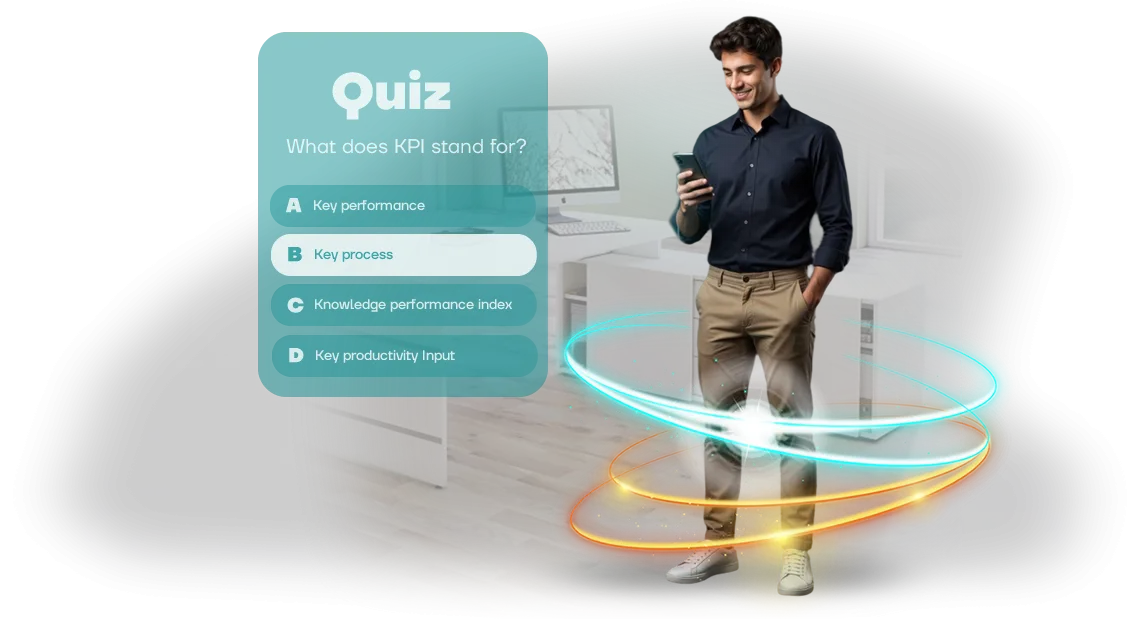
זכירת חוקי בטיחות אש דורשת מעורבות פעילה — אדם חייב לא רק לראות מידע אלא לעבד אותו דרך החלטותיו שלו. זה בדיוק מה שחידון אינטראקטיבי מספק: העובד עונה על שאלות, מקבל משוב מיידי, ובוחן את הטעויות מיד. זה הופך ידע למיומנות, לא רק לחתימה ביומן.
הכשרה ארגונית עם חידון פותרת משימה נוספת — היא הופכת למדידה. מנהל רואה אילו נושאים נלמדו ואילו גורמים לקשיים, ויכול לחזור על חומר או לחזק הכנה בזמן. זו הכשרה שעובדת לתוצאות, לא לסימון וי.
אנחנו הופכים את הדרכת בטיחות האש לברורה ובלתי נשכחת: אנו הופכים תקנות יבשות לתרחיש מרתק שבו כל עובד עובר מצבים טיפוסיים ולומד לקבל החלטות נכונות.
הכשרת עובדים כזו מפסיקה להיות חובה והופכת לתרומה לבטיחות החברה כולה.
מה הפורמט המשחקי מספק: מעורבות, כיסוי והפחתת סיכונים
עובדים עוברים לעתים קרובות הדרכת בטיחות אש באופן פורמלי: הם מעיינים בשקופיות, עונים על מבחנים "למראית עין", ושוכחים במהירות פעולות מפתח. המחיר של טעות כאן אינו אחוזי השלמת תוכנית אלא חייהם ובריאותם של אנשים. תדריך סטנדרטי אינו מותיר רושם רגשי, ולכן ידע אינו הופך למיומנויות אוטומטיות.
חידון משחקי עובד אחרת. העובד לא רק קורא, אלא פועל: בוחר אפשרות במצב קשה, מעריך את הסביבה, מוצא נתיב פינוי. טעויות מוצגות בבטחה — דרך השלכות על המסך, ללא סיכון אמיתי. זה מעורר מעורבות טבעית, והחומר נזכר דרך התנסות.
גימיפיקציה של הכשרה מספקת תוצאות עסקיות מדידות: השלמת קורס הופכת לאתגר ולא לחובה. נקודות, התקדמות ורוח תחרותית מגבירים את מעורבות העובדים ואת שיעורי השלמת הקורס.
החברה מקבלת אנשים שבאמת יודעים כיצד לפעול בשריפה — זו הפחתה ישירה של סיכונים עסקיים.
אנחנו בונים את הבסיס הטכני של חידון כזה על מנוע Unity — הוא מבטיח ביצועים יציבים במחשבים ובטאבלטים, כולל פורמט קבוצתי על מסך משותף. אין צורך בהתקנת תוכנה מיוחדת: ההכשרה פועלת בדפדפן או דרך פורטל ארגוני.
לפיכך, הפורמט המשחקי נותן מענה לשלוש משימות עסקיות: הוא מערב עובדים, מפחית סיכונים, ונותן למנהלים סטטיסטיקה שקופה — מי השלים את ההכשרה, היכן טעו, ואילו נושאים כדאי לחזור עליהם.
פורמטים של חידון בטיחות אש: ממבחן למסע הרפתקאות
המשימה זהה — ללמד עובדים כיצד לפעול במהלך שריפה. אבל הקהלים שונים: מתחילים זקוקים לבסיס ברור, עובדים מנוסים זקוקים לתרגול קבלת החלטות, וכל הצוות זקוק למעורבות.
האם עובדים זוכרים את החוקים או רק "מתחברים" למערכת תלוי ישירות בבחירת הפורמט.
לכן אנחנו מתאימים את הפורמט למטרה שלך: ממבחן למידה קצר ועד לחידון מסע בטיחות אש מלא. להלן השוואה כדי להקל על ההחלטה.
| פורמט | למי | מה הוא נותן ללקוח |
|---|---|---|
| מבחן למידה | לבדיקות ידע המוניות ולכיסוי מהיר של כל העובדים | סטטיסטיקה ברורה: מי כבר יודע את החוקים ומי זקוק להכשרה נוספת. זמן מינימלי, קל לשילוב בתהליך קליטה או בתדריכים מתוזמנים. |
| חידון מסע | לצוותים שזקוקים לרגשות ולהתרגשות בריאה | מעורבות גבוהה: עובדים נכנסים למשחק בעצמם וזוכרים אלגוריתמים דרך העלילה. אחרי האירוע נשארים עם תמונות חיות, דיונים ופעולות נכונות בזיכרון. |
| סימולציה אינטראקטיבית | לעובדים מרכזיים האחראים על פינוי ותגובה למצבי חירום | תרגול תרחישים אמיתיים ללא סיכון. המשתתפים מאמנים את רצף הפעולות שלהם, ואתה מקבל ביטחון שלא יהיו פאניקה או כאוס ברגע הקריטי. |
בחירת הפורמט תלויה במטרה: לכסות במהירות את כל העובדים — מבחן; לאחד את הצוות ולעורר עניין — חידון מסע; להכין את האחראים — סימולציה.
ואם צריך לתת מענה להכל בבת אחת, אנחנו משלבים פורמטים לתוכנית אחת כך שכל עובד מקבל בדיוק את ההכשרה שהוא צריך.
איך מתנהל פיתוח החידון: 6 שלבים מהבריף ועד ההשקה
פיתוח חידון הדרכת בטיחות אש הוא תהליך שבו חשוב להבין מה קורה בכל שלב. מבננו אותו כך שתראה תוצאה אחרי כל שלב ותוכל להשפיע על תהליך העבודה. להלן 6 השלבים שבהם אנו משתמשים כדי ליצור חידון לעובדים שלך.
-
בריף חידון. אנו דנים במטרות ההכשרה, בקהל ובתרחיש. אנו מגדירים איזה ידע בטיחות אש אנו בודקים וכיצד נעריך את התוצאה.
-
אישור תוכנית ולוח זמנים. אנו מפרקים את העבודה לשלבים עם תאריכים ותחומי אחריות. אתה מאשר את התוכנית — ואנחנו מתחילים.
-
אישור עיצוב. אנו מציגים את המבנה, העיצוב והטקסטים של החידון הקרוב. אתה עורך שינויים לפני תחילת הפיתוח העיקרי.
-
יישום. אנו בונים את החידון, ממלאים אותו בשאלות ומשוב לאחר תשובות. אנו מכינים גרסה לבדיקה פנימית שלך.
-
בדיקות. אנו בודקים ביצועים במכשירים שונים ומתקנים שגיאות. אתה מקבל מוצר יציב מוכן להשקה.
-
השקת הכשרה ותמיכה. אנו מפרסמים את החידון, מגדירים גישת עובדים ומראים כיצד לצפות בסטטיסטיקה. לאחר ההשקה, אנו נשארים בקשר — מעדכנים שאלות ועוזרים בכל בעיה שעולה.
תהליך זה הופך את פיתוח החידון לשקוף וצפוי. אתה תמיד יודע באיזה שלב נמצא הפרויקט ויש לך שליטה מלאה על התוצאה.
מה כלול במסירת חידון הכשרת עובדים
בהזמנת חידון הדרכת בטיחות אש, אתה מקבל לא רק משחק בידורי אלא כלי מלא להכשרת עובדים ולבקרת ידע.
חבילת המסירה כוללת את כל האלמנטים להפעלת החידון ללא מעורבות מתכנתים או מתודולוגים — מהתרחיש ועד ללוח הבקרה.
חבילת מסירה:
- תרחיש חידון בטיחות אש. אנו מתאימים שאלות לענף שלך ולרמת המיומנות של העובדים: מחוקים בסיסיים ועד לפעולות תגובה למצבי חירום. ניתן לשנות את התרחיש גם לאחר ההשקה — למשל, להוסיף שאלות חדשות לאחר סקירת הנחיות.
- מכניקת משחק ומשימות. זה לא רק מבחן רב-ברירתי. אנו משתמשים במשימות מצביות, סידור פעולות וחידון מהירות תגובה. זה עוזר לעובדים לזכור חוקים מהר יותר וללמוד לקבל החלטות נכונות במצבי לחץ.
- לוח בקרה. אתה מנהל את החידון בעצמך: קובע מועדים, משנה שאלות, רואה מי השלים וכיצד. אין צורך לפנות למפתחים עבור כל עריכה — הכל נעשה בכמה קליקים.
- מדריך משתמש. הוראות מלאות למנהל ולעובדים: כיצד להפעיל את החידון, להשלים אותו ולצפות בתוצאות. אתה מגדיר הכל תוך 30 דקות וממשיך להשתמש ללא עזרתנו.
- חומרי הכשרה. נספחים ומצגות נוספות לבטיחות אש — ניתן להדפיס אותם ללוחות מודעות או לשלוח במייל. זה מחזק את אפקט החידון ומגיע למי שלא אוהב פורמטים אינטראקטיביים.
- תמיכה טכנית ואחריות. בהשקה, אנו עוזרים לשלב את החידון במערכת הפנימית שלך, ואז תומכים ומעדכנים אותו לפי בקשה. אם התקנות משתנות, אתה לא נשאר לבד עם שאלות מיושנות.
אנו מפתחים על מנוע Unity המקצועי — זה מבטיח פעולה יציבה בכל מחשב ושילוב קל בתשתית שלך. אתה מקבל לא "צעצוע" חד-פעמי, אלא כלי שמשתלם דרך הפחתת סיכונים ושיפור משמעת הבטיחות בחברה.
מקרה בוחן: איך חידון משחקי העלה את השלמת ההכשרה ל-94%
ברשת תחנות דלק עם מאות עובדים, הדרכת בטיחות אש מתבצעת בדרך כלל לפי הנחיות: מצגות ארוכות, בדיקות חתימה, מבחן פורמלי. בגישה זו, השלמת ההכשרה בקושי מגיעה ל-60%, והתדריכים אורכים שעתיים בחודש.
אך דווקא תגובת העובד לשריפה קובעת את חייהם של אנשים ואת המוניטין של החברה.
הצענו להחליף את ההרצאה המשעממת בחידון משחקי. בנינו את מקרה ההכשרה על חידון Unity: העובד נכנס למצב וירטואלי "משאבת דלק עלתה באש" ובוחר את הפעולות הנכונות.
השאלות מעוצבות על פי תרחישים אמיתיים של תחנות דלק, לא מספר לימוד. השלמת ההכשרה הפכה לתחרות עם נקודות ולוח מובילים — המעורבות גדלה ללא כפייה.
תוצאות החידון עלו על הציפיות. השלמת ההכשרה עלתה ל-94% — כמעט כל הצוות סיים את הקורס בשבוע הראשון. זמן התדריך קוצץ בחצי: במקום שעתיים, 40 דקות לאדם.
המנהלים של הרשת קיבלו לוח מחוונים ברור: מי השלים, היכן הטעויות, ואילו נושאים צריך לחזור.
מה הפורמט המשחקי סיפק
עבור החברה, זה לא רק מספרים. עובדים הפסיקו להעתיק תשובות והחלו לבחון טעויות לאחר המשחק. תדריכים חוזרים לאחר שינוי תקנות ארכו ימים, לא חודשים.
זו הסיבה שרשת תחנות הדלק מזמינה באופן קבוע עדכוני שאלות לפי דרישות בטיחות חדשות.
העיקר הוא שהמשחק פתר בעיה שהרצאות לא פתרו במשך שנים. אם אתה רוצה מקרה הכשרה דומה לעובדים שלך, נחשב כיסוי ולוחות זמנים לפי מספר העובדים שלך.
איך לבחור פורמט חידון למשימה של החברה שלך?
אין פורמט חידון אוניברסלי — מה שעובד מצוין למשימה אחת חסר תועלת לאחרת. לכן כדאי לבחור פורמט לא "לפי טעם" אלא לפי שלושה קריטריונים: מטרות למידה, קהל עובדים ותדירות השקה.
במענה על שאלות אלה מראש, תקבל חידון שבאמת משנה התנהגות של אנשים, לא רק "עובר תנועות".
התחל עם המטרה. אם אתה צריך לבדוק ידע לאחר תדריך בטיחות אש ולתעד את התוצאה, חידון-מבחן קלאסי עם נקודות וזמן השלמה עובד היטב.
אם המשימה מורכבת יותר — לחזק מיומנויות, לתרגל אלגוריתמי תגובה לשריפה, לערב עובדים בתרבות בטיחות — פורמט מסע עם תרחישי קבלת החלטות אמיתיים יעיל יותר. הוא לא רק נותן ציון אלא הבנה כיצד אדם יתנהג במצב חירום.
הקריטריון השני הוא הקהל. למחלקה של חמישה, חידון פשוט בפורמט משרדי מספיק. למאות עובדים מפוזרים — חידון מקוון שניתן לגשת אליו מכל מכשיר ובכל זמן נוח.
רמת המיומנות חשובה גם היא: עובדים חדשים זקוקים למצב למידה עם רמזים; מנוסים זקוקים למבחן מהירות ומקרים מורכבים. אם יש אנשים בחברה שלא בטוחים בטכנולוגיה, הממשק צריך להיות אינטואיטיבי מהמסך הראשון.
הקריטריון השלישי הוא תדירות ההשקה. אירוע חד-פעמי לחודש הבטיחות הוא דבר אחד: אפשר ליצור חידון אירוע מואר עם לוח מובילים ופרסים.
הכשרה קבועה (כל רבעון או בעת קליטת עובדים חדשים) דורשת גישה אחרת: מערכת השקה נוחה, בדיקת תוצאות אוטומטית וסטטיסטיקה ברורה למנהל.
חשוב על באיזו תדירות אתה מתכנן להפעיל את החידון — העומס האדמיניסטרטיבי תלוי בכך מאוד.
אם קשה להחליט לבד — זה נורמלי, ובשביל זה אנחנו כאן. במהלך ייעוץ, נשאל את שלוש השאלות האלה, נציע את הפורמט הנכון ונראה דוגמאות של חידונים דומים מהענף שלך. תקבל פתרון שפותר משימת הכשרה ספציפית ואינו דורש עבודה חוזרת בעוד חודש.
שאלות נפוצות על יישום חידוני הכשרה בחברה
לפני השקת תוכנית הכשרה, כנראה שיש לך שאלות: כיצד החידון ישתלב בתהליכי העבודה, האם הוא ידרוש מעורבות IT מתמדת, מה קורה בתקלות, ומי אחראי לתוצאה. אנו עונים על העיקריות כדי שתוכל להחליט ללא סיכונים מיותרים.
כמה קשה לשלב את החידון בתשתית ה-IT הקיימת?
השילוב מתבצע ללא עצירת תהליכי עבודה. אנו מחברים את החידון לפורטל הארגוני או למערכת ניהול הלמידה שלך; עובדים עונים למבחן דרך דפדפן — אין צורך להתקין דבר.
ההתקנה אורכת בין כמה ימים, ואנו מטפלים בכל העבודה הטכנית, כולל התמודדות עם תקנות פנימיות.
מה קורה בתקלות טכניות בצד החברה?
אנו מספקים תמיכה בהשקה וניטור רציף של החידון. אם החיבור של עובד נופל, התוצאות נשמרות, והוא ממשיך מהמקום שבו הפסיק. אנו מטפלים בכל התקלות בעדיפות כדי שלוחות הזמנים של ההכשרה לא יופרעו ונתונים לא יאבדו.
באיזו תדירות ניתן לעדכן שאלות ותרחישים?
ניתן לעדכן תוכן בכל עת דרך ממשק ידידותי — ללא מתכנתים או אישורים ארוכים. השינויים נכנסים לתוקף מיד, ותוצאות משתתפים קודמים לא אובדות.
במידת הצורך, נכין שאלות חדשות לפי החומרים שלך ונעדכן את החידון תוך כמה ימים.
היכן מאוחסנות תוצאות וכיצד מקבלים דוחות?
הסטטיסטיקה מאוחסנת בסביבה מאובטחת וזמינה בחשבון האישי שלך. דוחות נוצרים עבור כל עובד ועבור החברה כולה: אתה רואה שיעורי השלמה, טעויות והתקדמות הכשרה. זה עוזר לשלוט בתהליך ולהתאים חומרי הכשרה בזמן.
אילו ערבויות אתם מספקים לתוצאה?
אנו קובעים לוחות זמנים והיקף עבודה בחוזה. אם משהו לא עובד כפי שהוסכם, אנו מתקנים על חשבוננו. התשלום קשור להשקה מוצלחת ולדוחות: אתה משלם על תוצאה עסקית ברורה, לא על התהליך.
לא מצאת את השאלה שלך? כתוב לנו — נספר לך כיצד היישום עובד בחברות כמו שלך ונכין חידון לצרכים שלך.השלבים הבאים: בקשה, בריף, הערכת עלות והשקת החידון שלך
הגשת בקשה לפיתוח חידון היא פשוטה: אתה ממלא טופס קצר ומקבל שיחת חוזר באותו היום.
לאחר מכן נערוך בריף, נכין הערכת עלות ונציע תוכנית השקה — תראה את כל הדרך לחידון המוגמר ותוכל להחליט ללא לחץ. אין אי-ודאות: רק שלבים ברורים ומועדים ספציפיים.
- בקשת פיתוח. אתה משאיר פרטי קשר — אנו חוזרים אליך בזמן נוח.
- בריף. 15–20 דקות לבירור מטרות, קהל וציפיות — ללא פרטים טכניים.
- הערכת עלות הפרויקט. חישוב שקוף של עלות ולוחות זמנים — אתה יודע על מה אתה משלם.
- תוכנית השקה. לוח זמנים שלב אחר שלב: הכנה, אישור, בדיקות, התחלה.
- שיחת חוזר. אם נשארו שאלות, המנהל שלנו חוזר אליך ועונה להן.
הבריף והערכת העלות — אתה לא מפסיד כלום בפתיחת דיון. ותוך כמה ימים, יהיו בידך תוכנית השקה מוכנה ועלות ברורה. הגש בקשה לפיתוח, ונכין הצעה למשימה שלך.