

הכשרת צוות בית חולים ומרכז רפואי: מדוע זה יקר?
הכשרת צוות היא אחד מסעיפי ההוצאה המשמעותיים ביותר עבור מרכז רפואי — והעלות אינה מוגבלת להוצאות ישירות.
בזמן שעובד יושב בהרצאה או עובר על הדרכת פרוצדורות, קצב קבלת המטופלים יורד, לוח הניתוחים נדחה, ומישהו נשאר ללא תשומת לב.
ואם ההכשרה לא מניבה תוצאות, יש לחזור עליה שוב ושוב — כל מחזור מכפיל את אובדן הזמן והמשאבים.
הבעיה העיקרית ברוב תוכניות ההכשרה היא מעורבות נמוכה. אנשי מקצוע מבוגרים שאחראים על חיי מטופלים מדי יום סקפטיים לגבי מצגות ארוכות וטקסטים של 40 עמודים.
מחקרים מראים שללא השתתפות פעילה, אנשים שוכחים את רוב החומר תוך מספר ימים — ובמצב מלחיץ שבו נדרשת פעולה מהירה, הידע נדחק לחלוטין הצידה.
ההשלכות של הכשרה כזו יקרות עבור המרכז הרפואי: שגיאות תיעוד, הפרות פרוטוקול, תקלות קטנות וגדולות, תלונות מטופלים. כל אחד ממקרים אלה מביא עמו סיכון תדמיתי, בדיקות נוספות ואובדן אמון.
זו הסיבה שמרפאות מובילות בוחנות מחדש את הגישה שלהן ומחפשות פורמטים שעוזרים לצוות לספוג כללים באמצעות תרגול ומעורבות רגשית ולא באמצעות שינון כפוי.
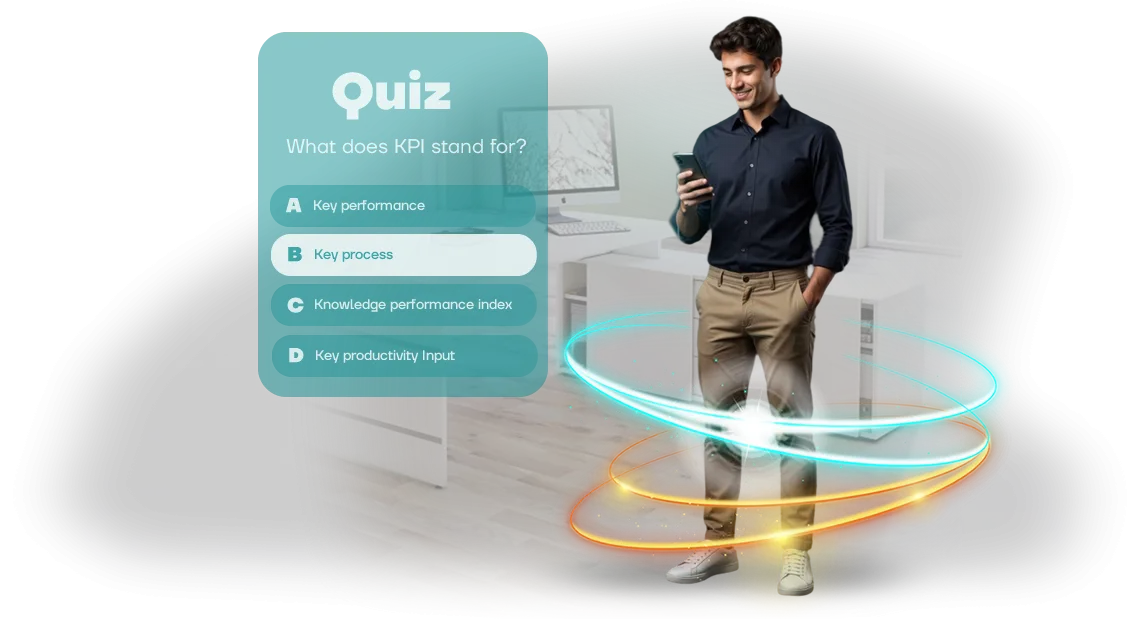
חידון גיימיפיקציה לעובדים פותר את הבעיות האלה: הוא הופך את ההכשרה למפגשים קצרים ודינמיים שמתקיימים ממש במקום העבודה ונמשכים 10–15 דקות. הצוות מתחרה, רואה את ההתקדמות שלו ומיישם ידע בתרחישים קרובים למשימות אמיתיות.
פורמט זה מפחית את עלות ההכשרה לעובד, מקצר את הזמן הדרוש להטמעת כללים חדשים ועוזר לקבע מיומנויות מהר יותר מבלי להפריע לעבודה. אנחנו עוזרים למרכזים רפואיים להטמיע את הכלי הזה — במהירות, עם תוצאות ברורות וללא עומס יתר על הצוות.
מה חידון הכשרה נותן לצוות: מעורבות, ידע, תוצאות
הכשרת צוות רפואי היא לא רק הרצאות ומבחנים. בטיחות המטופל והמוניטין של המרפאה תלויים במהירות שבה עובדים מטמיעים תקנים, רגולציות ואלגוריתמי פעולה.
פורמטים קלאסיים לא מצליחים לעתים קרובות להשיג את התוצאה הרצויה: הקשב נודד, הידע לא נשמר, ומנהלים מבזבזים זמן בחזרה על אותו חומר.
חידון הכשרה מתמודד עם זה באמצעות מעורבות צוות. במקום צפייה פסיבית במצגת, עובדים עונים על שאלות, רואים את ההתקדמות שלהם ומבינים מיד אילו נושאים דורשים חזרה.
ההכשרה הופכת למשחק מרתק שאנשים משלימים במלואו — לא רק כדי לסמן וי. זה חשוב במיוחד במרכזים רפואיים גדולים שבהם קשה לשמור על ריכוז של עשרות מומחים בנושא אחד.
התוצאה היא פחות שגיאות בעבודה האמיתית. כשמצב תקני משוחק בפורמט חידון, האלגוריתם הנכון נזכר ברמת הרגל. פחות הפרות, פחות מחלוקות וביטחון גדול יותר של הצוות בפעולותיו.
עובדים מתחילים ליישם ידע לא בגלל ש"זה נדרש", אלא בגלל שהם מבינים את ההיגיון ואת ההשלכות.
עבור המרפאה, זה אומר גם חיסכון בזמן. הכשרה אפקטיבית דורשת פחות שעות: אפשר להשלים חידון בזמן נוח ללא הפסקות ארוכות מהעבודה. מנהלים כבר לא צריכים לאסוף את כולם בחדר ישיבות ולחזור על אותו חומר למשמרות שונות.
במקום זאת, הם מקבלים סטטיסטיקות ברורות: מי כבר שלט בחומר ומי זקוק לעבודה נוספת.
בסופו של דבר, חידון מספק תוצאות הכשרה מדידות: מעורבות גבוהה יותר של הצוות, פחות שגיאות והכנה שיטתית של הצוות. בדקו האם התוכנית הנוכחית שלכם עומדת בקריטריונים אלה.
אם לפחות נקודה אחת מעוררת ספק — כדאי לדון כיצד לשלב את הפורמט המשחקי בתהליך שלכם מבלי להעמיס על הצוות.
פורמטי חידון לבתי חולים: ממבחנים יומיים ועד תוכניות שנתיות
צוות רפואי צריך לעדכן את הידע שלו באופן קבוע, אבל לעובדים אין זמן להרצאות ארוכות. חידון פותר את זה: סבבים משחקיים קצרים קלים יותר לעיכול, והתוצאה נראית מיד דרך סטטיסטיקות השלמה ודוחות שגיאות.
אנחנו מתאימים את פורמט החידון לבית החולים לפי המשימה הספציפית: ממפגשים יומיים של חמש דקות ועד תוכנית שנתית רחבת היקף.
| פורמט | למי זה מיועד | מה זה נותן למרפאה |
|---|---|---|
| מבחנים יומיים של 5–7 דקות | כל הצוות, כולל רופאי משמרות | תרגול שוטף ללא הפרעה לעבודה, בדיקות ידע מהירות |
| חידונים נושאיים לפי מחלקה | מחלקות, עובדים חדשים | סגירת פערים ממוקדת: טיפול חירום, תקני טיפול, רגולציות חדשות |
| תחרויות בין-מחלקתיות | צוותים ומנהלים | מעורבות באמצעות תחרות בריאה, רוח צוות וסטטיסטיקות גלויות |
| תוכנית שנתית עם דירוגים | כל העובדים, משאבי אנוש, הדרכה | פיתוח מקצועי שיטתי, תוצאות שנתיות ברורות, פחות שגיאות |
מבחנים יומיים נוחים כי הם לא דורשים זמן ייעודי — העובד עונה על החידון בתחילת משמרת או בין תורים.
חידונים נושאיים עוזרים להטמיע במהירות פרוטוקולים פנימיים בעובדים חדשים, בעוד שתחרויות מחלקתיות הופכות את ההכשרה לאירוע בולט. התוכנית השנתית מכנסת הכל למערכת אחת: דירוגים, תגמולים ודוחות להנהלה.
חשוב לציין, כל פורמט ניתן להתאמה אישית למרפאה: שאלות המבוססות על הרגולציות שלכם, בלוקים נפרדים לתפקידים שונים וסטטיסטיקות אוטומטיות לאחראים על ההכשרה. אתם מקבלים כלי שעובד לשיפור הכשירות מבלי להוסיף עומס על הצוות.
איך אנחנו מפתחים חידון: מהבריף ועד ההטמעה
אנחנו מבינים שאין לכם זמן להיכנס לפרטים הטכניים של הפיתוח. לכן התהליך מעוצב כך שתקבלו תוצאות ללא מאמץ נוסף: מהבריף הראשוני ועד השקת החידון בפעילות השוטפת. הנה איך נראים השלבים מנקודת המבט של הלקוח.
-
בריף והבנת המשימה. אנחנו דנים באיזה ידע צריך להיבחן, מי הקהל שלכם — אחיות, רופאים, מנהלים — ואיזה פורמט חידון מתאים להם. אתם מקבלים הבנה ברורה כיצד המשחק ישתלב בהכשרה שלכם.
-
אישור תרחיש ושאלות. יחד איתכם, אנחנו מכינים שאלות, אפשרויות תשובה והסברים. במידת הצורך, אנחנו עוזרים להתאים חומרי הכשרה לחידון מרתק כך שעובדים יזכרו מידע בקלות.
-
עיצוב וממשק. אנחנו יוצרים מראה ותחושה בסגנון המרפאה: הצבעים שלכם, לוגו וניווט ידידותי. אתם רואים את האב-טיפוס לפני תחילת התכנות ויכולים לבצע עריכות — בשלב זה, שינויים זולים ומהירים יותר.
-
בנייה ובדיקות. אנחנו מרכיבים את החידון על פלטפורמה מקצועית ומוודאים שהכול עובד: דיוק השאלות, חישוב הציונים, התנהגות במחשבים שונים. אתם מקבלים גישת הדגמה ורואים איך הכול נראה ממקור ראשון.
-
השקה ופריסה. אנחנו מציבים את החידון בפורטל הפנימי שלכם או בתחנות העבודה ומגדירים גישה לעובדים. אין התקנה מסובכת — פותחים, עונים, מקבלים תוצאות.
-
תמיכה ושיפור. אנחנו נשארים בקשר לאחר ההשקה: אנחנו עוזרים לעדכן שאלות, להוסיף נושא חדש או להתאים הגדרות. אם ההשלמות הראשונות מראות שמשהו צריך תיקון, אנחנו מבצעים שינויים.
-
אנליטיקה (לפי בקשה). אנחנו מראים כיצד עובדים משלימים את החידון: ציון ממוצע, טעויות נפוצות, שיעור השלמה. נתונים אלה עוזרים להתאים את תוכנית ההכשרה ולשפר את האפקטיביות שלה.
מה כלול במסירה: ערכה מלאה להשקת הכשרה
חידון לעובדים הוא לא רק בידור — זה כלי עבודה לבקרת ידע. עם חבילת המסירה, אתם מקבלים את כל מה שצריך כדי להשיק הכשרה בבית חולים או במרכז רפואי מבלי לערב מפתחים או להיכנס לפרטים טכניים.
הרכבנו חבילה המותאמת לצרכים של מוסדות רפואיים — היא מכסה את כל המחזור: מיצירת תוכן הכשרה ועד תמיכה טכנית בחידון. כל מה שנדרש מכם הוא להגדיר את המשימה ולמנות אחראים.
- תוכן הכשרה מוכן — תרחיש החידון, שאלות ואפשרויות תשובה שפותחו סביב הרגולציות הפנימיות שלכם, תקנים ומקרים קליניים. במידת הצורך, אנחנו מתאימים את הניסוח לקטגוריות צוות שונות.
- התאמה אישית לספציפיות המרפאה — מיתוג בסגנון שלכם, מספר הנושאים ורמות הקושי הנדרשות. זה נראה מקצועי ומוכר לצוות.
- פאנל ניהול חידון — אתם מקצים השלמות באופן עצמאי, קובעים מועדים ורואים אילו עובדים כבר עברו את המבחן ומי צריך תזכורת.
- הוראות למנהלים ולמשתתפים — מדריכים קצרים בפורמט קל להבנה כך שהשקת ההכשרה תיקח זמן מינימלי ולא תדרוש הכנה נוספת מהצוות שלכם.
- תמיכה טכנית בהשקה ולאחריה — אנחנו עוזרים בהתקנה, עונים על שאלות צוות ומעדכנים שאלות כשהתקנים או הפרוצדורות משתנים.
- הכשרת הצוות שלכם לעבודה עם המערכת — הדגמה קצרה למנהלים כדי שיוכלו להשתמש בפאנל בביטחון ולבצע שינויים בעצמם.
אתם לא צריכים לקנות או להגדיר שום דבר נוסף. אנחנו מספקים חבילה עובדת, ואתם מקבלים תהליך הכשרה ובקרת ידע שקוף — ללא סיבוכים טכניים או בזבוז זמן.
דוגמת פרויקט: הכשרת צוות הפכה למהירה ומרתקת יותר
אנחנו יודעים שאחרי הרצאות מסורתיות, עובדים זוכרים רק חלק קטן מהמידע — ואחרי חודש, כמעט כלום. לכן פיתחנו חידון הכשרה למרכז רפואי אחד שהופך בדיקות ידע למשחק קבוצתי.
מקרה בוחן: חידון למרפאה
מקרה הכשרה: מרפאה עם 40 רופאים ו-60 אנשי צוות ביניים. המשימה הייתה לרענן את הידע של הרגולציות הפנימיות ותקני שירות המטופלים מבלי להפריע לעבודה.
במקום מצגות של שעות רבות, הצוות ענה על חידון קצר במחשבים ובטאבלטים — בזמנים נוחים, במספר מפגשים.
תוצאות החידון היו ניכרות כבר בחודש הראשון: הציון הממוצע עלה מ-62% ל-91%, וזמן ההכשרה קוצץ בחצי — 15–20 דקות ביום במקום מפגש הכשרה של ארבע שעות.
87% מהמשתתפים השלימו את האתגר לפני המועד ללא תזכורות: אנשים באמת נהנים להתחרות זה בזה.
עבור המרכז הרפואי, זה אומר חיסכון בשעות עבודה ושיפור באיכות השירות: פחות שגיאות תיעוד, הקפדה קפדנית על פרוטוקולים וצוות בטוח במצבים קשים.
המנהלים קיבלו דוחות ברורים לכל מחלקה — מיד רואים מי שלט בחומר ומי זקוק להבהרות.
אנחנו ניישם את הניסיון הזה גם בפרויקט שלכם. נבנה חידון סביב הרגולציות שלכם, נשלב אותו בתהליכי ההכשרה הקיימים שלכם ונגדיר דוחות לבקרת ידע.
Tochka Rosta היא רק דוגמה אחת, אבל היא מראה שהכשרת צוות יכולה להיות מהירה, מדידה ולא משעממת.
איך לבחור פורמט חידון למטרות המרפאה שלכם?
יש לבחור את פורמט החידון בהתאם למטרות הספציפיות של המרפאה: האם צריך להטמיע במהירות רגולציות פנימיות בעובדים חדשים, לבדוק באופן קבוע את הידע של הצוות הרפואי, או לתרגל תגובות למצבי חירום.
כל משימה דורשת מכניקה משלה — מבחנים קצרים עם משוב מיידי, תרחישים מסועפים או תחרויות קבוצתיות.
בחירת הפורמט תלויה גם בקהל שלכם: גודל הצוות, איך העובדים רגילים ללמוד, וכמה זמן הם יכולים להקצות להכשרה.
מרפאה אחת עשויה להזדקק רק לחידון קל של 10 שאלות להשלמה אחרי משמרת; אחרת צריכה סימולטור מלא עם ניתוח שגיאות וסטטיסטיקות לכל מחלקה.
העיקר הוא שהכלי לא יהפוך לפורמליות אלא באמת יפחית את מספר השגיאות ויגביר את ביטחון הצוות.
פורמט שנבחר היטב מטפל בכמה מטרות בבת אחת: הוא שומר על עניין בלמידה, חושף פערי ידע ובונה תרבות של פיתוח מתמשך. עובדים רואים בחידון לא מנגנון בקרה אלא הזדמנות לבחון את עצמם ולרכוש ידע חדש.
זה חשוב במיוחד ברפואה, שבה טעויות עולות ביוקר וביטחון הצוות משפיע ישירות על איכות הטיפול במטופלים.
אנחנו עוזרים למרפאות לבחור את הפורמט המתאים לצרכים שלהן: אנחנו מנתחים את מאפייני העבודה שלכם, חומרי ההכשרה הקיימים ומדדי הביצוע הרצויים.
בהתבסס על זה, אנחנו מציעים קונספט חידון ומבנה שאלות — ממבחן פשוט ועד תרחיש מורכב עם תוצאות מסועפות. אתם מקבלים לא פיתוח מופשט אלא כלי משולב במערכת ההכשרה שלכם שמספק דיווח ברור לכל עובד ומחלקה.
אם אתם לא בטוחים איזה פורמט מתאים למרפאה שלכם, התחילו בייעוץ — זה לוקח לא יותר משעה.
נשאל כמה שאלות על מטרות ההכשרה שלכם, גודל הצוות והתוצאות הרצויות, ואז נציע פתרון שישתלב בתהליכים שלכם ויפעל לצמיחת המרפאה.
שאלות נפוצות על פיתוח חידונים לצוות
כל פרויקט מתחיל בשאלות — וזה רק נכון, כי אתם אחראים על הזמן של העובדים שלכם ועל תוצאות ההכשרה. ריכזנו תשובות לחששות הנפוצים שיש למנהלים לפני הזמנת חידון.
האם יהיה לעובדים קשה להבין את החידון?
לא, הממשק מוכר ואינטואיטיבי, בדיוק כמו חידון נייד רגיל. לוקח כמה דקות להתרגל — רוב הצוות נכנס ישר לעניינים, והנחיות קצרות בכל שלב עוזרות לשאר.
מה אם נצטרך לשנות שאלות לאחר ההשקה?
זה מצב סטנדרטי. אנחנו בונים את היכולת לעדכן שאלות ואפשרויות תשובה מבלי לעצור את החידון או לדרוש עריכות ארוכות. אתם שולחים לנו את העריכות — אנחנו מפרסמים אותן תוך שני ימי עסקים, והצוות רואה את הגרסה המעודכנת.
במה חידון עדיף על מבחן רגיל או הרצאה?
הפורמט המשחקי כולל אלמנט תחרותי ומשוב מיידי — זה מגביר משמעותית את המעורבות ואת שימור החומר. עובדים משלימים את ההכשרה בעניין ולא "רק כדי לסמן וי", ואתם מקבלים סטטיסטיקות ברורות לכל משתתף.
מי יתמוך בפרויקט לאחר ההשקה?
המנהל האישי שלכם מטפל בכל המחזור: מהבריף ועד הכשרת מנהלי המרפאה שלכם. לאחר ההשקה, אנחנו נשארים בקשר — אנחנו עוזרים בשאלות, משפרים תוכן ומוודאים שהכול עובד חלק בסביבה שלכם.
איך החידון ישתלב בלוח העבודה של המרפאה?
עובדים יכולים לענות עליו מכל מכשיר בזמן נוח — אין צורך להקדיש יום שלם להכשרה. רק 5–10 דקות למשמרת מספיקות, ואתם יכולים לעקוב אחר ההתקדמות בלוח הבקרה שלכם כדי לראות מי הטמיע את החומר ומי זקוק לעבודה נוספת.
אם יש לכם שאלה שלא ענינו עליה, פשוט כתבו לנו. נסביר איך החידון ייראה במקרה הספציפי שלכם ונכין הצעה מותאמת לצרכים שלכם.מוכנים להפוך את ההכשרה לאפקטיבית? שלחו בקשה
צוות המרפאה זוכר רק חלק מההוראות אם ההכשרה בנויה סביב מצגות משעממות. אנחנו הופכים רגולציות לחידון אינטראקטיבי: עובדים מטמיעים את הכללים מהר יותר, ואתם רואים התקדמות אמיתית מכל אדם. כדי להשיק את הפורמט הזה, כל מה שצריך הוא לשלוח בקשה — אנחנו נטפל בשאר.
לאחר הבקשה שלכם, תקבלו:
- ייעוץ על פורמט החידון: נייעץ כיצד להתאים את ההכשרה לקטגוריות צוות שונות — מאחיות ועד מנהלים.
- ביקורת על חומרי ההכשרה הקיימים שלכם: נזהה אילו נושאים כדאי להעביר לפורמט משחקי ואילו להשאיר מסורתיים.
- הערכת עלות ולוחות זמנים לפי היקף העבודה שלכם: תדעו מראש מתי מתחיל הפיתוח וכמה זמן תיקח ההשקה.
- תרחיש חידון מותאם אישית: שאלות המבוססות על הפרוטוקולים הפנימיים שלכם, לא דוגמאות מופשטות מספרי לימוד.
- גרסת הדגמה לפני ההשקה: נראה לכם איך תיראה ההכשרה ונחדד פרטים יחד.
- תמיכה בכל שלב: מהעלאת שאלות ועד הכשרת מנהלים ועבודה עם תוצאות.
שלחו בקשה לפיתוח חידון הכשרה למרפאה שלכם — נשיב עם פרטים על כמה מהר ההשקעה שלכם תשתלם דרך קליטה מהירה יותר של עובדים חדשים. אנחנו עובדים מרחוק, כך שנוכל לקחת על עצמנו את הפרויקט שלכם לא משנה באיזו עיר אתם.
פשוט פנו אלינו דרך הטופס בעמוד זה או בצ'אט המקוון. נתחיל בייעוץ קצר כדי לדון במשימה הספציפית שלכם — בלי משפטים גנריים או הבטחות ריקות.