

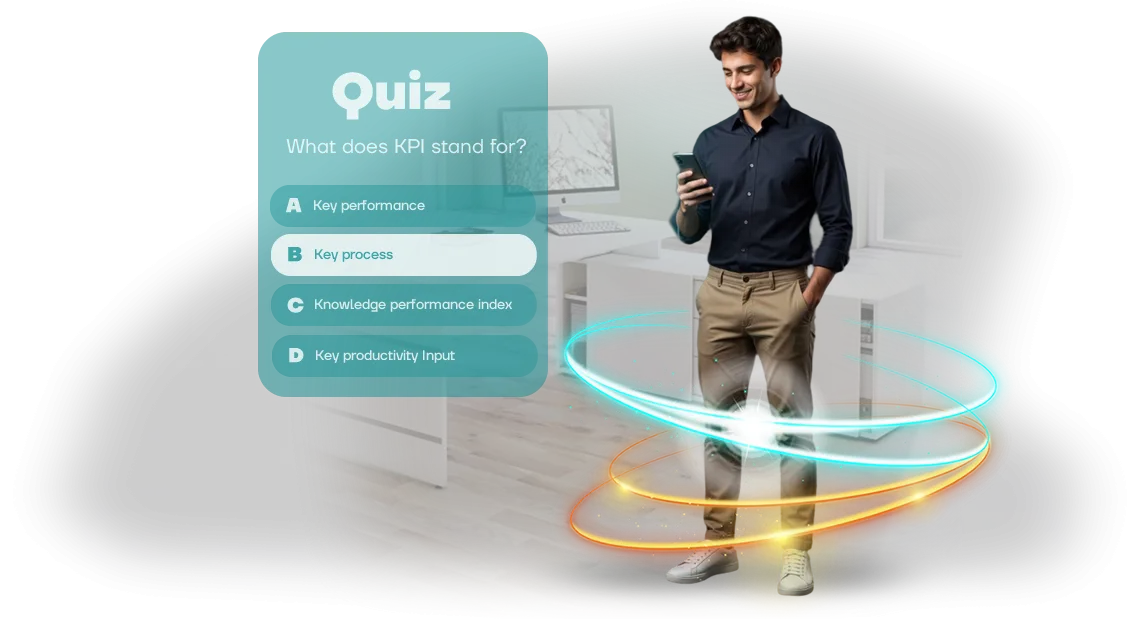
מבחני הדרכה לתעשיית התרופות ולמעבדות
בתעשיית התרופות, המחיר של טעות הוא גבוה במיוחד: איכות המוצר ובטיחות המטופלים תלויים בדיוק הפעולות של העובדים. אבל ידע שנרכש בהדרכות נדירות נשכח במהירות, והוא משתנה בין טכנאי מעבדה ומפעילים.
מידע מקוטע מוביל להפרות של תקנות, לבדיקות נוספות ולסיכונים עסקיים נוספים.
מבחני הדרכה הופכים הדרכה חד-פעמית לתרגול שוטף וניתן לניהול. העובדים עוברים מבחנים אינטראקטיביים קצרים במקום העבודה או בסמארטפון, בקצב שלהם.
מכניקה זו שומרת על תשומת הלב טוב יותר מאשר קריאת הוראות ועוזרת לחזק נהלים נכונים עד שהם הופכים לאוטומטיים. המנהל רואה מיד מי שלט בנושא ומי זקוק להמשך טיפול.
עבור תעשיית התרופות והמעבדות, משמעות הדבר היא תקן ידע אחיד לכל עובדי המעבדה—ממתחילים ועד מומחים מנוסים. פחות זמן מושקע בהסברים ובעבודה חוזרת, ומספר החריגות והטעויות יורד. בסופו של דבר, איכות המוצר ואמון השותפים גדלים.
אנו מפתחים מבחני הדרכה המותאמים למאפייני הארגון שלך: אנו משתמשים בתקנות שלך, במינוח שלך ובתרחישי עבודה אמיתיים. הפתרון רץ על ציוד מקצועי, משתלב בקלות בתהליכים קיימים ואינו דורש תחזוקה מורכבת. אתה מקבל כלי שהופך את הדרכת העובדים לצפויה, מדידה ובטוחה לעסק.
מה המבחן נותן לעסק שלך
מעורבות עובדים
תדרוכים והרצאות סטנדרטיים נשמעים בחצי לב: העובדים שומרים רק חלק קטן מהמידע. מבחן הופך את ההדרכה למשחק עם אלמנטים תחרותיים, שבו כולם רוצים להשיג את התוצאה הטובה ביותר.
זה מגביר את העניין בתקנות ובסטנדרטים במקום שזה ייתפס כחובה משעממת.
בקרת ידע ללא עצירת ייצור
המנהל רואה תמונה אובייקטיבית: מי באמת קלט את החומר ומי זקוק להדרכה נוספת. ניתן לעבור את המבחן ממש במקום העבודה בזמן נוח, מבלי למשוך אנשים ממחזור הייצור. התוצאות נשמרות ביומן, מה שמקל על מעקב אחר ההתקדמות של משמרת שלמה.
הפחתת שיעורי השגיאות
רוב ההפרות בתעשיית התרופות קשורות לגורם האנושי: נוהל שנשכח, שלב שהתבלבל, בדיקה שהוזנחה. חזרה קבועה על כללי מפתח בפורמט משחק מחזקת מיומנויות ומפחיתה את מספר החריגות. פחות פסולת פירושה עלויות נמוכות יותר עבור עבודה חוזרת ותלונות.
יעילות הדרכה
המבחן מחזיר את ההשקעה באמצעות חיסכון בזמן: במקום הדרכות ארוכות, העובדים סוקרים את הנושאים החשובים ביותר ב-15-20 דקות. המערכת עצמה מדגישה נקודות חולשה, והמנהל מכוון מאמצים בדיוק במקום להכשיר את כולם מחדש. ההדרכה הופכת למהירה יותר, זולה יותר וניתנת למדידה.
פורמטים של מבחנים: איזה מהם מתאים לצוות שלך
פורמט המבחן משפיע ישירות על האופן שבו העובדים תופסים את ההדרכה: כפורמליות מחייבת או כתהליך שימושי ודינמי. עבור תעשיית התרופות והמעבדות, חשוב לא רק לבחון ידע אלא גם לחזק תקנות, סטנדרטים ואלגוריתמי פעולה.
לכן אנו בוחרים פורמט למשימה הספציפית שלך—מבדיקה מהירה ועד לטבילה מלאה בתרחישי עבודה.
| פורמט | למי | מה זה נותן ללקוח |
|---|---|---|
| מבחן אינטראקטיבי | מחלקת בקרת איכות, צוות ייצור | בדיקת ידע מהירה לאחר תדריך או שינוי תקנות. העובד רואה תוצאות מיד; המנהל מקבל סיכום לכל הצוות |
| תחרות מבחן קבוצתית | משמרות, סדנאות, מחלקות | מערב את העובדים בהדרכה באמצעות תחרות בריאה. מתאים ל"ימי ידע" קבועים, משפר נוכחות ועניין בסטנדרטים |
| משחק הדרכה מקיף | עובדים חדשים, מתמחים, קבוצות חוצות-תחומים | מדמה מצבי ייצור אמיתיים: מקבלת חומרי גלם ועד עיבוד תיעוד. בונה הבנה הוליסטית של תהליכים ומפחית את מספר השגיאות |
באיזה פורמט כדאי לבחור?
- אם אתה צריך לנטר ידע לאחר הדרכה—בחר במבחן האינטראקטיבי: מהיר, ברור, עם אנליטיקה לכל עובד.
- אם חשוב להגביר מעורבות ולהזכיר באופן קבוע על סטנדרטים—תחרות קבוצתית מתאימה.
- אם המטרה היא הדרכה מעמיקה למתחילים ותרגול תרחישים מורכבים—בחר במשחק המקיף.
אנו משלבים אלמנטים מכל שלושת הפורמטים במערכת אחת: מבחנים, תרחישים, דירוגים וסטטיסטיקות חזותיות למנהל. אתה מקבל לא בדיקות חד-פעמיות אלא כלי הדרכה רציף שתומך בבטיחות ובאיכות הייצור. ספר לנו על המשימה שלך—נייעץ לך איזה פורמט יחזיר את ההשקעה מהר יותר.
איך הפרויקט עובד: מהבריף ועד ההשקה
פיתוח מבחן הדרכה למתקן תעשיית תרופות או למעבדה אינו רק מסירת קובץ מוכן. אנו מבנים את העבודה כך שתשלוט בכל שלב, תראה תוצאות ביניים ותוכל לבצע עריכות ללא ביורוקרטיה מיותרת.
הודות לתהליך ברור, אתה מקבל כלי שבאמת נמצא בשימוש ולא נאסף אבק בארכיון.
כך הפרויקט מתנהל מהשיחה הראשונה ועד ההשקה:
-
בריף וטבילה במשימה. אתה מספר לנו על העובדים שלך, על המאפיינים של הסדנה או המעבדה, על מטרות ההדרכה ועל מאפייני התקנות הפנימיות. אנו שואלים שאלות כדי להבטיח שהמבחן פותר את המשימות המדויקות שלך, ולא להיות תבנית "אוניברסלית".
-
תוכנית וקונספט. אנו מציעים מבנה: נושאים, פורמטים של שאלות, עלילה, מערכת ניקוד ותגמול. אנו קובעים מועדים ומאשרים את התוכנית—אתה יודע מראש מה ומתי תקבל, ללא הפתעות לא נעימות.
-
פיתוח תוכן. אנו כותבים שאלות, הסברים ופירוטי מצבים על בסיס התקנות שלך וטעויות עבודה אמיתיות. אנו מנסחים אותן כך שהמשימות בודקות הבנה, לא שינון עיוור של הוראות. במידת הצורך, אנו מוסיפים דינמיקה משחקית—טיימרים, רמות, תחרות בין-מחלקתית.
-
סקירה ועריכות. אתה מקבל גרסת ביניים של המבחן ומספק הערות. אנו משפרים: מוסיפים נושאים נדרשים, מתאימים רמת קושי, מבהירים ניסוח. זה נותן לך שליטה על התוצאה ללא אישורים ממושכים בדוא"ל.
-
בדיקות. אנו משיקים את המבחן על הציוד שלך, בודקים אותו עם עובדים ומוודאים שהכל אינטואיטיבי. אנו מתקנים בעיות קטנות לפני ההשקה הרשמית כך שהחוויה הראשונה תהיה חיובית.
-
השקה ומסירה. אנו מגדירים גישה למחשבים או למערכת הפנימית שלך, מאמנים מנהלים ומספקים הוראות וחומרים. אתה מקבל מבחן מוכן לחלוטין שמופעל בלחיצת כפתור.
-
תמיכה ופיתוח. לאחר ההשקה, אנו נשארים בקשר: מעדכנים שאלות, מוסיפים נושאים חדשים ועוזרים בבעיות טכניות. המבחן נשאר כלי חי שגדל עם התקנות והמשימות שלך.
גישה זו מבטיחה שהפרויקט יסופק בזמן ועם הבטחה שהעובדים אכן ישלימו את ההדרכה, יגבשו ידע ויתחילו לעבוד נכון יותר.
מה כלול בחבילת מסירת המבחן
אתה מקבל לא רק "קובץ משחק" אלא כלי הדרכה עובד שמשתלב בתהליכי תעשיית התרופות או המעבדה מהיום הראשון. ללא הפתעות: חבילת המסירה כוללת כל מה שצריך כדי להשיק ולנהל את המבחן באופן עצמאי.
הנה מה שאתה מקבל:
- מבחן מוכן — אפליקציה מהודרת למחשבי הצוות שעובדת ללא הגדרות נוספות. העובדים עוברים את המבחן, והתוצאות נכנסות אוטומטית לדוח.
- פאנל ניהול — חשבון אישי לניהול שאלות ותרחישים. אתה מעדכן מבחנים כדי להתאים לתקנות הפנימיות ולתקני האיכות בעצמך, ללא מעורבות מפתחים.
- מדריך למשתמש — מדריך ברור ברוסית: איך להשיק את המבחן, להריץ סשן לקבוצת עובדים ולייצא סטטיסטיקות סופיות.
- הדרכת צוות — סיור מקוון קצר למנהלים: הגדרה, העלאת תוכן ועבודה עם תוצאות. בדרך כלל שעה אחת מספיקה כדי שעובדים ינהלו את המערכת באופן עצמאי.
- תמיכה טכנית — סיוע לאחר ההשקה. אנו עונים על שאלות, עוזרים בעדכונים ומבצעים עריכות במהירות אם הדרישות משתנות.
כל פריט נותן מענה לצורך ספציפי: השקה מהירה, ניהול תוכן עצמאי ובקרת ידע שקופה.
זה חשוב במיוחד עבור תעשיית התרופות והמעבדות—הדרכת צוות מונחית על ידי תקנים, ודוחות בדיקת ידע נדרשים באופן קבוע וללא עיכובים.
דוגמה: מקרה בוחן לתעשיית התרופות
עבור תעשיית התרופות והמעבדות, כל טעות בתהליך היא סיכון לבטיחות, לאיכות המוצר ולמוניטין החברה. הרצאות ותדרוכים קלאסיים לא מצליחים לשמור על תשומת לב: העובדים עוברים את הבדיקה באופן פורמלי אבל שוכחים את התקנות המרכזיות תוך שבוע.
הצענו גישה שונה—מבחן הדרכה שמשתלב בזרימת העבודה ובוחן ידע באמצעות תרחישים קרובים ככל האפשר למשימות אמיתיות.
מקרה מאיר עיניים הוא שיתוף הפעולה שלנו עם PharmLab, יצרנית תרופות סטריליות. לפני השקת קו חדש, היינו צריכים להכשיר 180 עובדים משלוש מעבדות תוך חודש—ממפעילים ועד כימאים בכירים.
במקום מצגות סטנדרטיות, בנינו מבחן על Unity עם תרחישי משחק: ניתוח אירועים, בחירת רצף הפעולות הנכון ועבודה עם תיעוד רגולטורי.
העובדים השלימו אותו בבלוקים קטנים של 10-15 דקות, מה שלא עצר את מחזור הייצור ולא דרש שעות הדרכה ייעודיות.
מה הראו התוצאות
תוך שבועיים, דיוק הידע במבחן הבקרה עלה מ-67% ל-93%. התוצאה העיקרית: מספר ההפרות הרגולטוריות ירד—שגיאות רבעוניות במעבדות ירדו ב-38%.
מנהלי משמרות ציינו שעובדים חדשים הופכים לעצמאיים פי שניים מהר יותר: בעבר ההסתגלות ארכה עד ארבעה חודשים, עכשיו בערך חודש וחצי.
הלקוח העריך במיוחד את המעורבות: 96% מהעובדים השלימו את כל רמות המבחן בהתנדבות, ללא תזכורות. רבים ביקשו להוסיף תרחישים חדשים, ומחלקת הייצור הזמינה התאמה של המבחן לאזורים שכנים.
שישה חודשים לאחר מכן, החברה חזרה עם בקשה להרחיב את התוכנית למחסן ולמחלקת בקרת האיכות—האישור הטוב ביותר לכך שההדרכה הפסיקה להיות נטל כפוי והפכה לחלק מתרבות הבטיחות באתר הייצור.
איך לבחור את פורמט המבחן הנכון?
פורמט המבחן צריך לנבוע ממטרת הלמידה, לא מטרנדים. אם המטרה היא להכיר למתחילים את תקנות תהליך הייצור, מבחן רציף עם הסברי שגיאות עובד היטב.
אם אתה צריך לבדוק איך עובדים קלטו חומר לאחר תדריך, בחר בפורמט עם מגבלת זמן ורישום תוצאות חובה.
לחיזוק תקני איכות וכללי בטיחות, סבבים קצרים של "חמש דקות" שמשתלבים ביום העבודה מבלי להפריע לתהליכים עובדים הכי טוב.
ההנחיה השנייה היא הקהל. עובדים מנוסים מגיבים מהר יותר לתרחישים תחרותיים עם דירוגים, שבהם התקדמות כל משתתף נראית. מומחים צעירים ומתמחים מעריכים יותר תמיכה ורמזים, ולכן עבורם אנו משתמשים במצבי למידה עם פירוט שאלות.
המפתח הוא שהמבחן לא ירגיש כמו בחינה: הוא צריך להציג תוצאה ברורה ולהראות לעובדים את אזורי הצמיחה שלהם.
אנו גם מתחשבים בתנאי העבודה. בייצור ובמעבדות, גישה למחשב זמינה רק בנקודות מסוימות, ולכן פורמט קצר שניתן להשלים מתחנת העבודה מבלי לבזבז זמן הוא נוח. אנו מתכננים את המבחן כך שייקח לא יותר מ-10-15 דקות וישתלב באופן טבעי בלוחות הזמנים של המשמרות.
בפועל, אנו בוחרים את הפורמט לאחר בריף קצר: אתה מסביר איזו משימה אתה פותר—קליטה, בדיקות ידע תקופתיות או הכנה להסמכה.
אנו מציעים תרחיש שמספק תוצאות מדידות: שיפור בשיעורי התשובות הנכונות, הפחתת שגיאות תהליך או הגברת מעורבות עובדים. יחד איתך, אנו מאשרים את מבנה השאלות ואת סוג המבחן לפני תחילת הפיתוח.
פורמט הוא לא רק "משחק לשם המשחק", אלא כלי שאתה בוחר למטרה שלך. נייעץ מה יעבוד במקרה הספציפי שלך ונדגים כיצד המבחן יעמוד במטרת הלמידה כבר בהשקת הפיילוט.
שאלות נפוצות על פיתוח מבחנים
לקוחות בתעשיית התרופות והמעבדות מעריכים הדרכה שלא מפריעה לעבודה ומספקת תוצאות מהירות.
לכן, לפני השקת מבחן, הם שואלים את אותן שאלות: איך תתבצע ההטמעה, מי יתמוך בפרויקט, והאם ניתן לשנות חומרי הדרכה. אנו מתייחסים לחששות המרכזיים.
האם קשה לשלב מבחן בהדרכת עובדים?
ההטמעה אורכת זמן מינימלי. אנו מכינים את המבחן על בסיס חומרי ההדרכה שלך, מתאימים אותו לתוכנית הארגונית שלך ומספקים גישה לעובדים. אין צורך לערב את מחלקת ה-IT: כל הצד הטכני נשאר אצלנו.
העובדים עוברים את המבחן על מחשב או טאבלט—זה נוח ואינו דורש התקנת תוכנה נוספת. אתה מקבל כלי עבודה מוכן לשימוש, לא מוצר "גולמי" שצריך לסיים לבד.
האם אתה צריך תמיכה טכנית לאחר ההשקה?
המבחן פועל ללא פיקוח מתמיד, אבל אנחנו לא משאירים אותך ללא תמיכה. מומחה שמכיר את הפרויקט שלך זמין: עוזר בגישה, סוקר תוצאות ומבצע עריכות בעת הצורך. אתה מקבל מדריך קצר ויכול ליצור איתנו קשר בכל עת—זה מקל על העומס של הצוות שלך.
התמיכה כלולה בפרויקט, כך שלא תצטרך למצוא קבלן חיצוני או להעסיק עובד נפרד לתחזוקת המבחן.
באיזו תדירות ניתן לעדכן שאלות וחומרים?
חומרי הדרכה משתנים: אתה משיק תרופות חדשות, מעדכן תקנות או רוצה לחזור לנושאים חשובים. המבחן מסתגל בקלות—פשוט החלף שאלות או הוסף בלוקים חדשים. עדכונים מתרחשים מבלי להפריע להדרכה ואינם דורשים עבודה חוזרת על המערכת.
אנו עוזרים בעדכונים כחלק מהתמיכה שלנו, כך שאינך צריך להיכנס לפרטים טכניים. פשוט שלח את החומרים החדשים—אנחנו נטפל בשאר.
דון במשימה שלך—קבל הצעה
קח את הצעד הראשון—קבע ייעוץ קצר. נקשיב, נבהיר את מטרות ההדרכה שלך ואת מאפייני תהליך הייצור, ואז נייעץ איזה פורמט מבחן יעלה בצורה הטובה ביותר את רמות הידע ואת מעורבות העובדים.
לאחר השיחה, תקבל הצעה מותאמת עם הערכת עלות ולוחות זמנים. ללא תנאים נסתרים—רק תוכנית ברורה ותוצאה מדידה שמגבירה את כשירות הצוות ומפחיתה את הסיכון לטעויות בעבודה.
עבדנו עם תעשיית התרופות והמעבדות במשך שנים, ולכן אנו לוקחים בחשבון את מאפייני התעשייה, התקנות והסטנדרטים הפנימיים. נציע פתרון שמשתלב בקלות במערכת ההדרכה שלך ומספק החזר מהיר.
מה תקבל לאחר יצירת קשר:
- הערכה של מערכת ההדרכה הנוכחית שלך ואזורי בעיה בידע העובדים.
- בחירת פורמט מבחן—ממבחן פשוט ועד מבחן נרטיבי עם רמות.
- חישוב עלות לתרחיש שלך—ללא אפשרויות מיותרות או תוספות מחיר.
- הכנת דוגמת הדגמה כדי שתוכל לראות את הקונספט בפעולה.
- המלצות לשילוב בזרימות עבודה והגנה על נתונים.
- הצעה בכתב עם שלבים, לוחות זמנים ועלות בתוך יום עסקים אחד.
השאר בקשה באתר או התקשר אלינו—הייעוץ אינו מחייב. נדון במשימה שלך, נענה על שאלות ונציע אפשרות שמחזירה את ההשקעה באמצעות שיפור כישורים והפחתת שגיאות ייצור.