

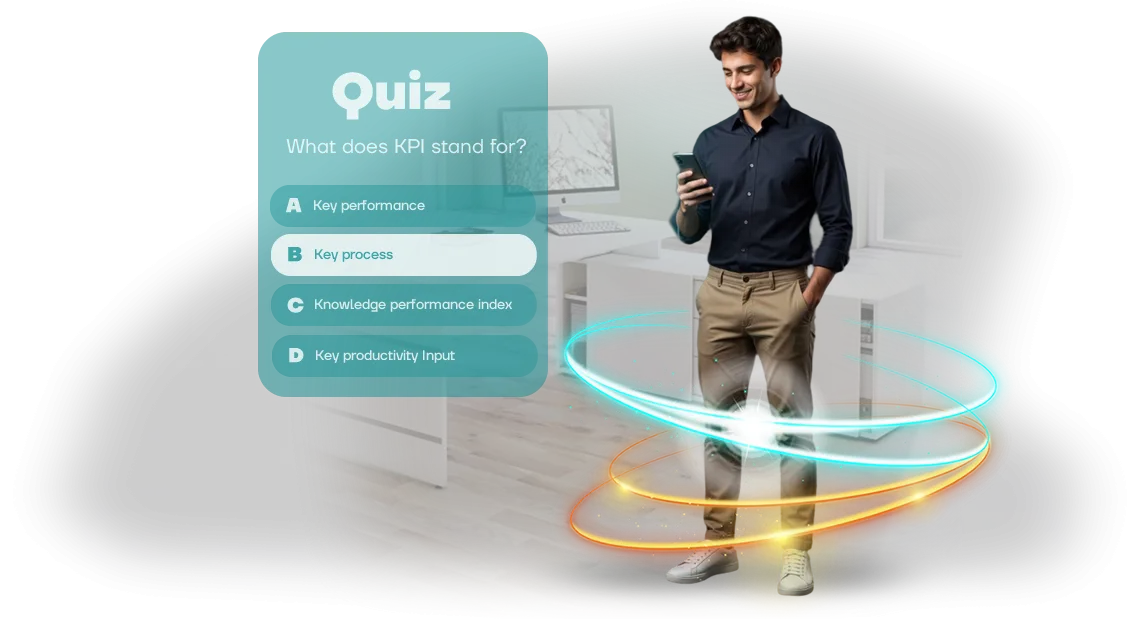
הדרכה במפעלי ייצור: למה זה לא עובד?
נשמע מוכר? אחרי תדריך בטיחות בעבודה, העובדים מהנהנים בביטחון, אבל תוך חודש הם מבלבלים את סדר הפעולות במצב חירום.
הדרכת הצוות נעשית רק למראית עין—הרצאות, מבחנים, חתימות בפנקס—אבל היא לא יוצרת ידע אמיתי או הרגלים. צוות הייצור ממשיך לעבוד בדרך הישנה, וזו דרך ישירה לסיכון.
כל מנהל רואה את ההשלכות: קנסות מרשויות הפיקוח על הפרות פרוטוקול, שיבושים בתהליך עקב טעות אנוש, פציעות והשבתות.
לפי הסטטיסטיקה, הגורם העיקרי לתקריות תעשייתיות הוא לא כוונת זדון אלא חוקים שנשכחו וכישורי תגובה שלא תורגלו.
כשההדרכה הפנימית לא מצליחה לחזק את החומר, המחיר של טעות נמדד לא בציוני מבחנים אלא בבטיחות האנשים ובמוניטין של המפעל.
למה זה קורה? פורמטים קלאסיים—הרצאות והוראות—מעמיסים על הזיכרון ולא מצליחים לרתק. עובד מקשיב, עובר את המבחן, ושוכח הכל כי החומר לא עורר עניין ולא נקשר למשימות אמיתיות.
בלי חזרה סדירה, הידע דוהה תוך כמה ימים, ו"בדיקת נייר" לא תופסת את זה.
הפתרון הוא הדרכה מקוונת הבנויה על מעורבות פעילה: מכניקת משחק, ניתוח מצבים אמיתיים ומשוב מיידי. גישה זו הופכת השלמת קורס פורמלית למיומנות מתמשכת, והעובדים עצמם רוצים לעבור אותה שוב.
אנחנו מכסים את הצורך הזה: אנחנו מתכננים חידוני הדרכה שמשתלבים במערכת ההדרכה הפנימית שלכם ומשנים באמת את התנהגות הצוות. בהמשך, נסביר איך זה עובד ואילו תוצאות המפעל שלכם יכול לצפות להן.
מה הדרכה מבוססת משחק מעניקה: 5 תוצאות מדידות
גימיפיקציה הופכת הדרכה מפורמליות חובה לכלי שמשפיע ישירות על ביצועי הייצור. חידוני הדרכה ומכניקת משחק מספקים תוצאות מדידות שקל לראות בנתוני הדיווח. הצוות שלנו עוזר למפעלים תעשייתיים ליישם פתרונות כאלה.
-
עלייה במעורבות. העובדים נכנסים למשחק במקום לשבת בהרצאה. הלקוחות שלנו מדווחים על עלייה של 40–60% בפעילות בהשוואה לפורמטים קלאסיים.
-
קליטה מהירה יותר. עובדים חדשים משננים תקנות ורצפי פעולה מהר יותר. הזמן עד למיומנות מלאה מצטמצם בשבוע בממוצע.
-
פחות טעויות. חידונים קצרים בונים פעולות נכונות להרגלים אוטומטיים. באתרי ייצור, מספר ההפרות יורד ב-15–20% תוך שישה חודשים.
-
בקרת ידע. מנהלים רואים תמונה אובייקטיבית של עד כמה כל עובד קלט את החומר. זה עוזר לזהות פערים בזמן ולהקצות הדרכה נוספת.
-
חיסכון בזמן. בדיקת התוצאות אוטומטית, והעובדים יכולים לגשת לחידונים ישירות בעמדות העבודה שלהם או בהפסקות. מבחני נייר ובדיקה ידנית הם נחלת העבר.
אנחנו מוכנים לפתח הדרכה מבוססת משחק למשימות של המפעל שלכם ולהראות את האפקט באתר פיילוט. צרו קשר—נדון בתרחיש ובמדדים למקרה שלכם.
פורמטים של חידוני PC למפעלי ייצור
עבור מפעלי ייצור, אותו חידון לא פותר את כל משימות ההדרכה. עובד חדש צריך בדיקה מהירה של היסודות, מנוסה צריך הסמכה על תקנות, וסדנה צריכה תרגול קבוע בלי להפריע לעבודה.
הפורמט שנבחר קובע כמה מהר ההדרכה מניבה תוצאות והאם היא הופכת לפורמליות בלבד.
אנחנו בוחרים את סוג חידון ה-PC לפי המטרה הספציפית והמאפיינים של המפעל: הערכה, הדרכה או גיבוש צוות. להלן טבלה של הפורמטים העיקריים שבהם אנו משתמשים.
| פורמט | קהל יעד | מה זה נותן ללקוח |
|---|---|---|
| בדיקת כניסה | עובדים חדשים, מועמדים | הערכת ידע מהירה לפני גישה לעבודה, תוכנית קליטה אישית |
| הסמכה | צוות קו, מומחים טכניים | הערכה אובייקטיבית בלי לעצור את הייצור, דוחות ברורים להנהלה |
| תרגולים קבועים | צוותים, משמרות עבודה | שימור מיומנויות, פחות טעויות, שליטה על מידת ספיגת ההוראות |
| תחרויות ארגוניות | כל המחלקות | מעורבות צוות, תחרות בריאה, עניין גובר בהדרכה |
הפורמטים קלים לשילוב: בדיקת כניסה מתפתחת בצורה חלקה לתרגולים קבועים, והסמכה רצה כתחרות עם ניקוד.
אנחנו מתכננים את מבנה החידון סביב התקנות שלכם ועוזרים לכם לבחור תרחיש שמניב תוצאה מדידה—מפחות טעויות ועד מעורבות גבוהה יותר של הצוות.
איך נוצר חידון הדרכה: שלבי הפרויקט
כל פרויקט מתחיל בהתעמקות במאפייני המפעל שלכם: חשוב להבין איך העבודה מאורגנת, איזה ידע צריך לחזק ואיפה טעויות מתרחשות לרוב.
לכן, התהליך בנוי כרצף שקוף של שלבים—אתם רואים תוצאות ביניים, עורכים שינויים ושולטים בלוחות זמנים. אנחנו מלווים את הפרויקט מהבריף הראשון ועד ההשקה ומעבר לכך, כך שהחידון באמת פותר את משימת ההדרכה.
שלבי הפיתוח
-
בריף וניתוח משימה. אנחנו דנים ביעדי ההדרכה, בקהל ובפורמטי העבודה של העובדים. אנחנו אוספים תקנות, הוראות וטעויות אופייניות שצריך לטפל בהן בחידון.
-
תרחיש ושאלות. בהתבסס על החומרים, אנחנו יוצרים תרחיש, מנסחים שאלות ואפשרויות תשובה. אנחנו מפתחים הסברים—למה תשובה נכונה או שגויה—כדי שהעובד יזכור את אלגוריתם הפעולה הנכון.
-
קונספט עיצובי. אנחנו יוצרים את העיצוב החזותי: זהות תאגידית, דמויות, איורים. אנחנו הופכים את הממשק למובן לעובדים בכל גיל ורמת מיומנות טכנית.
-
הרכבת אב טיפוס. אנחנו בונים גרסה אינטראקטיבית של החידון על פלטפורמת המשחק המקצועית Unity. כבר בשלב זה, אתם רואים איך זה נראה ועובד ויכולים להעריך את נוחות השימוש.
-
מילוי תוכן. אנחנו טוענים את כל השאלות, התשובות וההסברים, ומוסיפים סאונד, אנימציה ומערכת ניקוד. אנחנו מוודאים שהתרחיש רץ כראוי על כל המחשבים המיועדים.
-
בדיקות. אנחנו מריצים מחזור בדיקות מלא: תקינות, נוחות משתמש ועמידה בחומרי המקור. אנחנו משתפים את העובדים שלכם—זה עוזר לנו למצוא נקודות חיכוך אמיתיות ולתקן אותן לפני ההשקה.
-
השקה ותמיכה. אנחנו מתקינים את החידון על עמדות עבודה, מחברים את מערכת מעקב התוצאות ומכשירים את המנהל. אחרי ההשקה, אנחנו נשארים בקשר: מעדכנים שאלות, עוזרים בבעיות טכניות ומשכללים את התרחיש אם צריך.
כתוצאה מכך, אתם מקבלים כלי הדרכה מוכן לשימוש שניתן להשתמש בו באופן קבוע: לשנות שאלות, להוסיף נושאים חדשים ולעקוב אחרי איך העובדים קולטים את החומר. התהליך רץ לצד הצוות שלכם—אתם תמיד יודעים מה קורה בכל שלב ומתי התוצאה תהיה מוכנה.
מה כלול במסירה: ערכת השקה מלאה להדרכה
כשאתם מזמינים חידון ארגוני, חשוב להבין שאתם מקבלים לא רק משחק, אלא מערכת מוכנה להפעלת הדרכה. הרכבנו חבילה שמכסה את הצד הטכני, תמיכה מתודולוגית והעברת מיומנויות לצוות שלכם. זה מאפשר לכם להשיק הדרכה במהירות ולהימנע מתלות בקבלנים חיצוניים.
- אפליקציית הדרכה ל-PC — הופכת את הגשת החידונים, בדיקת התשובות ואיסוף הסטטיסטיקה לאוטומטיים. העובדים נבחנים בעמדות העבודה שלהם, והתוצאות נאספות למאגר אחד בלי מעורבות אישית של הצוות שלכם.
- פאנל ניהול — מאפשר למומחים שלכם לנהל את מאגר השאלות, להגדיר כללי השלמה ולראות תוצאות לכל מחלקה. אין צורך לפנות למפתחים לשינויים שוטפים.
- חומרים מתודולוגיים — תרחישי חידון מוכנים והמלצות להנעת עובדים. אתם מקבלים לא רק מוצר טכני אלא תוכנית מחושבת היטב שקל להתאים למשימות שלכם.
- הוראות למנהל — מדריכים פשוטים שלב אחר שלב להתקנה, הגדרה ושימוש יומיומי. אפילו עובד בלי ניסיון טכני יכול להבין את זה ביום אחד.
- הכשרת המנהלים שלכם — אנחנו מבצעים אותה מרחוק או באתר שלכם, ומעבירים את כל הכישורים המעשיים. אחרי ההכשרה, הצוות שלכם עצמאי לחלוטין בעבודה עם החידון.
כך, אתם מקבלים ערכה מלאה להפעלת הדרכה בלי לערב קבלנים נוספים. כל מה שנשאר הוא להקצות אנשי צוות אחראיים ולהשתמש בתוכנית המוכנה. גישה זו חוסכת זמן ומבטיחה שהחידון באמת יעבוד בתהליך ההדרכה שלכם.
מקרה בוחן: איך מפעל הפחית טעויות ב-40% באמצעות חידון
במפעל לבניית מכונות "וקטור", הם מייצרים מערכות הידראוליות למכונות מיוחדות. חלק הפגמים שנגרמו מחוסר תשומת לב של מפעילים הגיע ל-12%, וכל מקרה כזה גרם לשתיים עד שלוש שעות של השבתת קו ועיבוד מחדש של האצווה.
תדרוכים מסורתיים ופוסטרים של חוקי בטיחות לא שינו את התנהגות העובדים—הידע נשאר תיאוריה ולעולם לא תורגם לפרקטיקה.
הצענו ליישם חידון הדרכה לעובדים ולמנהלי משמרות. במקום הרצאות חובה—מפגשי משחק קצרים על טאבלטים לפני המשמרת. השאלות כיסו מצבי ייצור אמיתיים: סדר פעולות, סימני תקלה, דרישות בטיחות בעבודה.
עובד רואה מיד היכן טעה ויכול לשחזר את האלגוריתם הנכון במקום.
תוך חודש, האפקט נראה: המפעילים התחילו לדלג פחות על נקודות בקרה. עד סוף החודש השלישי, מספר הפרות הייצור ירד ב-40%, והטעויות בהרכבת יחידות כמעט נחצו. הציון הממוצע של העובדים עלה מ-58% ל-86%.
החידון לוקח עד 15 דקות ביום, ובכל זאת הוא מקצר השבתות ועיבודים חוזרים, ועובדים חדשים מגיעים למהירות מלאה פי שניים מהר יותר.
עבור המפעל, זה אומר עמידה יציבה בהזמנות בלי כיבוי שריפות ושעות נוספות. ההנהלה העריכה את התוצאה כל כך עד שהוסיפה את החידון לתוכנית ההדרכה הקבועה והזמינה סבבים נוספים לצוות ההנדסי והטכני.
מקרה יישום זה מראה: הדרכה שמועברת נכון עובדת ביעילות רבה יותר מתדרוכים מסורתיים.
איך לבחור את הפורמט הנכון למשימה שלכם?
קליטת עובדים חדשים, הסמכה מתוכננת ופיתוח מקצועי קבוע הם שלוש משימות עסקיות שונות.
אין חידון אוניברסלי שמכסה את כולן באותה מידה: הפורמט חייב להתאים למטרה, אחרת ההדרכה הופכת לפורמליות והתקציב מתבזבז.
להדרכה ראשונית של עובדים חדשים, בחרו תרחישים קצרים עם משוב מיידי.
בימים הראשונים, עובד מוצף במידע, אז חידון שמציג תקנות ונהלי בטיחות צריך לקחת 10–15 דקות ולהראות מיד מה הם קלטו ומה צריך לחזור. זה מפחית את מספר הטעויות כבר בשבוע הראשון לעבודה.
הסמכה מתוכננת היא הערכת כישורים, לא משחק. תרחיש קפדני חשוב כאן: שאלות על תקנים, הוראות ייצור ואלגוריתמי פעולה במצבי חירום.
התוצאות של חידון כזה נותנות למנהל תמונה אובייקטיבית—איזה עובד שולט בחומר בביטחון ומי צריך הדרכה נוספת. בחרו פורמט עם תוצאות מתועדות וסטטיסטיקה ברורה לכל משתתף.
לפיתוח מקצועי קבוע, סבבים נושאיים קצרים שמושקים פעם בחודש עובדים הכי טוב. לעובדים אין סיכוי להישחק, והידע מתחזק כל הזמן על דוגמאות מעשיות קונקרטיות.
מיקרו-חידונים עם 5–7 שאלות עובדים הכי טוב—הם משתלבים בזרימת העבודה בלי להפריע לייצור ולא נתפסים כנטל נוסף.
עקרון הבחירה המרכזי הוא פשוט: קודם קבעו איזו תוצאה העסק צריך—לקלוט חדש, לוודא ידע או להעלות שיטתית את הכישורים—ורק אז הסתכלו על המכניקה.
אנחנו עוזרים לכם לבחור פורמט למשימה שלכם ולהתאים את התרחיש כך שהחידון פותר בעיה ספציפית ולא משחק לשם המשחק.
שאלות נפוצות על פיתוח חידונים
לפני תחילת הפרויקט, לקוחות שואלים לרוב על לוחות זמנים, אבטחת מידע ועדכוני תוכן. אנחנו עונים על השאלות המרכזיות כדי שתבינו מראש איך העבודה בנויה.
כמה זמן לוקח פיתוח חידון?
פיתוח סטנדרטי לוקח 3–6 שבועות: בריף, אישור תרחיש, הכנת תוכן, בדיקות והשקה. לאירוע ארגוני דחוף, אנחנו יכולים לעמוד בלוח זמנים של 2–3 שבועות באמצעות מודולים סטנדרטיים.
עד כמה מאובטחים נתוני העובדים?
אנחנו עובדים תחת חוזה, והסודיות מעוגנת בהסכם נפרד. החידון יכול להתארח על השרת המקומי של המפעל—התוצאות לעולם לא עוזבות את גבולותיו.
אפשר לעדכן את השאלות אחרי ההשקה?
כן, התוכן מתעדכן לאורך כל תקופת השירות. אתם שולחים עריכות, אנחנו מעלים ובודקים—בדרך כלל תוך יום או יומיים עסקיים.
אילו דרישות מחשב נדרשות מהעובדים?
מחשב משרדי עם דפדפן מודרני מספיק—לא צריך להתקין שום דבר נוסף. אם הגישה לאינטרנט מוגבלת, נפרוס את החידון על השרת הפנימי.
עדיין יש שאלות על הדרכת עובדים? כתבו לנו—נייעץ לכם איך לשלב את החידון בתהליכים שלכם ואילו התאמות אולי תצטרכו.התחילו את הפרויקט: מה אתם מקבלים בהתחלה
כדי להזמין חידון למפעל ייצור, אתם לא צריכים להבין בפיתוח. מספיק לתאר את המשימה—ואנחנו נהפוך אותה לתוכנית ברורה עם תוצאות ספציפיות.
אנחנו עובדים על עיקרון של מפתח יחיד: אנחנו לוקחים על עצמנו הכל מהתרחיש ועד ההשקה והכשרת הצוות.
בהתחלה, אתם מקבלים ערכת חומרים שעובדת ומסירה אי-ודאות וחוסכת זמן. הנה מה שיהיה על השולחן שלכם מיד אחרי אישור הבריף:
- בריף פיתוח — אנחנו מתעדים את יעדי ההדרכה, הנושאים, רמת קושי השאלות וקהל היעד: מפעילים, מנהלי משמרות, מהנדסים או כל הצוות.
- תוכנית פרויקט עם שלבים ולוחות זמנים — אתם רואים מתי אב הטיפוס, גרסת הבדיקה והגרסה הסופית יהיו מוכנים, ואתם יכולים לתכנן את ההשקה בלי לשבש את לוח הייצור.
- עלות מחושבת אחרי בדיקה—בלי עמלות נסתרות — אתם מבינים את העלות של כל שלב ואם צריך, מתאימים את ההיקף לפני תחילת העבודה.
- אב טיפוס לאישור — מודל אינטראקטיבי של מסך החידון עם מכניקה, עיצוב ולוגיקת שאלות. אתם מאשרים את הסגנון לפני שנתחיל בפיתוח מלא.
- מפרט תוכן — מבנה השאלות, אפשרויות התשובה, ההסברים והרמזים. זה תרחיש ההדרכה שלכם, שקל לתאם עם מומחי תחום.
- המלצות השקה — איך לשלב את החידון בתוכנית ההדרכה הנוכחית שלכם, באילו שלבים לכלול אותו ואיך להניע עובדים לגשת אליו בלי כפייה.
אחרי אישור אב הטיפוס, מתחיל פיתוח מלא, ואחריו יישום ישירות בהדרכה ברצפת הייצור. אתם מקבלים כלי מוכן שמגביר את מעורבות העובדים ובקרת הידע בלי לעצור את זרימת העבודה.
שלחו בקשה להתחלת הפרויקט—תוך יומיים עסקיים נכין תוכנית התחלתית ונסביר איך החידון פותר את המשימה הספציפית שלכם.