

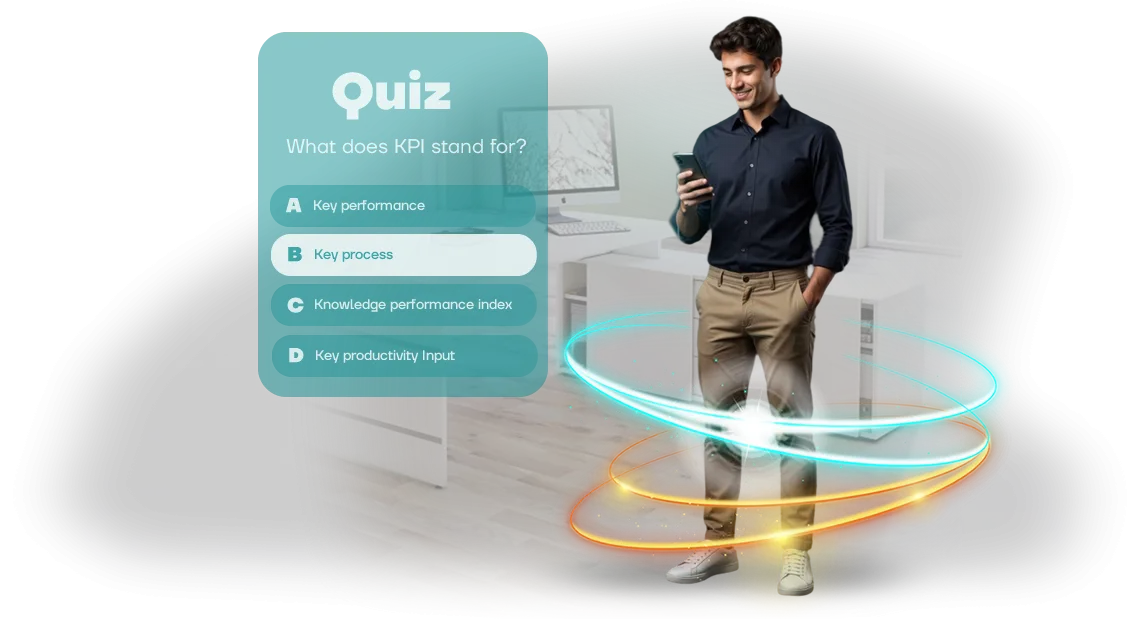
מרכזי שיקום מפסידים באיכות עקב הכשרה פורמלית
ההכשרה במרכזי שיקום הופכת פעמים רבות לפורמליות: עובדים מאזינים להרצאות, עוברים מבחנים, וחוזרים לשגרה הרגילה שלהם. תוך מספר שבועות, הידע דוהה—ואותן טעויות חוזרות על עצמן.
ברפואה, שבה החלמת המטופל תלויה ישירות בכישורי הצוות, זה עולה ביוקר: לוחות זמנים ממושכים לטיפול, לקוחות לא מרוצים, ופגיעה במוניטין.
הכשרת עובדים לשם סימון וי לא משנה את הרגלי העבודה. אדם מסמן נוכחות מכנית אך לא באמת מתחבר לחומר.
זה בולט במיוחד בשיקום, שבו יש ליישם ידע במצבים משתנים—עבודה עם אבחנות שונות, רמות מיומנות מוטורית, ומצבים רגשיים של מטופלים. הוראות יבשות ומצגות לא בונות מיומנויות, וטעויות גורמות נזק ממשי.
איכות השירותים הרפואיים תלויה ישירות באופן שבו פרוטוקולים ונהלים נקלטים. אם ההכשרה לא מחוזקת בתרגול, הצוות פועל באקראיות. זה מוביל לעומס עבודה מוגבר על הרופאים, לבדיקות נוספות, ולירידה באמון המטופלים במרכז.
מנהלים נאלצים לפקח כל הזמן על העובדים במקום להתמקד בפיתוח המחלקה.
אנחנו פותרים בעיה זו באמצעות חידוני הכשרה אינטראקטיביים שמערבים את הצוות בסקירה פעילה של החומר. במקום האזנה פסיבית—תרחישים קרובים לעבודה אמיתית: ניתוח מצבים קליניים, תרגול אלגוריתמים, משוב מיידי.
העובדים רואים את הפערים שלהם ומתקנים אותם מיד, לא בסוף הרבעון. מנהלים רואים תוצאות אחרי המפגשים הראשונים: פחות שגיאות תיעוד, מטופלים רגועים יותר, ביצוע זהיר יותר של פרוצדורות.
כך, פיתוח מקצועי מפסיק להיות פורמליות והופך לכלי שמשפר באמת את איכות השירות ואת ביטחון הצוות.
מה נותנת הכשרה מבוססת חידונים
הרצאות ומצגות סטנדרטיות לא מחזיקות תשומת לב טוב: עובדים מוסחים במהירות ושוכחים את רוב החומר תוך שבוע. הכשרה אינטראקטיבית מבוססת חידונים פותרת בעיה זו—היא הופכת את התהליך למשחק עם שאלות, נקודות, והתקדמות נראית לעין.
המשתתפים לא מקשיבים פסיבית; הם עונים, בודקים את עצמם, ורואים תוצאות—רמת מעורבות שונה מהותית.
גימיפיקציה מוסיפה אלמנט תחרותי. כשעובדים רואים לוח תוצאות והישגים, העניין בנושא נמשך גם מחוץ ללוח ההכשרה—אנשים חוזרים מרצון לחומר כדי לשפר את התוצאות שלהם. זה בונה הרגל של שיפור מיומנויות קבוע ללא תזכורות מהמנהל.
יעילות הפורמט נתמכת בנתוני מחקר. לפי מודל שימור הידע של National Training Laboratories, קריאה פסיבית שומרת רק כ-10% מהחומר, בעוד השתתפות פעילה ותרגול שומרים עד 75%.
חידון הוא פורמט פעיל: העובד לא רק צופה אלא חושב, בוחר תשובות, ומנתח טעויות. כתוצאה מכך, שימור החומר עמוק משמעותית מאשר בצפייה רגילה בשקופיות.
חיסכון בזמן הוא יתרון משמעותי נוסף. אין צורך לאסוף את כולם בחדר ישיבות ולהרחיק אותם מהעבודה: אפשר להשלים את החידון במחשב האישי בזמן נוח.
במקביל, המנהל מקבל דוחות ברורים—מי הצליח, איפה יש פערים, ומי צריך הכשרה נוספת. מעקב אחר תוצאות הופך לשקוף ומהיר, ללא צורך בבדיקת מבחנים ידנית.
אנחנו יוצרים חידונים כאלה על Unity—עם גרפיקה מקצועית, אנימציה חלקה, וביצועים יציבים על ציוד משרדי סטנדרטי. זה לא מבחן חד-פעמי, אלא כלי הכשרה מלא שניתן להתאים לנושאים שונים ולהשתמש בו שנים.
הפורמט האינטראקטיבי מספק עלייה מוחשית במעורבות ובאיכות ההכנה ללא זמן ומאמץ נוספים מהצוות שלכם.
פורמטים של חידוני הכשרה למרכזי שיקום
במרכזי שיקום, חשוב שכל העובדים יפעלו לפי סטנדרטים אחידים—ממנהלים ועד צוות רפואי. הרצאות ותדריכים מספקים מעט משוב: קשה לדעת מי קלט את החומר ומי רק נכח.
חידוני הכשרה פותרים בעיה זו: הם בודקים ידע בפורמט דמוי משחק, מחזקים מיומנויות, והופכים לכלי בקרת איכות עבור מנהלים.
להלן הפורמטים העיקריים של חידונים שאנחנו מכינים. אפשר לבחור אחד או לשלב ביניהם לפי המשימות שלכם—בחירת הפורמט תלויה בניסיון הצוות ובמטרות ההכשרה.
| פורמט | קהל יעד | מה הוא נותן למרכז |
|---|---|---|
| חידון היכרות | עובדים חדשים, מתמחים | התאקלמות מהירה ובסיס ידע אחיד מהיום הראשון לעבודה |
| חידון לעובדים מנוסים | צוות רפואי, מנהלים | עדכון ידע, סקירת מקרים מורכבים וטעויות אופייניות |
| חידון סיום אחרי קורס | כל משתתפי ההכשרה | הערכה אובייקטיבית של תוצאות, אישור כשירות |
| חידון מיני קצר | כל הצוות | שימור ידע ללא הפרעה לעבודה—סקירה בזמן נוח |
מערכת הכשרת צוות כזו נותנת למנהל מספרים ברורים: מי מצליח ומי צריך הכנה נוספת. קל לשנות פורמטים—השאלות מתעדכנות ככל שמופיעות שיטות חדשות ותקנות פנימיות.
אנחנו מתאימים את החידון לפרוטוקולים של המרכז שלכם, והעובדים תופסים אותו כמשחק מרתק ולא כמבחן מלחיץ. כתוצאה מכך, ההכשרה לוקחת פחות זמן, ורמת הידע הופכת למדידה וצפויה.
איך אנחנו מפתחים את החידון שלכם: שלבי העבודה
בנינו את תהליך פיתוח החידון כך שתמיד תבינו באיזה שלב נמצא הפרויקט ומה קורה הלאה. אין "קופסה שחורה": מהבריף ועד ההשקה, אתם רואים כל שלב, עורכים שינויים, ושולטים בלוחות הזמנים. גישה זו עוזרת למנוע אי-הבנות ולספק בדיוק את התוצאה שהמרכז שלכם צריך.
- בריף והתעמקות. אנחנו לומדים את המאפיינים הספציפיים של מרכז השיקום שלכם, מטרות ההכשרה, וקהל העובדים. אנחנו קובעים איזה ידע ומיומנויות צריך לבדוק.
- התאמת קונספט ותסריט. אנחנו מכינים נושאים, שאלות, ואפשרויות תשובה. אתם עורכים שינויים לפני שפיתוח מתחיל—זה חוסך זמן וכסף.
- עיצוב ממשק. אנחנו הופכים את החידון לאינטואיטיבי עבור עובדים בכל גיל. אנחנו מציגים אבטיפוסים ולוקחים בחשבון את העדפות הסגנון שלכם.
- אב-טיפוס ובדיקות. אנחנו משיקים גרסה עובדת עם סט מצומצם של שאלות. אתם בודקים אותה, רואים את ההיגיון והשימושיות, ומציעים התאמות.
- פיתוח סופי והשקה. אנחנו מגדירים את מערכת מעקב התוצאות, עורכים בדיקות מלאות, ועוזרים לכם להטמיע את העובדים ולהתחיל בהכשרה.
- תמיכה ועדכונים. אחרי ההשקה, אנחנו נשארים בקשר: מעדכנים שאלות, מוסיפים מודולים, ועונים על שאלות. אפשר לסמוך עלינו בכל עת.
כתוצאה מכך, אתם מקבלים לא רק משחק, אלא כלי הכשרה ניתן לניהול עם שלבים ברורים ובקרת איכות בכל אחד מהם. אנחנו תמיד פתוחים למשוב ומוכנים להתאים את הקורס ככל שהמשימות שלכם מתפתחות.
מה כלול בחבילת מסירת החידון
אתם מקבלים לא רק משחק, אלא פתרון ארוז להשקת הכשרה שניתן להפעיל כבר בשבוע הבא. מסירת החידון כוללת כל מה שצריך: מהתוכנה עצמה ועד הוראות ותמיכה ראשונית. להלן תכולת החבילה המלאה, מנקודת מבטו של הלקוח.
-
חידון PC מוכן, מותאם למרכז שלכם. המשחק מותקן על מחשבי עבודה ופועל ללא חיבור לאינטרנט—זה חשוב כשההכשרה מתקיימת במבנים עם גישה מוגבלת לרשת. אנחנו מתאימים את תוכן השאלות והתסריט לתקנות ולשיטות השיקום שלכם.
-
חבילת תיעוד. זו תיקייה עם מדריך התקנה, תיאור של כל הפונקציות, והוראות למצבים אופייניים. זה יהיה קל אפילו לעובד ללא רקע טכני—כל התיעוד כתוב בשפה ברורה ופשוטה.
-
מדריך מנהל. תרחישים שלב אחר שלב: איך ליצור סשן, להוסיף קבוצת עובדים, לצפות בתוצאות, ולייצא דוח. המנהל שלכם יכול לנהל את החידון בעצמו ללא צורך בקריאה למומחים חיצוניים לכל השקה.
-
חומרי מתודולוגיית הכשרה. אלה כוללים שאלות מוכנות עם הסברים, המלצות לניהול סקירות קבוצתיות, ורשימות בדיקה להערכת ידע. זה פותר את נקודת הכאב העיקרית של מנהל—אין צורך לבזבז שעות בהכנת שיעור מאפס.
-
עיצוב מותאם אישית למרכז שלכם. לוגו, צבעי מותג, מונחים המשמשים במוסד שלכם, ומקרים אמיתיים מהשטח. העובדים תופסים את החידון כחלק מתהליך העבודה ולא כמשחק מנותק, כך שהמעורבות ושימור החומר גבוהים יותר.
-
הכשרת מנהל. אנחנו עורכים סשן מקוון קצר המכסה את כל התרחישים: מההשקה הראשונה ועד עבודה עם דוחות. אחרי ההכשרה, הצוות שומר הקלטה של הסשן ודף רמאות, כך שהבעיה של "שכחתי איך ללחוץ" לא תתעורר.
-
תמיכה טכנית בהשקה. בשבועות הראשונים אחרי ההשקה, אנחנו זמינים: עונים על שאלות, עוזרים להגדיר סשנים, ומבצעים עדכונים מהירים אם צריך. אתם לא נשארים לבד עם המערכת החדשה.
מקרה בוחן: איך חידון הכשרה קיצר את זמן קליטת עובדים חדשים
ההנהלה של מרכז השיקום "התאוששות" פנתה אלינו עם המשימה להאיץ את הכשרת העובדים החדשים. הרצאות סטנדרטיות לקחו כמעט שבועיים, חלק מהמידע אבד, ומומחים בכירים בילו שעות בבדיקת ידע.
החלפנו חלק מההרצאות בחידון אינטראקטיבי על פלטפורמת Unity. העובדים עונים על שאלות, רואים מיד פתרונות נכונים, וחוזרים לנושאים קשים—זה מוביל לקליטה עמוקה יותר של החומר.
הפלטפורמה מבטיחה ביצועים יציבים אפילו על המחשבים הישנים של המרכז, כך שההכשרה לא מופרעת על ידי בעיות טכניות.
תוצאות החידון: זמן ושגיאות
בחודש הראשון, תוצאות החידון עלו על הציפיות: זמן ההכנה ירד משבועיים לארבעה ימים, ומספר השגיאות בפרוצדורות סטנדרטיות ירד ב-60%.
ההנהלה קיבלה מערכת בקרה ברורה—תוצאות הבדיקות מראות מיד מי קלט את החומר ומי צריך תמיכה נוספת.
המלצת לקוח
ראש המחלקה הגיב: 'היעילות של החידון נראית מיד: בעבר, חונך בילה חצי משבוע העבודה בחזרה על אותו מידע; עכשיו העובדים משלימים את החידון באופן עצמאי ובקצב שלהם. אנחנו חוסכים זמן ומקבלים תמונה אובייקטיבית של מוכנות.'
אחרי ההשקה המוצלחת, המרכז הזמין הרחבה של החידון לנושאים ומחלקות חדשות. מקרה הכשרה זה מאשר: חידון מעוצב היטב מספק תוצאות מדידות—הכשרה מהירה יותר, פחות שגיאות, וביטחון גבוה יותר של הצוות.
שאלות נפוצות על פיתוח חידוני הכשרה
הטמעת חידון הכשרה במרכזי שיקום מעלה בדרך כלל את אותן דאגות: האם יהיה צורך לארגן מחדש את תהליכי העבודה, האם העובדים יתמודדו עם הפורמט החדש, והאם התוכן יתיישן. אנחנו עונים על השאלות המרכזיות כדי שתבינו איך ההטמעה עובדת ומה הצוות מקבל.
האם קשה לשלב חידון בעבודת המרכז?
לא. אנחנו מתאימים את החידון למאפיינים שלכם: אנחנו מטעינים שאלות המבוססות על פרוטוקולים, תקני טיפול, ותקנות פנימיות. כדי להתחיל, אתם צריכים רק מחשב או טאבלט—העובדים יכולים להשלים את המשחק בזמן נוח ללא הפרעה ללוח הזמנים שלהם.
מה אם העובדים לא ירצו להשתתף?
החידון בנוי על מכניקת משחק: נקודות, רמות, לוח תוצאות. זה יוצר תחרותיות בריאה ורצון לשפר תוצאות. בנוסף, אפשר לקשר את ההשלמה לתוכנית ההכשרה או למערכת תגמול—אנחנו מספקים המלצות איך להגדיר את זה.
איך אתם שומרים על עדכניות החומרים?
אנחנו יוצרים פאנל ניהול שדרכו אתם מעדכנים שאלות ותשובות בעצמכם. תקנה חדשה מופיעה—החליפו את השאלה המיושנת תוך כמה דקות. אין צורך לפנות למפתחים או לחכות זמן רב.
מה המוטיבציה של העובדים לקחת את החידון באופן קבוע?
בנוסף ללוח התוצאות והתגמולים, אפשר לשלב את החידון בתהליך קליטת עובדים חדשים ובהערכות תקופתיות. העובדים רואים את ההתקדמות שלהם, והמנהל רואה סטטיסטיקות לכל אדם: מי קלט את החומר ומי צריך הכשרה נוספת.
השאירו פנייה—קבלו חידון שעובד
הכשרת צוות מסתכמת לעתים קרובות בהרצאות משעממות ומצגות שלא נשארות בזיכרון. חידון פותר בעיה זו: העובדים מתערבים בתהליך, והידע מתחזק דרך משחק.
אנחנו מפתחים חידונים כאלה למרכזי שיקום ויודעים איך להתחשב במאפיינים הספציפיים של הצוות שלכם.
כדי לעזור לכם להבין איך העבודה תתנהל, הנה מה שקורה מיד אחרי שאתם שולחים פנייה:
- ייעוץ אישי: אנחנו דנים במטרות ההכשרה, מספר העובדים, והנושאים שצריך לכסות.
- הצעה מסחרית: אנחנו קובעים את היקף העבודה, לוחות הזמנים, והעלות—ללא תוספות נסתרות.
- גישת הדגמה: תראו גרסת ניסיון של החידון ותעריכו את המכניקה לפני הרכישה.
- פיתוח ואישור: אנחנו מכינים את התוכן, אתם עורכים שינויים ושולטים בכל שלב.
- השקה והכשרת מנהל: אנחנו מוסרים את המשחק המוגמר ומראים איך לעבוד איתו ללא ידע מיוחד.
- תמיכה לאחר ההשקה: אנחנו עוזרים לעדכן שאלות, להוסיף תרחישים חדשים, ולשכלל פונקציונליות.
השאירו פנייה באתר—נשיב תוך יום עסקים אחד, נבהיר פרטים, ונכין הצעה מסחרית. תקבלו כלי שבאמת מגביר מעורבות ואיכות הכשרה, לא רק משחק לראווה.
מה לעשות אם אתם צריכים חידון מותאם אישית?
אם תבנית חידון מוכנה לא מתאימה למאפיינים שלכם, זה נורמלי. לרוב מרכזי השיקום יש תקנות, טרמינולוגיה, ותרחישי טיפול משלהם שלא יכולים להיכנס לפתרון קופסתי.
לכן, אנחנו מתכננים חידון מותאם אישית לא "מתבנית" אלא מהתהליך שלכם: אילו מצבים העובדים נתקלים בהם בפועל, אילו שגיאות צריך למנוע, ומהי רמת הידע שצריך להחשיב כהשגית.
ראשית, אנחנו עורכים בריף קצר עם המומחים שלכם: סוקרים תקנות, שגיאות אופייניות, ומקרים מורכבים.
בהתבסס על זה, אנחנו בונים את מבנה השאלות והתרחישים—כך שבמהלך החידון, העובד עובר לא על מבחן מופשט אלא על תרגול פעולות קרובות לעבודה אמיתית.
אם יש לכם סטנדרטים פנימיים, אנחנו מתאימים את הניסוח ואפשרויות התשובה אליהם כך שההכשרה תתאים לאיך שהדברים נעשים במרכז שלכם ולא לקורס גנרי.
הגישה האישית באה לידי ביטוי גם בפרטים: אנחנו יכולים להוסיף דיאלוגים אופייניים עם מטופלים, ניתוח מקרים מורכבים, שאלות על רצף פעולות, או סימולציות קבלת החלטות.
אנחנו בוחרים פורמטים מותאמים לעובדים שלכם—לדוגמה, יותר ויזואליים לצוות זוטר ויותר מעמיקים למומחים.
במקביל, אנחנו שומרים על פשטות ההשקה: החידון עובד דרך דפדפן או על טאבלט, דורש אין התקנה, והתוצאות זמינות בלוח הבקרה האישי שלכם.
כתוצאה מכך, אתם מקבלים כלי שפותר בדיוק את המשימה שלכם—מגביר את דיוק עמידה בפרוטוקולים, מפחית את הסיכון לשגיאות, והופך את ההכשרה לברורה לעובדים חדשים.
אנחנו מטפלים בכל המחזור: מרעיון ועד יישום, כך שאינכם צריכים להיכנס לפרטים טכניים. אם יש לכם דרישות ספציפיות—ספרו לנו עליהן במהלך הייעוץ, ונציע פתרון שיעבדו במיוחד בתנאים שלכם.