

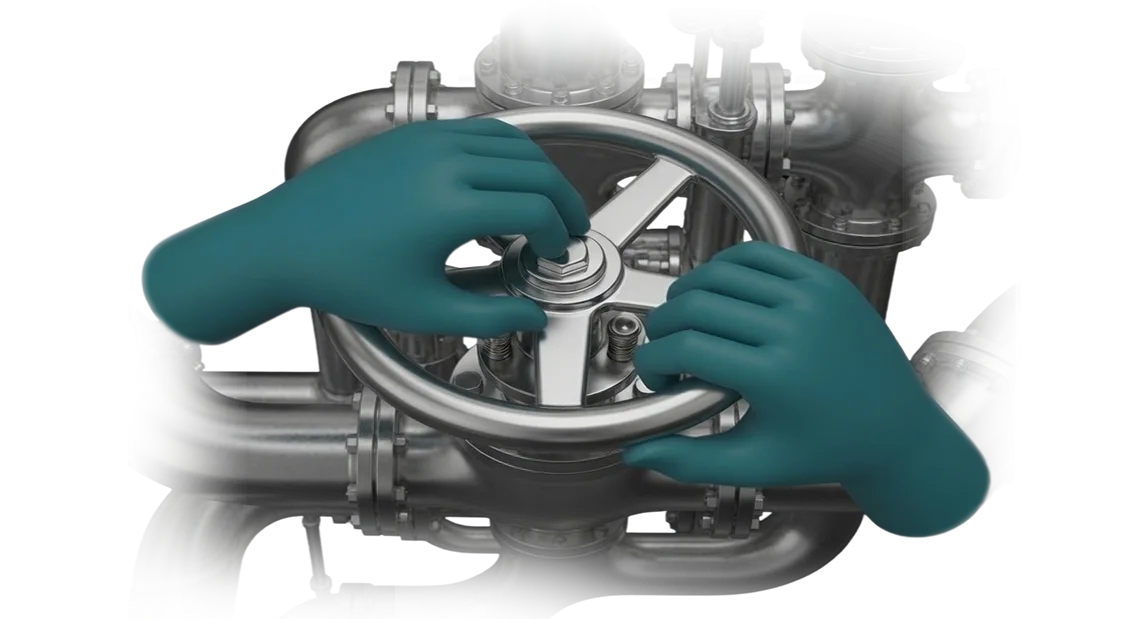
סימולטור חללית: קיצוץ בעלויות ההדרכה
הכשרת עובדים לעבודה עם ציוד מורכב היא אחד מסעיפי ההוצאה היקרים ביותר במפעל תעשייתי.
עמדות הדרכה ומכונות אמיתיות מוגבלות: לא ניתן להשתמש בהן לתרגול ללא סיכון של תקלה, וטעויות של חניך בתנאים אמיתיים עלולות להוביל לזמן השבתה יקר או אפילו לאיום בטיחותי.
במקביל, מדריכים עמוסים בעבודה שוטפת, ואיכות ההדרכה תלויה בזמנם הפנוי ובניסיון האישי שלהם. תחלופה גבוהה של עובדים מאלצת להתחיל את המחזור מחדש, ומגדילה את תקציב ההדרכה.
מציאות מדומה מסירה את המגבלות הללו.
משחק סימולטור החללית מטביע את העובד בעותק מדויק של מקום העבודה ומאפשר לו לתרגל פעולות שוב ושוב—הן נהלים סטנדרטיים והן מצבי חירום שמתרחשים לעיתים רחוקות בחיים האמיתיים אך דורשים תגובה מיידית.
ההדרכה מתבצעת ללא שכירת עמדות, ללא צריכת משאבים וללא כל סיכון לאנשים או לציוד, בעוד התקדמותו של כל חניך מתועדת אוטומטית. משמעות הדבר היא שההדרכה הופכת לצפויה מבחינת לוחות זמנים ותקציב.
לפי הערכותינו, המעבר לסימולטורי VR מפחית את עלות הכשרת עובד אחד פי 2–3 ומאיץ את המעבר לעבודה עצמאית בכמה שבועות.
זו הסיבה שאנו מפתחים סימולטורי VR למפעלים תעשייתיים: אנו לוקחים את הנהלים, התרחישים והציוד שלכם והופכים אותם לסביבת הדרכה שמחזירה את השקעתה כבר עם קבוצת החניכים הראשונה. אנו פותרים את משימת קיצוץ עלויות ההדרכה בכך שאנו הופכים את ההדרכה לבטוחה ויעילה.
אילו יתרונות מביא סימולטור VR למפעל שלכם
מהירות למידה ללא השבתת ייצור
העובד מתרגל פעולות בסימולטור VR הבנוי כמו משחק סימולטור חללית: התרחיש חוזר ללא הגבלה, וזמן התגובה נמדד אוטומטית. במקום שבועות של תיאוריה—רק כמה מפגשים, ועובד חדש מוכן לעבודה אמיתית. החברה מקבלת החזר על העובד שלה מהר יותר מבלי לעצור את מחזור הייצור.
הדרכה בטוחה בכל תרחיש
VR מאפשר לתרגל מצבי חירום—שריפה, תקלת ציוד—ללא סיכון לאנשים או לציוד. טעות בסביבה וירטואלית נשארת בזיכרון כניסיון, בעוד פציעות ותקלות אמיתיות נשללות לחלוטין.
לאחר ההדרכה, העובד פועל בביטחון רב יותר, והסיכון לתקריות על רצפת הייצור פוחת.
סימולטור ה-VR מחזיר את השקעתו באמצעות חיסכון
הדרכת VR אינה צורכת חומרים ואינה עוצרת ציוד. סימולטור אחד מחליף כמה עמדות הדרכה, ועדכון תרחישים אינו דורש רכישת חלקים חדשים. ההשקעות מוחזרות תוך כמה חודשים—עשרות עובדים משתמשים בסימולטור ללא מגבלות לוח זמנים.
מעורבות שמחזקת את שימור העובדים
מכניקת משחק שומרת על תשומת הלב: העובד פועל ורואה את ההשלכות של החלטותיו, כך שהחומר נזכר טוב יותר. זה מפחית את מספר ההדרכות החוזרות, והזמן המתפנה מופנה לעבודה פרודוקטיבית. היתרונות של VR הופכים למדידים בשעות ובצמיחת הכנסות.
פורמטים של סימולטורי VR, כולל משחק סימולטור החללית
פורמטים של סימולטורי VR נותנים מענה למטרות עסקיות שונות, מהכשרת עובדים ועד מעורבות מבקרים.
סימולטורים אינטראקטיביים משחזרים תהליכי עבודה אמיתיים, בעוד משחק סימולטור החללית הוא פורמט ששומר על תשומת הלב והופך נושא טכני מורכב לחוויה מרתקת.
אנו בוחרים תרחיש לפי המטרה שלכם: הפחתת סיכון לטעויות עובדים, האצת קליטת עובדים חדשים או העלאת הפרופיל של תחום עסקי. כל קהל מקבל את הפורמט שלו.
| פורמט | למי | מה הוא נותן ללקוח |
|---|---|---|
| משחק סימולטור חללית | מבקרי תערוכות, תלמידי בתי ספר, מועמדים פוטנציאליים | מערב את הקהל, בונה עניין בתעשייה, יוצר תדמית מותג חיה |
| תרגול מצבי חירום | מפעילים, צוות תחזוקה | מפחית את הסיכון לפציעות וטעויות, מאפשר אימון תרחישים נדירים ללא סכנה |
| הדרכת הפעלת ציוד | עובדים חדשים, צוות רצפת ייצור | מקצר את זמן הקליטה, מתקנן מיומנויות |
| סיור וירטואלי במפעל | לקוחות, שותפים, משקיעים | מציג את הייצור מבלי לעצור את הסדנאות, מגביר אמון |
לאחר בחירת הפורמט, אנו מתאימים את התרחיש לפרטים הספציפיים שלכם: אנו ממלאים את הסימולטור בנתונים אמיתיים, ממשקים ודרישות. כתוצאה מכך, אתם מקבלים לא סרטון הדגמה אלא כלי עבודה שפותר בעיה ספציפית ומספק ערך עסקי מדיד.
כיצד מתבצע פיתוח סימולטור VR: תוכנית שלב אחר שלב
כל סימולטור VR מתחיל לא בקוד אלא במשימה שלכם. לכן, כשאתם מחליטים להזמין סימולטור VR, אנו מפרקים את העבודה לשלבים—כך אתם שולטים בתקציב ובלוחות הזמנים, והתוצאה נשארת צפויה. הנה תהליך יצירת סימולטור VR שהוכח בפועל.
-
בריף והתעמקות — אתם מספרים לנו על תהליכי הייצור שלכם, טעויות העובדים האופייניות ומטרות ההדרכה. אנו לומדים את הפרטים הספציפיים שלכם ומציעים תרחישים שפותרים בדיוק את המשימות שלכם.
-
עיצוב תרחיש ומתודולוגיה — אנו מגדירים אילו פעולות העובד יתרגל, כיצד להעריך תוצאות וכיצד לשלב את הסימולטור בתוכנית ההדרכה הקיימת.
-
אב טיפוס — אנו יוצרים מודל עבודה של התרחיש המרכזי. אתם רואים כיצד הסימולטור נראה ומתנהג ויכולים לתקן פרטים לפני השקעת משאבים משמעותית.
-
פיתוח גרסה מלאה — אנו מוסיפים גרפיקה מפורטת, סאונד, מערכת רמזים ודוחות. הסימולטור הופך למוצר מוגמר, לא להדגמה.
-
בדיקת עובדים — אנו עורכים מפגשי ניסיון עם קבוצת "פיילוט". אנו אוספים משוב, מחליקים פינות גסות ומוודאים שההדרכה מפיקה את האפקט הרצוי.
-
השקה והכשרת מדריכים — אנו מתקינים ציוד, מגדירים תחנות עבודה, מוסרים הוראות לצוות שלכם ומבצעים הדרכה כדי שתוכלו להשתמש בסימולטור באופן עצמאי.
-
תמיכה והתפתחות — אנו נשארים בקשר: מעדכנים תרחישים בהתאם לשינויים בתהליכים, מוסיפים תרגילים חדשים ומסייעים בהרחבת ההדרכה למיקומים אחרים.
מה כולל חבילת אספקת סימולטור ה-VR
חבילת אספקת סימולטור ה-VR כוללת את כל הדרוש להפעלת הדרכה מהיום הראשון: חומרה, תוכנה, תיעוד והכשרה למומחים שלכם. אנו מספקים את המוצר במפתח מלא—אתם מקבלים כלי עבודה, לא אוסף של קבצים וחלקים.
- תרחיש מוכן למשימה שלכם: מתהליך ייצור ועד פורמט משחק כמו סימולטור החללית—מותאם לתעשייה ולרמת העובדים שלכם.
- ציוד עם התקנה: אנו מחברים, מכיילים ובודקים משקפי VR, בקרים וחיישנים באתר שלכם.
- לוח בקרה למדריך: הפעלת מפגשים, צפייה בפעולות העובד, הערכה אוטומטית וסטטיסטיקות לכל משתתף.
- חבילת תיעוד: תעודת מוצר, מדריך למשתמש, לוחות זמנים לתחזוקה והמלצות מתודולוגיות.
- חומרי הדרכה לצוות: הוראות, דפי עזר ושיעורי וידאו—כדי שעובדים ישלטו בעבודת ה-VR מהר יותר.
- אינטגרציה עם מערכת ההדרכה שלכם: תוצאות המפגשים מיוצאות בפורמט נוח למשאבי אנוש ולמנהלים.
- הכשרת המדריכים שלכם: המומחים שלכם יוכלו להפעיל מפגשים באופן עצמאי, לשנות פרמטרי הדרכה ולהוסיף תרגילים.
- תמיכה לאחר ההשקה: התאמות תרחישים, תמיכה טכנית ועדכוני תוכן ללא אישורים נוספים.
כל זה הוא חבילה אחת קבועה בחוזה ובאומדן העלויות. העובדים שלכם לא צריכים להבין בפרטים טכניים: אנו מספקים את הפתרון, והם מקבלים תוצאה מדידה—זמן הדרכה מופחת ותרגול בטוח של מצבים מורכבים.
מקרה בוחן: סימולטור VR לתעשיית התעופה והחלל—תוצאות
עבור אחד המפעלים המובילים בתעשיית התעופה והחלל, «אוריון», פיתחנו סימולטור VR להרכבת מערכת דלק. לפני כן, מפעילים חדשים הוכשרו על עמדה אמיתית: שבועיים עד שלושה שבועות של תרגול, טעויות במעברים בין פעולות וזמן השבתה על פס הייצור.
ראש המחלקה רצה לקצר את זמן ההכשרה ולהפחית את הסיכון לפגמים, אך לא על חשבון האיכות.
תוצאות היישום
- זמן ההכשרה לעובדים חדשים הופחת ב-40%: משלושה שבועות לתשעה ימי עבודה.
- דיוק הפעולות במשמרת העצמאית הראשונה עלה ב-30%, ומספר שגיאות ההרכבה ירד בחצי.
- המדריכים קיבלו סולם מוכנות אובייקטיבי: כל חניך משלים תרחיש וירטואלי עם מצב חירום, והתוצאה מתועדת אוטומטית.
- כעבור שישה חודשים, המפעל הזמין שני מודולים נוספים—לתחזוקה הידראולית ולתרגול פעולות במהלך כיבוי חירום.
הדבר החשוב ביותר עבור הלקוח אינו המספרים בדוח אלא התנהגות העובדים על רצפת הייצור בפועל. לאחר המעבר ל-VR, חניכים מגיעים לפס עם רצף פעולות מתורגל היטב, והמדריכים משקיעים פחות זמן בפיקוח.
עבור מנהל, משמעות הדבר היא איכות הרכבה יציבה ולוחות זמנים צפויים לקליטת אנשים חדשים. ההזמנה החוזרת של מודולים נוספים היא האישור הטוב ביותר לכך שההשקעה החזירה את עצמה.
כיצד לבחור את פורמט סימולטור ה-VR המתאים למשימה שלכם?
כדי להבין כיצד לבחור סימולטור VR למשימה ארגונית, ראשית הגדירו את המטרה: תרגול תרחישי חירום, הדרכה על ציוד או פיתוח פעולות צוות.
בחירת הפורמט תלויה בדרישות ספציפיות—מספר העובדים, מורכבות הפעולות והעומס המקובל.
בחירת הפורמט מבוססת על שלוש שאלות: היכן מתבצעת ההדרכה, כמה עובדים צריך להכשיר ואילו מיומנויות צריכות להפוך לאוטומטיות.
עמדות VR קומפקטיות מתאימות להדרכה אישית ולמצבי חירום נדירים, בעוד סימולטורים מלאים עם הדמיית תא טייס מתאימים לצוותים שצריכים לפעול באופן מתואם.
כיצד נמדדת התוצאה חשוב לא פחות. לבטיחות, מספיק תיעוד פעולות נכונות; לקיצור זמן הקליטה, יש צורך באנליטיקה של התקדמות העובד.
אנו מסייעים להגדיר קריטריונים אלה לפני הפיתוח, כך שהתוצאה היא סימולטור שפותר את המשימה שלכם, לא "משחק לשם המשחק".
יצירת סימולטור VR תעשייתי דומה לפיתוח משחק סימולטור חללית: תחילה מתכננים את התרחיש ואת "הפיזיקה", ולאחר מכן את הממשק ומערכת ההערכה.
אך בתעשייה מתווספות דרישות ספציפיות—ריאליזם של ציוד, רצף פעולות נכון ויכולת לחזור על ריצות עם טעויות.
כדי לבחור את הפורמט הנכון, הגדירו את מטרות ההדרכה, תנאי ההפעלה והתקציב שלכם. בשלב הביקורת, אנו מציעים את הפתרון האופטימלי—מעמדות VR ניידות ועד מתחמים נייחים—ומתאימים אותו לתהליך הכשרת העובדים הנוכחי שלכם.
שאלות נפוצות על פיתוח סימולטורי VR
בהזמנת סימולטור VR—בין אם זה משחק סימולטור חללית או מערכת הדרכה לייצור—השאלה המרכזית אינה על הטכנולוגיה.
לקוחות מודאגים ממה שקורה לאחר ההשקה: מי אחראי על טעויות, כיצד נפתרות בעיות, האם ננטוש את הפרויקט. אלה חששות סבירים: סימולטור חייב לעבוד באופן אמין, לא להפוך לצעצוע יקר.
אנו מטפלים בחששות אלה באמצעות חוזה. בתחילת הדרך, אנו קובעים לוחות זמנים, היקף ומחיר; לאחר האספקה, אנו מספקים אחריות בכתב. מהנדסים תומכים בפרויקט כל עוד צריך—מייעוץ חד-פעמי ועד תמיכה שוטפת. להלן אנו עונים על השאלות שאנו שומעים לרוב.
אילו אחריות ניתנת לסימולטור ה-VR?
אנו מספקים אחריות כתובה ל-12 חודשים: אנו מתקנים שגיאות ומתאימים את המוצר לעדכוני ציוד ללא תשלום. התנאים קבועים בחוזה—אתם מוגנים מהוצאות בלתי צפויות.
מה קורה אם משהו מתקלקל לאחר ההשקה?
קיים שירות תמיכה: אתם מגישים בקשה, מהנדס קובע עדיפות ופותר את הבעיה. בתקלות קריטיות, אנו מתחברים מרחוק, ובמידת הצורך, מגיעים לאתר. הסימולטור לעולם אינו נשאר ללא השגחה.
כיצד פועלת התמיכה לאחר ההשקה?
אנו מתאימים אותה למשימות שלכם: עדכוני תרחישים, מודולים חדשים, הכשרת עובדים. זמן התגובה והיקף העבודה מוגדרים בהסכם השירות—אתם יודעים מראש מה תקבלו ומתי.
האם ניתן לשפר את הסימולטור מאוחר יותר?
כן, זהו שלב נורמלי. אתם מתארים את המשימה—אנו מעריכים את לוח הזמנים והעלות, מבצעים את השינויים ובודקים שוב. המבנה המודולרי מאפשר להרחיב את הפרויקט מבלי לשכתב אותו מאפס.
הזמינו פיתוח סימולטור VR: קבלו פתרון מותאם למשימה שלכם
מוכנים להזמין סימולטור VR שיקצץ את עלויות ההדרכה וישפר את מיומנויות העובדים? אנו לוקחים את הפרויקט במפתח מלא—מהרעיון ועד ההשקה—ואתם מקבלים סימולטור עובד, לא עמדת הדגמה.
קחו את הצעד הראשון—השאירו בקשה לייעוץ ראשוני. המומחה ומנהל הפרויקט שלנו ינתחו את המשימה שלכם, ייעצו היכן ההשפעה תהיה הגדולה ביותר ויחשבו לוחות זמנים ריאליים.
אין בכך שום התחייבות מצדכם—תקבלו המלצות גם אם תחליטו שלא להמשיך.
מה תקבלו כשתזמינו סימולטור VR מאיתנו:
- אומדן עלות מדויק ולוחות זמנים לפני תחילת העבודה—ללא תוספות נסתרות.
- סימולטור VR במפתח מלא: תרחישים, גרפיקה, הכשרת צוות ותמיכה טכנית.
- התאמה לציוד שלכם ויכולת השקה במספר אתרים.
- אספקת פרויקט בשלבים—אתם רואים את התוצאה בכל שלב ומבצעים שינויים.
- אחריות לתפקוד לאחר ההשקה וסיוע בשילובו בתהליך ההדרכה.
- הכשרת המדריכים שלכם: הם יוכלו לשנות תרחישים ללא מעורבות מפתחים.
אנו עובדים עם מתקני ייצור בגדלים שונים—ממפעלים מקומיים ועד חברות אחזקה. לכל פרויקט יש מנהל ייעודי שמעדכן אתכם בכל השלבים.
השאירו בקשה לייעוץ ראשוני—נספר לכם איזה חיסכון הסימולטור יביא במקרה שלכם ונקבע לוחות זמנים. מלאו את הטופס, ונחזור אליכם תוך יום עסקים אחד.