

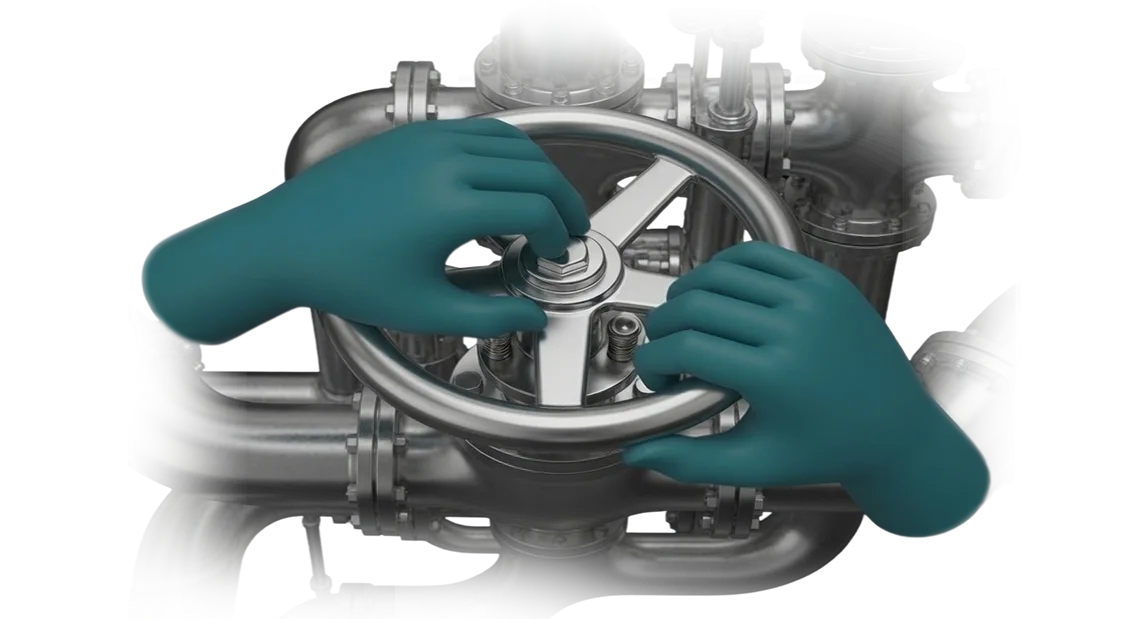
סימולטור VR למגבה רכב: המחיר של טעות במוסך
עבודה על מגבה רכב היא סיכון מתמיד. ציוד במשקל טונות, ראות מוגבלת, עייפות מפעיל — וטעות אחת במהלך הרמה עלולה לגרום לפציעה, נזק לרכב ועצירת קו ייצור.
המחיר של טעות כזו כולל לא רק ימי מחלה ותיקונים, אלא גם הזמנות שאבדו, השבתה ואובדן אמון הלקוחות.
רוב הפציעות והתקריות מתרחשות בגלל הכשרה לא מספקת של הצוות. עובד חדש נכנס למוסך אחרי כמה הרצאות וצפייה במדריך, וההרמה העצמאית הראשונה שלו הופכת למבחן ללא מקום לטעות. במציאות, אין מקום לניסויים — כל טעות פוגעת באנשים ובציוד.
סימולטור הרמה ב-VR פותר את הבעיה הזו לפני שהעובד מתקרב בכלל לציוד האמיתי. בסביבה וירטואלית בטוחה, המפעיל מתרגל שוב ושוב תרחישים מורכבים: בקרת עומס, אבטחת הרכב ופעולות בזמן כשל הידראולי.
זו לא תחליף לתרגול מעשי, אלא דרך לתת לאדם מיומנות מוכנה לפני ההרמה האמיתית הראשונה שלו.
התוצאה היא בטיחות הדרכה ברמה חדשה. החברה מקבלת צוות שלא לומד מטעויות שלו, אלא כבר יודע איך להימנע מהן.
פציעות עבודה פוחתות, השבתות לא מתוכננות הופכות לנחלת העבר, והכשרת הצוות הופכת לתהליך צפוי וניתן לניהול. זו הסיבה שסימולטור VR למגבות רכב מחזיר את ההשקעה כבר אחרי התקריות הראשונות שנמנעו.
מה סימולטור VR מביא להכשרת צוות תעשייתי
הכנה מהירה של צוות משפיעה ישירות על פעילות רציפה של החברה. סימולטור VR למגבות רכב מאפשר לעובד לתרגל את מחזור הפעולות המלא לפני שהוא בכלל מגיע לאתר האמיתי.
המיומנות נוצרת בסביבה בטוחה, וטעויות לא מובילות לפציעות או לתקלות בציוד — זה משנה מהותית את הגישה להכשרה.
יעילות ההכשרה מוכפלת: העובד רואה כל רכיב ומנגנון בפירוט, זוכר את רצף הפעולות הנכון ולומד להגיב למצבי חירום.
במקום תיאוריה יבשה ופוסטרים — שקיעה בסביבה ריאליסטית שבה אפשר לעבוד עם הידיים. הפורמט הזה חשוב במיוחד לציוד מורכב שבו מחיר הטעות גבוה וזמן ההכשרה מוגבל.
בטיחות העובד מפסיקה להיות עניין של מזל. אימון על מגבה וירטואלי מאפשר לאדם לשלוט בטכניקות עבודה בטוחות מבלי לסכן את עצמו או את הקולגות. מספר התקריות יורד, מה שאומר פחות השבתות, פחות בדיקות ופחות עלויות נלוות.
מעורבות הצוות גם גדלה: סימולטור אינטראקטיבי נתפס ככלי מודרני ולא כחובה שגרתית. העובדים משלימים את ההכשרה בעניין, קולטים את החומר טוב יותר ופחות מתנגדים לתקנות חדשות. זה משפיע ישירות על המשמעת ואיכות העבודה.
לבסוף, עלויות ההכשרה יורדות. אין צורך לעצור את הייצור, להשקיע משאבים במדריכים או לשכור אזורי אימון. סימולטור מגבה וירטואלי אחד מחליף מפגשים רבים באתר ומאפשר להכשיר צוות בכל זמן.
כתוצאה מכך, החברה מקבלת מומחים מיומנים מהר יותר, בעלות נמוכה יותר ובתוצאות צפויות.
פורמטים של סימולטור VR למגבות רכב שיתאימו למשימה שלך
אותו סימולטור VR לא מכסה את כל המשימות: לפעמים צריך להכיר לעובד את הציוד תוך כמה שעות, ולפעמים צריך לבחון את פעולותיו תחת פיקוח קפדני.
לכן חילקנו את המוצר לשלושה פורמטים — כל אחד פותר משימה עסקית משלו, מהכשרה ראשונית ועד הסמכה שנתית.
להלן טבלה שמקלה לראות מה לבחור. לאחר מכן, אנו מספקים ייעוץ חינמי ומתאימים את הפורמט לפרטים שלך: מספר רמות, סוג מגבה, רמת מיומנות הצוות ותקנות פנימיות.
| פורמט | למי | מה הוא מספק ללקוח |
|---|---|---|
| קורס קצר | עובדים חדשים, מתמחים, צוות זמני | בשעה או שעה וחצי, אדם שולט בפעולות המגבה הבסיסיות ללא סיכון לעצמו או לציוד. אידיאלי לקליטה מהירה |
| הכשרה מלאה | מפעילים קבועים, צוותי תחזוקה | תרחיש אישי המותאם לסוג המגבה שלך: כל מצבי הפעולה, מצבי חירום ופעולות בזמן תקלת ציוד. העובד מגיע לאתר האמיתי מוכן |
| הסמכה | מומחי בטיחות בעבודה, מחלקת משאבי אנוש | הערכת ידע ומיומנות בסביבה וירטואלית עם מעקב אחר שגיאות. הוועדה רואה תמונה אובייקטיבית: מי מוכן לעבודה ומי זקוק להכשרה נוספת |
סימולטור מוכן הוא פתרון מוכן עם פריסה מהירה כשצריך להכשיר עובדים רבים בזמן קצר. עבור חברות עם דרישות ספציפיות, אנו מתכננים תרחישי VR עם פרמטרים אישיים — מכושר נשיאה ועד הגבלות אזור עבודה.
הדבר המרכזי שאתה מקבל הוא תקן הכשרה אחיד. כל עובד עובר את אותם שלבים, והתוצאה לא תלויה בניסיון של המדריך. יומן הפעולות עוזר בניתוח שגיאות ובהצגת עמידה בדרישות לגופי רגולציה.
נעזור לך לבחור את הפורמט המתאים למשימה שלך — נשלח גישת הדגמה ונחשב כיסוי הכשרה לפי משמרות העבודה שלך.
איך פועל פרויקט פיתוח סימולטור VR
כדי שפיתוח סימולטור VR למגבות רכב יהיה שקוף וצפוי, בנינו אותו כמפת דרכים בת שישה שלבים. לכל שלב מוגדרים לוחות זמנים, אנשי הצוות האחראים שלנו ומשימות הלקוח. אתה תמיד יודע באיזה שלב נמצא הפרויקט ומתי תקבל את התוצאה.
-
בריף וסקירת משימה. אנו מתעדים מטרות הכשרה, מספר עובדים, פרטי ציוד ודרישות בטיחות. הפלט הוא מפרט טכני והערכת עלות מדויקת עם תאריכים.
-
עיצוב תרחיש. יחד עם המומחים שלך, אנו מתארים את רצף הפעולות, שגיאות אפשריות ורמזים. התרחיש מאושר לפני תחילת הפיתוח — הוא משקף את נוהל העבודה האמיתי.
-
אישור אב טיפוס. לפני בניית הגרסה המלאה, אנו מציגים מודל לחיצה על המסך. שינויים בשלב זה הם זולים ואינם מעכבים את הפרויקט.
-
פיתוח הסימולטור. אנו בונים מודל מגבה ריאליסטי עם התנהגות מנגנון מדויקת. כל שבוע אתה מקבל גרסת ביניים ויכול לראות את ההתקדמות.
-
בדיקות ופריסה. אנו מתקינים את הסימולטור, מגדירים אותו למספר תחנות העבודה ומכשירים את המדריכים. ניסויי ריצה עם עובדים מתבצעים באתר שלך.
-
תמיכה ופיתוח. לאחר ההשקה, אנו מתאימים תרחישים, מוסיפים תרגילים ומעדכנים תוכן כדי להתאים להוראות חדשות. הסימולטור לא מתיישן לצד הייצור שלך.
בממוצע, פרויקט אורך שלושה עד שמונה שבועות — לוח הזמנים המדויק נקבע במהלך הבריף. אתה מקבל לא "דיסק עם תוכנה" אלא כלי הכשרה עובד עם תוכנית יישום ותמיכה.
מה כלול במסירת סימולטור VR למפעל
בהזמנת סימולטור VR, מפעל מקבל לא רק ציוד אלא מערכת הכשרה מלאה. היא כבר כוללת כל מה שצריך כדי להתחיל להכשיר עובדים תוך כמה ימים, ללא גיוס מפתחים או התקנה ארוכה.
מה כלול בחבילת המסירה המלאה:
- תרחישי הכשרה מוכנים — תרגול מצבים סטנדרטיים וחירום על מגבה רכב: מבדיקה יומית ועד תקריות בלתי צפויות. התרחישים מותאמים לתקנות וההוראות שלך.
- תחנת עבודה VR — ציוד מקצועי מוגדר ונבדק למשימות שלך. כל מה שצריך להשקה מוכן לשימוש.
- מערכת מעקב תוצאות — רישום אוטומטי של פעולות עובד, שגיאות וזמני השלמת תרגילים. מפקח רואה את ההתקדמות של כל עובד ללא דוחות ידניים.
- רישיונות ותיעוד — פורמליזציה של זכויות שימוש בסימולטור, תיעוד טכני והוראות לצוות. ללא עמלות נסתרות או תוספות עבור "הפעלה".
- הכשרת מדריכים — המומחה שלך מקבל ידע כיצד לנהל מפגשים, לנתח תוצאות ולעדכן תרחישים כשהתקנות משתנות.
- תמיכה לאחר השקה — תמיכה טכנית, עדכוני תרחישים וייעוץ לאורך כל חיי הסימולטור.
גישה זו מבטלת את נקודת הכאב הגדולה ביותר של הלקוח: אתה מקבל מערכת עובדת ולא סט של חלקים. עובדים מתאמנים בסביבה בטוחה ללא השבתת ציוד או סיכון לפציעה.
טעויות על מגבה אמיתי פוחתות כבר מהשבועות הראשונים — פחות השבתות ופחות עלויות לטיפול בתוצאות.
מקרה בוחן: איך סימולטור VR הפחית פציעות והשבתות
עבודה עם מגבות רכב היא אחד התהליכים הרגישים ביותר לפציעות במרכז שירות לרכב. אפילו מכונאי מנוסה בלחץ יכול להפר את כללי הבטיחות: לאבטח לא נכון את זרועות המגבה, להעמיס יתר על המידה על עמוד, או לא לשים לב להטיה.
ההשלכות נעות מנזק למרכב ועד לפציעות עובדים חמורות — מה שאומר ימי מחלה, חקירות והשבתה שנמשכת כמה ימים.
רשת מרכזי שירות לרכב פנתה אלינו, שבה עשרות מכונאים עובדים על מגבות Rotary. נקודת הכאב העיקרית שלהם הייתה פציעות קלות תכופות ושגיאות הרמה שגרמו לנפילת רכבים או נזק להם.
הכשרת עובדים חדשים התנהלה במודל "מדריך לצד", אבל בגלל תחלופת עובדים לא היו מספיק מדריכים, וכל טעות הייתה יקרה.
מה השתנה לאחר ההשקה
פיתחנו סימולטור VR המשכפל את מודל המגבה האמיתי ואת פקדיו. מכונאי עם משקפת VR מתרגל את כל המחזור: כניסה, מיקום הזרועות, בדיקת יציבות, הרמה ואבטחה.
הסביבה הווירטואלית מראה את ההשלכות של טעויות בצורה ויזואלית אך בטוחה — אפשר לקחת מצב עד כדי תאונה מבלי לפגוע בציוד או בבריאות.
במשך שישה חודשי שימוש, פציעות הקשורות למגבות ירדו ב-40%. זמן ההכשרה למכונאים חדשים קוצר ב-30%: במקום שבוע עם מדריך, מספיקים שלושה עד ארבעה ימים, ולאחר מכן עובד מגיע לתחנת העבודה האמיתית שלו עם מיומנות מתורגלת.
השבתות מתיקונים וחקירות כמעט ונעלמו — זה חיסכון ישיר בהשבתות ובהחלפת צוות.
למה זה עבד
המפתח הוא ריאליזם וחזרתיות. על הסימולטור אפשר לעשות 20-30 חזרות ברצף ולתרגל מצבי חירום שקשה להדגים בבטחה על מגבה אמיתי. עובדים לומדים בקצב שלהם, ללא סיכון או לחץ, בעוד המפקח שלהם רואה את התוצאות.
הלקוח היה מרוצה והזמין הזמנה חוזרת — עכשיו אנחנו מרחיבים את התוכנית לסוגי ציוד אחרים.
איך לבחור פורמט סימולטור VR לפרטים שלך?
בחירת פורמט סימולטור VR מתחילה לא בטכנולוגיה אלא בתשובה לשאלה פשוטה: אילו תוצאות אתה מצפה מההכשרה.
עבור מגבה רכב, זה יכול להיות ביצוע בטוח של המפעיל, רצף פעולות נכון במהלך תחזוקה, או היכולת לפעול במצב חירום.
לאחר הגדרת המטרות, אנו מבינים אם אתה צריך מודול היכרות קצר, קורס הכשרה מלא או סימולטור לבדיקת מיומנות לפני מתן אישור עבודה.
ואז נכנסים פרטי הייצור. חברה אחת מכשירה עשרות עובדים חדשים כל חודש וזקוקה לתרחיש סטנדרטי שניתן להשלים באופן עצמאי. חברה אחרת מפעילה מודלי מגבה ייחודיים, וחשוב לתרגל בדיוק את המאפיינים והשגיאות האופייניות שלהם.
אנו בוחרים תרחיש לסביבה האמיתית שלך: מודל ציוד, פריסת מוסך, מצבי חירום אפשריים. כך הסימולטור לא הופך ל"צעצוע" אלא פותר משימת ייצור קונקרטית.
השלב המרכזי הוא המפרט הטכני לסימולטור. יחד איתך, אנו מתעדים את קהל היעד, לוחות זמנים של הכשרה ומדדי ביצוע: הפחתת שגיאות, מהירות פעולה, מספר ניסיונות חוזרים.
בהתבסס על זה, הפורמט נבחר — מתרגילים קצרים ועד תרחישים מורחבים בשליטת מדריך. זה מגן עליך מתשלום יתר: אתה מקבל בדיוק את הפונקציונליות שמספקת ערך, ללא אפשרויות מיותרות.
זו הסיבה שאנחנו לא מוכרים סימולטור VR "אחד שמתאים לכולם". ראשית, אנו מנתחים את המשימה, ואז מציעים את הפורמט הנכון, ולאחר מכן מתאימים את התרחיש לפרטים שלך.
אתה מקבל כלי עובד שמשתלב בתהליך ההכשרה ומספק תוצאה מדידה לעסק שלך — לא רק מחווה לטכנולוגיה מודרנית.
שאלות נפוצות: אחריות ובטיחות של סימולטור ה-VR
לפני יישום סימולטור VR, הגיוני לשאול: מה קורה אם הציוד נכשל, מי מתחזק אותו, ואיך זה משפיע על תהליך ההכשרה?
אנו עונים על השאלות הנפוצות כדי שתבין שאתה מקבל כלי אמין ולא "קופסה שחורה".
כל הסימולטורים שלנו בנויים על רכיבים מקצועיים, אבל אנחנו מוכנים לכל מצב חירום. להלן תנאי האחריות, נוהלי התיקון והאפשרויות להתאמה אישית למשימות שלך.
איזו אחריות חלה על ציוד ה-VR?
החומרה והתוכנה המותקנת מראש מכוסות באחריות רשמית. לכל משך התקופה, אתה מקבל תמיכת ייעוץ חינמית ובמידת הצורך, החלפה עדיפה של רכיבים פגומים כדי שההכשרה לא תיפסק.
מה עלינו לעשות אם הסימולטור מתקלקל?
שלח בקשה — מהנדס יבצע אבחון מרחוק, וברוב המקרים ניתן לפתור את הבעיה מרחוק. אם יש צורך בביקור באתר, מומחה יגיע למיקומך. זמן השחזור הממוצע הוא יום עסקים אחד.
האם ניתן להתאים את הסימולטור לתהליך הייצור שלנו?
כן, זו אפשרות סטנדרטית. נתאים תרחישים, רצף פעולות וקריטריוני הערכה לתקנות ודרישות הבטיחות שלך. הסימולטור יבדוק בדיוק את הפעולות שחשובות במתקן שלך.
האם תכשירו את המדריכים שלנו?
בהחלט. אנו מספקים הכשרה פרונטלית ומרוחקת: העובדים שלך ילמדו להפעיל תרחישים, לנתח שגיאות מפעיל ולהתאים את התוכנית ללא מעורבות מפתחים. לאחר המסירה, יש לך שליטה מלאה על התהליך.
האם סוג הכשרה זה בטוח?
סימולטור VR מבטל את הסיכון לפציעות ותאונות: העובד מתרגל פעולות בסביבה וירטואלית בטוחה, והמערכת מתעדת שגיאות ונותנת המלצות.
זה מאפשר להכין מפעיל מבלי לעצור את הייצור או לקחת סיכונים מיותרים.
התחל את הפרויקט שלך עם פיילוט סימולטור VR חינמי
יישום בקנה מידה מלא של הכשרת VR הוא החלטה שאתה רוצה לקבל על סמך עובדות ולא מצגות. זו הסיבה שאנו מציעים צעד ראשון: פרויקט פיילוט חינמי על מגבה רכב אחד.
תוכל להעריך את האפקט, השימושיות ותגובת הצוות לפני הרחבת ההכשרה לכל צי הרכבים שלך.
איך הפיילוט עובד: רשימת בדיקה לצוות שלך
- שלח בקשה לסימולטור VR — ציין את מודל המגבה שאתה עובד איתו ואת מספר המפעילים.
- אנו עורכים הדגמה חינמית: אנו מציגים את תרחיש ההכשרה על הציוד שלך ועונים על שאלות.
- הקצה 30–40 דקות למפגש ניסיון — זה מספיק כדי להבין כמה התרחיש קרוב לעבודה אמיתית.
- הזמן 2–3 מפעילים: הם ישלימו מחזור הכשרה קצר ויספקו משוב.
- בסוף הפיילוט, אתה מקבל דוח קצר: מה מתורגל, כמה זמן נמשכת ההכשרה ואילו מיומנויות מתחזקות.
יישום הכשרת VR אינו דורש עצירת ייצור או התקנה מורכבת: אנו מתאימים את התרחיש למגבה ולהוראות העבודה שלך. לאחר הפיילוט, תוכל להחליט — להרחיב את התוכנית ליחידות ציוד אחרות או להתאים את הגישה.
העיקר שאין לך מה להפסיד. הפיילוט חינמי, והתוצאות שלו יהיו הבסיס לתוכנית השקה בקנה מידה מלא. שלח בקשה — ותוך כמה ימים, העובדים שלך ינסו את סימולטור ה-VR בפעולה.