

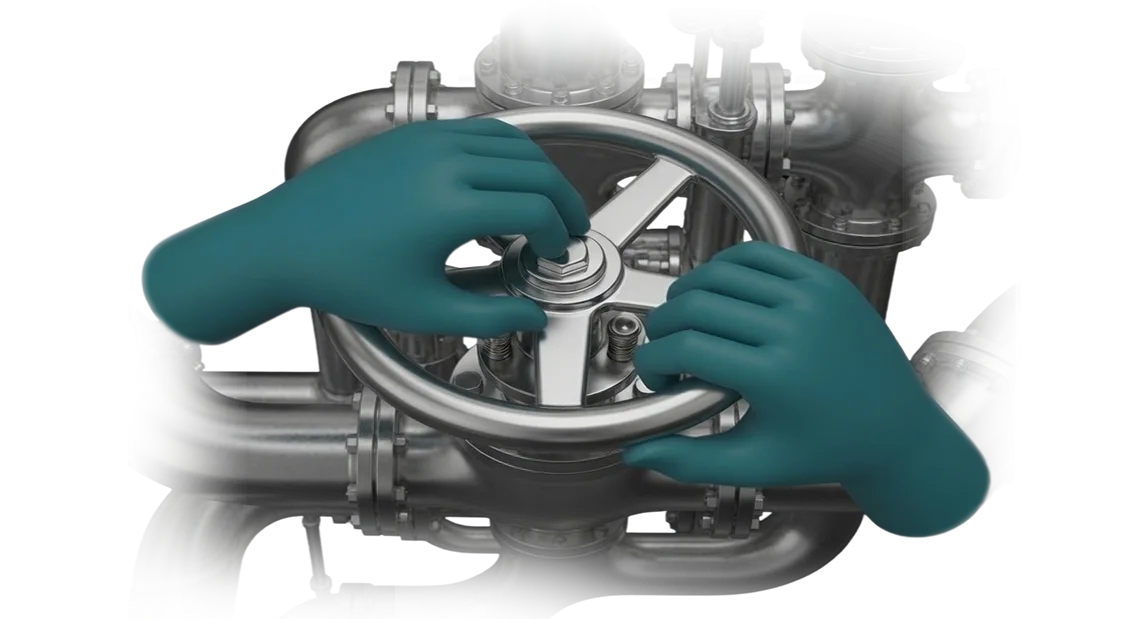
מדוע המתחרים שלכם כבר משתמשים בסימולטורי VR לאסדות קידוח
הכשרת מפעיל אסדת קידוח על ציוד אמיתי היא אחד מסעיפי התקציב היקרים ביותר עבור מפעל תעשייתי. כל שעת משמרת אימון משמעותה עצירת מכונות, השבתת צוות, שריפת דלק ובלאי של רכיבים יקרים.
במקביל, לאפשר למתחיל לגשת לאסדה אמיתית ללא ניסיון הוא פשוט מסוכן: טעות עלולה להוביל לתאונה, לפציעה או לכשל בציוד.
זו הסיבה שהכשרת כוח אדם באתר אינה ניתנת להרחבה. הכנת מומחה יחיד דורשת חודשים של תרגול תחת פיקוחו של חונך. ואם מפעל צריך להכשיר משמרת שלמה או כמה צוותי רוטציה, העלויות ולוחות הזמנים מוכפלים. איכות ההכשרה עדיין תלויה בגורם האנושי ובזמינות של ציוד פנוי.
המתחרים שלכם כבר פתרו את הבעיה הזו על ידי העברת ההכשרה לסביבה וירטואלית. סימולטור VR לאסדת קידוח מאפשר לתרגל פעולות בתנאים קרובים ככל האפשר למציאות, מפעולות שגרתיות ועד למצבי חירום.
עובד יכול להתאמן כמה שצריך, ללא סיכון לעצמו או לציוד, והמפעל לא עוצר את הייצור.
גישה זו מקצרת את הזמן להכשרת מתחיל פי כמה ומפחיתה את מספר התאונות הנגרמות מטעות אנוש. ההכשרה הופכת לבטוחה, צפויה ובלתי תלויה בלוח הזמנים של האסדה בפועל.
יתרה מכך, ניתן להתאים סימולטור וירטואלי בקלות לדגם אסדה ספציפי ולנהלי המפעל שלכם.
אנחנו עוזרים לחברות תעשייתיות להטמיע סימולטורי VR במתכונת turnkey: אנחנו מתכננים תרחישים, יוצרים מודלים ריאליסטיים של ציוד, תומכים בהשקה ומעדכנים את התוכנה בהתאם למשימות שלכם.
אתם מקבלים כלי שמחזיר את השקעתו באמצעות הפחתת השבתות, הורדת עלויות הכשרה ופחות תאונות — והמתחרים שלכם כבר משתמשים בו.
אילו יתרונות תביא הטמעת סימולטור VR
הכשרת כוח אדם לתפעול אסדות קידוח כרוכה בדרך כלל בסיכונים: טעות של מתחיל עלולה לעלות ביוקר, ותרגול אמיתי לא תמיד אפשרי בלי לעצור את הייצור.
סימולטור וירטואלי מאפשר למתאמנים לתרגל שוב ושוב מיומנויות בסביבה בטוחה ולהביא פעולות לאוטומטיות. הצוות שלנו יוצר פתרונות כאלה על ציוד מקצועי כדי שתקבלו תוצאות יציבות ומוכנות מהירה של עובדים למשמרות שלהם.
הנה מה שהטמעת סימולטור VR נותנת למפעל שלכם:
- הפחתת סיכונים ותאונות — עובדים לומדים לפעול במצבי חירום מבלי לסכן חיים או ציוד. תגובות שתורגלו בסביבה וירטואלית עוזרות למנוע אירועים חמורים באתר האמיתי.
- הכשרה מהירה יותר — אלגוריתמי עבודה מורכבים נלמדים פי 2–3 מהר יותר מאשר באמצעות מדריכים ותקנונים על הנייר. מפעילים חדשים הופכים לעצמאיים ומשתלבים בלוח המשמרות מהר יותר.
- הערכת כוח אדם — המערכת מתעדת כל פעולה של העובד ומספקת תמונה אובייקטיבית של מוכנותו. אתם יודעים בדיוק מי מוכן לעבוד ומי צריך עוד תרגול, ויכולים לקבל החלטות משאבי אנוש על סמך נתונים.
- חיסכון בציוד — ההכשרה אינה דורשת הקצאת אסדה אמיתית, הוצאת דלק או חומרים מתכלים. זה מפחית את עלויות התחזוקה של הציוד ומקצר את ההשבתות הבלתי נמנעות בהכשרה מסורתית.
- שיפור הבטיחות התעשייתית — מיומנויות שתורגלו בסביבה הווירטואלית עוברות לעבודה אמיתית. זה מפחית את הסבירות לפציעות ותאונות, משפר מדדי בטיחות תעסוקתית ועוזר לעבור בדיקות רגולטוריות.
כל אחד מהיתרונות המפורטים מגביר ישירות את אפקטיביות ההכשרה ומשפיע על הכלכלה של המפעל. כדי להבין כיצד סימולטור ישתלב בתוכנית ההכשרה שלכם, הזמינו גרסת הדגמה למומחים שלכם — נראה לכם בפועל איך זה עובד.
פורמטים של סימולטורי VR לאסדות קידוח
לכל אסדת קידוח יש משימות משלה: חלק זקוקות להדרכה ראשונית, אחרות לתרגול תרחישי חירום נדירים. לכן, אנו מציעים שלושה סוגים של סימולטורי VR ומשלבים אותם בהתאם לתוכנית ההכשרה שלכם.
הפורמטים המרכזיים
| פורמט | לאילו משימות הוא מיועד | מה הוא נותן ללקוח |
|---|---|---|
| שקיעה מלאה | תרגול מצבי חירום, פעולות מורכבות, עבודה בגובה | תרגול ריאליסטי ללא סיכון, כישורי תגובה תחת לחץ |
| הכשרה מודולרית | שליטה בשלבים: הכנת מכונה, תחזוקת רכיבים, שליטה בקידוח | תוכנית גמישה, קליטה מהירה, סגירת פערי מיומנויות |
| גרסאות שולחניות | בדיקות ידע המוניות, הדרכה, חזרה על נהלים | כיסוי של הצוות ללא ציוד VR, הסמכה מהירה, סטטיסטיקות |
שקיעה מלאה מספקת ריאליזם מקסימלי: העובד נמצא בתוך האסדה הווירטואלית, שומע את המכונה עובדת ורואה קריאות מכשירים. פורמט זה נבחר לתרגול תגובה למצבי חירום שבהם מחיר הטעות גבוה.
הכשרה מודולרית מפרקת תהליך מורכב לבלוקים קצרים: כל אחד מחזק מיומנות מבלי להציף את המתחיל.
גרסה שולחנית היא פתרון חסכוני להכשרה המונית ללא משקפי VR. עובדים עוברים את אותם תרחישים על מחשב רגיל, ולאחר מכן מתרגלים פעולות על הסימולטור המלא. אנו בוחרים שילוב של פורמטים על סמך מספר העובדים והקריטיות של הפעולות.
כיצד מפתחים סימולטור VR: שלבי הפרויקט
אנו מבנים את העבודה כך שתמיד תבינו באיזה שלב נמצא הפרויקט ומה תקבלו כתוצאה.
אינכם צריכים להבין במציאות מדומה — רק לנסח את המשימה פעם אחת, ואז אנחנו מנהלים את התהליך מהרעיון ועד סימולטור עובד ותומכים בו לאחר ההשקה.
- בריף והתעמקות במשימה. אנו אוספים את הנתונים: אילו פעולות צריך לתרגל, מי יוכשר, אילו טעויות קריטיות. במידת הצורך, אנו מבקרים באתר שלכם ולומדים נהלים והוראות.
- אישור תרחיש ותוכנית הכשרה. אנו מראים כיצד ייראה התרגיל, אילו פעולות והנחיות יופיעו. אתם מאשרים את ההיגיון — ואנחנו הופכים אותו לבסיס לפיתוח.
- פיתוח הסימולטור. אנו יוצרים את החלל הווירטואלי, מודלי הציוד וההיגיון התפעולי. בשלב זה אתם רואים גרסאות ביניים ומבצעים עריכות בלי לחכות לתוצאה הסופית.
- בדיקות משתמשים. ראשית, אנו בודקים את הסימולטור בתוך הצוות, ולאחר מכן נותנים למדריכים או למתאמנים שלכם לבדוק אותו. אנו אוספים משוב ומשכללים את התרחיש.
- השקה והכשרת הצוות שלכם. אנו מוסרים את הסימולטור, מגדירים אותו על הציוד שלכם ומראים כיצד לנהל מפגשים. אתם מקבלים הוראות ברורות והכשרת היכרות קצרה למדריכים.
- תמיכה ופיתוח. לאחר ההשקה, אנו מעדכנים תרחישים, מוסיפים תרגילים חדשים ומבטיחים שהסימולטור פועל ביציבות. במידת הצורך, אנו מבצעים תיקונים במהירות.
סדר זה מפשט את הבקרה: בכל רגע אתם יודעים מה נעשה ומה נותר. והכי חשוב — אתם מקבלים לא "תוכנה לשם תוכנה", אלא כלי עבודה שמחזיר את השקעתו במהירות באמצעות הפחתת סיכונים והאצת הכשרת עובדים.
מה כלול במסירת סימולטור VR
סימולטור VR לאסדת קידוח הוא לא רק תוכנה, אלא מתחם הכשרה שלם. אנו מוסרים אותו במתכונת turnkey: תוכנה, בסיס מתודולוגי ותמיכה. הכשרת המפעילים מתחילה בתוך השבוע הראשון לאחר ההטמעה.
ערכת המסירה כוללת:
- סצנת קידוח VR עם תרחישים ריאליסטיים של פעולה רגילה וחירום;
- חומרים מתודולוגיים ותוכנית קורס המותאמים לנהלי הייצור שלכם;
- הכשרת מפעילים ומדריכים פנימיים — הם עובדים עם הסימולטור באופן עצמאי;
- התאמה לציוד ספציפי ולפעולות סטנדרטיות באתר;
- אחריות על התוכנה, תמיכה טכנית ועדכוני תרחישים;
- לוח בקרה לניהול למעקב אחר תוצאות הכשרה ודוחות.
| כלול | פרטים | תועלת למפעל |
|---|---|---|
| סימולטור VR עם תוכנה | מודל אסדה, סצנות, תרחישים | מיומנות ללא סיכון והשבתת ציוד |
| חומרים מתודולוגיים | תוכנית, הוראות, דפי הערכה | הכשרה המשולבת מיד בנהלים שלכם |
| הכשרת כוח אדם | הכשרת מפעילים ומדריכים | הצוות עובד עם הסימולטור באופן עצמאי |
| אחריות ותמיכה | עדכונים, ייעוץ, סיוע | הציוד לא עומד בטל, המיומנויות נשארות מעודכנות |
חבילה כזו מסירה את השאלה "מי יטפל בזה?" מחלקת ההכשרה מקבלת תוכנית מוכנה, המדריכים מקבלים כלי ברור, והעובדים מקבלים תרגול בטוח של פעולות ללא סיכון על אסדה אמיתית.
מקרה בוחן: שיעור התאונות ירד ב-40% לאחר הטמעת סימולטור VR
ההנהלה של קבלן קידוח פנתה אלינו עם כאב אופייני לענף: מפעילים צעירים עשו טעויות במצבי חירום, ותרגול מיומנויות ישירות על האסדה היה יקר ומסוכן.
כמה תקריות במהלך העונה אילצו אותם לשקול מחדש את הגישה להכשרת כוח אדם. הצענו סימולטור VR המאפשר לתרגל תרחישי חירום ללא סיכון לאנשים או לציוד.
מה עשינו
יחד עם הטכנולוגים של הלקוח, שחזרנו את אסדת הקידוח שלהם בסביבה וירטואלית ושילבנו תרחישי חירום אופייניים: התפרצויות גז, כשלי ציוד ופעולות תחת אילוצי זמן.
חברת הקידוח GeoTech קיבלה סימולטור המשולב בתוכנית ההכשרה שלה: תחילה תרגול מיומנויות, ולאחר מכן הסמכת עובדים. המומחים שלנו הכשירו מדריכים וליוו את הקבוצות הראשונות — מבלי להפריע לייצור.
תוצאות לאחר שישה חודשים
התוצאה המרכזית הייתה הפחתה של 40% בתאונות: מספר התקריות שנגרמו על ידי כוח אדם ירד באופן ניכר, וזמן התגובה הממוצע למצב חירום קוצץ בחצי.
הכישורים השתפרו: המפעילים החלו לפעול מהר יותר ובביטחון רב יותר לפי הנהלים, וחלק ההסמכות המוצלחות עלה מ-62% ל-91%. אלה לא רק מספרים בדוח, אלא הבדל אמיתי בבטיחות באתרים.
מבחינה עסקית, ההחזר על ההשקעה ברור: עלויות הסימולטור הוחזרו בעונה אחת באמצעות הפחתת השבתות והוצאות נמוכות יותר לטיפול בתוצאות.
הלקוח לא רק חידש את הרישיון, אלא גם הזמין מודול שני — להכשרת צוותים על סוגי אסדות אחרים. הבחירה החוזרת הזו מאשרת שסימולטורי VR פועלים לא כיוזמה חד-פעמית, אלא ככלי שיטתי לשיפור מיומנויות והפחתת סיכונים.
שאלות נפוצות של לקוחות על סימולטורי VR
בעת הטמעת סימולטור VR לאסדת קידוח, לקוחות שואלים לרוב: האם הפתרון יתאים לציוד הקיים, כמה זמן תימשך ההשקה, האם תהיה תועלת אמיתית ומה זה יעלה. אנו מתייחסים לחששות המרכזיים.
האם סימולטור ה-VR תואם לציוד ולתוכנות שלנו?
הסימולטור מותאם לאסדת הקידוח שלכם: אנו משחזרים לוחות בקרה אופייניים, לוחות מחוונים ותרחישי עבודה לפי הנהלים שלכם.
השילוב אינו דורש החלפת תשתית קיימת — הסימולטור פועל על מתחם מקצועי נפרד ומחובר במסגרת לוחות זמנים מוסכמים.
כמה זמן אורך הפיתוח?
מהפרויקט ועד ההשקה בדרך כלל לוקח 6–8 שבועות: איסוף דרישות, עיצוב תרחישים, הרכבת הסימולטור והכשרת המדריכים שלכם. לוח הזמנים המדויק נקבע בחוזה ואנו עומדים בו — לשם כך אנו מקצים צוות ייעודי לפרויקט שלכם.
עד כמה סימולטור VR אפקטיבי בהשוואה להכשרה רגילה?
סימולטור VR מאפשר לתרגל מצבי חירום שלא ניתן לשחזר על אסדה אמיתית. עובדים זוכרים אלגוריתמים מהר יותר, ואתם מפחיתים את הסיכון לטעויות. אנו מתאימים תרחישים לנהלים שלכם ומתעדים את התוצאות של כל עובד בדוחות.
מדוע סימולטור VR חסכוני יותר מהכשרה מסורתית?
אתם מקבלים כלי שעובד לאורך שנים: הוא מחליף ביקורי אתר, חומרים מתכלים והשבתות ציוד. ההחזר מגיע מקיצור זמן ההכשרה והפחתת שיעור התאונות. לפני התחלה, אנו מחשבים את האפקט הכלכלי עבור קנה המידה שלכם.
כיצד לבחור את פורמט סימולטור ה-VR המתאים למשימה שלכם?
אין סימולטור VR אוניברסלי שפותר כל משימה באותה מידה. הפורמט הנכון נקבע על פי ארבעה קריטריונים: מספר העובדים, מורכבות הפעולות, תקציב ולוחות זמנים.
התפקיד שלנו הוא לעזור לכם להעריך בכנות כל אחד מהם ולבחור פתרון שמספק תוצאות מדידות ולא רק "תמונה וירטואלית".
אם אתם צריכים להכשיר עשרות או מאות מומחים, המפתח הוא סימולטור וירטואלי ניתן להרחבה עם רישום אוטומטי של תוצאות. זה מפחית את העומס על המדריכים, מבטל סובייקטיביות בהערכה ומאיץ את ההכשרה.
לקבוצה קטנה, פתרון קומפקטי שמכסה תרחישים בסיסיים ללא עלויות מיותרות מספיק.
מורכבות הפעולות היא הגורם המכריע השני.
לנהלים סטנדרטיים, תרחישים אופייניים יספיקו; לציוד ייחודי כמו אסדת קידוח, נדרשות דרישות אישיות: מודל מדויק של המכונות שלכם, מצבי חירום ריאליסטיים ותגובות נכונות לפעולות המפעיל.
אנו מפתחים סימולטורים לציוד שלכם, לא ל"בלוקים" מופשטים, כך שכוח האדם מעביר מיומנויות לעבודה אמיתית ללא הכשרה חוזרת.
תקציב ולוחות זמנים משפיעים ישירות על הפורמט. פתרונות מוכנים הם מהירים וחסכוניים, אך אינם מתחשבים במפרט הנהלים והתקנים שלכם.
פיתוח מותאם אישית דורש יותר זמן והשקעה, אך תואם לחלוטין לתהליכים ולתנאי העבודה שלכם. אנו תמיד מציעים אפשרות מאוזנת: בהתחלה, אנו מנתחים את המשימה ואומרים בכנות היכן מודול סטנדרטי מספיק והיכן נדרש פיתוח מעמיק.
כדי למנוע טעויות, התחילו בייעוץ קצר. נשאל את השאלות הנכונות, נעזור לנסח קריטריוני בחירה ונכין הצעה עם לוחות זמנים שקופים ואחריות לתוצאה.
כך תקבלו סימולטור וירטואלי שמחזיר את השקעתו באמצעות הפחתת שיעור התאונות, פחות טעויות והכשרת כוח אדם מהירה יותר — ללא קשר לקנה המידה של המפעל שלכם.
הזמינו פיתוח סימולטור VR לייצור שלכם
הכשרת כוח אדם לעבודה על אסדת קידוח כרוכה בסיכונים: טעות עלולה לעלות בחיי אדם, בציוד או להוביל להשבתות. הדרכות מסורתיות אינן מספקות תרגול, ועמדות אימון אינן משחזרות את הסביבה האמיתית.
סימולטור VR פותר זאת: עובד פועל בסביבה בטוחה אך ריאליסטית מקסימלית ומתרגל אלגוריתמים עד שהם הופכים לאוטומטיים. כדי לקבל כלי כזה למפעל שלכם, השאירו פנייה — נעזור לכם לתכנן וליישם פתרון המותאם למשימות שלכם.
לאחר פנייתכם, תקבלו:
- ייעוץ: נבחן כיצד הכשרת VR משתלבת בתהליכים שלכם ואילו תרחישים נדרשים;
- הדגמה של הסימולטורים שלנו — תראו את רמת הפירוט ותבינו איך זה עובד בפועל;
- הערכת עלות ולוחות זמנים — שקופה, ללא תנאים נסתרים;
- מבחר תרחישי הכשרה המבוססים על פעולות אופייניות לאסדות קידוח;
- מפרט טכני ותוכנית הטמעה, כולל שלבי פיילוט;
- אחריות על תמיכה טכנית לאחר ההשקה.
למה לעבוד איתנו: הצוות שלנו יוצר סימולטורי VR לתעשייה כבר למעלה מ-10 שנים. אנו עובדים מרחוק, כך שאינכם צריכים לחפש קבלן בעיר שלכם.
אנו לוקחים על עצמנו את כל המחזור — מהרעיון ועד התמיכה — ובשלבים הראשונים אנו מייעצים ועוזרים לקבוע איזה פורמט סימולטור ייתן לכם אפקט מקסימלי.
השאירו פנייה כבר עכשיו — זה לוקח כמה דקות. בתגובה תקבלו הצעה אישית, הדגמה והערכת עלות.
התחילו בייעוץ, ותוך כמה ימים תלמדו כיצד סימולטור VR יאיץ את הכשרת העובדים שלכם ויפחית סיכוני ייצור.