

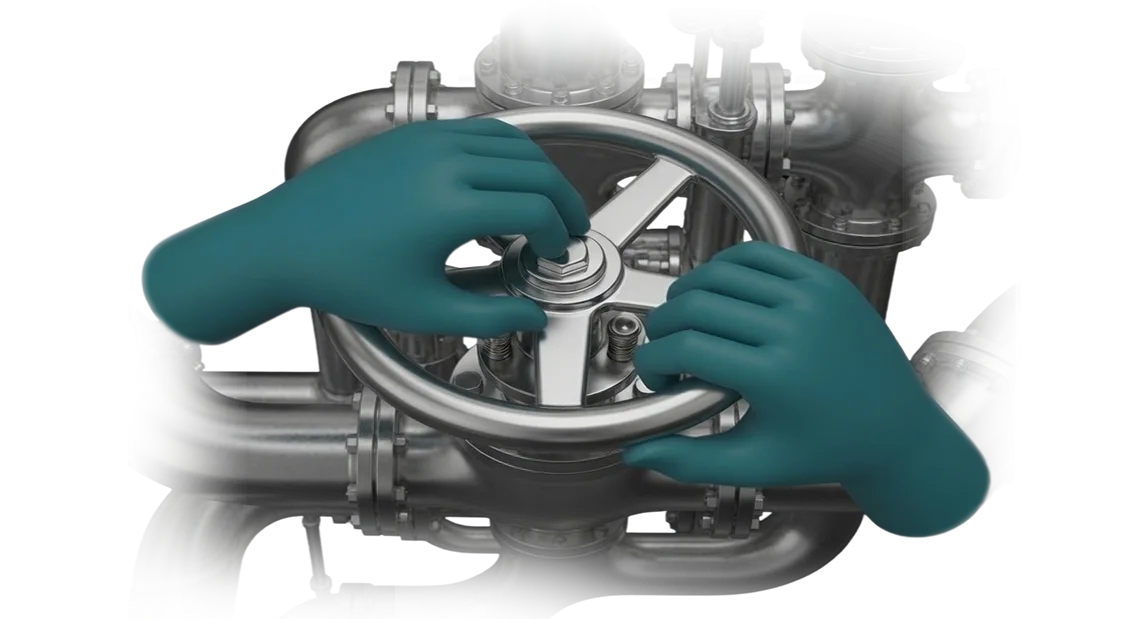
סימולטור VR של מגדל הפקה: לשם מה הוא נחוץ למפעל
הכשרת עובדים בהפקת נפט נתקלת בבעיה פשוטה: אפשר ללמד אנשים רק על מגדל פעיל, וזה יקר, ארוך ומסוכן. כל משמרת אימון גוזלת שעות מזמן העבודה של מדריכים מנוסים, מסיחה את הציוד מהפקה, ובכל זאת אינה מאפשרת לחניך להתמודד עם תקלה — מפני שאיש לא יגרום לתקלה אמיתית באתר אימון.
במקביל, עלות הטעות של המפעיל נמדדת לא בקנס, אלא בעצירת האתר: פעולה שגויה ברגע קריטי פירושה השבתה, תיקון, בירור סיבות ואובדן יממה של הפקה. ומשמרת חסרת ניסיון מגיעה לאתר בדיוק כשאף אחד מהבכירים אינו בקרבת מקום.
סימולטור VR של מגדל הפקה מסיר את הסתירה הזו. החניך עובר את כל השרשרת הטכנולוגית — מההפעלה וההוצאה למצב עבודה ועד למצבי חירום — בסביבה וירטואלית שבה טעות אינה עולה דבר: הוא רואה את ההשלכות של פעולותיו, מנתח אותן עם המדריך וחוזר על התרחיש עד למיומנות בטוחה. הבטיחות במגדל מפסיקה להיות תלויה בשאלה אם הסטאז'ר הספיק לצבור ניסיון באתר אמיתי.
עבור המפעל זה משנה את הכלכלה של הכשרת משמרת. אפשר להכשיר אנשים בזרימה וללא תלות בלוח הזמנים של ההפקה, לתרגל תרחישי חירום נדירים שאי אפשר לשחזר במגדל חי, ולהעריך באופן אובייקטיבי מי באמת מוכן לעבודה עצמאית. הכשרת עובדים בהפקת נפט הופכת לתהליך מנוהל, ולא להגרלה של "מזל עם המדריך".
אנחנו בונים סימולטורים כאלה עבור אתר ספציפי של הלקוח — עם הציוד, התקנות ומצבי החירום האופייניים שלו. ננתח את המשימה שלכם ונחזור עם הערכה ותוכנית.
מה מקבל המפעל ממדמה VR
פחות תאונות והשבתות
רוב התקריות בתעשייה קשורות לא לציוד, אלא לפעולות של הצוות במצב חירום: מישהו איבד עשתונות, מישהו הגיב שלא לפי הנהלים. מדמה VR מאפשר לחוות תרחיש מסוכן מראש — בלי סיכון לאנשים ובלי לעצור את התפוקה. המפעיל טועה בסביבה הווירטואלית, רואה את ההשלכות וזוכר את הרצף הנכון.
במציאות הוא מגיע למשמרת עם תגובה מוכנה, ולכן מספר התקריות באשמת הצוות יורד, ואיתן — ההשבתות והבירורים.
הסמכה מהירה לעבודה עצמאית
עובד חדש היום לומד "תוך כדי תנועה": לצד חונך מנוסה, באובייקט פעיל, שבו כל טעות עולה ביוקר. מסלול כזה נמשך חודשים, והחונך מוסח ממשימותיו. במדמה העובד מתרגל את כל המחזור — מההפעלה ועד היציאה למצב עבודה — כמה פעמים שצריך, ומגיע לאובייקט מוכן. תקופת ההסתגלות מתקצרת, החונכים חוזרים לעבודתם, והמפעל סוגר מהר יותר את המחסור בכוח אדם במשמרות.
תרחישים נדירים שאי אפשר לתרגל באובייקט
התפרצות, כשל בציוד שאיבה, אובדן אטימות, שריפה — מצבים כאלה קורים לעיתים רחוקות, ובדיוק בגלל זה אין מוכנות אליהם. לערוך תרגילים על אסדה חיה זה מסוכן ויקר: יש לעצור את התהליך ולהוציא אנשים. בסביבה הווירטואלית התרחישים האלה חוזרים על עצמם כמה שרוצים, עם כל הרכב משמרת, בכל זמן נוח. תרגול תרחישי חירום הופך לשגרה, ולא לאירוע פעם בשנה.
הערכה אובייקטיבית של כישורים
למנהל חשוב להבין מי באמת מוכן לעבודה עצמאית ומי עדיין לא. המדמה מתעד כל פעולה: זמן תגובה, סדר השלבים, סעיפים שהוחמצו בנהלים. בתפוקה — תמונה ברורה לכל עובד ולמשמרת בכללותה, ולא "נראה שמסתדר" סובייקטיבי. על בסיס זה נבנות תוכניות הדרכה ומתקבלות החלטות לגבי הסמכה.
פורמטים של סימולטורי VR המותאמים למשימות הארגון
פורמט הסימולטור נבחר בהתאם לאופן שבו ההדרכה שלכם בנויה בפועל: היכן העובדים מתאמנים, כמה אנשים יש להעביר במשמרת ומי אחראי על ההסמכה. להלן ארבעה תרחישי עבודה שאנו בונים לרוב עבור אתרים תעשייתיים.
אותו תרחיש של תקלה בעמדה גבוהה יכול להיות מופעל גם כתרגול אישי של מיומנות וגם כאימון צוותי עם מדריך.
| פורמט | עבור מי | מה נותן לארגון |
|---|---|---|
| סימולטור אישי | עובד חדש, תרגול פעולה ספציפית | הכנסה מהירה לתפקיד, הערכה אובייקטיבית של המיומנות לפני היציאה לשטח |
| סימולטור קבוצתי | משמרת, צוות, אזור | תיאום פעולות במצב חירום, חלוקת תפקידים |
| הדרכה עם מדריך | חונכים, מרכז הדרכה | המדריך רואה את הטעויות של כל אחד ומנתח אותן מיד, ולא מהזיכרון |
| כיתה ניידת | אתרים מרוחקים, משמרות מרוחקות | הדרכה ישירות באתר, בלי להוציא אנשים ובלי לעצור עבודות |
כיצד לבחור פורמט
הפורמט האישי והפורמט הקבוצתי פותרים משימות שונות, ואין להחליף אחד בשני. אם המטרה היא להביא למיומנות אוטומטית פעולה של מומחה מסוים, די בסימולטור אישי עם סולם תוצאות ברור. אם חשוב שהמשמרת תפעל כמנגנון אחד, יש צורך בתרחיש קבוצתי: לכל אחד תפקיד משלו, והתוצאה תלויה בתיאום.
מה זה נותן בפועל
הדרכה עם מדריך מוסיפה ניתוח: החונך רואה היכן בדיוק העובד מאבד זמן או מפר את סדר הפעולות, ומתקן זאת במקום. כיתה ניידת פותרת את הבעיה המרכזית של אתרים מרוחקים — אין צורך להוריד אנשים מהמשמרת ולהסיע אותם למרכז ההדרכה.
אנו בונים סימולטור בהתאם לתרחיש שלכם ובמידת הצורך משלבים פורמטים: קורס בסיסי באופן אישי, הסמכה — בקבוצה עם מדריך.
כיצד מתבצעת פיתוח סימולטור VR של אסדת הפקת נפט
התהליך בנוי כך שבכל שלב תבינו מה קורה ולשם מה, ותוכלו להשפיע על התוצאה לפני שהיא הופכת ליקרה לשינוי. להלן — המסלול מהשיחה הראשונה ועד סימולטור עובד באתר שלכם.
- תדריך ומטרות למידה. מבינים את מי וממה מלמדים: אילו פעולות מתרגלים העובדים, היכן הם טועים לרוב, ואילו מצבים יש להביא לשליטה אוטומטית. בתום השלב — תמונה ברורה מה הסימולטור צריך לדעת לעשות ומה אין צורך לגרור לתוכו.
- תיאום תרחישים. אוספים תרחישי למידה יחד עם המדריכים והטכנולוגים שלכם: רצף הפעולות, טעויות אופייניות, קריטריונים של "עבר/לא עבר". אתם מאשרים את התרחישים לפני תחילת הפיתוח — זו נקודת הבקרה המרכזית.
- אב-טיפוס ובדיקה על אנשים. מכינים קטע עובד של הסימולטור ונותנים אותו לעובדים שלכם. בוחנים היכן הם מתבלבלים, מה לא ברור, ומתקנים את הלוגיקה כל עוד זה דורש מאמץ מינימלי.
- פיתוח והעמקה. מרכיבים את הסימולטור בשלמותו: הסביבה החזותית, התנהגות הציוד, רמזים וניתוח טעויות. עובדים על ציוד מקצועי, ולכן התמונה והתגובה נשארות יציבות גם במשמרות למידה ארוכות.
- הרצת פיילוט. מקיימים הדרכה על קבוצה אחת ובוחנים את התוצאה: כמה מהר אנשים עוברים את התרחישים, היכן הם טועים, מה אומרים המדריכים. בעקבות הפיילוט מבצעים תיקונים — זה זול יותר מאשר לשנות סימולטור מוגמר.
- הטמעה ותמיכה. פורסים את הסימולטור באתרים שלכם, מלמדים את המדריכים, מסייעים במתודולוגיה. בהמשך מלווים: מעדכנים תרחישים למשימות חדשות ונשארים בקשר כשצריך להשלים משהו.
כל שלב מסתיים בתיאום, ולכן אתם רואים את התוצאה בהדרגה ולא ממתינים לסיום כדי להבין מה יצא.
מה ייכלל באספקה
האספקה מורכבת כך שניתן יהיה להפעיל את הסימולטור באתר ללא מעורבותכם בפרטים הטכניים. אתם מקבלים כלי הדרכה מוכן, הוראות לעובדים וליווי לאחר ההפעלה — ולא אוסף קבצים שתצטרכו להתמודד איתם בעצמכם.
- תרחישי הדרכה המותאמים לתהליכים שלכם. מכלול של מצבי למידה לפי הפעולות המרכזיות באתר: הכנת משמרת, עבודה עם ציוד, פעולות בחריגות ובמצבי חירום. את התרחישים אנו מרכיבים לפי הנהלים שלכם ולפי מסלולי הסיור בפועל, ולא לפי תבנית גנרית.
- הדרכת מדריכים. אנו מבצעים הכשרה של החונכים שלכם: כיצד להפעיל שיעורים, לשייך קבוצות, לנתח טעויות לפי תוצאות המעבר. לאחר מכן אתם מנהלים את ההדרכה בכוחות עצמכם, ללא מעורבות מתמדת של הצוות שלנו.
- חומרים מתודיים. הוראות לעובדים ולחונכים, המלצות לשילוב הסימולטור בתוכנית הכנת המשמרות ובקבלת הרשאות לעבודה.
- מערכת לתיעוד תוצאות. דוחות לפי כל עובד וקבוצה: מי עבר, כמה ניסיונות נדרשו, היכן חוזרות הטעויות. המנהל רואה תמונה כוללת של ההכנה, ולא ציונים בודדים.
- תמיכת אחריות. אנו מלווים לאחר ההפעלה: מטפלים בפניות, מתקנים תקלות, מייעצים לחונכים. לוחות הזמנים והסדר נקבעים בחוזה לפני תחילת העבודה.
- עדכוני תרחישים. בעת שינוי נהלים או הופעת פעולות חדשות אנו מרחיבים את הסימולטור — ההדרכה נשארת רלוונטית, והמשאבים שהושקעו ממשיכים לעבוד.
- העברת זכויות ותיעוד. כל החומרים והגישות נשארים אצלכם: הסימולטור אינו כבול אלינו כקבלן בלעדי.
מערך כזה מכסה את כל המסלול — מהשיעור הראשון ועד העדכון השוטף. תארו את המשימה: נחזור עם הערכה, הרכב התרחישים ותוכנית הפעלה.
תוצאות ההטמעה: מקרה בוחן של מפעל להפקת נפט
מפעל להפקת נפט הגיע עם כאב אופייני: מפעילי הפקה חדשים הוכנסו להרשאה זמן רב ובמחיר גבוה, וחלק מהטעויות על אסדת הקידוח האמיתית הסתיימו במחיר גבוה מדי.
בנינו סימולטור vr של אסדת הפקת נפט בהתאם לתהליך הטכנולוגי שלהם — עם תרחישים אופייניים של הפעלה, עצירה ומצבי חירום, שאותם המפעיל עובר לפני היציאה לשטח.
מה השתנה לאחר ההטמעה
זמן ההרשאה של מפעיל חדש הצטמצם כמעט בחצי: במקום חודשים של התמחות תחת פיקוחו של חונך, העובד תרגל את הפעולות המרכזיות בסביבה וירטואלית ויצא לאסדת הקידוח האמיתית כשהוא כבר מוכן.
הערכת המוכנות לפי בדיקות פנימיות עלתה — ראשי משמרות ציינו שהעובדים החדשים פועלים בביטחון רב יותר במצבים לא שגרתיים.
אפקט נפרד — ירידה בתקריות הקשורות לגורם האנושי. טעויות שבעבר הובילו לעצירות חירום ולזמן השבתה, תורגלו כעת בסביבה בטוחה ולא חזרו על עצמן בשטח.
מפעל להפקת נפט הזמין מחזור שני של סימולטורים — עבור אזורים סמוכים ותרחישים חדשים. עבורנו זה המדד העיקרי: הלקוח חזר לא потому ש"מעניין", אלא потому שההכשרה הפכה מהירה יותר, והסיכונים — נמוכים יותר.
איך לבחור את הפורמט המתאים למשימה?
בחירת הפורמט מתחילה לא בציוד, אלא במשימת ההדרכה. תחילה יש לקבוע איזו מיומנות צריכה להיווצר אצל העובד: לתרגל רצף פעולות בבאר, לזהות מצב חירום, להתרגל לתקנון או לעבור הסמכה לפני אישור כניסה. מכך תלוי התרחיש, רמת הטבילה ועד כמה יש לשחזר את האתר בפירוט.
לאחר מכן יש לבחון את התנאים בפועל: כמה אנשים במשמרת, באיזו תדירות מתחלף הצוות, האם באתר קיימת מתקן פעיל שאסור לעצור לשם תרגיל. אם מדובר בכמות גדולה של אנשים והם מפוזרים באזורים שונים, הגיוני יותר להשתמש במדמה עם מאגר תרחישים משותף וסטטיסטיקה ברורה לכל עובד. אם המשימה ממוקדת — למשל, תרגול הפעלה ועצירה של ציוד — די בפתרון קומפקטי לאזור מסוים.
הקריטריון השלישי — כיצד התוצאות ישתלבו בתהליכים שלכם. המדמה צריך לספק למנהל תמונה ברורה: מי עבר, היכן טעה, את מי אסור להתיר לעבודה ללא הכשרה חוזרת. אם הדיווח אינו קריא או שיש לאסוף אותו ידנית, הערך הולך לאיבוד, לא משנה עד כמה מציאותית תיראה התמונה.
אנו מסייעים להתאים את הפורמט למשימות שלכם בשלב הדיון: מנתחים תרחישים, מספר משמרות ותנאי האתר, ולאחר מכן מציעים פתרון שיענה בדיוק על הצורך שלכם, ולא על בקשה "ממוצעת" מופשטת. כך תקבלו מדמה המותאם לספציפיקה שלכם, ולא תבנית גנרית.
ספקות נפוצות לפני הזמנת סימולטור VR
לפני ההפעלה כמעט כל מנהל שואל את אותן שאלות: מה אם הציוד יתקלקל ממש במהלך הדרכת משמרת, איך להתמודד עם אנשים שמעולם לא נתקלו ב-VR, והאם יהיה צורך לשנות את המבנה. להלן תשובות כנות, בלי הבטחות ש"הכול יהיה מושלם".
מה עם אמינות הציוד
אנחנו בוחרים ערכות בהתאם לתנאי השטח האמיתיים של בית המלאכה: אבק, רעידות, שינויי טמפרטורה, עומס תפעולי של כמה משמרות ביום. המשקפיים והבקרים מיועדים לעבודה שוטפת, לא להדגמה במשרד, ולכן תקלה של ערכה אחת אינה עוצרת את הדרכת הקבוצה — השאר ממשיכים לעבוד.
אם העובד מעולם לא חבש משקפת
ניסיון ב-VR אינו נדרש: התרחיש מוביל את האדם ביד — רמזים, פקודות קוליות, רצף פעולות ברור. הדקות הראשונות מוקדשות להסתגלות, לאחר מכן העובד עובד בביטחון כמו על מגדל אמיתי. המדריך רואה את ההתקדמות של כל אחד ומתערב רק במקום שצריך.
האם נדרש שטח מיוחד
אין צורך בכיתה נפרדת. מספיק אזור פנוי בגודל של חדר ישיבות קטן — הסימולטור פועל במצב נייח ואינו דורש סימון או ריצוף מיוחד. אנחנו בודקים את החלל מראש ואומרים מה להכין כדי שההפעלה תעבור בלי הפתעות.
מה קורה לאחר ההפעלה
התמיכה לא מסתיימת ביום המסירה: אנחנו מלווים עדכונים של תרחישים, עוזרים בהדרכת מדריכים ונשארים בקשר כשמשתנים תקנות או מתווספים תהליכים חדשים. המפעל מקבל כלי שחי ומתפתח יחד עם הייצור, ולא מתיישן אחרי חצי שנה.
ואם הציוד בכל זאת יתקלקל?
יש לנו ערכות רזרביות ונוהל החלפה ברור — ההדרכה לא נעצרת. המהנדס מתחבר מרחוק, ובמידת הצורך מגיע לאתר.
כמה זמן לוקח היישום?
סימולטור טיפוסי מופעל בתוך כמה שבועות: תחילה מתאמים תרחישים, לאחר מכן מרכיבים ובודקים על עובדים אמיתיים, ולבסוף מעבירים למדריכים.
בואו נדון בפרויקט סימולטור ה-VR שלכם
תארו את המשימה — ונחזור עם תוכנית פרויקט, הערכת לוחות זמנים והדגמה של הסימולטור. אין צורך להכין אפיון טכני: מספיק לספר את מי אתם מלמדים, אילו פעולות מתרגלים ואיזו תוצאה תרצו לראות. נבין את הספציפיקה יחד עם המהנדסים והטכנולוגים שלכם.
בקשה לפיתוח — היא התחלה של תהליך ברור, ולא התכתבות שנמשכת חודשים. אנחנו מקבעים שלבים, מתאמים נקודות בקרה ומציגים תוצאה ביניים בשלבים מוקדמים, כדי שתראו התקדמות ולא תחכו לסיום בלי לדעת מה קורה.
מה תקבלו לאחר הבקשה
- תוכנית פרויקט — שלבים, לוחות זמנים, תחומי אחריות ונקודות תיאום.
- הערכה — מאמץ עבודה והרכב הצוות בהתאם להיקף ההדרכה שלכם.
- הדגמה של הסימולטור — נראה כיצד נראה ועובד תרחיש על דוגמה של הפעולה שלכם.
- הרצת פיילוט — נתרגל קטע אחד או משמרת אחת, נאסוף משוב מהמנטורים.
- מדדי למידה — זמן מעבר, טעויות אופייניות, התקדמות לפי עובדים.
- תוכנית הרחבה — כיצד להרחיב את הסימולטור לקטעים ולמשמרות נוספים.
מדוע זה משתלם
אתם מתחילים הדרכה ללא עצירת הייצור וללא סיכון לציוד. עובד חדש מתרגל פעולות בסביבה בטוחה, והמנטור רואה תמונה אובייקטיבית ולא נשען על הזיכרון.
אנחנו עובדים מרחוק ומתחברים לתהליכים שלכם, בלי לדרוש נוכחות קבועה באתר. מאחורי הצוות — פרויקטים לתעשייה, שבהם חשובים דיוק התרחיש והאמינות.
תארו את המשימה — נחזור עם הערכה ותוכנית. נתחיל בהדגמה ובפיילוט, וההחלטה על הפעלה מלאה תתקבל לפי התוצאות.