

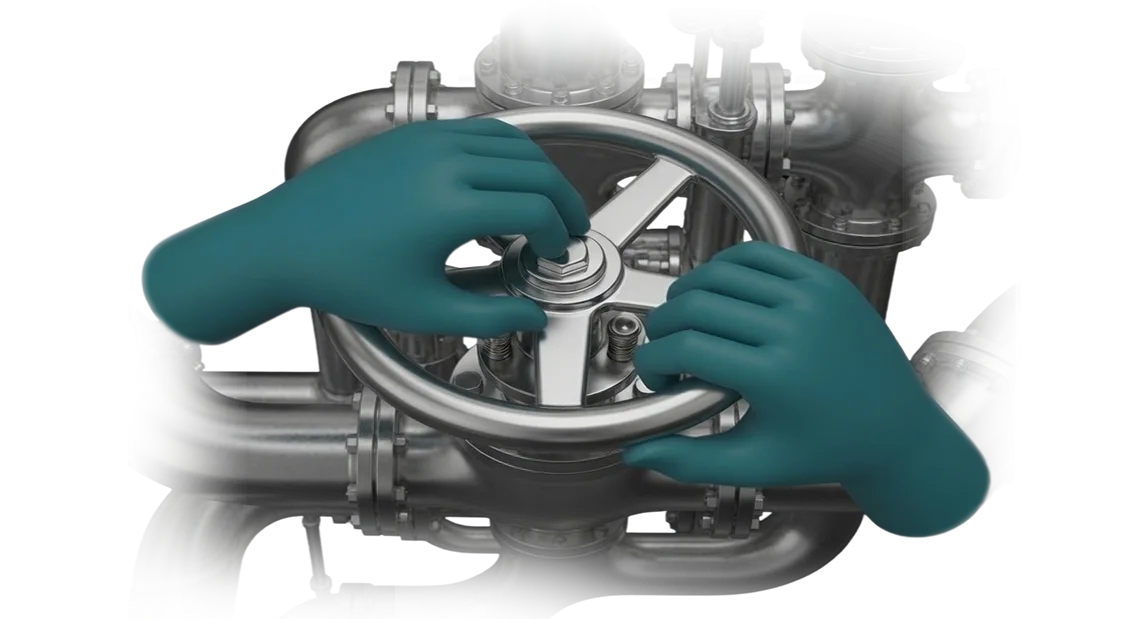
הדרכה על מרססים חקלאיים: עלויות וסיכונים
הדרכת מפעילים על מרסס חקלאי אמיתי היא אחד השלבים היקרים ביותר בהכשרת כוח אדם במפעל חקלאי.
בזמן שמתחיל לומד להפעיל את המכונה, נצרך דלק, הציוד נשחק, והמדריך מוסח מהמשימות שלו עצמו. כל טעות של חניך פוגעת גם בתקציב החברה: צמחים פגועים, חלקת שדה מקולקלת, תיקונים לא מתוכננים.
הסיכונים הופכים חריפים במיוחד בעונת העבודה — נדרשים מפעילים חדשים דווקא בשיא עבודת השדה, ואין זמן להדרכה רגועה. הכנסת עובד חסר ניסיון למכונה אמיתית מסכנת לא רק בהפסדים כספיים אלא גם בפציעות.
אפילו טעות קטנה בעבודה עם מרסס עלולה להפוך לתאונה חמורה או לאובדן יבול שגדל חודשים.
תחלופת עובדים היא סעיף עלות נוסף. לאחר הכשרת מומחה על מכונות חקלאיות אמיתיות, המפעל מסתכן באובדנו עד העונה הבאה: העובד עוזב למתחרה שמציע שכר גבוה יותר.
וכל סבב גיוס חדש דורש שוב תקציב, זמן והסחת דעת של צוות מנוסה. בסופו של דבר, הדרכה קבועה על מכונה אמיתית הופכת להוצאה מתמדת ללא ערובה לשימור כוח אדם.
סימולטור מרסס חקלאי ב-VR פותר בעיה זו: המפעיל רוכש מיומנויות מפתח בסביבה וירטואלית בטוחה, ללא סיכון לציוד, לאנשים או ליבול.
כל טעות הופכת לשלב למידה ולא להפסד כספי — מחזור ההדרכה מתקצר משבועות לימים ספורים.
אנו בונים סימולטורים המותאמים למפעל חקלאי ספציפי, תוך התחשבות בדגמי הציוד ובמאפייני השדה, כך שההדרכה מובנית מההתחלה סביב היגיון ייצור אמיתי.
אילו יתרונות מספקת הדרכת VR לצוות תעשייתי?
הדרכת VR מעבירה את הכנת הצוות מתיאוריה לפרקטיקה — ללא סיכון לאנשים, לציוד או ליבול. מפעיל מרסס יכול לתרגל תרחישים מורכבים: יישום דשנים במדרונות, הימנעות ממכשולים, בלימת חירום.
טעות בסביבה הווירטואלית אינה מובילה לתאונה, נזק לציוד או קנסות — במקום זאת, היא מספקת ניסיון שלא יסולא בפז שנזכר טוב יותר מהדרכה.
מהירות היא היתרון המרכזי השני. במקום לחכות שבועות לעונה או למכונה פנויה, העובד רוכש את המיומנות בכמה מפגשים קצרים.
זה קריטי עבור מפעלים חקלאיים שבהם חלון עבודת השדה מוגבל על ידי מזג האוויר: מפעיל מיומן עולה על מרסס אמיתי מוכן, במקום ללמוד תוך כדי תנועה בזמן העמוס ביותר.
חיסכון בעלויות נובע מהאמור לעיל: אין צורך לעצור את תהליך העבודה או לבזבז דלק, זרעים וכימיקלים על נסיעות הדרכה. אותו סימולטור משמש עשרות עובדים, וטעויות וירטואליות אינן הופכות לחשבונות תיקון. ההשקעה ב-VR מחזירה את עצמה באמצעות צריכת משאבים נמוכה יותר ופחות השבתות חירום.
לבסוף, מעורבות. הרצאות רגילות מעייפות, בעוד שמציאות וירטואלית תופסת תשומת לב מלאה — הצוות רואה בהדרכה כלי מודרני, לא חובה.
זה משפיע ישירות על מידת ספיגת החומר ומפחית את תחלופת העובדים, דבר שחשוב במיוחד כשמדובר בהסמכה נדירה של מפעילי מרססים.
לסיכום, סימולטור VR מכסה את הצרכים המרכזיים של מפעלים חקלאיים: בטיחות, מהירות הדרכה, חיסכון בתקציב ומעורבות צוות. אם אתם צריכים תוצאה עובדת ללא השבתות וסיכונים, פתרון זה מספק אותה באופן שיטתי.
פורמטים של סימולטורי VR למרססים חקלאיים
כל מפעל פותר את אתגר ההדרכה שלו בדרכו: לפעמים יש צורך בכיתה נייחת להדרכה שוטפת של מפעילים, לפעמים בפתרון נייד לסניפים או להדגמות.
לכן אנו מציעים מספר פורמטים של סימולטורי מרסס ב-VR — מסימולטור מלא ועד מודול קומפקטי והשכרה. אנו בוחרים אפשרות על סמך התקציב, ההיקף ותדירות ההדרכה שלכם.
| פורמט | למי | מה הוא נותן ללקוח |
|---|---|---|
| סימולטור מלא | חוות גדולות ומרכזי הדרכה עם זרם קבוע של חניכים | תחנת עבודה נייחת עם חיקוי מלא של תא המרסס והתנהגותו. מאפשר לתרגל את כל התרחישים ללא תלות במזג האוויר או בעונה. |
| מודול קומפקטי | חברות עם מספר סניפים או הדרכה ניידת | ציוד במזוודת מגן שנפרש תוך 15–20 דקות. ניתן לקיים הדרכת מרסס בשטח או בכל חדר מ-6 מ"ר. |
| השכרת סימולטור | מפעלים שצריכים לבצע הסמכה מהירה או להדגים יכולות VR | תוכנית הדרכה מוכנה ללא עלויות הון. משלמים רק על תקופת השימוש ומקבלים ציוד וחומרי הדרכה. |
אנו בוחרים פורמט ספציפי לאחר בריף קצר: אנו בודקים כמה מפעילים צריך להכשיר בשנה, האם יש חדר לכיתה נייחת, ועד כמה סדירה ההדרכה. אם אפשרות סטנדרטית אינה מתאימה, אנו מתאימים את התצורה למשימה שלכם. בכל פורמט, אנו מספקים השקה, הגדרה ראשונית ותמיכה למשך תקופת החוזה.
כיצד מתקדם הפרויקט: מבריף ועד השקת הסימולטור
תהליך הפיתוח מתוכנן כך שתמיד תבינו באיזה שלב נמצא הפרויקט ומה תקבלו בסופו.
אנו לא עובדים עם "קופסה שחורה": כל שלב מסוכם איתכם, והתוצאה תמיד ניתנת למדידה — סימולטור מוכן להכשרת צוות לעבודה עם מרסס חקלאי.
- בריף פיתוח — אנו מתעדים את המשימה שלכם: כמה עובדים צריך להכשיר, אילו פעולות לתרגל, אילו טעויות לבטל. בסוף הבריף, אתם מקבלים מסמך המתאר את המטרות והיקף העבודה.
- אישור פרויקט — אנו מכינים את קונספט הסימולטור: תרחישי הדרכה, רמות קושי, קריטריוני הערכה. אתם מאשרים את התוכנית, לוח הזמנים והעלות המדויקת — ללא תוספות נסתרות בשלבים מאוחרים יותר.
- פיתוח אב טיפוס — אנו בונים גרסה בסיסית שתוכלו "לגעת" בה במהלך התהליך. אתם רואים כיצד הסימולטור ייראה ויפעל, ויכולים לבצע עריכות לפני המעבר לגרסה הסופית.
- בדיקת סימולטור — יחד עם המפעילים והמכונאים שלכם, אנו עוברים על תרחישים המבוססים על מצבי עבודה אמיתיים: הגדרת מרסס, תנועה בשדה, תדלוק, מצבי חירום. אנו אוספים משוב ומתקנים פרטים.
- השקה ותמיכה — אנו מתקינים את הסימולטור על הציוד שלכם, מאמנים מדריכים ומוסרים תיעוד. לאחר ההשקה, אנו נשארים בקשר: עוזרים בעדכונים, מוסיפים תרחישים חדשים ומשכללים את התוכנית ככל שהנהלים שלכם משתנים.
רצף שלבי פיתוח זה מסייע להימנע מהסיכונים המרכזיים: ציפיות שלא מומשו, עיכובים ממושכים ומוצר "מת" שאיש אינו משתמש בו. אתם מקבלים כלי עבודה שכבר בשלב הבדיקות מראה כיצד העובדים קולטים את החומר.
מה כלול במסירת סימולטור ה-VR
כל סימולטור נמסר כפתרון מוכן לשימוש. לא תצטרכו לחפש ציוד, לנהל משא ומתן עם קבלנים או להרכיב הכל מחלקים — אנו מוסרים חבילה מלאה שניתן להשתמש בה להדרכה ביום המסירה.
חבילת המסירה כוללת:
- ציוד VR — משקפי מציאות וירטואלית מקצועיים, בקרים ויחידת מחשוב. הכל מוגדר, נבדק ומוכן לשימוש מיד לאחר הפריקה.
- סימולטור מרסס — תוכנה עם תרחישים ריאליסטיים: הכנה לפני נסיעה, מילוי מיכל, כוונון חרירים, תנועה בשדה וטיפול ביבול תוך התחשבות ברוח ובטופוגרפיה.
- חומרי הדרכה — תוכנית הדרכה מוכנה, תרחישי תרגול, מדריכים למדריך ולחניך וקריטריוני הערכת מיומנות.
- הכשרת מדריכים — יום או יומיים של עבודה מרחוק או באתר עם הצוות שלכם כדי שיוכלו להעביר מפגשי הדרכה ולנטר תוצאות באופן עצמאי.
- תיעוד טכני ואחריות — מדריכי הפעלה, לוח זמנים לתחזוקה, עדכוני סימולטור ותמיכה לכל תקופת השימוש.
החבילה מורכבת כך שתכסה כל נושא: מההשקה הראשונה ועד לשילוב הסימולטור בתוכנית הכשרת המפעילים שלכם. אתם מקבלים לא רק סימולטור אלא מערכת הדרכה שניתן ליישם ללא הבאת מומחים חיצוניים.
מקרה בוחן: כיצד סימולטור VR קיצר את זמן הכשרת המפעילים
חברות חקלאיות גדולות וחוות יודעות כמה יקרה יכולה להיות הכשרת מפעילי מרססים. הנסיעות הראשונות על ציוד אמיתי נושאות סיכון לנזק לציוד, אובדן יבול והשבתות.
השיטה הרגילה של "מדריך + שדה" אורכת שבועות ותלויה בעונה: בחורף, אין כמעט מקום להכשיר עובדים חדשים.
הצענו להעביר את ההדרכה לסביבה וירטואלית. בסימולטור, המפעיל מתרגל את כל התרחישים המרכזיים: הגדרת קצב יישום, הימנעות ממכשולים, עבודה במדרונות, מצבי חירום — ללא סיכון לציוד או ליבול.
זו אינה תחליף לפרקטיקה אלא דרך להאיץ אותה: אדם עולה על ציוד אמיתי עם מיומנויות מוכנות.
תוצאות היישום
עבור מפעל חקלאי אחד, פרסנו תוכנית הכשרה למפעילי מרססים מתנייעים. זמן ההכשרה קוצר משבועיים ליומיים — הפחתה של פי 7.
מספר הטעויות בנסיעות העצמאיות הראשונות ירד בשליש, וצריכת הכימיקלים במהלך היישום הפכה לצפויה כבר מהמשמרת הראשונה.
ראש מחלקת המיכון ציין את הנקודה המרכזית: מתחילים הפסיקו לפחד מתמרונים מורכבים ונכנסים לעבודה מהר יותר. להלן דבריו: "נהגנו לבזבז עונה שלמה לפני שמפעיל התחיל לעבוד בביטחון. עכשיו זה עניין של יומיים.
אנשים נכנסים לשדה ברוגע כי הם כבר עברו את כל המצבים הקשים בסימולטור." AgroTech
מקרה זה מראה: הדרכת VR מחזירה את ההשקעה לא בשנים אלא בעונה אחת. זמן הכשרה קצר יותר, פחות תקלות בציוד ואיכות יישום יציבה — אלה התוצאות שהבעלים רואה בדוח לאחר קבוצת המפעילים הראשונה.
כיצד לבחור פורמט סימולטור VR למשימה שלכם?
התחילו בשתי שאלות: כמה אנשים צריך להכשיר ועד כמה הציוד שלכם ייחודי. זה קובע אם לקנות משקף VR אחד לכולם, להקים מספר תחנות עבודה או לבנות סימולטור תא מלא.
בצוות שלנו, במשך למעלה מ-10 שנים פיתחנו היגיון בחירה שעובד עבור מפעלים חקלאיים בכל היקף.
אם אין הרבה עובדים — עד עשרה אנשים — ערכת VR ניידת מספיקה. היא מחזירה את ההשקעה במהירות, וניתן לקיים הדרכה ממש בשטח או בחדר קטן.
כשיש לכם עשרות עובדים וזרם קבוע, כיתת VR נייחת משתלמת יותר: מספר תחנות עובדות במקביל, המדריך רואה את ההתקדמות של כל אדם, ולא מבזבזים זמן על הגדרות מחדש.
מאפייני הציוד חשובים לא פחות. מרסס עם תא לא סטנדרטי, מערכת יישום דשנים מורכבת או התנהגות ספציפית במדרונות דורשים סימולציה מדויקת.
עבור ציוד כזה, אנו בונים סימולטור המשכפל את מודל השליטה המדויק שלכם — עד למיקום המנופים והתגובות לשגיאות.
פתרון אוניברסלי לא יעבוד כאן: עובד עלול להתרגל למכונה "גנרית" ועדיין לפעול בחוסר ביטחון על המכונה האמיתית.
כך אנו משווים פורמטים עבור לקוחות.
| פורמט | מתי לבחור | מה הוא נותן לעסק |
|---|---|---|
| משקף VR עם בקרים | עד 10 עובדים, מיומנויות שליטה בסיסיות | התחלה מהירה, חסם כניסה נמוך, ניידות |
| כיתת VR עם מספר תחנות | זרם קבוע של חניכים, קבוצות של 10 ומעלה | תפוקה גבוהה, בקרת מדריך על ההתקדמות |
| סימולטור תא | ציוד מורכב, פעולות אחראיות | שקיעה מלאה, תרגול מצבים נדירים וחירום |
הכלל המרכזי: אל תבחרו פורמט "בעיוורון". שלחו לנו את המפרט של המרסס שלכם ואת מספר העובדים — אנו נמליץ על פורמט שחוסך בתקציבכם ומספק תוצאות מדידות: זמן הכשרה קצר יותר ופחות טעויות בשטח.
שאלות נפוצות על פיתוח סימולטור VR
לפני הזמנת סימולטור VR למרסס, למנהלים נוטות להיות שאלות דומות. אנו עונים על העיקריות — ללא פרטים טכניים שאינם משפיעים על ההחלטה.
כמה זמן אורך הפיתוח?
פרויקט טיפוסי אורך 4 עד 8 שבועות, כולל אישורים. לוח הזמנים תלוי במורכבות התרחישים ובמוכנות חומרי המקור. בתחילת הדרך, אנו קובעים את השלבים והתאריכים כדי שתוכלו לתכנן את ההשקה.
כמה עולה סימולטור VR?
העלות מחושבת על סמך משימות המפעל והיקף התרחישים. הערכה שקופה ללא תשלומים נסתרים: אתם רואים בעד מה אתם משלמים. לקוחות מרבים להחזיר את ההשקעה באמצעות צריכת דלק ודשן נמוכה יותר במהלך הכשרת המפעילים.
האם זה אמין? מה לגבי האחריות?
אנו עובדים על ציוד מקצועי ומספקים אחריות על הסימולטור. הצוות שלנו תומך בפרויקט לאחר ההשקה: אנו מעדכנים תרחישים ועוזרים ביישום. עבור רוב הלקוחות, הסימולטור עובד ללא תקלות במשך שנים.
האם הסימולטור תואם לציוד שלנו?
אנו מעצבים את המודל הווירטואלי סביב המרסס שלכם — תוך התחשבות במאפייני השליטה, בכלים החקלאיים ובתנאי העבודה האופייניים. זה אומר שמפעילים מתאמנים על ממשק מוכר ללא צורך ללמוד מיומנויות מחדש.
אם השאלה שלכם לא מופיעה — כתבו לנו, נייעץ ונכין חישוב עבור הציוד שלכם. פשוט שלחו לנו את דגם המרסס ותארו את מטרות ההדרכה שלכם.הזמינו פיתוח סימולטור VR למפעל שלכם
סימולטור VR מחזיר את ההשקעה כשהוא משכפל במדויק את הציוד ותרחישי העבודה שלכם.
לכן אנו מתחילים לא בקוד אלא בשיחה על המשימות שלכם: אילו פעולות צריך לתרגל, כמה עובדים אתם מתכננים להכשיר ואילו טעויות אתם רוצים לבטל.
השאירו פנייה — וקבלו:
- ייעוץ — ננתח כיצד סימולטור VR משתלב במערכת ההדרכה שלכם ואילו תוצאות הוא יניב באתר הייצור הספציפי שלכם.
- הערכת עלות פרויקט — נכין הערכה תוך 2–3 ימי עסקים, ללא תוספות נסתרות או "הפתעות" בשלב הסופי.
- הדגמת סימולטור — נראה כיצד ההדרכה עובדת באמצעות תרחיש אמיתי, כדי שתוכלו להעריך את האפקט לפני חתימת החוזה.
- התאמה לציוד שלכם — נשחזר את דגם המרסס שלכם עם הפרטים הספציפיים של החווה: סוגי גידולים, טופוגרפיה, תנאי מזג אוויר.
- מערכת מעקב מובנית — לאחר ההדרכה, תוכלו לראות אילו עובדים השלימו את הקורס ועד כמה הם קלטו את החומר.
- תמיכה בכל שלב — מתכנון ועד יישום ועדכוני סימולטור למשימות חדשות.
לאחר הפנייה שלכם, אנו יוצרים קשר תוך יום עסקים אחד, מבהירים את הפרטים ומזמינים אתכם לשיחה קצרה עם מהנדס. ללא התחייבות — רק שיחה ממוקדת על המשימה שלכם. אם תרצו, נוכל מיד להכין הערכת עלות על סמך החומרים שתשלחו.
אנו עובדים עם ציוד מקצועי וכלים מוכחים, ולכן אנו מבטיחים פעילות יציבה של הסימולטור בתהליך ההדרכה. ספרו לנו על המשימה שלכם — ונציע פתרון שמתאים לתקציב וללוח הזמנים שלכם.