

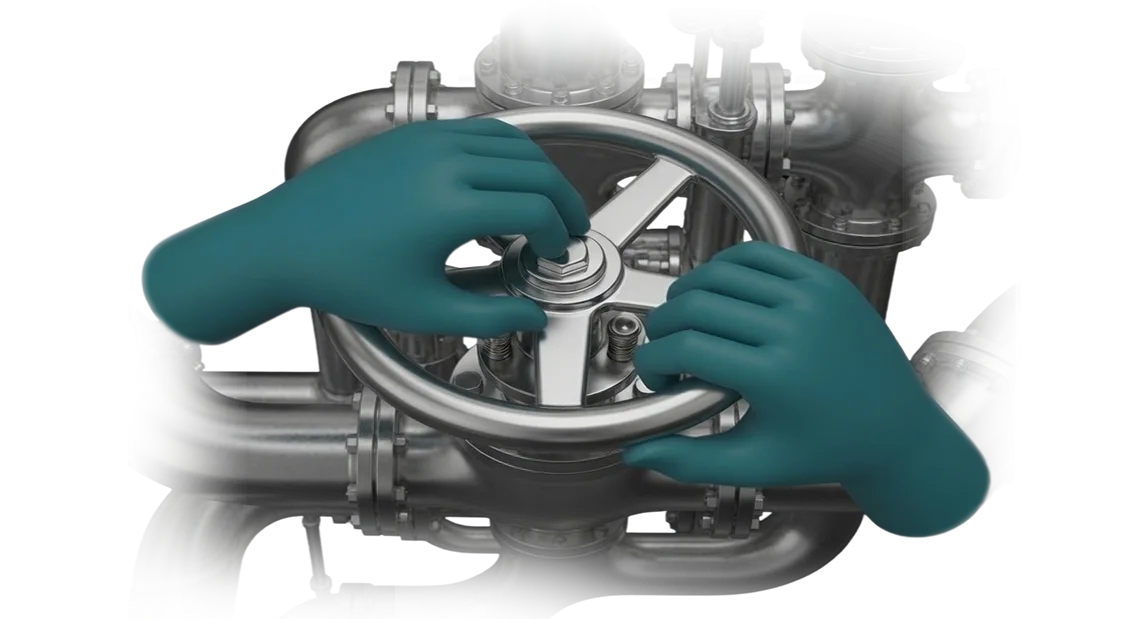
שגיאות צוות בפארמה: מה עומד על הפרק
בתחום הפארמה, שגיאת עובד אינה רק כשל תהליכי. היא הסיכון לשחרור אצווה של מוצרים באיכות ירודה, החזרת תרופות מהשוק, ומכה למוניטין שהקהל זוכר לאורך זמן.
הגורם האנושי נותר הגורם המרכזי לרוב התקריות בייצור: מישהו שבר את רצף הפעולות, לא בדק פרמטרים, או הגיב בצורה לא נכונה למצב חריג.
כשמדובר בתרופות ומוצרים רפואיים, העלות של כשל כזה נמדדת לא רק בהפסדים כספיים. בריאותו של הצרכן הסופי ואמון הרגולטורים והשותפים נפגעים.
העסק משלם על עיבוד מחדש של אצוות פגומות, קנסות, השבתות קו, ואובדן חוזים. ובכל זאת, ניתן למנוע את רוב השגיאות לפני שהעובד נכנס לקו האמיתי.
סימולטור VR נותן מענה בדיוק לאתגר הזה: הוא מאפשר לצוות לשלוט בבטחה בתרחישים מורכבים, לחדד את פעולותיהם עד כדי אוטומטיות, וללמוד להגיב במהירות לסטיות.
העובד לומד מטעויותיו בסביבה וירטואלית שבה החלטה שגויה אינה מובילה לפסולת או לתאונה. כך מקבלים מומחה מיומן שמבין לא רק את ההוראות אלא את כל ההיגיון של התהליך.
גישה זו מקצרת את הזמן הנדרש להכשרת עובד חדש ומפחיתה את מספר התקריות בייצור. אימון VR נזכר טוב יותר מקריאת תקנות ומעניק לעובדים ביטחון כשהם עובדים לראשונה עם ציוד אמיתי.
כתוצאה מכך, אתם משקיעים באיכות המוצר כבר בשלב הכנת הצוות — ונמנעים מההפסדים הנובעים בהכרח מ"הגורם האנושי".
אנו מפתחים סימולטורי VR לפארמה, תוך התחשבות במאפייני התהליכים הטכנולוגיים ודרישות הבטיחות שלכם. יחד עם הצוות שלכם, אנו מזהים את השגיאות הנפוצות ביותר, מדמים מצבים קריטיים, והופכים אותם לתרחישי אימון. כך אתם מקבלים כלי שמפחית סיכונים, מגן על המוניטין, וחוסך במשאבי החברה.
מה סימולטור VR נותן למתקן הייצור שלכם
שגיאת מפעיל על קו תרופות משמעותה השבתת ייצור, אצווה שנמחקה, וסיכון בטיחותי. אימון קונבנציונלי דורש זמן ומקום על ציוד אמיתי, שלא תמיד ניתן להקצותם.
סימולטור VR מסיר מגבלה זו: העובד לומד ומחזק מיומנויות בסביבה וירטואלית בטוחה בזמן שהקו ממשיך לפעול.
היתרון המרכזי הוא תרגול פעולות ללא עצירת ייצור. המתאמן עובר על כל שלב בפעולה הטכנולוגית כמה פעמים שנדרש, ומביא את הפעולות לאוטומטיות.
כשהם מתחילים משמרת אמיתית, יש להם כבר תרחיש בטוח בראש, כך שמספר האצוות הפגומות המוקדמות יורד באופן ניכר. זה משפיע ישירות על עלויות הייצור, עמידה ברגולציה, ומוניטין המפעל מול הרגולטורים.
בטיחות תעסוקתית היא נושא נפרד. פארמה משמעותה עבודה עם חומרים פעילים, אזורים סטריליים, ופרוטוקולים נוקשים. VR מאפשר לאמן פעולות במצבים חריגים: דליפות, ירידת לחץ, כשל ציוד, פריצת סטריליות.
הטעות נשארת בסימולטור, לא על רצפת הייצור — העובד זוכר את התגובה הנכונה ופועל בצורה רגועה ומדויקת יותר על הקו האמיתי.
הכשירות הכוללת של הצוות גדלה גם היא. הסימולטור שומר על סטנדרטים עקביים של אימון בכל המשמרות, מתעד את ההתקדמות של כל עובד, ומראה היכן הם עדיין לא בטוחים. מנהל רואה את המוכנות האמיתית של הצוות במקום להסתמך רק על ניסיון של חונך. כך בונים מערכת שבה איכות העבודה תלויה פחות בגורם האנושי.
בסופו של דבר, אימון VR פועל לא כ"חידוש לשם התדמית" אלא ככלי מעשי לבטיחות ייצור ובקרת איכות. פחות תקריות, פחות פסולת, והכשרה מהירה יותר של עובדים חדשים.
אנו מתקינים סימולטור כזה עבור קו הייצור הספציפי שלכם — תוך התחשבות בתקנות, במתקנים, ובסוגי הפעולות שלכם.
פורמטים של סימולטור VR להכשרת צוות
משימות אימון שונות דורשות פורמטים שונים של סימולטור VR. עובד חדש צריך לשלוט בבטחה בעבודה עם ציוד, עובד מנוסה צריך לתרגל פעולות במצבים חריגים, ומנהל צריך תוצאה מדידה ללא עצירת ייצור. אנו בוחרים את הפורמט למשימה הספציפית ומשלבים אותו בתוכנית האימון הקיימת.
כל פורמט פותר בעיה עסקית משלו: הוא מאיץ הכשרה, מפחית סיכון לשגיאות, ומגביר את מוכנות הצוות לתרחישי חירום נדירים. להלן השוואה של פורמטים טיפוסיים של סימולטור VR שאנו מיישמים עבור מפעלים פרמצבטיים.
פורמטים והיתרונות שלהם
| פורמט | למי | מה הוא נותן למפעל |
|---|---|---|
| הוראות אינטראקטיביות | עובדים חדשים, מתאמנים | היכרות מהירה ונטולת סיכון עם התהליכים. העובד רואה מיד את רצף הפעולות וזוכר אותו פי 2–3 מהר יותר מאשר בקריאת תקנות נייר. |
| סימולטורי פעולה | מפעילי קו, מהנדסי תהליך | תרגול פעולות סטנדרטיות עד לאוטומטיות. טעויות נעשות בסביבה וירטואלית ולא על ציוד אמיתי — פחות פסולת והשבתות. |
| תרחישי חירום | צוות קיים, מחלקת איכות | הכנה למצבים חריגים — מדליפות ועד כשל ציוד. עובדים מאמנים את פעולותיהם לפני שאיום אמיתי מתעורר. |
| מחזור ייצור מלא | צוותים בין-מחלקתיים | יישור פעולות בין מחלקות שונות. סימולטור אחד משלב קבלת חומרי גלם, ייצור, בקרת איכות, ואריזה. |
היתרון המרכזי של פורמטים אלה הוא שהם משתלבים בלוח הזמנים של העבודה: מפגש נמשך 20–30 דקות ואינו דורש עצירת ייצור. תרחישים מוכנים על בסיס התקנות וההוראות שלכם, כך שעובדים מתאמנים על התהליכים שהם באמת מבצעים. אתם בוחרים את הפורמט בעצמכם או משלבים אותם כדי להתאים למטרות האימון שלכם.
כיצד אנו מפתחים סימולטור עבור המתקן שלכם
כל פרויקט פארמה מתחיל לא בקוד אלא בשקיעה בתהליך הייצור שלכם. אנו בוחנים תקנות, אזורי סיכון, ושגיאות צוות טיפוסיות שהסימולטור צריך לטפל בהן — ורק אז מציעים תרחיש.
משם, אנו פועלים לפי מפת דרכים שקופה עם אבן דרך רשמית של קבלה בכל שלב, כך שתוכלו לראות את התוצאה מראש ולהתאים אותה ללא פספוס מועדים.
-
בריף וסקר מתקן. אנו לומדים את ההוראות, התקנות, ומצבי העבודה האמיתיים שלכם. אנו מגדירים את מטרות האימון ואת הקריטריונים שלפיהם תבינו שהסימולטור פותר את המשימה.
-
עיצוב תרחיש. אנו הופכים תהליכי ייצור לתרגילי VR. אנו מסכמים איתכם על היגיון הפעולה של העובד, מספר השלבים, ומערכת הערכת השגיאות.
-
אב טיפוס של סצנות מפתח. אנו מציגים מספר פרקים מרכזיים על ציוד אמיתי: קבלת חומרי גלם, מילוי, אריזה, או עבודת תיעוד. אתם רואים את הגרפיקה, הממשק, והמכניקה לפני הפיתוח המלא.
-
פיתוח גרסה מלאה. אנו בונים את הסימולטור עבור המתקן שלכם: אנו מוסיפים את כל התרחישים, הוראות ברוסית, מערכת רמזים, ודוח סופי לכל עובד.
-
בדיקה עם המומחים שלכם. אנו מריצים את הסימולטור עם קבוצת מפעילים או מהנדסי תהליך. אנו אוספים משוב ומשפרים את הממשק והקושי — אתם מקבלים את התוצאה רק כשהיא נוחה לאנשים שלכם.
-
התקנה באתר. אנו מתקינים את החומרה או התוכנה, מגדירים אותה עבור הסדנה שלכם, ומכשירים מדריכים פנימיים להפעלת מפגשים בעצמם.
-
תמיכה ופיתוח. אנו נשארים בקשר: אנו מעדכנים את הסימולטור כשהתקנות משתנות, מוסיפים תרחישים חדשים לפי בקשה, ועוזרים בבעיות טכניות.
הודות לגישה זו, אתם מקבלים לא "מוצר מוכן מהמדף" אלא כלי הבנוי ספציפית לתוך תהליך האימון שלכם. כל שלב נסגר עם אישור חתום, כך שאין עיבודים בלתי צפויים או ויכוחים על מה שהיה אמור להיות בשלב הסופי.
הטמעת סימולטור VR מתנהלת בצורה צפויה, והצוות מתחיל להשתמש בו כבר בשבוע הראשון לאחר ההשקה.
מה כלול במסירת הסימולטור
כשאתם מזמינים סימולטור VR, אתם מקבלים לא רק תוכנית אלא מערכת אימון מלאה ומפתח ביד. חבילת המסירה כוללת כל מה שדרוש להפעלת אימון במפעל שלכם ולהשגת תוצאות מדידות — מתרחישים מוכנים ועד הכשרת המדריכים שלכם.
- תרחישי VR לפעולות סטנדרטיות ומצבים חריגים — עובדים מתרגלים פעולות בסביבה בטוחה ללא סיכון לייצור או לציוד. התרחישים מכסים את התקנות המרכזיות של ייצור תרופות.
- חומרים מתודולוגיים למדריך — תוכנית שיעור מוכנה, קריטריונים להערכת פעולות העובד, והמלצות לבדיקת טעויות. המומחה שלכם יכול להפעיל אימון מהיום הראשון ללא הכנה ממושכת.
- אינטגרציה עם מערכת הלמידה מרחוק שלכם — תוצאות האימון נכנסות אוטומטית למסד הנתונים, ואתם רואים את ההתקדמות של כל עובד ושל כל המשמרת. אין צורך למלא דוחות ידנית.
- התאמת תרחישים לתקנות ולציוד שלכם — אנו מתאימים מודלים, שמות פעולות, ונקודות בקרה כך שהעובד עובד עם טרמינולוגיה מוכרת ורצף פעולות אמיתי.
- זכויות לעדכונים ושיפורים של תרחישים — הסימולטור מתפתח יחד עם הייצור: אתם מקבלים גרסאות חדשות ויכולים לבקש שינויים לתהליכים מעודכנים.
- הכשרת המדריכים שלכם — אנו מקיימים הכשרה פרונטלית או מרחוק, מוסרים את המתודולוגיה, ומעניקים את הזכות להפעיל מפגשי אימון באופן עצמאי ללא מעורבות קבלן.
- תמיכה בשלב ההשקה — אנו עוזרים בהתקנה, התאמה לסביבת ה-IT שלכם, וארגון המפגשים הראשונים כך שהמעבר יהיה חלק.
חבילה זו מכסה את כל המחזור: מהמפגש הראשון ועד לבדיקות ידע קבועות. אין צורך לחפש קבלנים, להיכנס לפרטים טכניים, או להרכיב דוחות ידנית — הכל כבר כלול במסירה.
מקרה בוחן: כיצד הפחתנו תקריות במתקן ייצור
עבור מפעל התרופות FarmSintez, פיתחנו סימולטור VR המשחזר את האזורים המסוכנים ביותר בייצור: עבודה עם ריאגנטים, תחזוקת צנטריפוגה, ותגובה לירידת לחץ.
בעבר, מפעילים חדשים התאמנו על ציוד אמיתי — כל טעות סיכנה השבתה ופציעה. עובדים מנוסים גם הם ביצעו הפרות מכיוון שתרחישי חירום נדירים לא תורגלו מספיק פעמים או עד לאוטומטיות.
שלושה חודשים לאחר ההשקה, מספר שגיאות המפעילים ירד ב-70%, והשבתות חירום של הקו נחתכו בחצי.
האימון גם לוקח פי שלושה פחות זמן: במקום שלושה שבועות של חניכה ליד המכונה — חמש משמרות בסביבה הווירטואלית, ללא סיכון לאנשים או לציוד יקר.
"מפעילים שסיימו את ההכשרה פועלים בביטחון רב יותר ואינם נכנסים לפאניקה במצב חריג. אנו רואים זאת בשיעור התקריות הנמוך ובמהירות שבה עולים חדשים מגיעים לפריון מתוכנן", מעיר מנהל הייצור.
מקרה הבוחן של סימולטור ה-VR הדגים ששקיעה בסביבה וירטואלית מאפשרת לתרגל תרחישים נדירים אך מסוכנים כמה פעמים שנדרש.
ניתן להעריך תוצאות אימון באופן אובייקטיבי — המערכת מתעדת כל פעולה של המפעיל, כך שהמנהל רואה את התמונה המלאה של מוכנות כל עובד.
הלקוח קיבל לא רק תוכנית אלא כלי לבקרת איכות של הכשרת צוות והפחתת תקריות בייצור.
שאלות נפוצות על הטמעת סימולטורי VR
בעת הטמעת סימולטורי VR בייצור ובפארמה, מנהלים נוטים לשאול את אותן שאלות. לרוב הם מודאגים מאמינות הציוד, כיצד למדוד את אפקט האימון, והאם יצטרכו להרחיב את הצוות.
הספקות הללו מובנים: מצפים מהסימולטור לפעול בצורה אמינה ולהניב תוצאה ברורה.
אספנו תשובות לשאלות הנפוצות ביותר. הן מסבירות בקצרה כיצד אנו מבטיחים פעולה רציפה, עוקבים אחר התקדמות העובדים, ומוודאים שלא תצטרכו להתעסק בפרטים טכניים.
מה קורה אם ציוד ה-VR מתקלקל או נכשל?
אנו משתמשים בציוד מקצועי ברמה תעשייתית המיועד לעומסי עבודה אינטנסיביים ולפעולה ארוכת טווח. האספקה כוללת אחריות; אנו מטפלים בתחזוקה שוטפת ופותרים מצבים חריגים במהירות. אם תיקון לוקח זמן, אנו מספקים ציוד חלופי והאימון נמשך ללא השבתה.
כיצד נוכל למדוד שהסימולטור באמת משפר את הכישורים?
הסימולטור מתעד אוטומטית את זמן השלמת הפעולה, מספר השגיאות, הדיוק, ורצף הפעולות. נוצרים דוחות ברורים למנהל — ההתקדמות של כל עובד ושל כל הקבוצה נראית.
ניתן להשוות תוצאות לפני ואחרי האימון ולראות שינויים קונקרטיים במהירות ובאיכות העבודה.
האם נצטרך להעסיק מתכנת לצורך הטמעה או תמיכה?
לא, אין צורך בכך. אנו מטפלים בהתקנה, בהגדרה, ובאינטגרציה עם תוכנית האימון שלכם. מפעיל מוכשר ביום אחד, והסימולטור פועל לאחר מכן באופן אוטונומי.
כל העדכונים והשיפורים מטופלים על ידי הצוות שלנו — אין צורך להחזיק מומחים צרים בצוות.
כיצד לבחור סימולטור VR למשימת פארמה?
בחירת סימולטור VR מתחילה לא בציוד אלא בשאלה: איזו בעיה עסקית אתם רוצים לפתור? בפארמה, זה לרוב מהירות הכשרת עולים חדשים, הפחתת שגיאות בעמידה ברגולציה, ומוכנות הצוות למצבים חריגים.
התשובה לשאלה זו קובעת את תרחיש הסימולטור, רמת הפירוט, וזמן ההטמעה.
אם המטרה היא להכשיר עובדים חדשים בפעולות סטנדרטיות, בחרו סימולטור עם הוראות שלב-אחר-שלב ובקרת פעולות. פורמט זה מאפשר לעולה חדש לצבור ניסיון מעשי בבטחה: הם עובדים עם ציוד וירטואלית, עושים טעויות, ומקבלים רמז מיד.
לאחר מספר מפגשים, העובד מגיע לקו עם מיומנות בסיסית במקום ללמוד ב"ניסוי וטעייה" על ייצור אמיתי.
כשהמשימה היא הכנה למצבים נדירים או מסוכנים, כמו ירידת לחץ בכור או דליפה של חומר אגרסיבי, אתם צריכים סימולטור עם תרחישים מסועפים.
העובד חווה את התאונה בסביבה בטוחה, לומד לפעול לפי ההוראות, וזוכר את האלגוריתם טוב יותר מאשר משקופיות.
לצורך הסמכה, מתאים מודול VR עם הערכת פעולות ומעקב אחר זמן השלמה — הוא נותן תמונה אובייקטיבית של מוכנות כל עובד.
חשוב שהסימולטור ישתלב בתהליכי האימון הקיימים ויפעל על ציוד שהחברה כבר מחזיקה. אנו משתמשים בכלי פיתוח מקצועיים, מה שמבטיח פעולה יציבה ועדכון קל של תרחישים כשהתקנות משתנות.
כלל הבחירה המרכזי: אל תרדפו אחרי ריאליזם מקסימלי — תחילה קבעו איזו תוצאה אתם צריכים: מוכנות מהירה לקו, בטיחות בתאונות, או הסמכה שקופה. אנו עוזרים לנסח את המשימה ומציעים פורמט שפותר אותה בזמן וללא עלויות מיותרות.
הזמינו פיתוח סימולטור עבור המפעל שלכם
הזמינו פיתוח סימולטור VR עבור המפעל שלכם וקבלו כלי שמחזיר את עצמו באמצעות הפחתת תקריות ושגיאות צוות. בפארמה, פעולה שגויה של עובד היא יקרה במיוחד — כל שגיאה רגולטורית יכולה להיות יקרה ביותר ולפגוע במוניטין.
אנו פותרים בעיה זו כך שלא תצטרכו להיכנס לפרטים טכניים: אנו לוקחים על עצמנו את כל השרשרת מהרעיון ועד לתוצאה עובדת.
הצוות שלנו עובד מרחוק בכל הארץ ויוצר סימולטורים לתעשייה כבר למעלה מ-10 שנים. אתם מקבלים לא פיתוח "גולמי" אלא מוצר מוגמר שהעובדים שלכם משתמשים בו כבר ביום ההטמעה.
במקביל, אנו מתאימים את עצמנו ללוחות הזמנים, לתקציב, ולרמת המיומנות של הצוות שלכם — ממפעילים ועד מנהלי סדנאות.
- ייעוץ ראשוני — אנו מנתחים את המשימה שלכם ומייעצים היכן סימולטור VR יניב את האפקט הגדול ביותר.
- עלות מחושבת לפרויקט שלכם — הערכה מדויקת תוך יום או יומיים לאחר הבריף, ללא עמלות נסתרות.
- התאמה לייצור שלכם — אנו משתמשים בתקנות ובסטנדרטים שלכם, לא בתרחישים מופשטים.
- תמיכה בכל שלבי ההטמעה — מהתקנה ועד הכשרת המדריכים שלכם לעבודה עם הסימולטור.
- תמיכה לאחר ההשקה — עדכונים, שיפורי תרחישים, ותמיכה טכנית לאחר שהסימולטור בפעולה.
השאירו פנייה באתר שלנו — נחזור אליכם תוך יום עסקים אחד, נבהיר את הפרטים, ונכין הצעה מותאמת. תקבלו לא רק מצגת אלא תוכנית הטמעה קונקרטית עם לוחות זמנים ותוצאות ברורים. התחילו בשיחה קצרה שתחסוך לכם חודשים של ניסוי וטעייה.