

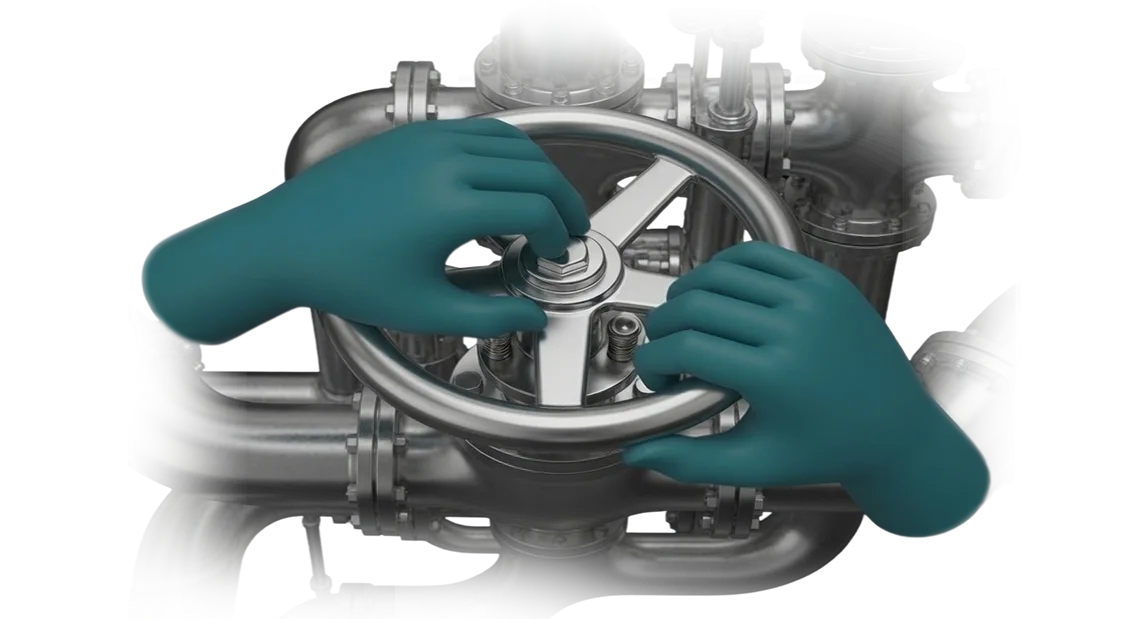
ספורט הישגי באימון: סימולטורי VR למפעלים
כל טעות של צוות בייצור היא לא רק תקרית, אלא עצירת פס ייצור, תחזוקה לא מתוכננת, ולעיתים גם איום על בריאות האנשים.
הכשרת עובדים בדרך המסורתית אורכת שבועות, ומצבי חירום נדירים אי אפשר לתרגל במציאות — זה יקר מדי ומסוכן מדי. כתוצאה מכך, הידע נשאר תיאוריה, ובפועל הצוות פועל ללא ביטחון.
כאן נכנסת לתמונה המתודולוגיה של ספורט הישגי. ספורטאים ברמה עולמית מבלים שנים בחידוד כל תנועה עד כדי אוטומטיזם, משחזרים מצבים מורכבים בראשם ובאימונים, ואז עולים למגרש עם ראש קר.
סימולטורי VR לתעשייה מעבירים גישה זו לסדנאות ולמתקני ייצור: עובד נכנס לסביבה מציאותית שבה הוא יכול לטעות, לראות את ההשלכות ולתקן אותן — ללא פגיעה בעצמו או בציוד.
כך, הכשרת הצוות הופכת מהרצאות ותדריכים לתרגול של כישורים אמיתיים. המפעיל לומד לפעול נכון במצבים שגרתיים ולא שגרתיים, ומביא את התגובות לרמה אוטומטית.
כל תרחיש ניתן לחזרה פעמים רבות, והמערכת מעריכה באופן אובייקטיבי את הפעולות — כמו ניתוח אימון עם מאמן, אבל בקנה מידה של מפעל.
הטמעת סימולטורי VR משפיעה ישירות על בטיחות הייצור ועל הכלכלה של המפעל. העובדים מגיעים לרמת המיומנות הנדרשת מהר יותר, עושים פחות טעויות, ופועלים ברוגע ולפי אלגוריתם מכוונן היטב במצבי חירום. אתם מקבלים תוצאות צפויות ועלויות מופחתות עבור הכשרה וטיפול בתקריות.
אנחנו מפתחים תחום זה כבר מספר שנים ויודעים כיצד להתאים מתודולוגיית ספורט לצרכים של מפעל ספציפי — החל מעבודה עם תיעוד וכלה בתהליכים טכנולוגיים מורכבים. ספרו לנו על הייצור שלכם, ואנחנו נראה כיצד סימולטור VR יכול לכסות בדיוק את הסיכונים שלכם.
מה הטמעת סימולטור VR במתקן ייצור מעניקה
הטמעת סימולטור VR בייצור משמעותה עבודה עם מדדי עסקיים מרכזיים: בטיחות, מהירות הכשרת צוות ועלויות הכשרה. בואו נפרק מה בדיוק מקבל הארגון.
הפחתה בתאונות ובטעויות
סימולטור ה-VR מחקה ציוד ותהליכי עבודה בצורה מציאותית ככל האפשר, כך שהעובד מתרגל פעולות עד כדי אוטומטיזם לפני שהוא בכלל דורך במתקן אמיתי.
טעויות בסביבה הווירטואלית אינן מובילות לפציעות, תקלות או השבתה — אבל הן מספקות את אותו ניסיון.
מהירות הכשרה
הכשרה ב-VR מהירה פי 2–3 מהמודל הקלאסי של "הרצאה פלוס תרגול בשטח". העובד לא מחכה למדריך, לא תלוי במזג האוויר או בעונה — הוא מתחיל לעבוד עם הסימולטור מיד, בקצב שלו.
חיסכון בעלויות הכשרה
סימולטור VR אחד מחליף הוצאות על חומרים מתכלים, השכרת שטח ועמלות מדריכים. לאחר הרכישה, הסימולטור מחזיר את השקעתו על הקבוצות הראשונות של עובדים וממשיך לעבוד במשך שנים.
מוטיבציה ותדמית מעסיק
עבודה עם ציוד VR מגבירה מעורבות ועניין במקצוע. עבור מומחים צעירים, זה יתרון משמעותי בבחירת מעסיק, ובאמצעות מדיה חברתית ועיתונות, פרויקטים כאלה מחזקים את מותג ה-HR של הארגון.
כפי שהפרקטיקה בצוות שלנו מראה, הטמעת סימולטורי VR באתרים תעשייתיים מפחיתה את מספר התקריות ב-30–40% וחותכת בחצי את זמן הכשרת הצוות.
הנתונים המדויקים תלויים בתחום, אבל המגמה עקבית: VR מחזיר את ההשקעה באמצעות פחות תאונות, הכשרה מהירה יותר וחיסכון במשאבים.
פורמטים של פיתוח סימולטור VR למשימה שלכם
אימון בספורט הישגי נתקל בבעיה מוכרת: מצבי משחק נדירים אי אפשר לתרגל בבטחה ובהיקף הנדרש. אימון מלא לוקח זמן, משאבים ונושא עמו סיכון לפציעה.
סימולטור VR מאפשר לחזור על תרחיש מורכב עשרות פעמים — עד שההחלטה הופכת לאוטומטית.
אנחנו מבינים שלכל קבוצה יש משימה משלה: חלקם צריכים תוצאות מהירות עד מחנה האימונים הבא, אחרים בונים תוכנית הכנה ארוכת טווח. לכן אנחנו עובדים במספר פורמטים — מתרחיש מוכן ועד פיתוח מותאם אישית והשכרת ציוד. בחרו את זה שמתאים ללוחות הזמנים ולתקציב שלכם.
| פורמט | למי זה מיועד | מה הלקוח מקבל |
|---|---|---|
| תרחיש מוכן | קבוצות שצריכות לשלב במהירות VR באימון | תרגילים מעודנים לתגובה וקבלת החלטות, השקה תוך 1–2 שבועות, תוצאות ברורות |
| פיתוח מותאם אישית | פדרציות ומאמנים עם מתודולוגיה משלהם ומשימות ייחודיות | סימולטור המותאם לספורט ולטקטיקה, תוך התחשבות במאפייני הספורטאים ובפיתוחים הקיימים שלכם |
| השכרת ציוד | מחנות אימונים, טורנירים, תקופת ניסיון לפני רכישה | ניידות ויכולת להעריך את ההשפעה על הקבוצה שלכם ללא השקעה הונית |
| חבילת מפתח ביד | מועדונים ומרכזי ספורט המתכננים אימונים קבועים | ציוד מלא, שילוב בלוח הזמנים ותמיכה בכל שלב |
בכל פורמט, אנו בוחרים תרחישים כדי להשיג תוצאה ספציפית — בין אם זה תרגול טקטיקה, שיפור זמן תגובה או הכנה לתחרויות חשובות.
אם אתם לא בטוחים איזה פורמט מתאים, התחילו בהשכרה: זו הדרך הקצרה ביותר לבדוק את הטכנולוגיה עם הקבוצה שלכם.
איך מתנהל הפיתוח: מבריף ועד השקה
פיתוח סימולטור VR לספורט הישגי הוא פרויקט שבו מתודולוגיית ספורט פוגשת טכנולוגיה מודרנית. מבננו את התהליך כך שבכל שלב תבינו מה אתם מקבלים ומתי בדיוק הסימולטור יעבוד בתוכנית האימונים שלכם.
- בריף סימולטור. אתם מספרים לנו על הספורט, המשימות וקריטריוני ההצלחה. אנחנו הופכים זאת למפרט טכני ומסכמים על הפרויקט: אילו כישורים אנו מאמנים, אילו נתונים המאמן צריך, כיצד לשלב VR בלוח האימונים.
- ניתוח ועיצוב. אנו חוקרים תנועות, טעויות אופייניות ומאפייני התפיסה של הספורטאי. אנו מתכננים תרחישי אימון וממשק כך שהמאמן יוכל לראות תוצאות ללא קריאת דוחות מורכבים.
- בניית אב טיפוס. אנו יוצרים דגם עבודה של הסימולטור. אתם והספורטאים שלכם מנסים אותו ומספקים משוב — אנו מתקנים פרטים עד שנקבל כלי נוח וברור.
- בדיקות עם ספורטאים. אנו בודקים את הסימולטור בתנאים אמיתיים: עומס, בטיחות, דיוק משוב. אנו מבצעים תיקונים על סמך תוצאות הבדיקות כדי למנוע תקלות במחנות אימונים חשובים.
- השקת סימולטור VR. אנו מתקינים ומגדירים את המערכת במתקן שלכם ומספקים הכשרה קצרה למאמנים ולספורטאים. הסימולטור מוכן לשימוש יומיומי.
- תמיכה ופיתוח. אנו מעדכנים תוכן, מוסיפים תרגילים ורמות קושי חדשות ומנטרים יציבות. אם המשימות משתנות, אנו מתאימים את הסימולטור לדיסציפלינות חדשות או לקבוצות ספורטאים.
כל שלבי פיתוח ה-VR מתבצעים בהשתתפותכם: אתם מקבלים תוצאות ברורות בכל שלב ויכולים לראות התקדמות. גישה זו מסירה הפתעות בנקודת הסיום ומבטיחה שהסימולטור יהפוך לכלי עבודה, לא להדגמה יקרה.
ההחלטה המרכזית נשארת שלכם — אנחנו רק מציעים את האפשרויות הטובות ביותר על סמך הניסיון שלנו בפרויקטים תעשייתיים וספורטיביים.
מה כלול במסירת סימולטור VR
כשאתם מזמינים סימולטור VR, אתם מקבלים לא רק "חומרה עם תוכנה", אלא פתרון מוכן לאימון ספורטאים. החבילה כוללת כל מה שצריך כדי להשיק אימון מהיום הראשון — מתרחישים וירטואליים ועד הכשרת צוות האימון.
- תרחישי אימון לדיסציפלינות שלכם. מצבים מדומים שהספורטאי מתרגל בסביבה בטוחה: מתרגילים סטנדרטיים ועד תנאי תחרות קיצוניים. התרחישים מפותחים יחד עם המאמנים שלכם, כך שהם מתחשבים במאפייני הספורט.
- מודלים תלת-ממדיים וסביבות וירטואליות. העתקים מדויקים של מתקני ספורט, ציוד ואפילו יריבים. הספורטאי לומד את המסלול, המגרש או האולם מראש — זה מקצר את זמן ההסתגלות לתנאים אמיתיים.
- מדריכים מתודולוגיים לצוות האימון. תיעוד המאפשר למאמן לבנות תוכנית אימונים — מחימום ועד תרגול אלמנטים מורכבים. אין צורך "להמציא את הגלגל" לבד.
- הכשרת המדריכים שלכם. אנו מאמנים את הצוות שלכם כך שיוכלו לעבוד עם הסימולטור בביטחון: הגדרת מפגשים, ניתוח תוצאות, התאמת עומסים. זה מסיר תלות במומחים חיצוניים.
- אחריות ותמיכה טכנית. אנו תומכים בציוד ובתוכנה לאורך כל אורך חייהם. אם עולות שאלות, אנו פותרים אותן במהירות כדי שהאימונים לא יופסקו.
- עדכוני תרחישים ומודלים. הספורט והדרישות משתנים — וכך גם הסימולטור. אנו מעדכנים תוכן באופן קבוע: תרגילים חדשים, חוקים מעודכנים, נתונים עדכניים. הסימולטור שלכם לא מתיישן.
התוצאה: אתם מקבלים חבילה שמכסה את משימות אימון הספורט ללא מעורבות קבלנים בכל שלב. כל מה שנשאר הוא לשלב את הסימולטור בתהליך האימון ולהתחיל לשפר תוצאות.
מקרה בוחן: איך ניסיון ספורט עילית הפחית טעויות במפעל
לקחנו טכנולוגיה שחודדה בספורט עילית והעברנו אותה לרצפת המפעל. כך נולד סימולטור תעשייתי שעזר למפעל לבניית מכונות להפחית טעויות צוות ב-60% בשלושה חודשים.
איך הספורט עזר למפעל
יישמנו לראשונה את מתודולוגיית אימון ה-VR להכנת ספורטאי עילית: מפגשים קצרים, משוב מיידי, עבודה על זיכרון שריר. כשמפעל פנה אלינו עם בקשה להכשיר מפעילי ציוד מורכב, פשוט התאמנו את ההיגיון הזה למשימות ייצור.
עם משקפי VR, מומחים תרגלו מצבי חירום ותרחישים לא סטנדרטיים ללא סיכון לציוד. כל טעות הודגשה מיד, והאלגוריתם הנכון חוזק עד כדי אוטומטיזם.
המפעל קיבל סימולטור שלא מחליף חונך אלא הופך את עבודתו ליעילה יותר: יותר תרגול באותו פרק זמן.
תוצאות האימון
חודשיים לאחר ההשקה, מדדנו את מדדי הביצועים של הסדנה. הנה מה שראינו:
- טעויות בפעולות שגרתיות ירדו ב-60%.
- הזמן להבאת עובד חדש לעבודה עצמאית נחתך בחצי — משבועיים לשבוע אחד.
- מספר הפרות הבטיחות החוזרות ירד לאפס.
מנהל הייצור ציין שהצוות הפך רגוע ובטוח יותר: אנשים כבר "ראו" את מצב החירום בסימולטור וידעו כיצד לפעול.
ניסיון ספורט העילית סיפק מה שתדריכים ופוסטרים לא יכולים — זיכרון שריר ומוכנות רגשית לתרחישים מורכבים.
מקרה הטמעת VR זה הוכיח שמתודולוגיות ספורט עובדות מצוין בתעשייה. היום אנו משתמשים באותן מכניקות כדי להכשיר צוות באנרגיה, לוגיסטיקה וייצור ברחבי חבר העמים — ובכל פעם אנו רואים שיפורים מדידים בתוך החודשים הראשונים.
איך לבחור את פורמט סימולטור ה-VR הנכון?
אין פורמט "הטוב ביותר באופן כללי" של סימולטור VR — יש רק מה שמתאים למשימה ספציפית. לספורט הישגי, זה תמיד איזון בין מטרות אימון, רמת ספורטאים, תנאי המקום ותקציב.
אז הדבר הראשון שעושים בבחירה הוא לנסח את התוצאה שאתם רוצים להשיג: תרגול טכניקה, התאוששות אחרי עומסים, חשיבה טקטית או בניית חוסן מנטלי.
קריטריוני הבחירה מסתכמים בשלוש שאלות. מי יתאמן: נבחרת לאומית, ספורטאים בודדים או רזרבה צעירה? מה חשוב יותר: מעורבות רחבה או דיוק תנועה אישי?
האם המאמן צריך גישה למספרים ולניתוחי וידאו של כל ניסיון, או שטבילה ויזואלית מספיקה? התשובות קובעות איזה פורמט ייתן את הרווח הגדול ביותר בביצועים ואיזה יסתיים כהשקעה מיותרת.
תקציב הסימולטור משמש גם כקריטריון, אבל צריך למדוד אותו לא לפי מחיר החבילה אלא לפי הערך של התוצאה המושגת. לפעמים סביבת VR פשוטה יכולה להפחית בחודש שגיאה שנדרש עונה שלמה לתקן.
במקרים אחרים, תרחיש עשיר יותר עם משוב מאמן משתלם בתחרויות גדולות שבהן שברירי שנייה קובעים הכול. התמקדו לא ב"זול מול יקר" אלא באפקט המדיד עבור הדיסציפלינה שלכם.
אנחנו בוחרים את הפורמט על סמך המשימה: אנו עורכים ביקורת קצרה, מציעים תרחיש אימון, מראים כיצד הסימולטור משתלב בהכנה הנוכחית שלכם ותומכים בהשקה.
כך אתם מקבלים לא רק טכנולוגיה נוצצת אלא כלי אימון עובד שספורטאים מבינים וצוות האימון מוצא שימושי.
שאלות נפוצות על סימולטורי VR
כשמדובר בהטמעת סימולטורי VR באימון ספורטאים, מנהלים נוטים לשאול את אותן שאלות. אספנו את הנפוצות ביותר ועונים עליהן ללא פרטים טכניים — רק מה שמשפיע על ההחלטה שלכם.
עד כמה סימולטור VR באמת שימושי לספורטאי עילית?
VR אינו מחליף אימון רגיל; הוא משפר אותו. הספורטאי מתרגל תרחישי תחרות בסביבה בטוחה, לומד לקבל החלטות בשברירי שנייה ומקבל משוב מדויק על טכניקה — ללא סיכון לפציעה או עומס נוסף.
הסימולטור משתלב בקלות במחזור האימונים הנוכחי: מחימום ועד תרגול טקטיקה לפני אירועים גדולים. המאמן רואה התקדמות במספרים ומתאים את התוכנית לכל ספורטאי.
כמה זמן לוקח הפיתוח?
לוחות הזמנים תלויים במספר הדיסציפלינות, התרחישים ובעומק האנליטיקה הנדרש. הודות למתודולוגיה המבוססת שלנו, פתרונות סטנדרטיים מוכנים תוך 1–2 חודשים, ופרויקטים מורכבים יותר תוך 3–4 חודשים.
בהתחלה, אנו עורכים בריף, קובעים את המשימות, ותוך מספר ימים מספקים תוכנית עם שלבים ותאריכים. אתם תמיד מבינים מה קורה ומתי הסימולטור יהיה מוכן.
מה כוללת האחריות והתמיכה?
אנו מספקים אחריות על התוכנה והציוד ותומכים בפרויקט לאחר ההשקה. התמיכה כוללת עדכונים, שינויי תרחישים למשימות חדשות וייעוץ למאמנים ולצוות.
אם מופיעים תרגילים חדשים או הדרישות משתנות, אנו מתאימים במהירות את הסימולטור כך שימשיך לספק ערך ולא יתיישן.
מה קורה אם הציוד או התוכנה מתקלקלים?
תמיכה ניתנת לכל מצב: תחילה אבחון מרחוק, וברוב המקרים מומחה פותר את הבעיה תוך יום עסקים. אם צריך להחליף חלקים, תהליך האספקה שלנו מבוסס היטב, כך שההשבתה מינימלית.
אתם אף פעם לא נשארים לבד עם תקלה. מהנדס משויך לכל פרויקט, מכיר את המאפיינים של הסימולטור שלכם וישקם במהירות את פעולתו.
כמה עולה פיתוח סימולטור VR?
העלות תלויה במורכבות התרחישים, במספר הדיסציפלינות ובצורך באינטגרציה עם מערכת האנליטיקה שלכם. הערכה שקופה מוכנה לאחר הבריף ומפולחת לפי שלבים, כך שאתם שולטים בתקציב בכל שלב.
בסופו של דבר, אתם מקבלים לא "רק תוכנה" אלא כלי שמגביר את יעילות האימון ומפחית שיעורי פציעות. זו השקעה בתוצאות הקבוצה שלכם, לא הוצאה חד-פעמית.
אם עדיין יש לכם שאלה, שאלו אותנו ישירות: נשיב תוך יום עסקים אחד, ובמידת הצורך נראה לכם איך הסימולטור נראה בפרויקטים אמיתיים.הזמינו סימולטור VR למשימה שלכם
בספורט הישגי, שברירי שנייה ודיוק תנועה קובעים הכול. סימולטור אוניברסלי אינו מתחשב במאפייני הדיסציפלינה שלכם, ולכן רק פתרון שנבנה למשימה מסוימת עובד באמת — מכישורי ספורטאי ועד תנאי תחרות.
אנחנו מפתחים סימולטורי VR לתעשייה ולספורט כבר יותר מ-10 שנים. הזמינו סימולטור VR למשימה שלכם — נתחיל בייעוץ ובריף שבו נגדיר מטרות, תרחישים וקריטריוני יעילות. לאחר מכן, נחשב את העלות ולוחות הזמנים כדי שתוכלו לראות את התוצאה לפני תחילת העבודה.
לאחר ביצוע הזמנה, אתם מקבלים:
- ייעוץ — ננתח את המשימה שלכם ונציע פורמט סימולטור.
- בריף ותוכנית עבודה — אתם רואים את השלבים, לוחות הזמנים ונקודות הביקורת.
- חישוב עלות שקוף — אנו קובעים את ההערכה לפני ההתחלה, ללא תוספות נסתרות.
- אב טיפוס לתרגילים שלכם — ספורטאים מנסים את התרחיש לפני פיתוח מלא.
- התאמה לדיסציפלינה שלכם — מודלי יריב, תנאים, מצבים לא סטנדרטיים.
- הטמעה ותמיכה — אנו מאמנים מאמנים ונשארים בקשר לאחר ההשקה.
השאירו פנייה — ניצור קשר תוך יום עסקים אחד, נברר את הפרטים ונכין חישוב. הייעוץ החינמי אינו מחייב, אבל הוא יעזור לכם להבין כיצד סימולטור VR יכול לשפר את תוצאות הספורטאים שלכם.