

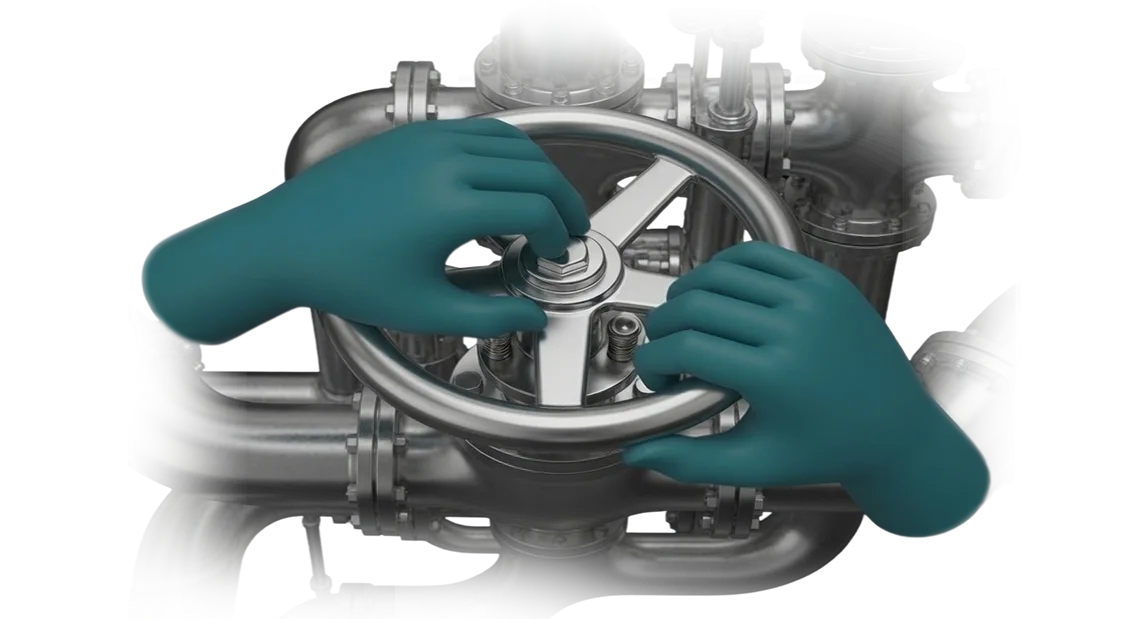
סימולטורים לתחנות כוח גרעיניות: תנאי קריטי לביצוע בטוח של המפעיל
בתחנת כוח גרעינית, מחיר הטעות אינו נמדד בכסף, אלא בבטיחותם של אנשים והסביבה. על המפעיל לפעול בדיוק בכל מצב, כולל כאלה שמעולם לא התרחשו במתקן אמיתי.
אי אפשר ללמוד זאת מהוראות או על גבי דגם — אתה זקוק לסביבה קרובה ככל האפשר למציאות, שבה אתה יכול לטעות ללא השלכות.
סימולטור איכותי לתחנת כוח גרעינית עונה בדיוק על צורך זה: הוא מאפשר לתרגל תרחישי חירום עד שהם הופכים לאוטומטיים. במצב מלחיץ, אדם נזכר לא בתיאוריה, אלא במיומנות שתורגלה.
הסימולטור מספק מיומנות זו על ידי דימוי של תקלות ציוד, אותות חריגים ורצפי פעולות שלא ניתן לשחזר על כור אמיתי.
בנוסף להדרכה, הסימולטור הופך לבסיס להסמכת כוח אדם. המערכת מתעדת כל החלטה של המפעיל, והמדריכים מקבלים תמונה אובייקטיבית של המוכנות.
זה מסיר את הסיכון להערכה מוטה והופך את הליך הבדיקה לשקוף — חשוב הן לתקנות פנימיות והן לגופי רגולציה חיצוניים.
הצוות שלנו מתמחה בפיתוח סימולטורים כאלה: אנו צוללים לתוך התהליכים הטכנולוגיים של הלקוח ומעבירים אותם לסביבה דיגיטלית בטוחה.
המהנדסים שלנו עובדים עם השירותים הטכנולוגיים של התחנה כדי להפוך את מודל התנהגות התחנה למדויק ושימושי להדרכה.
מאחורינו פרויקטים למפעלים תעשייתיים שבהם התוצאה נמדדת לא ב"יופי גרפי", אלא במוכנות של המפעיל לפעול נכון בתנאים קיצוניים.
בסופו של דבר, הלקוח מקבל לא רק סימולטור, אלא כלי לניהול סיכונים: סבירות נמוכה יותר לתקריות, ביטחון גבוה יותר של הצוות, מערכת בקרת ידע שקופה.
זוהי תרומה לפעילות יציבה ובטוחה של המיזם — היום ובטווח הארוך.
מה סימולטורי VR מספקים: בטיחות, חיסכון ושליטה
מפעילי תחנות כוח גרעיניות מקבלים החלטות במחיר גבוה של טעות. הדרכה קלאסית נתקלת במגבלות של מתקן אמיתי: אי אפשר לשחק תאונה ללא השלכות על סימולטור, וכל סשן עולה בזמן השבתה ובלאי ציוד.
סימולטור וירטואלי מסיר את המגבלות הללו — הצוות מתרגל כל תרחיש, כולל מצבים חריגים נדירים, בסביבה דיגיטלית בטוחה.
- בטיחות: תרגול אלגוריתמי חירום ללא סיכון לכור, לצוות ולסביבה.
- חיסכון: הפחתת עלויות עבור ציוד פיזי יקר ונסיעות מדריכים, ניתן לבצע הדרכה בכל סניף.
- בקרת כשירות: המערכת מתעדת כל פעולה של המפעיל, יוצרת הערכה אובייקטיבית של רמת ההכשרה.
- עמידה בתקנים: התוכנית בנויה על בסיס דרישות IAEA להדרכת סימולטור והסמכת כוח אדם.
הנקודה העיקרית: המנהל כבר לא מסתמך על שיפוט סובייקטיבי של מדריכים. לאחר כל סשן, הלקוח מקבל דוח: אילו פעולות בוצעו כהלכה, היכן היו עיכובים, ואילו תרחישים דורשים תרגול חוזר.
זה מאפשר בניית מסלול למידה אישי לכל מפעיל ואישור מוכנות לעבודה לפני ביקורת.
אנו לוקחים על עצמנו פיתוח תרחישים לפי התקנות שלך ואינטגרציה עם מערכת ההדרכה הקיימת. המהנדסים שלנו צוללים לתוך התהליכים הטכנולוגיים שלך כך שהסימולטור משכפל את לוח הבקרה האמיתי בדיוק מספיק להעברת מיומנויות.
פורמטים של סימולטור לתחנת כוח גרעינית למשימות המיזם שלך
בחירת פורמט סימולטור לתחנת כוח גרעינית אינה עניין של "יקר או זול יותר", אלא של התאמה למטרות שלך: הסמכת מפעילים היא דבר אחד, תרגול המוני של מצבים חריגים ללא סיכון לציוד הוא דבר אחר.
סימולטור בהיקף מלא מספק ריאליזם מקסימלי אך דורש שטחים גדולים ותקציב. פתרונות קומפקטיים ו-VR מאפשרים הכשרת פי כמה יותר עובדים בהשקעה נמוכה יותר.
אנו נעזור לך לבחור פורמט המכסה את משימות ההדרכה והבחינה שלך, ולעצב אותו לפי האתר, ההוראות והדרישות הרגולטוריות שלך. להלן השוואה בין שלוש האפשרויות העיקריות.
| פורמט | למי | מה זה נותן ללקוח | התייחסות לתקציב |
|---|---|---|---|
| סימולטור בהיקף מלא | הסמכה ובחינות למפעילים, תרגול תרחישים מורכבים | ריאליזם מקסימלי, התאמה מלאה לחדר הבקרה הראשי, הסמכה רשמית | העלות מחושבת לאחר ביקורת |
| סימולטור קומפקטי (תחנת עבודה) | הדרכה ראשונית, תדריכים, קבוצות עד 5 אנשים | שילוב מהיר בתהליך, עלות נמוכה לשעת הדרכה, ניתן להתקנה בכיתה | העלות מחושבת לאחר ביקורת |
| סימולטור VR | הדרכה המונית, פעולות צוות, תרגול מצבים חריגים | תרגול בטוח בתרחישים שאי אפשר לחזור עליהם בציוד אמיתי, מעורבות גבוהה, הדרכה ללא הפרעה ללוח הזמנים | העלות מחושבת לאחר ביקורת |
בחר פורמט למשימה ספציפית — למשל, בהיקף מלא לבחינות, ו-VR להדרכה שוטפת. אנו גם מיישמים תצורות היברידיות המשלבות מספר פורמטים למערכת הדרכה אחת.
כיצד פועל פיתוח סימולטור: מהבריף ועד ההשקה והתמיכה
תהליך ברור הוא המפתח לתוצאה צפויה. פיתוח סימולטור הוא פרויקט משותף: אתה משתתף בכל שלב ומפקח על עמידה בתקנות שלך, במקום לקבל "קופסה" עם תוכן לא ברור. להלן השלבים העיקריים שאנו עוברים יחד.
-
איסוף דרישות. אנו לומדים את התקנות שלך, תרחישים טיפוסיים, מצבים נורמליים וחריגים. אנו קובעים אילו מיומנויות מפעיל הסימולטור צריך לבנות ולבחון על הציוד שלך.
-
עיצוב ואישור. אנו מכינים קונספט: הרכב מערכות מדומות, סט תרחישים, לוגיקה להערכת פעולות. אנו מתאמים את הפרויקט עם המומחים התעשייתיים שלך ועם דרישות IAEA.
-
פיתוח. אנו יוצרים ממשקים, מודלים דינמיים ותחנת עבודה למדריך. אתה מקבל גרסאות ביניים ויכול לבצע עריכות לאורך הדרך, לא רק לאחר המסירה.
-
בדיקה עם המומחים שלך. מהנדסים ומדריכים מריצים מצבים נורמליים וחירום, משווים התנהגות עם ציוד אמיתי. אנו מתעדים ומתקנים הערות לפני קבלה.
-
השקה והדרכה. אנו מתקינים את הסימולטור, מגדירים אותו לקהל שלך, מוסרים תיעוד ומכשירים מדריכים — ואז הם עובדים באופן עצמאי.
-
תמיכה ואבולוציה. אנו מתחזקים את המערכת, מעדכנים תרחישים לתקנות חדשות, מוסיפים מצבים כאשר ציוד או דרישות משתנים.
המחזור כולו אורך ממספר חודשים — משך הזמן תלוי בהיקף התרחישים ובעומק המודלים. בכל שלב אתה רואה תוצאות ומבין מה אתה מקבל בפלט.
מה כלול במסירה של סימולטור להדרכה ובחינות
אנו מוסרים לא רק תוכנית, אלא פתרון מוכן להדרכה והסמכת מפעילים. כל מה שצריך להשקה, תפעול וניטור ביצועים ארוז בסט אחד — מהתקנה ועד תמיכה שוטפת.
המסירה הסטנדרטית כוללת:
- תוכנת סימולטור מכוונת לתהליכים הטכנולוגיים ולתרחישים הטיפוסיים של המיזם שלך;
- חומרים מתודולוגיים ותרחישי שיעור למדריכים;
- תיעוד לתפעול, תקנות ומדריכים;
- התקנה, קונפיגורציה ואינטגרציה עם סביבת ההדרכה שלך;
- הכשרת המדריכים והמפעילים שלך לשימוש בסימולטור;
- תמיכת אחריות וסיוע טכני לאורך כל חיי השירות;
- עדכוני תרחישים ואפשרות לפיתוח נוסף כדי לעמוד בדרישות חדשות.
גישה זו מסירה שגרה מהצוות שלך: אין צורך למצוא קבלני משנה, לצלול לפרטים או לחכות שהצוות ישלוט במערכת בכוחות עצמו. אתה מקבל כלי עבודה והבנה כיצד להשתמש בו להדרכה ובחינות מהיום הראשון.
תנאים שקופים והיקף עבודה קבוע מאפשרים לך לתכנן את התקציב ללא עלויות נסתרות. ואם אתה צריך להרחיב פונקציונליות או להוסיף תרחישים חדשים — זה יהיה חלק מהתמיכה, לא משימה נפרדת.
מקרה בוחן: כיצד בנינו סימולטור לתעשייה הגרעינית ומה הוא סיפק
הכשרת מפעילי תחנות כוח גרעיניות היא אחד התהליכים האחראיים ביותר בתעשייה. כל טעות בעבודה אמיתית עלולה להוביל להשלכות חמורות, והדרכה מסורתית לוקחת הרבה זמן ולא תמיד מאפשרת תרגול מצבים חריגים נדירים.
הלקוח — חברת בת של התאגיד הממשלתי Rosatom — נזקק לכלי להאצת הכשרת הצוות והגברת האובייקטיביות של הבחינות.
פיתחנו סימולטור וירטואלי קרוב ככל האפשר לתנאי העבודה האמיתיים של המפעיל. בו ניתן לתרגל בבטחה אלגוריתמים סטנדרטיים ותרחישי חירום, לחזור על פעולות מורכבות ללא סיכון לציוד ולאנשים.
גישה זו אפשרה להעביר חלק מההדרכה משיעורים תיאורטיים למפגשים מעשיים ללא גיוס יחידות כוח פעילות.
התוצאות עלו על הציפיות: זמן הכשרת המפעילים ירד בכמעט שליש, וציוני הבחינה הממוצעים עלו ב-40%. בנוסף, מספר הטעויות במשמרות האמיתיות הראשונות ירד — העובדים מגיעים לתחנות העבודה שלהם כבר עם מיומנויות מתורגלות.
מנהלי קו ציינו שהצוות הפך למהיר יותר בקבלת החלטות במצבים לא סטנדרטיים. במקביל, עלויות ארגון התרגילים ירדו, ותפוקת מרכז ההדרכה גדלה ללא הרחבת סגל.
לאחר השקת פיילוט מוצלחת, הלקוח הרחיב את הפרויקט לחטיבות אחרות — המדד הטוב ביותר לאמון.
כיום הסימולטור משמש הן לבדיקות ידע שוטפות והן לאישור מפעילים לעבודה, מה שהופך את תהליך ההערכה לשקוף יותר ובלתי תלוי בגורם אנושי.
כיצד לבחור את פורמט הסימולטור הנכון לתקציב ולמשימות שלך?
כאשר עולה שאלת יישום סימולטור, הטעות המרכזית היא להתחיל מהתקציב.
למעשה, הפורמט צריך להיקבע לפי משימות: כמה אנשים צריך להכשיר בו-זמנית, באיזו תדירות מתרחשים סשנים של הדרכה, ועד כמה קריטי סימולציה מלאה של תחנת העבודה של המפעיל. שלושת הפרמטרים הללו משפיעים הן על העלות והן על ציר הזמן של ההשקה.
לקבוצות קטנות של עד חמישה אנשים ותרגול שוטף של אלגוריתמים סטנדרטיים, מספיק תרחיש קומפקטי הממוקד בתהליך טכנולוגי ספציפי. אפשרות זו מיושמת מהר יותר ומשתלמת באמצעות שימוש תכוף.
אם אתה מכין משמרת שלמה או עורך הסמכה, תצטרך פורמט עם השתתפות בו-זמנית של מספר מפעילים וחלוקת תפקידים — זו רמת פירוט אחרת.
קריטריון נפרד הוא עומק הטבילה. כאשר אתה צריך לתרגל פעולות במצב חריג, מה שחשוב הוא לא רק תמונה אלא התאמה מלאה למכשירים וללוגיקה של לוח הבקרה.
במקרה זה, נבחר סימולציה מלאה של תחנת העבודה עם פיתוח מפורט של כל פקדי השליטה. להכרות והדרכה ראשונית, מספיק מודל מפושט שבו המפעיל לומד את רצף הפעולות ללא פירוט יתר.
התקציב אז מתגבש בצורה הגיונית: אתה משלם עבור רמת הריאליזם שבאמת משפיעה על המהירות והאיכות של ההדרכה. המהנדסים שלנו תמיד מציעים גישה הדרגתית — התחל עם תרחיש בסיסי כדי להשיק הדרכה, והרחב את המערכת ככל שמתעוררות משימות חדשות.
זה מאפשר לך לא לשלם יותר מדי בהתחלה ולהשקיע בדיוק במה שמניב תוצאות מדידות.
עדיף לקבל את ההחלטה הסופית לאחר ביקורת של תוכנית ההדרכה הנוכחית. אנו עוזרים לקבוע את הפורמט האופטימלי לקבוצה ולתדירות ההדרכה שלך, כך שהסימולטור יעבוד ככלי, לא כצעצוע יקר.
השאר בקשה לייעוץ — נבחן את המצב שלך ונחשב את כלכלת היישום ביום הראשון של הדיון.
שאלות נפוצות על יישום סימולטורים: התייחסות לחששות
לפני יישום סימולטור להכשרת מפעילי תחנות כוח גרעיניות, מנהלים שואלים את אותן שאלות: האם הייצור ייעצר, האם קשה לשלב את הפתרון בתהליכים הנוכחיים, האם זה יעבוד עם מערכות קיימות, ומי אחראי אם משהו משתבש. בואו נבחן את הפחדים הנפוצים ביותר — ונראה כיצד אנו מסירים סיכונים עוד לפני ההשקה.
מה אם הציוד יתקלקל ברגע הקריטי ביותר?
אנו מגדירים סימולטורים על ציוד מקצועי וכוללים יתירות לרכיבים מרכזיים — אם יחידה אחת נכשלת, המערכת עוברת אוטומטית לגיבוי. החוזה כולל תמיכה טכנית עם תגובה מהירה, כך שהשבתה לא משפיעה על לוח הזמנים של ההדרכה.
עד כמה קשה לשלב את הסימולטור במערכת ההדרכה הקיימת?
הסימולטור עובד כמודול נפרד ואינו דורש ארגון מחדש של תהליכים נוכחיים. יחד עם המומחים שלך, אנו מזהים נקודות אינטגרציה, מעבירים נתוני ביצועים למערכת המעקב שלך ומספקים הוראות לצוות. רוב העבודה נעשית מרחוק, כך שההפרעה לפעילות המיזם היא מינימלית.
האם הסימולטור יעבוד עם הציוד שלנו אם הוא לא הכי חדש?
אנו מכוונים מלכתחילה לתנאי המיזם האמיתיים: אנו מדמים בדיוק את התרחישים המתרחשים באתר שלך. לכן, הסימולטור תואם לתקנות הקיימות ולתחנות עבודה טיפוסיות במקום לדרוש רכישת ציוד חדש.
כל הסיכונים מתועדים בחוזה: לוחות זמנים ליישום, נהלי עדכון, תנאי שירות אחריות. אנו אחראים לתוצאה — לכך שמפעילים מוכנים למשמרות אמיתיות ולכך שאתה רואה עלייה מדידה בבטיחות וביעילות.קבל הערכת עלות לפיתוח סימולטור למיזם שלך
קביעת תקציב לפיתוח סימולטור תעשייתי קשה ללא הבנה של מספר המפעילים, תרחישי ההדרכה ודרישות ההסמכה.
אנו מסירים את אי-הוודאות: לאחר בקשה קצרה, אתה מקבל הערכה שקופה ותוכנית פעולה, לא "טווח" של מיליונים.
המהנדסים שלנו מנתחים את המשימה שלך, מציעים פורמט סימולטור מתאים ומראים כיצד הוא ישתלב במחזור הכשרת כוח האדם הקיים שלך. אין התחייבויות בשלב זה — רק מומחיות ומספרים שעל בסיסם ניתן לקבל החלטות.
מה אתה מקבל לאחר הבקשה שלך:
- ניתוח המשימה ויעדי ההדרכה שלך: כמה עובדים צריך להכשיר, אילו מיומנויות לתרגל, אילו תרחישי בחינה לכסות.
- הערכת עלות פיתוח במספר אפשרויות — מבסיסית ועד מורחבת, עם פירוט לפי שלבי עבודה.
- המלצות על פורמט הסימולטור: גרסת מחשב, תא מלא או פתרון משולב — בהתבסס על המשימות והתקציב שלך.
- הדגמת יכולות באמצעות דוגמאות של פרויקטים דומים למפעלים תעשייתיים.
- הצעה מסחרית עם תקציב קבוע, לוחות זמנים והיקף עבודה.
- תוכנית יישום ראשונית ולוח זמנים להשקה כדי שתבין מתי הסימולטור יתחיל לספק ערך.
השאר בקשה לייעוץ — ניצור איתך קשר תוך יום עסקים, נבהיר פרטים ונכין מספרים ראשוניים. זה לא מחייב.