

לעתים קרובות אנו רואים מצבים שבהם תגובות ב-App Store וב-Google Play נותרות ללא מענה במשך שבועות. זה לא רק אובדן נאמנות — אלגוריתמי החנויות מתייחסים ישירות לזמן התגובה כאות לאיכות התמיכה. תגובה ללא מענה ממירה גרוע יותר אפילו מתגובה שלילית שטופלה במהירות. צוות המהנדסים הניידים שלנו, עם ניסיון של למעלה מ-5 שנים ו-40+ פרויקטים מוצלחים, פרס תשובות אוטומטיות מבוססות AI לתגובות אפליקציות, והעלה את שיעור התגובה מ-20% ל-95% תוך שבועיים בלבד. משתמשים מצפים לתשובות תוך שעות, לא ימים. לפי מחקרים, אפליקציות עם שיעור תגובה מתחת ל-50% מאבדות עד 30% מהנראות בחיפוש בחנויות. תגובות ידניות עולות בערך $1 כל אחת בעבודה, בעוד שתגובות AI עולות פחות מ-$0.001. עבור אפליקציה המקבלת 1000 תגובות בחודש, זה מתרגם לחיסכון חודשי של $999 או למעלה מ-$11,000 בשנה.
תשובות אוטומטיות מבוססות AI לתגובות: ארכיטקטורה ויישום
זו לא החלפת שם פשוטה בתבנית. המערכת חייבת: לזהות סנטימנט, לזהות את הנושא הספציפי (באג, תכונה, UX), ליצור טקסט בשפת התגובה, לעבור מידרציה, ולהימנע מהפרת מדיניות החנויות. האתגר הטכני העיקרי הוא מניעת כפילויות. App Store דוחה תגובות חוזרות לעתים קרובות; Google Play מסמן אותן כספאם של תגובות מפתחים.
ארכיטקטורה: מ-API לפרסום
איסוף וסיווג מיושמים באמצעות App Store Connect API (GET /v1/customerReviews) ו-Google Play Developer API (reviews.list). סקירה בתזמון או באמצעות webhook (Play תומך ב-pub/sub דרך Cloud Pub/Sub). כל תגובה מסווגת:
- סנטימנט: חיובי, שלילי, ניטרלי, מעורב
- נושא: דיווח באג, בקשת תכונה, ביצועים, ux/ui, מחמאה
- שפה: ISO 639-1 באמצעות langdetect
def classify_review(text: str) -> ReviewMeta:
    lang = langdetect.detect(text)
    sentiment = sentiment_pipeline(text)[0]
    topic = topic_classifier(
        text,
        candidate_labels=["bug", "feature", "performance", "ui", "compliment"],
        hypothesis_template="This review is about {}"
    )
    return ReviewMeta(
        language=lang,
        sentiment=sentiment["label"],
        topic=topic["labels"][0],
        topic_confidence=topic["scores"][0]
    )
יצירה באמצעות LLM משתמשת במטא-דאטה + טקסט התגובה. GPT-4o-mini או Claude Haiku — עלות < $0.001 לתגובה. הנחיית המערכת המרכזית:
You are a mobile app support specialist responding to app store reviews. Rules:
- Match the language of the review exactly
- For bug reports: acknowledge, mention it's logged, don't promise fixes
- For positive reviews: thank specifically for what they liked, avoid "We're glad you enjoy our app"
- Max 150 words
- Never mention competitors
- Never offer refunds or discounts
- Vary sentence structure — never use same opening phrase twice
הפרמטר def classify_review(text: str) -> ReviewMeta: lang = langdetect.detect(text) sentiment = sentiment_pipeline(text)[0] topic = topic_classifier(text, candidate_labels=["bug", "feature", "performance", "ui", "compliment"], hypothesis_template="This review is about {}" ) return ReviewMeta( language=lang, sentiment=sentiment["label"], topic=topic["labels"][0], topic_confidence=topic["scores"][0] ) נותן שונות. עבור דיווחי באג שליליים — You are a mobile app support specialist responding to app store reviews. Rules: - Match the language of the review exactly - For bug reports: acknowledge, mention it's logged, don't promise fixes - For positive reviews: thank specifically for what they liked, avoid "We're glad you enjoy our app" - Max 150 words - Never mention competitors - Never offer refunds or discounts - Vary sentence structure — never use same opening phrase twice לדיוק. דוגמה לתגובה שנוצרה לתגובה חיובית: "תודה על המילים החמות! אנו שמחים שאתם אוהבים את המצב הכהה. עוד שיפורים בדרך בקרוב."
מדוע תגובות תבניתיות מסוכנות לדירוג?
השוואה: תגובה ידנית — 3–5 דקות, יצירת AI — 0.5 שניות. תשובות אוטומטיות מבוססות AI מעבדות תגובות פי 400 מהר יותר מעבודה ידנית. אבל המפתח הוא איכות. AI מנתח הקשר, בוחר טון מתאים, ונמנע מסיכונים משפטיים (למשל, הבטחת תיקון שאולי לא יגיע). אנו מבטיחים שכל תגובה עוברת בדיקות מדיניות חנות.
כיצד AI עוקף מגבלות חנות?
לצורך ייחודיות התגובה, אנו משתמשים לא רק בשונות של LLM אלא גם מכניסים ביטוי ספציפי מהתגובה לטקסט. זה מפחית את סיכון החסימה לאפס. בהשוואה לתבניות, תשובות אוטומטיות מבוססות AI נותנות התאמה אישית ברמה של עבודה ידנית.
| קריטריון | תגובה ידנית | תגובה תבניתית | תשובה אוטומטית מבוססת AI |
|---|---|---|---|
| זמן לתגובה | 3–5 דקות | 1 דקה (העתקה) | 0.5 שניות |
| התאמה אישית | גבוהה | אין | גבוהה |
| סיכון חסימה | נמוך | גבוה (ספאם) | נמוך |
| מדרגיות | 10–20/יום | 50/יום | ללא הגבלה |
| עלות לתגובה (הערכה) | $1 | $0.50 (לא יעיל) | <$0.001 |
השוואת LLM ליצירה
| מודל | איכות | עלות לתגובה | מהירות |
|---|---|---|---|
| GPT-4o-mini | גבוהה | ~$0.0005 | ~0.3 שניות |
| Claude Haiku | גבוהה | ~$0.0008 | ~0.5 שניות |
| Llama 3 (8B) on-prem | בינונית | ~$0.001 (תשתית) | ~1 שנייה |
לוח מחוונים נייד לניהול
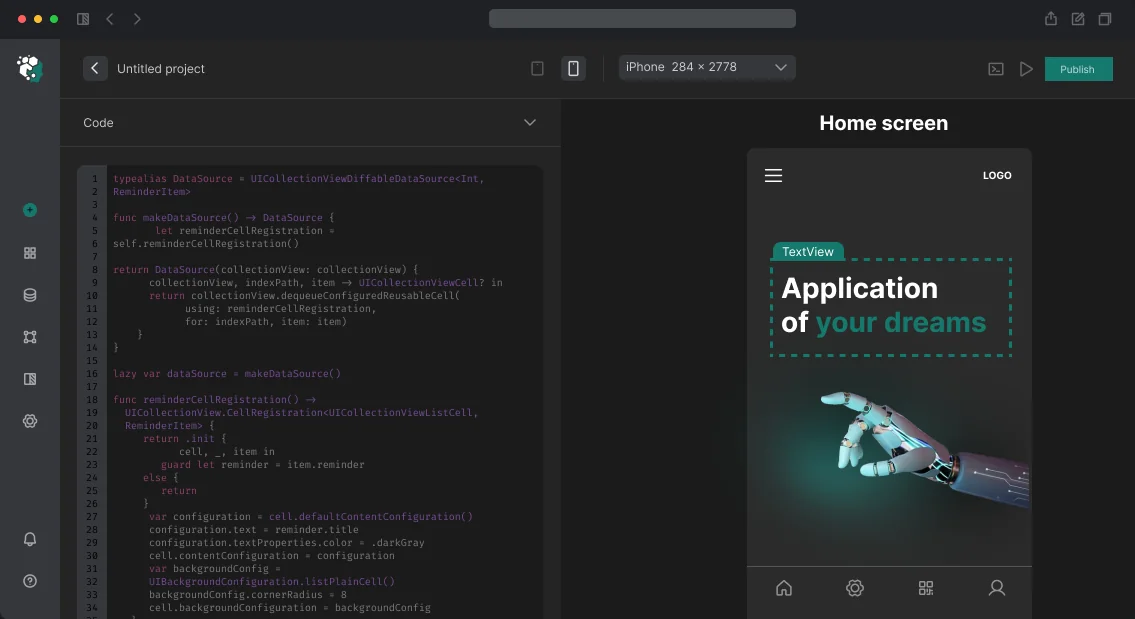
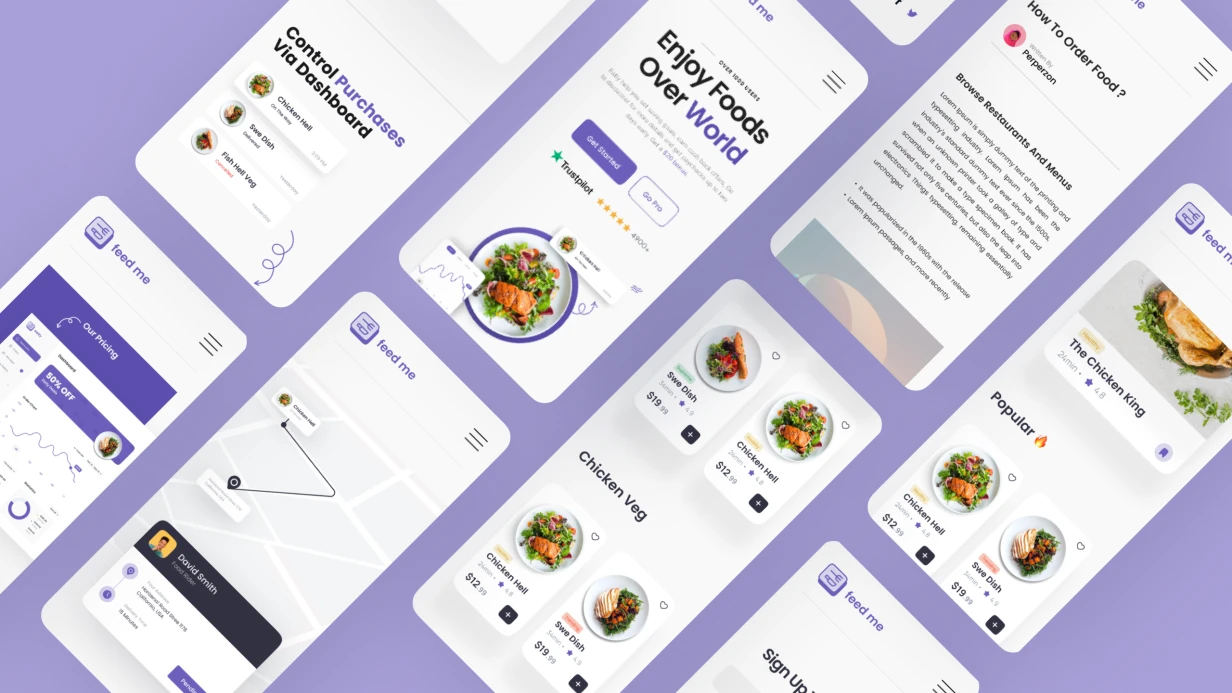
מוטמע באפליקציית הצוות: רשימת תגובות עם תשובות מוצעות, כפתורים "אשר", "ערוך", "דלג". סטטיסטיקות של שיעור תגובה לפי פלטפורמה.
struct ReviewResponseView: View {
    let review: AppReview
    @State private var generatedResponse: String
    @State private var isEditing = false

    var body: some View {
        VStack(alignment: .leading, spacing: 12) {
            ReviewCard(review: review)

            Text("Предложенный ответ")
                .font(.caption)
                .foregroundColor(.secondary)

            if isEditing {
                TextEditor(text: $generatedResponse)
                    .frame(minHeight: 100)
            } else {
                Text(generatedResponse)
            }

            HStack {
                Button("Редактировать") {
                    isEditing.toggle()
                }
                Spacer()
                Button("Опубликовать") {
                    publishResponse(generatedResponse)
                }
                .buttonStyle(.borderedProminent)
            }
        }
    }
}
פרסום אוטומטי: עבור תגובות חיוביות עם ביטחון > 0.9 — ישירות דרך App Store Connect API temperature: 0.7 ו-Play Developer API temperature: 0.3. השאר עוברות לתור אישור ידני.
מה כלול
- אינטגרציית API של חנויות (App Store Connect + Google Play)
- צינור סיווג וכיוונון הנחיות LLM לטון המותג
- לוח מחוונים נייד עם תצוגה מקדימה, עריכה ופרסום
- בדיקות על 200–300 תגובות אמיתיות, כיוונון ספי אישור אוטומטי
- תיעוד תחזוקה
תהליך היישום
- אנליטיקה: ניתוח תגובות קיימות, זיהוי סנטימנט ונושאים
- עיצוב: ארכיטקטורת שירות, בחירת LLM, עיצוב לוח מחוונים
- יישום: backend של סיווג ויצירה, ממשק נייד
- בדיקות: בדיקת A/B על נתונים היסטוריים, בדיקות מידרציה
- השקה: מעבר לייצור, ניטור תגובות שנדחו
הערכות זמנים
שירות backend: 5–7 ימים. לוח מחוונים נייד + אינטגרציה: 5–7 ימים. סה"כ MVP תוך שבועיים. התמחור נקבע באופן אישי לאחר הערכת נפח התגובות והאינטגרציות הרצויות ל-API. קבלו ייעוץ על יישום תשובות אוטומטיות מבוססות AI לאפליקציה שלכם — צרו קשר כדי לדון במקרה שלכם.