

התרחיש היקר ביותר בפיתוח אתרים הוא כאשר העיצוב כבר מקודד, רכיבי Bitrix כבר מחוברים, ולפתע מתברר שהקטלוג אינו תומך בקינון תלת-רמתי, שהפילטר עובד עם בלוק מידע אחד בלבד, ושהסל אינו מטפל במספר יחידות מידה.
תיקונים יקרים, ולוחות הזמנים נדחקים. פתרנו בעיה זו עבור עשרות לקוחות: אב-טיפוס לפני העיצוב מזהה סיכונים מראש וחוסך תקציב וזמן. החיסכון הממוצע בפרויקטים משמעותי, והמקרים שלנו מאשרים זאת.
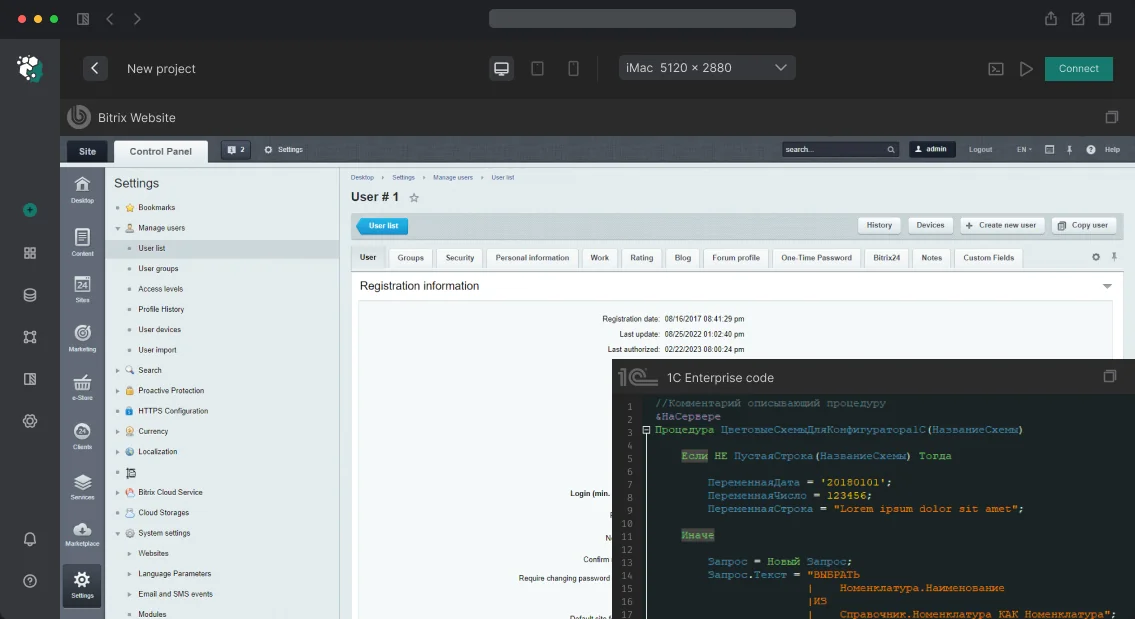
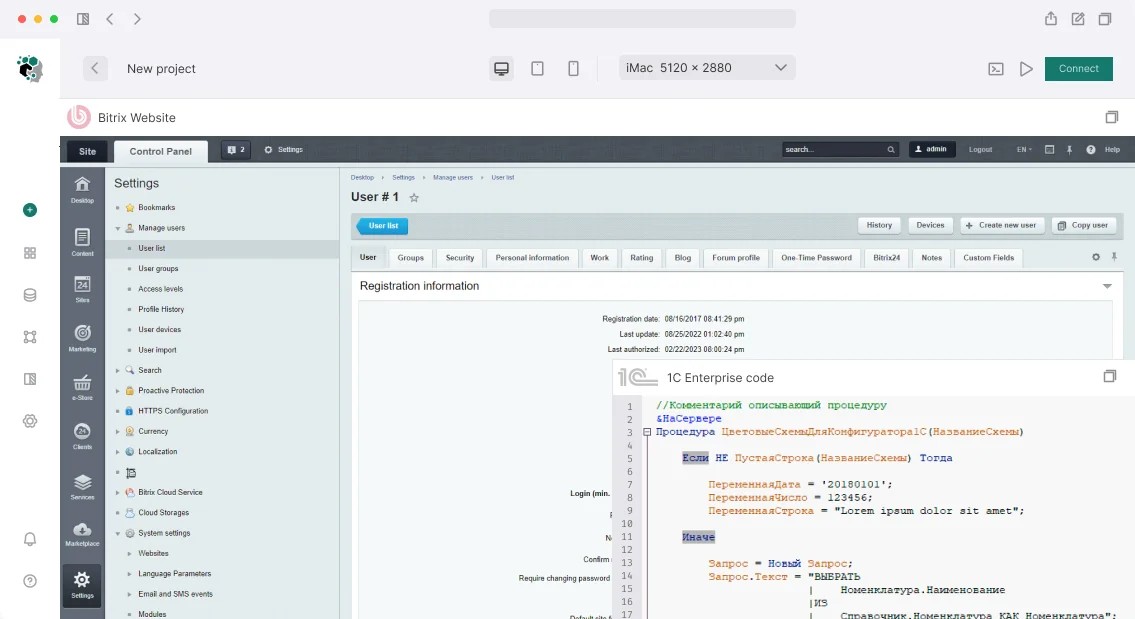
אב-טיפוס עבור 1C-Bitrix שונה מאב-טיפוס UI רגיל: הוא מתחשב במאפיינים הספציפיים של הפלטפורמה — אילו תרחישים מיושמים על ידי רכיבים סטנדרטיים (bitrix:catalog, bitrix:breadcrumb) ואילו דורשים פיתוח מותאם אישית.
ללא אב-טיפוס, הצוות משקיע 30% יותר זמן באישורים, ותיקונים חוזרים בשלב הקידוד עולים פי 2–3 יותר. אב-טיפוס לפני העיצוב מפחית את עלויות התיקונים החוזרים פי 3 בהשוואה לגישה המסורתית.
למה אב-טיפוס ממשק עבור 1C-Bitrix?
טעות אופיינית היא לתכנן עבור הפילטר החכם הסטנדרטי מבלי לבדוק תלויות בין פרמטרים. באחד המקרים שלנו (חנות מקוונת למסננים תעשייתיים), הלקוח תכנן bitrix:catalog.smart.filter, אך לאחר יצירת אב-טיפוס התברר שנדרשת בחירה תלויה — סוג הפילטר מצמצם את ערכי המידה הסטנדרטיים. הרכיב הסטנדרטי אינו יכול לעשות זאת.
אב-הטיפוס עזר לקבל את ההחלטה: או חוויית משתמש גרועה יותר, או רכיב Vue.js מעל ה-API של Bitrix. הלקוח בחר במודע באפשרות השנייה וחסך שבועיים של עבודה מחדש.
טעויות אופייניות ללא אב-טיפוס
| טעות | השלכות | כיצד למנוע |
|---|---|---|
| קינון מקטעי קטלוג לא נלקח בחשבון | פספוס דדליין, פיתוח מותאם אישית | לבדוק את היררכיית בלוקי המידע על אב-הטיפוס |
| הפילטר אינו תומך בפרמטרים תלויים | 3–5 ימי פיתוח נוספים | להגדיר לוגיקת תלות על אב-הטיפוס |
| הסל אינו מטפל במספר יחידות מידה | עבודה מחדש של 2–4 ימים | ליצור אב-טיפוס לתרחיש "מוצר אחד — יחידות מידה שונות" |
דוגמה מהפרקטיקה: פילטר תלוי
בפרויקט חנות מקוונת למסננים, זיהינו על אב-הטיפוס ש-bitrix:catalog.smart.filter הסטנדרטי אינו תומך בפרמטרים תלויים. הפתרון היה פיתוח רכיב Vue.js מותאם אישית עם בקשות ל-API של Bitrix. זה הוסיף 5 ימים לאומדן, אך חסך שבועיים בשלב הפריסה.
כיצד אב-טיפוס עוזר להימנע מעבודה חוזרת?
Bitrix היא פלטפורמה עם אילוצים ארכיטקטוניים חזקים. הקומפוננטה המורכבת bitrix:catalog מממשת קטלוג בדרך מוגדרת בהחלט: היררכיית מדורים → רשימת אלמנטים → עמוד מפורט.
אפשר לסטות מההיגיון הזה, אבל זו פיתוח מותאם אישית עם העלות המתאימה. אב-הטיפוס מקבע אילו תבניות ממשק מיושמות על ידי קומפוננטות Bitrix סטנדרטיות ואילו דורשות פיתוח מותאם אישית. זה משפיע על האומדן ולוח הזמנים. לפי הנתונים שלנו, אב-טיפוס משפר את דיוק האומדן ב-25%.
ההיבט השני הוא אזורי ממשק תלויים ב-CMS. פירורי לחם נוצרים על ידי bitrix:breadcrumb. עימוד — bitrix:main.pagenavigation. טופס משוב — bitrix:main.feedback או bitrix:form.result.new.
אב-הטיפוס משקף היכן קומפוננטות אלו נמצאות בפריסה, אילו נתונים הן מציגות וכיצד נראים המצבים שלהן. זה חוסך עד 40% מזמן הפריסה, מכיוון שהמעצב לא מצייר אלמנטים שאינם ניתנים למימוש.
למה צריך ליצור אב טיפוס לפני העיצוב?
אב טיפוס לחנות איקומרס סטנדרטית על Bitrix (7–10 סוגי עמודים, גרסת מובייל) לוקח 10–18 ימי עסקים. פרויקטים מורכבים עם תרחישים לא סטנדרטיים (בורר מוצרים, קונפיגורטור, חשבון אישי עם יכולות מתקדמות) לוקחים 20–35 ימים.
אנחנו חברה עם למעלה מ-5 שנות ניסיון ו-50+ פרויקטים על Bitrix. הזמינו אב טיפוס — וקבלו אומדן שקוף והבטחה שהעיצוב לא יסתור את ארכיטקטורת הפלטפורמה.
צרו קשר לקבלת הערכה מקדימה של הפרויקט — ננתח את התרחישים ונציע את רמת הפירוט האופטימלית.
לפי מחקר של IBM, יצירת אב טיפוס מפחיתה את מספר השינויים בשלב הפיתוח ב-30%. קראו עוד על אב טיפוס במשאבי UX ייעודיים.
רמות פירוט של אב טיפוס
| סוג | מטרה | מתי להשתמש |
|---|---|---|
| Wireframe | סידור סכמטי של בלוקים, מבנה העמוד, סימון רכיבים | עבור כל פרויקט — בסיס לדיון |
| אב טיפוס אינטראקטיבי | מעברים לחיצים, מצבים מדומים (סל ריק, שגיאות בטופס) | תרחישים מורכבים, אישור UX עם הלקוח |
| אב טיפוס פונקציונלי (HTML) | נתונים אמיתיים מ-Bitrix, אימות אינטגרציה של רכיבים | פרויקטים עם לוגיקה לא סטנדרטית (קונפיגורטורים, בוררים) |
תהליך פיתוח אב טיפוס
- ניתוח תרחישים. עבור כל סוג עמוד, אנו מגדירים תרחישי משתמש. עמוד הבית — 2–3 תרחישים, קטלוג — 5–8: עיון במדורים, סינון, חיפוש, הוספה לסל, השוואה.
- מלאי תבניות. סט Bitrix טיפוסי: עמוד הבית, מדור קטלוג, עמוד פרטי מוצר, תוצאות חיפוש, סל, תשלום, עמוד סטטי, חשבון אישי.
- סימון רכיבים. על גבי ה-wireframe, אנו מציינים ישירות איזה רכיב Bitrix מספק בלוק נתון ואילו פרמטרים הוא צריך.
- מצבי ממשק. מצב ריק, טעינה, שגיאה, הצלחה — עבור כל רכיב אינטראקטיבי.
- גרסת מובייל. אב טיפוס נפרד עבור נקודות שבירה במובייל: סינון (פאנל נשלף או עמוד?), ניווט בקטלוג, טופס תשלום.
מה כלול בעבודה
- Wireframes ו/או אב-טיפוס אינטראקטיבי ב-Figma
- סימון רכיבים עם פרמטרים של Bitrix מוגדרים
- תרחישים לכל מצבי הממשק
- גרסת מובייל
- הערות למעצב ולמפתח
- הדרכת צוות הלקוח לעבודה עם אב-הטיפוס (שעה אחת)
קבלו ייעוץ
רוצים הערכה שקופה ללא סיכונים נסתרים? צרו קשר לקבלת הערכה ראשונית של הפרויקט שלכם. ננתח את התרחישים ונציע את רמת הפירוט האופטימלית לאב הטיפוס.