


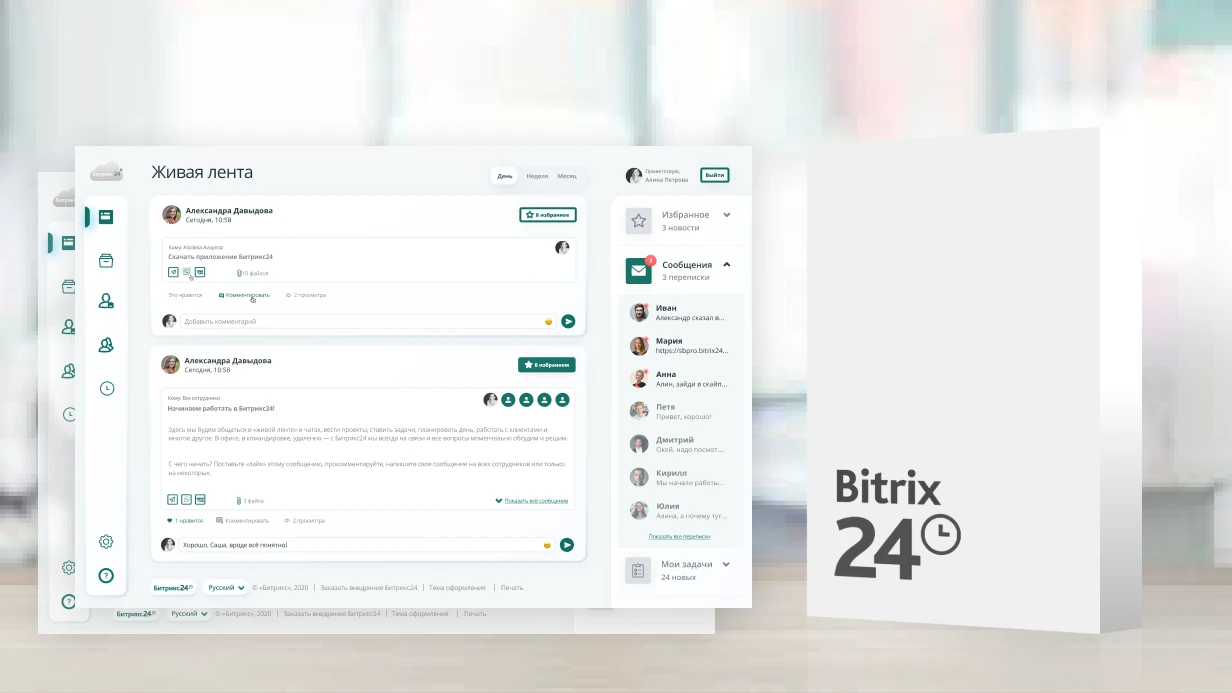
הגדרת Bitrix24 Wiki לניהול מסמכים ארגוניים
עובד מבלה 30–40 דקות בחיפוש אחר התקנון העדכני: תחילה בתיקייה הארגונית, אחר כך באימיילים ישנים, ולבסוף בצ'אט. שבוע לאחר מכן המסמך מתיישן, והחיפוש מתחיל מחדש. לפי המדידות שלנו, בחברות עם 100+ עובדים חיפושים כאלה מבזבזים עד 70 שעות בחודש. זהו זמן השבתה של מחלקה שלמה אחת לשבועיים. הטמעת Bitrix24 Wiki פותרת בעיה זו: מקור אמת יחיד שבו לכל עמוד יש גרסה, מחבר והפניות צולבות. אנו מגדירים את המודול כך שמציאת מידע אורכת שניות, לא דקות. בתעריף שעתי ממוצע של $30 לעובד מפתח, חיסכון של 70 שעות בחודש שווה $2100 בחודש. הגדרת ה-Wiki שלנו עולה בדרך כלל $2500–$4000, כך שההשקעה מוחזרת תוך 1–2 חודשים. כתוצאה מכך, עובד מקבל גישה למסמך הנדרש תוך 10–15 שניות, ומהירות הכנסת התקנות החדשות עולה ב-40%.מקור: ניתוח פנימי המבוסס על 80 הטמעות
כיצד לתכנן את מבנה ה-Wiki למחלקות
לפני יצירת עמודים, אנו מתכננים את המבנה. היררכיה טיפוסית כוללת עמוד אינדקס ראשי ומדורים לפי מחלקה: מכירות (תקנות, סקריפטים), תמיכה טכנית (אלגוריתמים, שאלות נפוצות), משאבי אנוש (קליטה, חופשות), פיתוח (תקני קוד, פריסה), ומסמכים כלליים (פרטי חברה, מבנה ארגוני). כל מדור הוא עמוד נפרד עם תת-עמודים המקושרים בהפניות צולבות. אנו מתחשבים בכך שהעובד הממוצע גולש ב-3–4 רמות עומק — יותר מכך הופך ללא נוח.
דוגמה למבנה מדורים לחברה טיפוסית
- עמוד ראשי: אינדקס, כללי שימוש ב-Wiki
- מחלקת מכירות: סקריפטים לשיחות, תקנות, חוזים
- תמיכה טכנית: אלגוריתמים L1/L2, שאלות נפוצות ללקוחות
- משאבי אנוש: קליטה, מדיניות, חופשות, מחלת
- פיתוח: תקני קוד, הוראות פריסה, מאגר ידע API
- מסמכים כלליים: פרטי חברה, מבנה ארגוני, מדיניות אבטחה
מה כלול בעבודה
- ביקורת על התיעוד הנוכחי והמקורות (Confluence, Notion, Google Docs, אחסון קבצים). אנו מעריכים את ההיקף — מ-50 עד 500+ עמודים.
- תכנון היררכיית המדורים בהתאמה למבנה החברה.
- יצירת תבניות עמוד: הוראות, תקנות, תיאורי תהליכים — פורמט אחיד לכל המחלקות.
- הגדרת הרשאות גישה: קריאה לכולם, עריכה לאחראים, יצירה לתפקידים נבחרים.
- כתיבת עמוד האינדקס והגדרת ניווט (תגיות, הפניות צולבות).
- העברת תוכן ממערכות חיצוניות באמצעות REST API או העברה ידנית.
- בדיקת חיפוש ותיקון קישורים שבורים.
- הכשרת עורכים: כיצד ליצור, לערוך ולקשר עמודים.
מדוע Wiki מהיר יותר משירותים חיצוניים
Confluence, Notion ו-Google Docs הם כלים מצוינים, אך הם דורשים התחברות נפרדת, אינם משתלבים עם CRM ומשימות, והחיפוש שלהם אינו מתועד ב-Bitrix24. Wiki מבית Bitrix24 פועל בתוך הפורטל: עובד מחפש ישירות מחיפוש Bitrix24, וניתן להכניס קישורים לעמודים במשימות, תגובות ואימיילים. לפי המדידות שלנו, זמן חיפוש המידע מצטמצם פי 3–5, ובחברות עם 200+ עובדים, חיסכון הזמן מגיע עד 70 שעות בחודש. חיסכון זה מכסה את ההשקעה תוך 3–4 חודשים — מאושר על ידי נתונים מ-80 הטמעות. עבור צוות של 10 עובדי מפתח, החיסכון החודשי הוא כ-$4000, ועלות ההגדרה של $2000 מוחזרת תוך פחות משני חודשים.
כיצד לשלב את Wiki עם משימות?
ניתן לצרף עמוד Wiki למשימה באמצעות מאקרו {{=url}} בתיאור, קישור בתגובה, או תהליך עסקי שיוצר עמוד אוטומטית כאשר משימה נסגרת. לדוגמה, בעת סגירת המשימה "פיתוח תקנת תמיכה טכנית," Bizproc יוצר עמוד Wiki חדש עם תבנית מלאה והרשאות גישה. אינטגרציה באמצעות REST API מאפשרת סנכרון מדורי Wiki עם קטלוגי CRM או מבנים ארגוניים.
השוואה: Wiki מול מאגר ידע
| קריטריון | Wiki | מאגר ידע |
|---|---|---|
| מבנה | חופשי, הפניות צולבות | היררכי, קטגוריות |
| גרסאות | היסטוריית שינויים מלאה | קיים, אך פחות מפורט |
| מתי להשתמש | תקנות מתעדכנות תדיר, הפניות | מאמרים סטטיים, מדיניות |
| אינטגרציה עם משימות | קישורים ישירים לעמודים | קישורים באמצעות מאקרו |
| הרשאות גישה | לפי מדורים, שלוש רמות | לפי קטגוריות, שתי רמות |
השוואה: Wiki מול Google Docs
| קריטריון | Wiki | Google Docs |
|---|---|---|
| חיפוש בפורטל | משולב עם חיפוש Bitrix24 | התחברות נפרדת |
| הרשאות גישה | לפי תפקידי Bitrix24 | לפי קישור |
| גרסאות | כן, עם מחבר | היסטוריית שינויים |
| קישור למשימות | קישורים מובנים | רק באמצעות קישורים חיצוניים |
| אוטומציה | REST API, Bizproc | Google Apps Script בלבד |
טעויות נפוצות בהגדרה עצמית
- יצירת מאות עמודים מיד ללא מבנה — החיפוש אינו מתעד עומק, עובדים הולכים לאיבוד.
- הרשאות לא מוגדרות — כל אחד יכול למחוק תקנה של אחר.
- אין תבניות — כל מחלקה מעצבת אחרת, העקביות אובדת.
- העברה ללא בדיקת קישורים — תמונות שבורות וקישורים לעמודים לא קיימים.
לאחר ביקורת על 50 פרויקטים, מצאנו ש-70% מהבעיות נפתרות על ידי מבנה מדורים נכון.
תהליך ההגדרה: משלב לתוצאה
- ניתוח — לימוד מסמכים נוכחיים, ראיונות עם עובדי מפתח, זיהוי נקודות כאב.
- עיצוב — ציור מפת מדורים, אישור תבניות והרשאות גישה.
- הטמעה — יצירת עמודים, העברת תוכן, הגדרת חיפוש וניווט.
- בדיקות — אימות שכל הקישורים עובדים, החיפוש מחזיר תוצאות רלוונטיות, הרשאות הגישה תואמות למדיניות.
- פריסה והכשרה — עריכת סמינר מקוון לעורכים, מסירת הוראות לעדכון עמודים.
מה תקבלו לאחר ההגדרה שלנו
- מבנה Wiki מוכן עם תבניות והרשאות גישה.
- מסמכים שהועברו מ-Confluence, Notion או Google Docs.
- הוראות לעורכים ותמיכת ייעוץ למשך חודש.
צרו קשר כדי לקבל מפת דרכים. הניסיון שלנו: 7+ שנים בהטמעת Bitrix24, יותר מ-80 פרויקטים בהגדרת מערכות פנימיות. אנו מבטיחים שלאחר ההגדרה, עובדים יפסיקו לחפש מסמכים בשלושה מקומות. חיסכון בזמן העובדים מכסה את ההשקעה תוך 3–4 חודשים, ועלות זמן ההשבתה של עובדי מפתח יכולה להגיע לכ-$9–13 בחיסכון לשעה. קבלו ייעוץ — נספר לכם כיצד להתאים את Wiki לתהליכים העסקיים שלכם.