

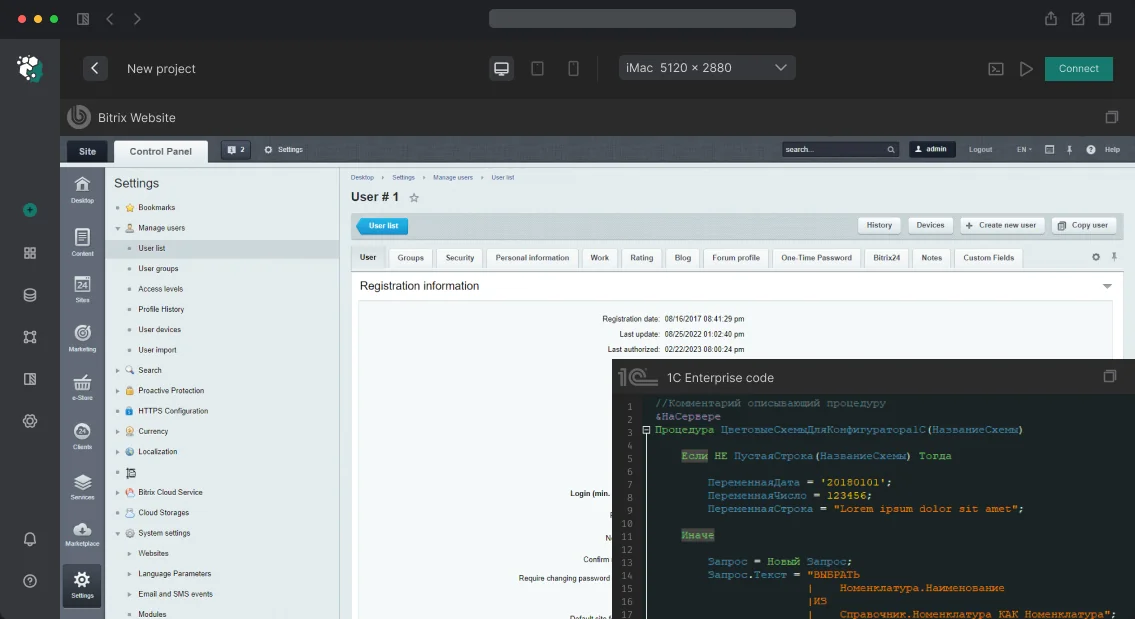
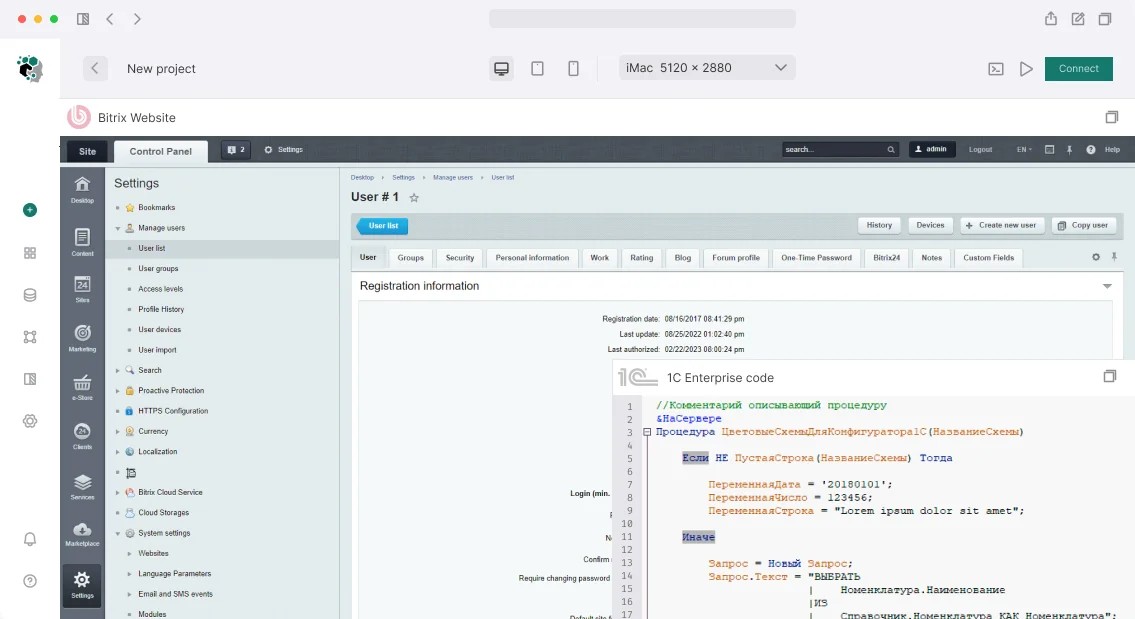
נניח שבחנות המקוונת שלך יש 10,000 מוצרים. מילוי ידני של title ו-description עבור כל אחד מהם ייקח שבועות, ותגיות מטא ריקות פוגעות באינדוקס. אנחנו פותרים זאת על ידי הגדרת יצירה אוטומטית של תגיות SEO ב-1C-Bitrix. התוצאה: כותרות ותיאורים ייחודיים לכל עמוד ללא מעורבות של מנהל תוכן. יתרה מכך, תגיות מטא תקינות מעלות את ה-CTR ב-20–30% בתוצאות החיפוש, מה שמשפיע ישירות על התנועה. הניסיון שלנו מראה שאוטומציה מחזירה את ההשקעה תוך שבועיים עבור קטלוגים מ-5,000 פריטים.
אילו בעיות פותרת יצירה אוטומטית של תגיות SEO?
כפילות של title ו-h1 היא טעות נפוצה: <title> ו-<h1> תואמים, מה שמפחית את שיעור הקליקים. הפרקטיקה הנכונה היא שהם צריכים להיות שונים, ואנחנו מיישמים זאת.
חוסר דינמיות – תבניות סטנדרטיות לא מחליפות מחיר, מק"ט או מלאי. כתוצאה מכך, כל כותרות המוצרים נראות כמו "קנה #NAME#" ללא ייחודיות.
לוגיקה מורכבת – מוצרים מקטגוריות שונות דורשים תבניות שונות: למשל, ביגוד עם מידה, אלקטרוניקה עם הספק. המודול הסטנדרטי לא יכול להתמודד עם זה.
איך להגדיר יצירה אוטומטית של תגיות SEO?
הכלי הבסיסי הוא כללי תגיות מטא ב-שיווק → אופטימיזציה לחיפוש → תגיות מטא. עבור בלוק מידע, יוצרים תבנית עם placeholders כמו #NAME#, #SECTION_NAME#, #PROPERTY_{CODE}#. זה מכסה את רוב המקרים ללא תכנות. הנה תבניות אופייניות לחנות מקוונת:
| אובייקט | Title | Description |
|---|---|---|
| פריט קטלוג | #NAME# — цена, характеристики |
Купите #NAME#. #PROPERTY_SHORT_DESC# Доставка от 1 дня. |
| סעיף קטלוג | #NAME# — каталог товаров |
Широкий выбор в разделе #NAME#. #PROPERTY_SECTION_DESC# |
| פרטי מאמר | `#NAME# | בלוג` |
קרא עוד על מודול ה-SEO בתיעוד הרשמי. אבל אם צריך להחליף מותג מ-HL-block מקושר או ליצור כותרת על סמך זמינות הנחה – מאקרו מובנים לא יספיקו. כאן נכנסת לתמונה יצירה מותאמת אישית, שמספקת עד 50% יותר כותרות ייחודיות בהשוואה לתבניות סטנדרטיות.
מתי תבניות סטנדרטיות לא מספיקות?
יצירה מותאמת אישית גמישה פי 3 מתבניות סטנדרטיות: היא מאפשרת שימוש בכל נתון, כולל מחירים מוזלים, מלאי, מותגים ממקורות חיצוניים. למשל, לאלקטרוניקה אפשר להציג הספק בכותרת, ולבגדים – טבלת מידות. זה רלוונטי במיוחד לקטלוגים של 20,000+ פריטים, שבהם כל אחוז של CTR מביא לעלייה מוחשית במכירות.
איך להגדיר יצירה מותאמת אישית באמצעות אירועים?
אנחנו משתמשים ב-handler OnBeforeProlog ב-init.php. האירוע הזה מתבצע לפני רנדור הקומפוננטות, כך שכל השינויים נכנסים ל-<head>. דוגמת קוד:
AddEventHandler('main', 'OnBeforeProlog', function() {
    global $APPLICATION;
    if (!preg_match('#^/catalog/([^/]+)/([^/]+)/#', $_SERVER['REQUEST_URI'])) {
        return;
    }
    $elementId = (int)$_REQUEST['ELEMENT_ID'];
    if (!$elementId) return;
    $el = \CIBlockElement::GetByID($elementId)->GetNext();
    if (!$el) return;
    $brand = $el['PROPERTIES']['BRAND']['VALUE'] ?? '';
    $model = $el['NAME'];
    $price = \CCatalogProduct::GetByID($elementId)['PRICE'] ?? '';
    $APPLICATION->SetPageProperty('title', "{$brand} {$model} — купить за {$price} $ | Интернет-магазин" );
    $APPLICATION->SetPageProperty('description', "Купить {$brand} {$model} за {$price} $ с доставкой по всей России. " . ($el['PROPERTIES']['SHORT_DESC']['VALUE'] ?? '') );
});
קריאה ל-AddEventHandler('main', 'OnBeforeProlog', function() { global $APPLICATION; if (!preg_match('#^/catalog/([^/]+)/([^/]+)/#', $_SERVER['REQUEST_URI'])) { return; } $elementId = (int)$_REQUEST['ELEMENT_ID']; if (!$elementId) return; $el = \CIBlockElement::GetByID($elementId)->GetNext(); if (!$el) return; $brand = $el['PROPERTIES']['BRAND']['VALUE'] ?? ''; $model = $el['NAME']; $price = \CCatalogProduct::GetByID($elementId)['PRICE'] ?? ''; $APPLICATION->SetPageProperty('title', "{$brand} {$model} — купить за {$price} $ | Интернет-магазин" ); $APPLICATION->SetPageProperty('description', "Купить {$brand} {$model} за {$price} $ с доставкой по всей России. " . ($el['PROPERTIES']['SHORT_DESC']['VALUE'] ?? '') ); }); ב-SetPageProperty מתבצעת מוקדם יותר מהקומפוננטות בעמוד, כך שהערך נכנס ל-OnBeforeProlog. יצירת H1 בנפרד מ-title היא פרקטיקה טובה: <head> ו-<title> צריכים להיות שונים. H1 מוגדר דרך מאפיין העמוד <h1>:
$APPLICATION->SetPageProperty('h1', $el['NAME']); בתבנית העמוד:
<h1><?= $APPLICATION->GetPageProperty('h1') ?: $APPLICATION->GetTitle() ?></h1> עדכון המוני של שדות SEO עבור אלמנטים קיימים
אם צריך למלא שדות SEO עבור אלפי מוצרים קיימים מתבנית – עושים זאת באמצעות סקריפט:
$res = \CIBlockElement::GetList( [], ['IBLOCK_ID' => CATALOG_IBLOCK_ID, 'ACTIVE' => 'Y'], false, false, ['ID', 'NAME', 'IBLOCK_ID'] );
while ($el = $res->GetNextElement()) {
    $fields = $el->GetFields();
    $props = $el->GetProperties();
    $seoTitle = $fields['NAME'] . ' — купить в интернет-магазине';
    $seoDesc = 'Купите ' . $fields['NAME'] . ' с доставкой. ' . ($props['SHORT_DESC']['VALUE'] ?? '');
    \CIBlockElement::SetPropertyValuesEx($fields['ID'], $fields['IBLOCK_ID'], [
        'SEO_TITLE' => $seoTitle,
        'SEO_DESCRIPTION' => $seoDesc,
    ]);
}
הסקריפט רץ פעם אחת. לאחר הביצוע, לאלמנטים יש שדות SEO מלאים שעוקפים את תבנית המודול.
תבניות מול מותאם אישית: מה לבחור?
| קריטריון | תבניות מובנות | יצירה מותאמת אישית |
|---|---|---|
| מורכבות הגדרה | 1–2 שעות, ללא קוד | 4–8 שעות, דורש PHP |
| גמישות | רק מאקרו #NAME#, #SECTION# | כל לוגיקה: תנאים, API, נתונים חיצוניים |
| עדכון קיימים | רק דרך סקריפט המוני | אפשר לשלב עם אירוע מיד |
| תלות במודול | רק מודול SEO | כל מודולים ושירותי צד שלישי |
עבור 90% מהפרויקטים, תבניות מובנות מספיקות. אבל אם עובדים עם קטלוג גדול (20,000+ פריטים) או מבנה מאפיינים מורכב – יצירה מותאמת אישית מחזירה את ההשקעה עם עד 20% גידול ב-CTR ו-100% הפחתה בעבודה ידנית.
תהליך העבודה שלנו
- ניתוח – לימוד מבנה בלוק המידע הנוכחי, מאפיינים וכתובות URL. זיהוי עמודים עם תגיות מטא ריקות.
- עיצוב – פיתוח תבניות ל-title, description, h1 עבור כל סוג עמוד (פריט, סעיף, מותג).
- יישום – הגדרת כללי מודול SEO או כתיבת handlers מותאמים אישית.
- בדיקות – בדיקה על מדגם של 50–100 עמודים: ייחודיות, אורך, ללא כפילויות.
- פריסה – העלאת קוד לשרת production, הרצת עדכון המוני במידת הצורך.
- ניטור – לאחר שבועיים, הערכת דינמיקת אינדוקס ו-CTR.
לוחות זמנים ועלות
- רק תבניות מודול SEO – משעתיים. עלות מחושבת באופן אישי.
- יצירה מותאמת אישית + עדכון המוני – מ-4 עד 16 שעות. עלות תלויה במורכבות ובהיקף.
כל פרויקט הוא ייחודי – צור קשר להערכה מדויקת. בקש ייעוץ וקבל הערכה ראשונית לפרויקט שלך.
מה כלול בעבודה
- תיעוד על כללי היצירה עבור כל סוג עמוד.
- קוד מקור של handlers עם הערות.
- הוראות למנהלי תוכן: איך להוסיף תבנית חדשה או לשנות קיימת.
- אחריות על קוד – 3 חודשי תמיכה חינם.
- ייעוץ להמשך אופטימיזציית SEO.
למה לבחור בנו?
שותף רשמי של 1C-Bitrix עם 10+ שנות ניסיון בפיתוח. מעל 200 פרויקטים מיושמים, כולל קטלוגים גדולים (עד 500,000 פריטים). מומחים מוסמכים. גישה אישית: אנחנו לא מעתיקים פתרונות, אנחנו מתכננים לפי המבנה שלך.
קבל ייעוץ – צור קשר ואנחנו נכין את הפתרון האופטימלי.