







פיתוח כלים פנימיים: היכן מתחילות האבדות
כל עוד התהליכים מעטים, הרישום חי בטבלאות ובהתכתבות: בקשות, יתרות, סטטוסים של הזמנות, אישורים. כל מחלקה מנהלת גרסה משלה של הקובץ, וההשוואה הופכת לפעולה ידנית ברישום — ייצוא, השוואה לפי מקט, חיפוש אי-התאמות בעין. עד שהמספרים מתאחדים, הם כבר מיושנים.
המחיר של שיטה כזו לא מתגלה מיד. אי-התאמות בנתונים בין המחלקות מצטברות: המחסן רואה יתרה אחת, המכירות — אחרת, הפיננסים מאחדים גרסה שלישית. החלטות מתקבלות באיחור, ואת הסיבה מחפשים בהתכתבות, ולא במערכת שבה רואים מי ומתי שינה רשומה.
פיתוח כלים פנימיים מתחיל במקום שבו בדיקות ידניות מפסיקות להשתלם. לוחות בקרה פנימיים מותקנים מעל בסיסי נתונים ומדריכים קיימים: טופס קלט אחד, לוגיקת חישוב אחת, יומן שינויים לכל רשומה, תפקידים והרשאות ברמת השדות.
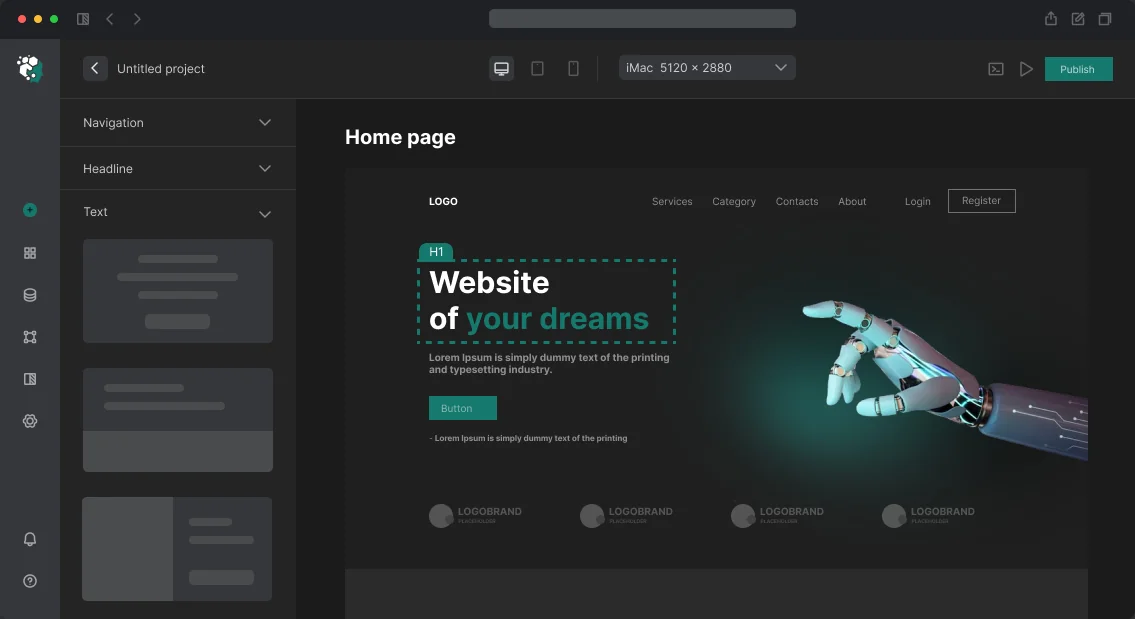
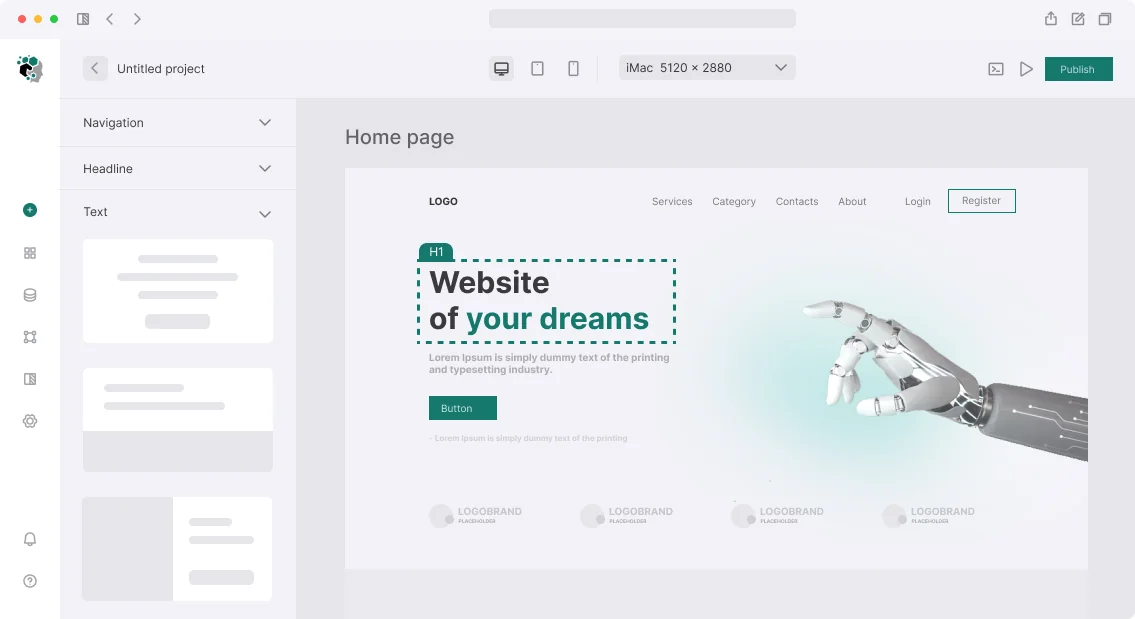
להתחלה מהירה אנו משתמשים ב-Tooljet — עליו אנו בונים ממשקים עובדים לנתוני הרישום, מבלי לכתוב מחדש את הליבה של מערכת הרישום.
לאחר מכן מופעלת אוטומציה של תהליכים פנימיים: אישורים, התראות, סטטוסים, ייצוא לפי לוח זמנים. דיווחים מסוכמים תוך שעות במקום ימים, והוויכוח 'של מי המספר הנכון' מוחלף בקישור לרשומה. אנו מסבירים כיצד זה נסגר.
מה משתנה לאחר ההטמעה: אפקט מדיד
הדוח נבנה מעצמו, ולא מועבר בידיים
בעבר הייצוא להנהלה נאסף בטבלה: ייצוא ממערכת הרישום, בדיקה ידנית, איחוד גיליונות. לאחר ההטמעה הדוח נבנה מאותם נתונים שמהם נבנים מסכי העבודה, ולכן זמן ההכנה מצטמצם מכמה שעות לדקות, ומספר ההעברות הידניות בין קבצים יורד לאפס.
זה מסיר גם את מקור אי-ההתאמות עצמו: המספר בדוח והרשומה בכרטיס הבקשה — אותה שורה, ולא שתי שורות דומות.
מקור נתונים אחד במקום התכתבות
מדריכים, סטטוסים והיסטוריית שינויים חיים במקום אחד, ולכל עריכה יש מחבר וזמן. האישור מפסיק להיות תלוי במי שפתח את הגרסה האחרונה של הקובץ, וחיפוש הערך המעודכן אורך שאילתה אחת במקום סדרת הבהרות בצ'אט. תופעת לוואי — ביקורת שקופה: ניתן לראות מי ומתי שינה שדה שלפיו לאחר מכן חושב הדוח.
שגיאות קלט נתפסות בכניסה
טקסט חופשי הוחלף בבחירה מתוך מדריך, שדות חובה מקושרים, ערכים נבדקים ברגע המילוי, ולא בשלב ההשוואה. בתהליכים טיפוסיים זה מביא לצמצום משמעותי של שגיאות קלט בשדות מפתח ומסיר סוג שלם של תיקונים: סטטוס שגוי או בקשה כפולה פשוט לא נוצרים. הבדיקה מבוצעת על ידי המערכת, ולא על ידי אדם שעייף עד סוף היום.
הבקשה לא מחכה לידיים פנויות
תפקידים ומסלולים מתוארים בכלי: הבקשה מגיעה מיד למבצע הנכון, הסטטוס גלוי לכל המשתתפים, וזמן התגובה נמדד, ולא משוחזר בדיעבד מהתכתבות. השעות שהתפנו מוקדשות לעבודה ממשית, ולא לתיאום ותזכורות.
פורמטי יישום: פלטפורמה, קוד עצמי או היברידי
הבחירה כאן אינה עניין של אופנה, אלא של ארבעה מאפיינים: באיזו תדירות משתנים המסכים, כמה מערכות חיצוניות צריך לקשר, עד כמה הלוגיקה לא סטנדרטית ומי יטפל בכלי לאחר ההשקה. לפיהם שלושת האפשרויות נבדלות מספיק בבירור כדי לא לבחור באקראי.
| אפשרות | מתי מתאימה | מגבלות |
|---|---|---|
| פלטפורמה Low-Code (Tooljet) | 5–10 מסכים, תרחישי רישום טיפוסיים, תפקידים ויומן פעולות מהקופסה; כלי עבודה נדרש במהירות, עריכות — בכוחות הצוות ללא פרונטאנד ייעודי | לוגיקה לא סטנדרטית וויזואליזציה כבדה נתקלות ביכולות הפלטפורמה; חלק מההתנהגות מתואר בתוך הספק |
| קוד עצמי | חישובים ייחודיים, הרשאות ברמת שדות בודדים, עומס גבוה, דרישות מחמירות לאחסון נתונים; נדרש שליטה מלאה במודל ובמחזור השחרור | זמן ארוך יותר לגרסה ראשונה, נדרש צוות תמיכה משלו, כל שיפור עובר מחזור שחרור מלא |
| גישה היברידית | ליבה, הרשאות ואינטגרציות — בקוד עצמי, מסכים תפעוליים, דוחות וממשק ניהול — בפלטפורמה | נדרשים חוזים יציבים בין החלקים ותמיכה בשתי סביבות |
הקריטריון פשוט: הסתכלו על מה שמשתנה הכי הרבה. אם המסכים והדוחות — הפלטפורמה מסירה את השגרה, והליבה הלא סטנדרטית נשארת בקוד העצמי. אם לעתים קרובות יותר משתנים כללי הגישה והלוגיקה עצמה — הקוד העצמי או הגישה ההיברידית מנצחים, כאשר הפלטפורמה אחראית רק על התצוגה.
כיצד מתבצעת ההטמעה: שלבי העבודה ההנדסית
את ההטמעה אנו מתחילים ממה שקורה היום: היכן מנהלים את הרישום, אילו ייצואים נאספים ידנית, באיזה שלב הנתונים מתפצלים. לאחר סקר התהליכים אנו מתעדים רשימת פעולות שאנו מעבירים לכלי, ואת מה שאנו משאירים בכוונה במערכות הקודמות — אחרת היקף העבודה גדל ללא תועלת.
- סקר תהליכים ונתונים: ראיונות עם המבצעים ומנהל התחום, ניתוח טבלאות, ייצואים ומערכות חיצוניות שאיתן יידרש חילופי נתונים.
- סכימת נתונים ומודל תפקידים: אנו מתארים ישויות וקשרים, מי קורא ומי משנה רשומות, אילו בדיקות חובה בכניסה.
- הרכבת אב-טיפוס עובד: מסכים, דוחות ואינטגרציות ב-Tooljet — מיד על נתונים אמיתיים, ולא על תחליפים.
- משתמשי פיילוט: צוות אחד-שניים עובדים בכלי במקביל לשיטה הקודמת, אנו משווים מספרים ומתקנים אי-התאמות.
- שיפור לפי הערות הפיילוט: אנו מדייקים טפסים, הרשאות ותרחישים שהתבררו בפועל כשונים מהמתואר.
- מסירה לתפעול: הרשאות, נוהל עדכונים, הדרכת עובדים וסדר ברור לשיפורים בהמשך.
כל שלב נסגר בתוצר מוסכם — מודל נתונים, אב-טיפוס או נוהל. לכן הצעד הבא אינו מתחיל בהשערות, ותוצאת הפיילוט נראית לפני שהכלי הופך לעיקרי.
מה אנו מוסרים לידיים: תצורות ונוהלים
מסירת הפרויקט היא לא 'גישה לחשבון ושיחת זום של שעה', אלא סט תוצרים שלפיהם הצוות שלכם יכול לפתח את הכלי בלעדינו. אנו אוספים אותם במהלך העבודה, ולא בשבוע האחרון: בקבלה ניתן לפתוח כל סעיף ולבדוק שהוא תואם למה שעובד בפועל בפרודקשן.
- תצורת אפליקציה עובדת: תיאור ממשקים, שאילתות נתונים וקשרים ביניהם, מיוצא בצורה עם ניהול גרסאות. נפרס בסביבה שלכם ומשחזר את ההתנהגות הנוכחית אחד לאחד.
- סכימת נתונים: טבלאות, קשרים, סוגי שדות, אילוצים וסדר מיגרציות. בנפרד מסומן היכן הסכימה מנורמלת, והיכן דה-נורמליזציה נעשתה בכוונה — למען מהירות הדוחות.
- כללי גישה: תפקידים וקבוצות, מה רואה כל אחד מהם, הגבלות ברמת שאילתות ושדות בודדים. רשימת חשבונות שירות עם ציון המערכות שאליהן הם מחוברים.
- אינטגרציות: רשימת מערכות חיצוניות, שיטת אימות, נקודות כשל והתנהגות כאשר המקור אינו זמין — מה מוצג למשתמש במקום הנתונים.
- הוראות למשתמשים: תזכורות קצרות לפי תפקידים — כיצד ליצור רשומה, כיצד לאשר, כיצד לייצא דוח. בנוסף צ'קליסט למנהל: כיצד להוסיף משתמש ולהעניק הרשאות.
- נוהל תחזוקה: מה נעשה באופן מתוכנן, מה לפי פנייה, מהם זמני התגובה לסוגי תקלות שונים וסדר החזרה לגרסה קודמת.
- יומן החלטות ומגבלות ידועות: מדוע נבחרה שיטת אחסון כזו, אילו תרחישים אינם מכוסים בכוונה ובאיזה סדר הגיוני לשפר אותם.
הבעלות נשארת אצלכם: ניתן לתחזק את הכלי בכוחות עצמכם, למסור אותו לצוות אחר או לחזור אלינו. הכנסת מהנדס חדש לפרויקט לפי סט כזה אורכת ימים, ולא שבועות — הוא לא צריך לשחזר את הלוגיקה מהקוד ומההתכתבות.
מקרה בוחן: כיצד נעלמו ההשוואה הידנית ותור הבקשות
איך זה היה
הלקוח — מחלקה של שישה מפעילים, שהשוותה בקשות בין מערכת הרישום לרשומות הספקים. בכל בוקר שני קבצים הושוו שורה-שורה ידנית, אי-ההתאמות הופצו במכתבים וטבלאות.
השוואה מלאה ארכה 3-4 שעות ביום, תור הבקשות בסוף השבוע הגיע ל-400 שורות, ו-4-6% מהפריטים נשלחו לעבודה עם שגיאה: בקשות כפולות, ביטולים שהוחמצו, אי-התאמות בכמות.
איך זה נהיה
בנינו כלי פנימי: איסוף נתונים לפי נוהל, השוואה לפי מפתח מורכב — מספר בקשה, פריט ותאריך משלוח, — בתוספת כללי עדיפות בעת קונפליקט בין מקורות. על ToolJet הרכבנו עמדת עבודה למפעיל: סינון לפי סוג אי-התאמה, אישור בקליק אחד, היסטוריית עריכות לכל רשומה. אי-התאמות כבר לא מחפשים בעין — הן עצמן מגיעות לתור עם ציון המקור והשדה שלא תאם.
ההשוואה מתבצעת כל 15 דקות ואורכת למפעיל כ-15 דקות ביום: נותר טיפול בחריגים במקום מעבר מלא. שיעור אי-ההתאמות ירד ל-0.3%, ואלו כבר אי-התאמות אמיתיות בנתוני הספק, ולא שגיאות קלט. הקטגוריות 'בקשה כפולה' ו'ביטול שהוחמץ' נעלמו — שתי הפעולות עוברות בדיקת מפתח. התור נסגר ביום ההגעה, ולכל דחייה נשאר עקבות: מי, מתי ומדוע שינה את הרשומה.
מה לעשות אם תהליך אחד כבר מכוסה על ידי מערכת מוכנה
מערכת קנויה לעתים רחוקות מכסה את כל הקו: מודול טיפוסי מנהל רישום, אך אינו מכיר את החריגים שלכם — אישורים מחוץ לנוהל, השוואות ידניות, שדות שפשוט אין במודל שלו. לזרוק פתרון עובד בגלל זה יקר, ולכן את הפיצול פותרים לפי שלוש אפשרויות.
| אפשרות | מתי מתאימה | מגבלות |
|---|---|---|
| השתלבות במערכת מוכנה | הלוגיקה נכנסת למודל שלה: הגדרות, כללים, מודול נוסף | עדכוני הספק שוברים את השיפורים, חלק ממגבלות המודל אינן ניתנות לעקיפה |
| תוספת מעל מערכת הרישום | הרישום נשאר מקור האמת, ונדרש ממשק משלו ותהליכים משלו | נדרש חילופי נתונים יציבים; אי-התאמות בסכימות נתפסות בכל שחרור |
| כלי נפרד לצד | התהליך קשור חלש לרישום, החילוף מתבצע לפי אירועים | שני ממשקים לעובדים, שכפול מדריכים |
הבחירה נקבעת לפי הנקודה שבה נולדת הלוגיקה. אם הכללים חיים בתוך מערכת הרישום והפקודות תלויות בהם — אנו משתלבים או מוסיפים מעל, אך לא מעתיקים נתונים. אינטגרציה ללא מעבר מבוססת על קריאה דרך ייצוא או רפליקה וכתיבה רק בשיטות סטנדרטיות: השלמות לא נשברת, והכלי מנותק ללא עקבות ברישום.
כאשר תהליך במערכת קנויה מתואר פורמלית, אך בפועל מתנהל אחרת, זול יותר להחליף חלק מהקו: להשאיר את הרישום היכן שהוא עובד, ואת הקטע השנוי במחלוקת להוציא לכלי עצמי על Tooljet.
המהנדסים שלנו מתעדים את גבולות המודולים, ההרשאות ונקודות החילוף לפני הפיתוח — אחרת התוספת הופכת לסנכרון נצחי של שתי אמיתות.
ספקות בנוגע לאינטגרציות, הרשאות ותחזוקה
לפני ההתחלה כמעט תמיד עולות אותן שאלות: כיצד הכלי יהיה מקושר למערכת הרישום, כיצד להפריד הרשאות בין תפקידים ומה יקרה לאחר מסירת הקוד. התשובות משפיעות על הארכיטקטורה, ולכן אנו מתעדים אותן לפני שורת המימוש הראשונה, ולא בקבלה.
כיצד הכלי הפנימי יתקשר עם מערכת הרישום?
מערכת הרישום נשארת מקור האמת: מדריכים ורשימות עובדים נקראים ממנה, ולא משוכפלים בטבלאות ידניות. הסנכרון מתבצע לפי אירועים, עם ניסיונות חוזרים ויומן אי-התאמות — אם רשומה לא הגיעה, היא תיכנס להשוואה, ולא תאבד. כתיבה חזרה אפשרית רק עבור פעולות מאושרות וחשבון שירות נפרד עם הרשאות מצומצמות.
כיצד מוגדרות הרשאות הגישה?
תפקידים עוברים בירושה מקבוצות בספרייה: אדם רואה רק את האובייקטים שלו, והגישה ניתנת באמצעות חברות בקבוצה, ולא בטבלת חריגים ידנית. בדיקת ההרשאות מתבצעת בשרת ומתייחסת לייצוא, דוחות ופניות תוכנה — אחרת המגבלות נעקפות דרך שאילתה ישירה. העברת עובד בין מחלקות משנה את סט הקבוצות, והגישה נבנית מחדש אוטומטית.
מה יקרה לאחר המסירה — האם נישאר תלויים בקבלן?
אנו מוסרים קוד מקור, סכימת נתונים, מיגרציות, תיאור סביבות והוראות פריסה: הבנייה משוחזרת מהמאגר ללא התשתית שלנו. לצורך התחזוקה אנו מתאמים נוהל — עדכון תלויות, סט בדיקות רגרסיה, חלון פריסה.
ניתן להשאיר את התמיכה אצלנו, או לנהל אותה בצוות משלכם: אנו מעבירים ידע ונשארים בקשר בנושאים קריטיים.
נדון במשימה: מאילו תהליכים פנימיים להתחיל
ההתחלה של כלי פנימי נתקלת לא בפלטפורמה, אלא בבחירת התהליך הראשון. אנו מתחילים מקטע אחד שבו העבודה הידנית אוכלת את מירב הזמן ויש בעל תוצאה: בקשות, אישורים, רישום, הכנת דוחות תקופתיים. קטע כזה נותן אפקט מורגש כבר בשחרור הראשון ואינו דורש לבנות מחדש את כל הרישום.
כדי לחזור עם הערכת זמנים ותוכנית עבודה, ולא עם מילים כלליות, אנו זקוקים למינימום:
- תהליך מועמד אחד או שניים, שחיים היום בטבלאות, בדואר ובהתכתבות;
- דוגמאות של טפסים, מסמכים וייצואים אמיתיים — מהם נראית מבנה הנתונים והקשרים בין הישויות;
- עובד שמבצע את התהליך כל יום ובתוך חצי שעה יסביר את נקודות הצוואר שלו;
- מגבלות: אילו מערכות אסור לגעת בהן והיכן הנתונים חייבים להישאר בקו הפנימי;
- גישת קריאה למערכת הרישום או לממשק החילוף, כדי לבדוק השערות על נתונים חיים;
- קריטריון מוכנות — מה בדיוק צריך להשתנות כדי שהכלי ייחשב עובד.
סדר העבודה צפוי: מנתחים את התהליך, מתעדים את גבולות השחרור הראשון, מרכיבים אב-טיפוס על Tooljet ונתונים אמיתיים, בודקים יחד עם המבצעים, מוציאים לקו העבודה. לאחר מכן מרחיבים תפקידים, התראות וייצוא — התצורה נשארת אצלכם.
תארו את המשימה בכמה פסקאות או שלחו ייצוא אנונימי — נדון בו ונחזור עם הערכה ותוכנית עבודה לפי שלבים, כולל סדר הצעדים הבאים.