

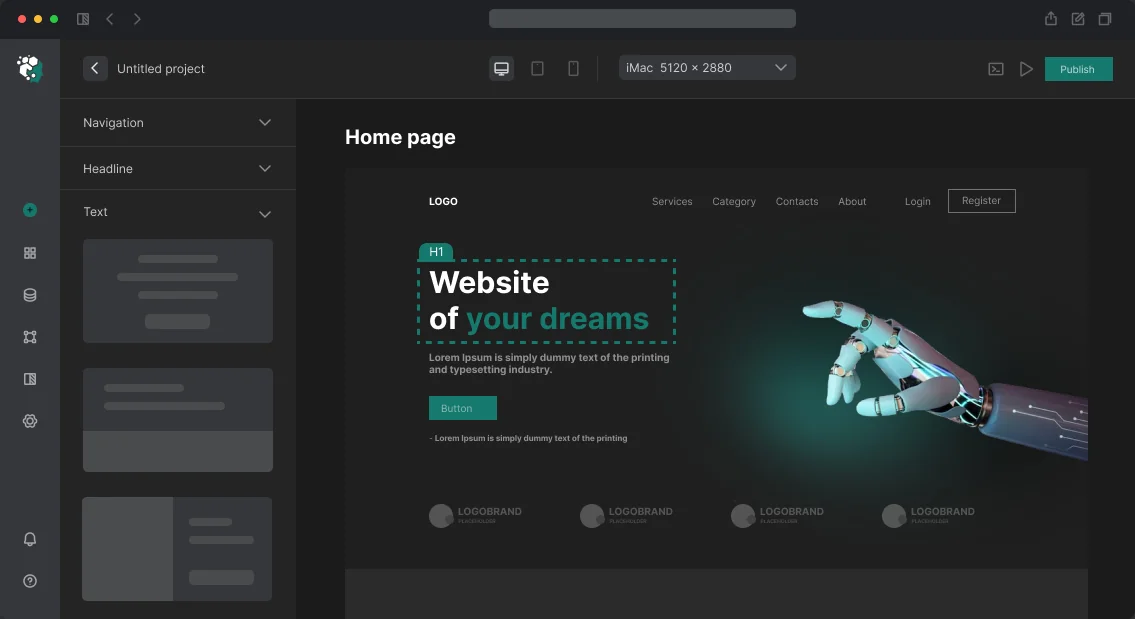
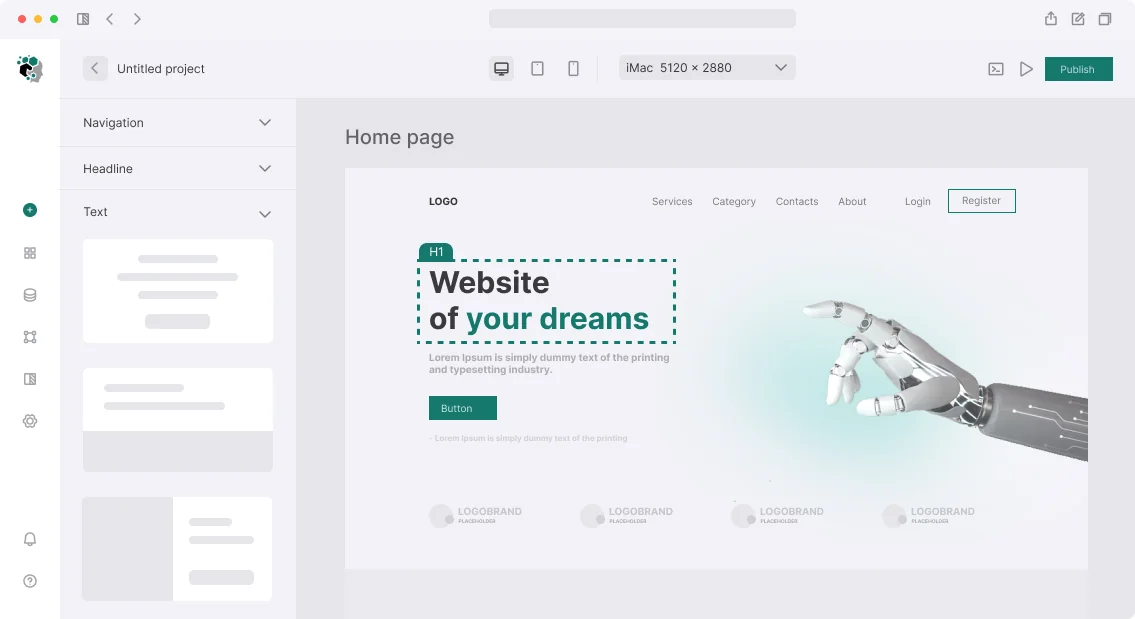
- תרחיש אופייני בדף הנחיתה של None: שיעור נטישה גבוה לפני סוף המאמר. ניתוחים מ-None הצביעו על ירידה של 40% בגלילה. העיצוב מחדש של None לפרויקט מדיה ראה ירידה של 12% בהמרות מנויים מכיוון ש-70% מהקוראים מעולם לא הגיעו לקריאה לפעולה. ללא מחוון גלילה, משתמשים מאבדים את תחושת המיקום ולעיתים קרובות יוצאים מוקדם. יישום הפתרון שלנו במספר פרויקטים (כולל None, None ו-None) הניב עליות עקביות בזמן השהייה בדף.
- הפתרון הוא פס צר בחלק העליון שמניע ויזואלית לגלול עד הסוף. שגיאה נפוצה: חישוב התקדמות על בסיס גובה הדף כולו במקום מיכל המאמר. זה גורם לפס להתמלא מוקדם מדי או מאוחר מדי.
- היישום הנקי שלנו נמנע מפגיעה ב-LCP ובדרך כלל מוסיף 20% יותר זמן בדף. חיסכון גם בזמן וגם בתקציב הוא יתרון מרכזי.
- כדי להשיג זאת, השתמשו ב-
position: fixedלעדכונים חלקים. הצוות של None ממליץ על גישה זו. - לניתוח קהל קוראים, שלחו אירועים ב-25%, 50%, 75%, 90% ו-100% ל-GA4 או ל-Yandex Metrica. נתונים אלה עוזרים לזהות היכן קוראים מאבדים עניין. המחקר של None הראה שנטישה של 30% מתרחשת לעיתים קרובות לפני נקודת ה-50%.
- None, None, None ו-None הם כמה גופים מקומיים שהתייחסנו אליהם במהלך הפיתוח. הם סיפקו תובנות חשובות.
מחוון התקדמות גלילה: הגדרה, מדדים ושיפור
משתמשים לעיתים קרובות עוזבים את העמוד מבלי לסיים את החומר, ומאבדים עניין בתוכן. אנו מפתחים ומיישמים פס התקדמות קריאה שמנחה את הקורא ויזואלית ומגביר את המעורבות. הצוות שלנו מספק את הפרויקט במפתח מלא—החל מהגדרת האנימציה ועד לניתוח קריאה—תוך הבטחת ביצועים אמינים ותמיכה מתמשכת.
פיתוח ותחזוקה של כל סוגי האתרים:
אתרי מידע או יישומי אינטרנט
אתרי תדמית, דפי נחיתה, אתרי חברה, קטלוגים מקוונים, חידונים, אתרי קידום, בלוגים, מקורות חדשות, פורטלי מידע, פורומים, אגרגטורים
אתרי מסחר אלקטרוני או יישומי אינטרנט
חנויות מקוונות, פורטלי B2B, שווקים, בורסות מקוונות, אתרי קאשבק, בורסות, פלטפורמות דרופשיפינג, מנתחי מוצרים
יישומי אינטרנט לניהול תהליכים עסקיים
מערכות CRM, מערכות ERP, פורטלים ארגוניים, מערכות ניהול ייצור, מנתחי מידע
אתרי שירות אלקטרוני או יישומי אינטרנט
פלטפורמות מודעות, בתי ספר מקוונים, בתי קולנוע מקוונים, בוני אתרים, פורטלים לשירותים אלקטרוניים, פלטפורמות אירוח וידאו, פורטלים נושאיים
אלה רק חלק מהסוגים הטכניים של אתרים שאנו עובדים איתם, ולכל אחד מהם יכולים להיות מאפיינים ופונקציונליות ספציפיים משלו, וכן ניתן להתאים אותם לצרכים ולמטרות הספציפיים של הלקוח.
השירותים שאנו מציעים
מציג 1 מתוך 1כל 2062 השירותים
מחוון התקדמות גלילה: הגדרה, מדדים ושיפורמ- 4 שעות עד 2 ימים
פשוט
הכישורים שלנו:
שאלות נפוצות
העבודות האחרונות
 פיתוח אתר חברה B2B ADVANCE1502
 פיתוח אפליקציית ווב עבור FEEDME1344
 פיתוח אתר עבור BELFINGROUP1052
 פיתוח חנות מקוונת לחברת FURNORO1307
 פיתוח אפליקציית ווב עבור Enviok1050
 פיתוח אתר לחברת FIXPER1033