

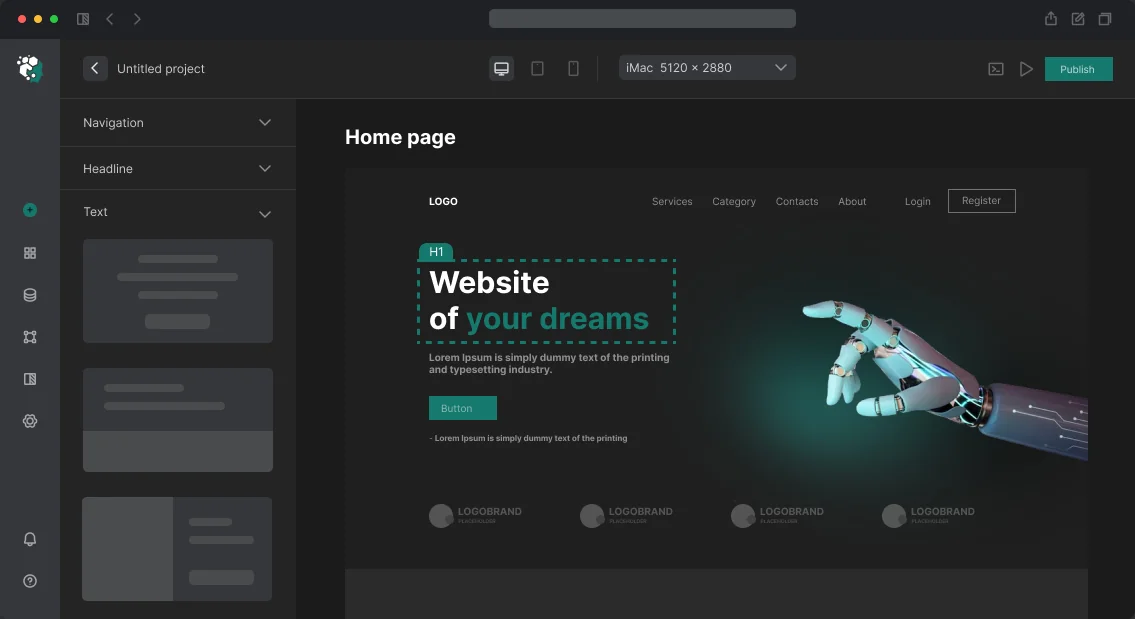
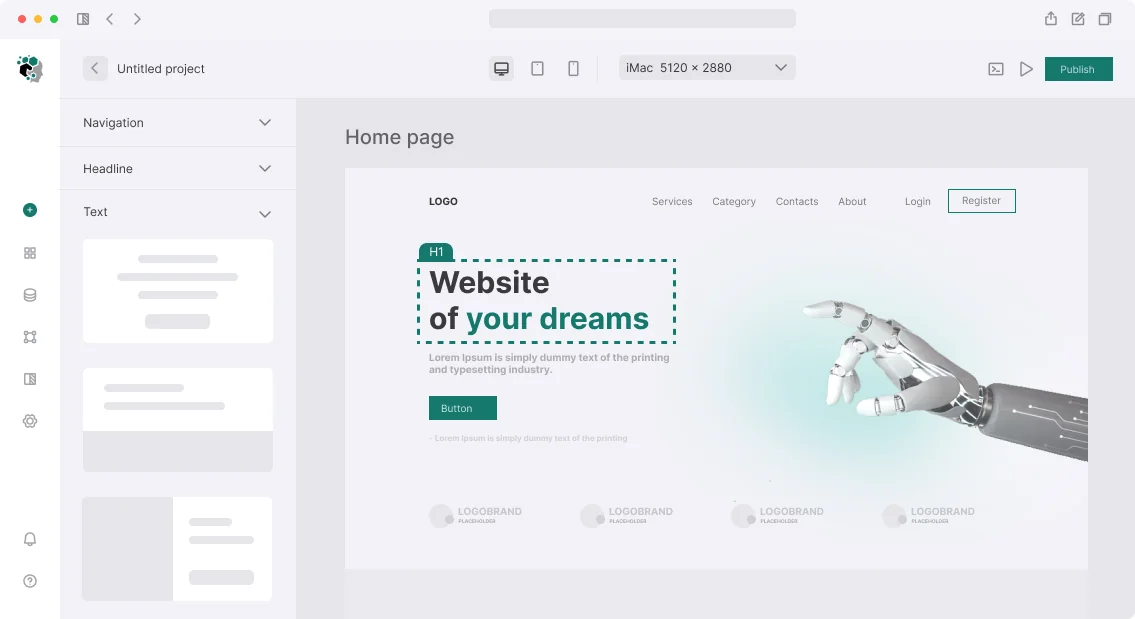





אנו מפתחים יישומי שולחן עבודה באמצעות Tauri, מסגרת מודרנית המספקת אלטרנטיבה מהירה, קלה ומאובטחת יותר ל-Electron. הצוות שלנו סיפק 30+ פרויקטים המשלבים Rust ו-WebView, כולל העברות של יישומי Electron גדולים. התוצאה: יישומים במשקל 4–15 MB, צורכים 30–60 MB של זיכרון RAM, ומספקים אבטחה מקסימלית באמצעות קוד Rust בטוח. עבור יישום שולחן עבודה טיפוסי, עלויות הפיתוח מתחילות מ-$5,000 ויכולות להגיע ל-$20,000 עבור פרויקטים מורכבים, ומציעות חיסכון משמעותי בהשוואה ל-Electron.
למה Tauri מהיר ובטוח יותר מ-Electron
| קריטריון | Tauri | Electron |
|---|---|---|
| גודל מתקין | 4–15 MB | 80–150 MB |
| זיכרון בעת ההפעלה | 30–60 MB | 100–200 MB |
| אבטחה | Rust (בטיחות זיכרון) | Node.js (פגיע פוטנציאלית) |
| דפדפן מובנה | WebView מערכתי | Chromium (עדכונים מסונכרנים) |
| רוחב-פלטפורמות | Windows, macOS, Linux | Windows, macOS, Linux |
יישום Tauri צורך פי 2–4 פחות זיכרון מאשר יישום Electron עם ביצועי ממשק דומים. החיסכון בגודל המתקין מגיע עד פי 10. ארכיטקטורת היישום הקלה נשענת על הפשטות בעלות אפס ותבנית RAII של Rust.
אילו בעיות Tauri פותר?
גודל ומהירות טעינה. משתמשים לא רוצים להוריד 150+ MB עבור צ'אט או מתכנן פשוט. Tauri מצמצם את גודל המתקין פי 10. ההורדה וההתקנה אורכות שניות.
אבטחה. כל הקוד הקריטי (טיפול בקבצים, רשת, קריאות מערכת) רץ ב-Rust. לחזית אין גישה ישירה למערכת ההפעלה — רק דרך פקודות חשופות במפורש ומודל אבטחה מבוסס יכולות. Rust הוא שפה עם הבטחות בטיחות זיכרון, מה שמבטל מחלקות שלמות של פרצות.
ביצועים. צד השרת של Rust רץ במהירות מקורית, והיעדר שכבות גישור JS נוספות מפחית את זמן האחזור. TTFB ועיבוד ממשק מהירים יותר מאשר ב-Electron. עבור פיתוח שולחן עבודה ב-Rust, Tauri מציע ביצועים ללא תחרות.
איך אנו בונים יישום Tauri: תהליך ודוגמאות
התהליך כולל חמישה שלבים: ניתוח ועיצוב, אב-טיפוס MVP, פיתוח צד שרת ב-Rust, אינטגרציה ובדיקות על כל הפלטפורמות, פריסה והפצה (CI/CD, חתימת קוד).
| שלב | משך | תוצאה |
|---|---|---|
| ניתוח | 1–2 ימים | מפרטים וארכיטקטורה |
| אב-טיפוס | 3–5 ימים | MVP עם ממשק בסיסי |
| פיתוח | החל משבועיים | צד שרת מלא ואינטגרציה |
| בדיקות | 3–5 ימים | QA על כל מערכות ההפעלה |
| פריסה | 2–3 ימים | גרסאות בנייה ותיעוד |
דוגמה אמיתית: העברנו יישום למעקב הוצאות מ-Electron ל-Tauri. המתקין המקורי של 140 MB הצטמצם ל-9 MB. צריכת הזיכרון ירדה מ-180 ל-45 MB. צד השרת נכתב מחדש ב-Rust: פקודות לטיפול בקבצים, התראות ואינטגרציה עם מגש המערכת. החזית (React) נשארה ללא שינוי.
תבנית פרויקט בסיסית:
npm create tauri-app@latest # Выбираем: TypeScript, React, Vite פקודת Rust:
#[tauri::command]
async fn increment(state: State<'_, AppState>) -> Result<i32, String> {
    let mut counter = state.counter.lock().map_err(|e| e.to_string())?;
    *counter += 1;
    Ok(*counter)
}
קריאה מהחזית:
import { invoke } from '@tauri-apps/api/core'; const count = await invoke('increment'); שלבי התחלה מהירה לפיתוח Tauri
- התקן את Rust ו-Node.js.
- הרץ
npm create tauri-app@latest # Выбираем: TypeScript, React, Viteובחר את מסגרת החזית שלך. - כתוב פקודות Rust עם
#[tauri::command] async fn increment(state: State<'_, AppState>) -> Result<i32, String> { let mut counter = state.counter.lock().map_err(|e| e.to_string())?; *counter += 1; Ok(*counter) }ונהל מצב באמצעותimport { invoke } from '@tauri-apps/api/core'; const count = await invoke('increment');. - בנה וחתום על היישום עם
{ "permissions": [ "core:default", "fs:allow-read-text-file", "dialog:allow-open" ] }.
כמה זמן אורך הפיתוח?
לוחות הזמנים נעים בין 2 ל-8 שבועות בהתאם למורכבות. יישום פשוט עם כמה פקודות וממשק בסיסי אורך כשבועיים. יישום מורכב עם אינטגרציה של API מערכתי, תוסף עדכונים ותמיכה בריבוי חלונות אורך עד 8 שבועות. העלות מחושבת באופן אישי לאחר בדיקת דרישות. בממוצע, פיתוח Tauri המסובב-מפתח שלנו זול ב-30–50% מ-Electron בזכות פחות קוד וללא צורך בצריבת Chromium.
איך Tauri מבטיח אבטחה?
האבטחה מבוססת על שתי רמות. ראשית, Rust מבטיח קוד בטוח בזיכרון: המהדר בודק הכל בזמן הבנייה, ומבטל מצביעי null ודליפות זיכרון. שנית, מערכת היכולות מגבילה את גישת החזית ל-API של מערכת ההפעלה. גם אם תוקף משיג שליטה על הממשק, הוא לא יכול לקרוא קבצים ללא הרשאות מפורשות בקונפיגורציה:
{
"permissions": [
"core:default",
"fs:allow-read-text-file",
"dialog:allow-open"
]
}מה כלול בעבודה?
- ניתוח דרישות ועיצוב ארכיטקטורה.
- פיתוח צד שרת ב-Rust עם פקודות אסינכרוניות והפשטות בעלות אפס.
- אינטגרציית חזית (כל מסגרת web) עבור יישום אמיתי לרוחב-פלטפורמות.
- הגדרת מערכת ההרשאות ותכונות ספציפיות לפלטפורמה.
- בנייה וחתימת קוד עבור Windows, macOS, Linux.
- תיעוד API והוראות הפעלה.
- תמיכה לאחר ההשקה (אופציונלי).
מלכודות נפוצות בפיתוח Tauri
- טיפול אסינכרוני שגוי: פקודות חייבות להיות אסינכרוניות אם הן משתמשות ב-I/O.
- שכחת הצהרת הרשאות ביכולות — החזית מקבלת שגיאות גישה.
- שימוש בפעולות סינכרוניות איטיות על ה-thread הראשי — חוסם את הממשק.
- התעלמות ממוזרויות WebView ספציפיות לפלטפורמה (לדוגמה, macOS לא תומך בחלק מתכונות CSS).
צור קשר עבור ייעוץ פרויקט — נעריך את המורכבות ונמצא את הפתרון הטוב ביותר. פנה אלינו כדי להפחית עלויות תשתית ולהאיץ את זמן היציאה לשוק. המומחיות שלנו ביישומי שולחן עבודה עם Tauri מבטיחה יישום מהיר, מאובטח וקל.