

משתמשים שוכחים לעתים קרובות לחדש את תעודות ה-SSL שלהם—והאתר הופך לבלתי נגיש דרך HTTPS, מה שגורם לאובדן אמון המבקרים ולדירוג נמוך יותר במנועי החיפוש. לפי סטטיסטיקות, 80% מבעלי האתרים נתקלו לפחות פעם אחת בפגות SSL, עם עלויות השבתה ממוצעות של 10% מההמרות היומיות. לקוח אחד הגיע אלינו: אתר המסחר האלקטרוני שלו פעל על תעודת wildcard, אך החידוש לא הוגדר, ואחרי 90 יום האתר התחיל להציג NET::ERR_CERT_DATE_INVALID. ההפסדים הגיעו לכ-10% מההכנסות היומיות עד שהגדרנו חידוש אוטומטי תוך שעה. אנו מגדירים חידוש אוטומטי של Let's Encrypt באמצעות Certbot turnkey תוך 30–60 דקות. הניסיון שלנו—מעל חמש שנים באבטחת תשתיות ומעל מאה דומיינים מוגדרים—מבטל השבתות וחוסך בתקציב על תעודות מסחריות.\n\n### מדוע חידוש אוטומטי הוא קריטי?\n\nחידוש SSL ידני הוא גורם נפוץ לתקלות. גם אם אתה זוכר את תקופת 90 הימים, קל לפספס את התאריך המדויק. Certbot הופך את התהליך לאוטומטי: הוא בודק תעודות פעמיים ביום ומחדש אותן 30 יום לפני הפגות. זה מפחית את הסיכון לפגות ל-0.01% כשההגדרה נכונה. ללא חידוש אוטומטי, אתה מסתכן לא רק באובדן המרות אלא גם בירידה בדירוג במנועי החיפוש—גוגל ויאנדקס מענישות אתרים עם HTTPS לא תקין.\n\n### כיצד אנו מגדירים Let's Encrypt: מחזור מלא\n\nהתהליך כולל מספר שלבים:\n1. התקנת Certbot עם תוספים עבור מערכת ההפעלה ושרת האינטרנט שלך.\n2. קבלת התעודה—אתגר HTTP או DNS.\n3. הגדרת חידוש אוטומטי באמצעות systemd timer או cron עם post-hook.\n4. בדיקת חידוש (dry-run) ואימות.\n5. הגדרת Nginx עם HSTS, OCSP stapling.\n6. ניטור תאריך הפגות והגדרת התראות.\n\nעבור תעודות wildcard אנו תמיד משתמשים באתגר DNS—זו הדרך היחידה לכסות את כל תתי-הדומיינים מבלי לפתוח פורט 80. נפרק כל שלב בפירוט באמצעות Cloudflare כדוגמה.\n\n#### התקנת Certbot\n\n# Ubuntu/Debian apt install certbot python3-certbot-nginx # CentOS/RHEL dnf install certbot python3-certbot-nginx # Универсально через Snap snap install --classic certbot ln -s /snap/bin/certbot /usr/bin/certbot \n\n#### קבלת התעודה (HTTP ו-DNS)\n\n# Автоматически правит nginx конфиг certbot --nginx -d example.ru -d www.example.ru # Только получить сертификат (без изменения nginx) certbot certonly --nginx -d example.ru -d www.example.ru # Wildcard сертификат — только через DNS challenge certbot certonly --manual --preferred-challenges=dns -d example.ru -d *.example.ru \n\nעבור wildcard יש להוסיף רשומת TXT _acme-challenge.example.ru ל-DNS. אנו הופכים זאת לאוטומטי באמצעות תוספים, למשל certbot-dns-cloudflare.\n\n### כיצד לשלב אתגר DNS עם ספקים פופולריים?\n\nאתגר DNS דרך API הוא השיטה האמינה ביותר עבור wildcard. הנה דוגמה עבור Cloudflare:\n1. התקן את התוסף: pip install certbot-dns-cloudflare.\n2. צור קובץ ini עם אסימון API: dns_cloudflare_api_token = ваш_токен.\n3. הרץ: certbot certonly --dns-cloudflare --dns-cloudflare-credentials /path/to/cloudflare.ini -d example.ru -d *.example.ru.\n\nהתוסף מוסיף ומסיר את רשומת ה-TXT באופן אוטומטי. הגדרות דומות פועלות עבור Route53, DigitalOcean וספקים אחרים.\n\n#### השוואת אתגרים\n\n| תכונה | אתגר HTTP-01 | אתגר DNS-01 |\n|-------------------------------|------------------------|------------------------|\n| פורט | 80 | לא נדרש |\n| Wildcard | לא | כן |\n| תלות ב-DNS | לא | כן (API) |\n| אוטומציה | קלה יותר | דרך תוספים |\n| אמינות | 90% (הפורט עשוי להיות סגור) | 99% (דרך DNS API) |\n\nאתגר ה-DNS אמין פי 10 מאתגר HTTP—הוא אינו תלוי בשרת האינטרנט ופועל גם אם האתר אינו זמין זמנית.\n\n### כיצד להגדיר חידוש אוטומטי: systemd timer או cron?\n\nCertbot מוסיף אוטומטית systemd timer או cron במהלך ההתקנה. בדוק את פעולתו:\n\nsystemctl list-timers | grep certbot certbot renew --dry-run \n\nאם ה-hook לא נוסף אוטומטית, הוסף אותו ל-crontab:\n\n0 3 * * * certbot renew --quiet --post-hook "systemctl reload nginx" \n\n--post-hook טוען מחדש את Nginx לאחר חידוש התעודה—בלעדיו, התעודה הישנה נשארת בזיכרון התהליך.\n\n#### השוואת שיטות חידוש אוטומטי\n\n| קריטריון | systemd timer | cron |\n|---------------------------|--------------------------|--------------------------|\n| תלות ב-systemd | כן | לא |\n| קלות ניפוי שגיאות | קשה יותר (journalctl) | קלה יותר (syslog) |\n| גמישות בתזמון | גבוהה (calendar) | מוגבלת |\n| אמינות | גבוהה (onCalendar+OnFailure) | בינונית (ייתכן שחסרה סביבה) |\n\nאנו ממליצים על systemd timer במערכות מודרניות לצורך חיזוי טוב יותר.\n\n### כיצד להימנע מטעויות נפוצות?\n\nטעות נפוצה אחת היא היעדר --post-hook לטעינה מחדש של שרת האינטרנט. לקוח הגדיר cron, התעודה חודשה, אך Nginx שמר על הישנה. לאחר הוספת --post-hook "systemctl reload nginx" הבעיה נעלמה. נקודה נוספת: אם אתה משתמש ב-systemd timer, ודא שה-certbot.service פעיל.\n\n#### הגדרת Nginx לאחר certbot\n\nserver { listen 443 ssl; server_name example.ru www.example.ru; ssl_certificate /etc/letsencrypt/live/example.ru/fullchain.pem; ssl_certificate_key /etc/letsencrypt/live/example.ru/privkey.pem; include /etc/letsencrypt/options-ssl-nginx.conf; ssl_dhparam /etc/letsencrypt/ssl-dhparams.pem; add_header Strict-Transport-Security "max-age=63072000; includeSubDomains; preload" always; ssl_stapling on; ssl_stapling_verify on; } \n\n#### ניטור תאריך הפגות\n\nבדוק דרך OpenSSL: openssl x509 -enddate -noout -in /etc/letsencrypt/live/example.ru/cert.pem. אנו מחברים ניטור דרך Prometheus blackbox_exporter או UptimeRobot עם התראות 7 ימים לפני הפגות. זה מבטיח שגם אם החידוש האוטומטי נכשל, תדע מראש.\n\n### מה כלול בהגדרת ה-SSL שלנו\n\n- התקנה והגדרה של Certbot עבור הערימה שלך (Nginx, Apache).\n- בחירה והגדרה של אתגר (HTTP או DNS) עם אוטומציה.\n- הגדרת systemd timer או cron עם post-hook.\n- בדיקת חידוש ו-dry run.\n- הגדרת Nginx עם HSTS, OCSP stapling.\n- ניטור תאריך הפגות והגדרת התראות.\n- תיעוד ותמיכה ל-30 יום.\n\n### איזו תוצאה תקבל?\n\nחידוש SSL אוטומטי מלא ללא סיכון לפגות. חיסכון בתעודות מסחריות. ללא פעולות ידניות—הכל רץ מעצמו. הזמן את ההגדרה, ואנו נעריך את הפרויקט שלך תוך יום אחד. קבל ייעוץ לפרויקט שלך.\n\nתעודות Let's Encrypt מונפקות ל-90 יום, בהתאם לתקן ACME.
הגדרת Let's Encrypt עם חידוש SSL אוטומטי
תעודת SSL שפגה תוקפה הופכת את האתר לבלתי נגיש דרך HTTPS, דבר שמבריח מבקרים ומוריד את דירוג החיפוש. אנו מגדירים את Let's Encrypt עם חידוש אוטומטי באמצעות Certbot, כולל תעודות wildcard ואתגרי DNS. הצוות שלנו מספק את הפרויקט במפתח מלא—מההתקנה ועד להגדרת החידוש האוטומטי—ומבטיח פעילות אמינה ותמיכה מתמשכת.
פיתוח ותחזוקה של כל סוגי האתרים:
אתרי מידע או יישומי אינטרנט
אתרי תדמית, דפי נחיתה, אתרי חברה, קטלוגים מקוונים, חידונים, אתרי קידום, בלוגים, מקורות חדשות, פורטלי מידע, פורומים, אגרגטורים
אתרי מסחר אלקטרוני או יישומי אינטרנט
חנויות מקוונות, פורטלי B2B, שווקים, בורסות מקוונות, אתרי קאשבק, בורסות, פלטפורמות דרופשיפינג, מנתחי מוצרים
יישומי אינטרנט לניהול תהליכים עסקיים
מערכות CRM, מערכות ERP, פורטלים ארגוניים, מערכות ניהול ייצור, מנתחי מידע
אתרי שירות אלקטרוני או יישומי אינטרנט
פלטפורמות מודעות, בתי ספר מקוונים, בתי קולנוע מקוונים, בוני אתרים, פורטלים לשירותים אלקטרוניים, פלטפורמות אירוח וידאו, פורטלים נושאיים
אלה רק חלק מהסוגים הטכניים של אתרים שאנו עובדים איתם, ולכל אחד מהם יכולים להיות מאפיינים ופונקציונליות ספציפיים משלו, וכן ניתן להתאים אותם לצרכים ולמטרות הספציפיים של הלקוח.
השירותים שאנו מציעים
מציג 1 מתוך 1כל 2062 השירותים
הגדרת Let's Encrypt עם חידוש SSL אוטומטימ- 4 שעות עד 2 ימים
פשוט
הכישורים שלנו:
שאלות נפוצות
העבודות האחרונות
 פיתוח אתר חברה B2B ADVANCE1501
 פיתוח אפליקציית ווב עבור FEEDME1344
 פיתוח אתר עבור BELFINGROUP1052
 פיתוח חנות מקוונת לחברת FURNORO1306
 פיתוח אפליקציית ווב עבור Enviok1049
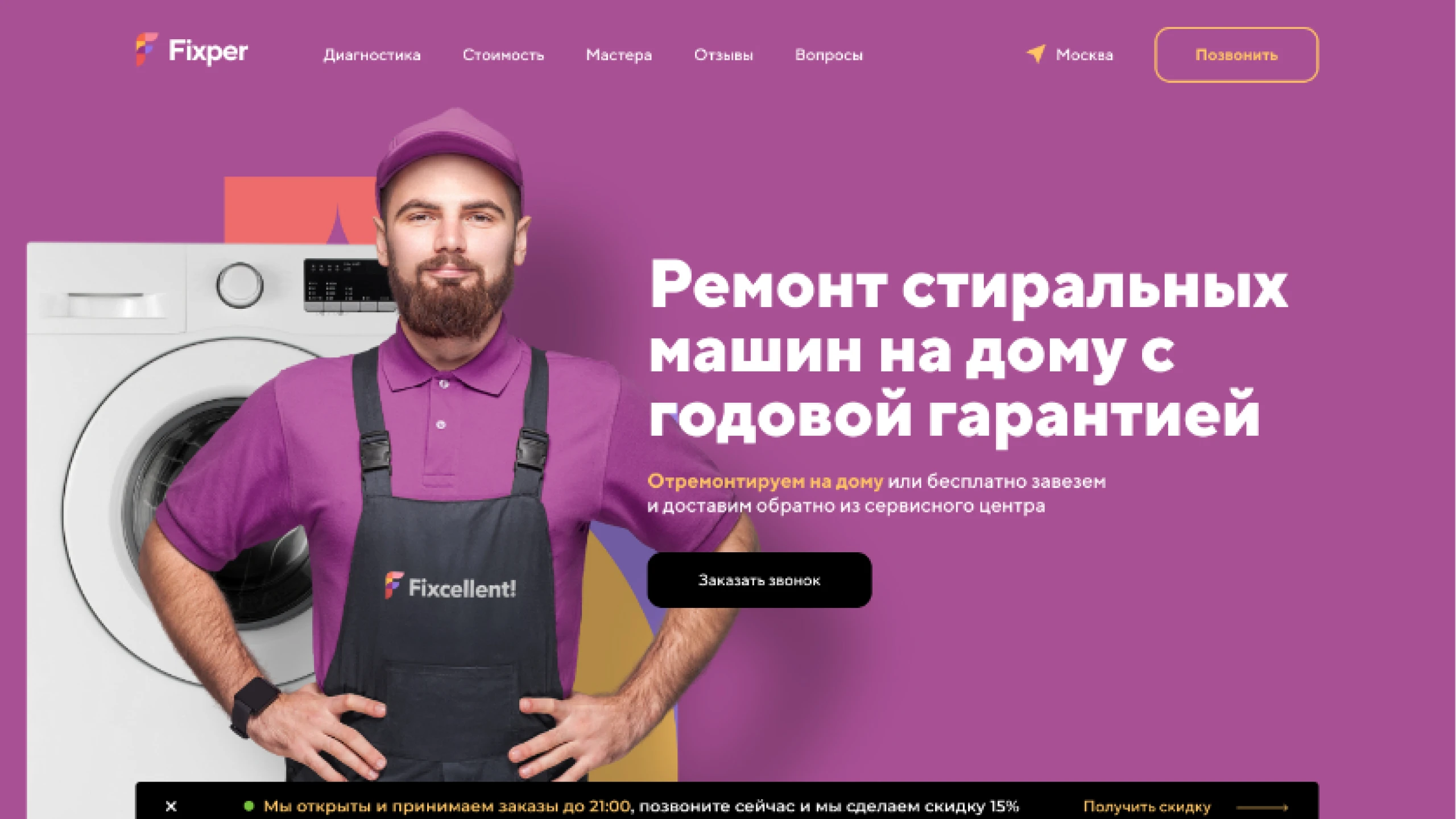 פיתוח אתר לחברת FIXPER1033