

עובדים עוקפים נהלים ב-Workday — והעסק מפסיד כסף
עבודה ב-Workday דורשת משמעת: למלא כרטיס, לאשר שלב, להשלים רשומה בזמן. אבל עובדים רואים בזה ביורוקרטיה מיותרת ועוקפים את הכללים — הם מזינים נתונים בדיעבד, מדלגים על אישורים, ומשתמשים בעקיפים.
כל מקרה כזה הוא לא רק עיכוב במועדים, אלא גם הפסדים ישירים: תשלומים כפולים, שגיאות בדיווח, קנסות ועסקאות שאבדו.
הבעיה היא לא עצלנות. התהליכים ב-Workday מתוכננים לשליטה, לא לנוחות. עובדים לא מבינים למה הם צריכים שלבים נוספים, לא רואים תוצאה, ומאבדים מוטיבציה במהירות.
התוצאה: תהליכים עסקיים מיושמים פורמלית, אבל בפועל חצי מהפעולות עוקפות את המערכת.
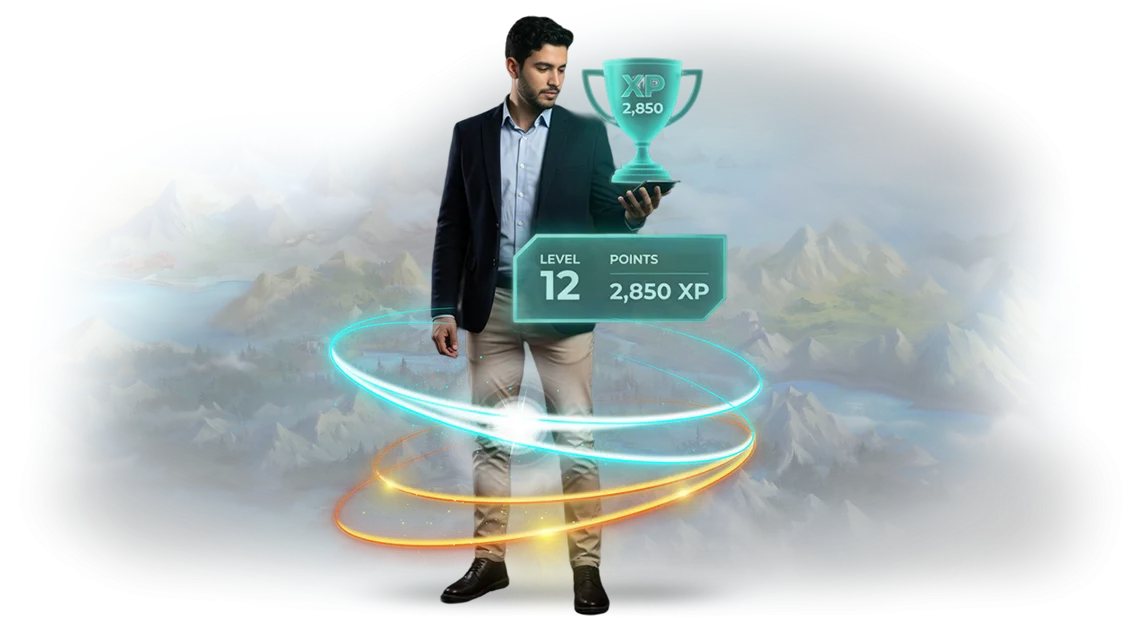
גימיפיקציה של Workday סוגרת את הפער הזה. אנחנו הופכים נהלים משעממים לרצף ברור עם מטרה נראית לעין: עובדים רואים את ההתקדמות שלהם, מקבלים משוב מיידי, ומבינים איך הפעולות שלהם משפיעות על התוצאה הכוללת. המעורבות של העובדים גדלה לא דרך שליטה, אלא דרך עניין ותחרות בריאה.
מוטיבציה מוגדרת כראוי לעובדים מפחיתה סטיות בתהליך פי כמה. שגיאות והפסדים נעלמים, המהירות התפעולית עולה, והנתונים ב-Workday הופכים לאמינים. מנהלים מקבלים תמונה שקופה של העסק במקום "נטפל בזה later" אינסופי.
אנחנו מטפלים בהגדרת הגימיפיקציה לתהליכים העסקיים שלכם: אנחנו קובעים אילו פעולות צריך לעודד, בוחרים מכניקות ומדדים שנוחים לעובדים, ומציגים KPIs שמנהלים יכולים לראות. אתם מקבלים תוצאה צפויה בלי לשנות את Workday ובלי כפייה.
מה גימיפיקציה של תהליכים עסקיים משיגה
כל מערכת ניהול משאבי אנוש עובדת רק באותה מידה שאיכות הנתונים שעובדים מזינים לתוכה. Workday צוברת מידע על כישורים, הכשרות, מטרות ומעברים, אבל אם תהליך הזנת הנתונים נתפס כשגרתי, דיוק הנתונים נפגע.
גימיפיקציה של תהליכים עסקיים פותרת את הבעיה הזו: היא הופכת פעולות יומיומיות לפורמט משחק עם תגמולים, רמות והתקדמות נראית לעין.
התוצאה הראשונה והברורה ביותר היא עלייה במעורבות. עובדים מפסיקים לדחות עדכון של פרופיל אישי או השלמת קורס: מעניין אותם לסגור משימות ולקבל הכרה.
בהדרגה, העבודה עם המערכת הופכת להרגל ולא לחובה — אנשים עוקבים אחרי הדיוק של הנתונים שלהם ונוקטים יוזמה.
התוצאה השנייה היא איכות נתונים. כשהזנת נתונים מונעת מוטיבציה, מספר ההשמטות והשגיאות יורד בחדות. משאבי אנוש ומנהלים רואים במערכת מידע עדכני על כישורים, זמינות וציפיות קריירה.
זה מאפשר למצוא מהר יותר אנשים מתאימים בתוך החברה ולקבל החלטות כוח אדם על סמך עובדות, לא ניחושים.
התוצאה השלישית היא חיסכון בזמן וצמיחה בפרודוקטיביות. פחות בדיקות ידניות ותזכורות, פחות זמן בתיקון שגיאות. מכניקות משחק מאיצות יישור מטרות, איסוף משוב ותכנון פיתוח. עובדים ומשאבי אנוש משקיעים את הזמן שהתפנה במשימות שמביאות ערך מדיד לעסק.
כך, גימיפיקציה הופכת את Workday ממאגר פסיבי לכלי שבאמת משתמשים בו. זה לא שכבת בידור אלא מנוף ניהולי: הוא משפיע על התנהגות הצוות, דיוק הנתונים ומהירות התהליך.
הלקוח מקבל מערכת שעובדת למען המטרות שלו — עם מכניקות ברורות והשפעה מדידה.
פורמטים של גימיפיקציה לאינטגרציה עם Workday
יש לבחור פורמטים של גימיפיקציה ב-Workday על סמך המטרה העסקית הספציפית: דבר אחד הוא האצת קליטת עובדים חדשים, ודבר אחר הוא שיפור השגת יעדי מכירות.
פורמט שנבחר כראוי הופך תהליכים שגרתיים למשחק שבו עובדים רוצים להשיג מטרות בעצמם.
ניתן לשלב את כל הפורמטים ולהשיק אותם בשלבים — מחידונים קצרים ועד עונות תחרותיות ארוכות. כדי להקל על ההתמצאות, ריכזנו את האפשרויות העיקריות בטבלה.
| פורמט | למי | מה הוא נותן ללקוח |
|---|---|---|
| חידונים ומבחנים | עובדים חדשים, מחלקות הדרכה | בדיקות ידע מהירות בלי לצאת מהעבודה, סטטיסטיקת התקדמות ברורה |
| תחרויות ודירוגים | צוותי מכירות, תמיכה, ייצור | צמיחה במדדי מפתח דרך תחרות בריאה, נראות של מובילים |
| צבירת נקודות ורמות | כל העובדים | מעורבות ארוכת טווח בתהליכי Workday, הפחתת תחלופה, צבירת ניסיון |
| מרתונים קבוצתיים | קבוצות ממחלקות שונות | פיתוח שיתוף פעולה והשגת מטרות משותפות |
אנחנו מתאימים כל פורמט לתהליכים שלכם ומטמיעים אותו ב-Workday כך שעובדים לא שמים לב למורכבות הטכנית. לדוגמה, אחרי השלמת חידון, התוצאות מופיעות מיד בפרופיל העובד, והדירוגים מתעדכנים בזמן אמת.
העיקר הוא שהפורמט חייב לעבוד למען התוצאות העסקיות שלכם. לכן אנחנו קודם מפרקים את המשימה ורק אחר כך מציעים מכניקות: למידה, תחרות או תרחיש מעורב. אתם מקבלים גימיפיקציה מוכנה שמגבירה מעורבות ו-KPIs מדידים של החברה.
שלבי הפרויקט: מבריף ועד השקה
בנינו את התהליך כך שבכל שלב אתם יודעים בדיוק מה קורה, למה זה חשוב ומה תקבלו בסוף. אין "קופסה שחורה": אתם תמיד רואים איך הפרויקט מתקדם ויכולים להשפיע על החלטות מפתח.
-
בריף ומטרות. אנחנו מתחילים בניתוח מערכת המוטיבציה הנוכחית שלכם והמשימות שעובדים צריכים לבצע. אנחנו מציבים מדדים כמותיים: צמיחה במעורבות, מהירות סגירת בקשות, הפחתת שגרה.
-
ניתוח תהליכים ונקודות מוטיבציה. אנחנו בוחנים היכן בדיוק עובדים מאבדים עניין או נתקעים. אנחנו קובעים אילו פעולות צריך לעודד ואילו לפשט.
-
עיצוב תרחיש משחק. אנחנו יוצרים מכניקות שמתאימות להיגיון העבודה שלכם: רמות, מטרות, תגמולים, תחרות קבוצתית או "קרבות בוס" משותפים. בשלב הזה אתם רואים איך גימיפיקציה נראית בפועל.
-
אישור עיצוב וכללים. אנחנו מאשרים את הסגנון החזותי, הניסוח וההגדרות. אנחנו מוודאים שהמשחק מעודד את ההתנהגות הרצויה ולא רק "מבדר".
-
פיתוח ואינטגרציה עם Workday. אנחנו מחברים את הגימיפיקציה למערכת Workday שלכם: הישגים, נקודות ודירוגים נמשכים אוטומטית מנתונים אמיתיים. עובדים לא עוברים בין חלונות — הכל קורה בתוך זרימות העבודה הרגילות שלהם.
-
בדיקות והשקה. אנחנו מריצים פיילוט עם קבוצת עובדים, אוספים משוב ומשפרים את התרחיש לפעולה יציבה. אחר כך אנחנו משיקים את הפרויקט לכל הצוות.
-
תמיכה ופיתוח. אחרי ההשקה אנחנו לא נעלמים: אנחנו עוקבים אחרי מדדים, עוזרים בהגדרת רמות ומוסיפים מכניקות חדשות כשצריך. אתם מקבלים לא שירות חד-פעמי אלא כלי שחי עם העסק שלכם.
הגישה הזו כבר הוכיחה את עצמה: זמן ההשקה הממוצע הוא כמה שבועות, והשינויים הראשונים בהתנהגות העובדים נראים כמעט מיד. אתם מקבלים פרויקט ברור עם תוצאה צפויה, לא "ניסוי לשם הניסוי".
מה כלול במסירה: חבילה לעסק שלכם
אתם מקבלים לא "מוצר חצי גמור" או מצגת, אלא כלי עבודה מוכן לשימוש שניתן להפעיל מהיום הראשון.
אחרי סיום הפרויקט, לצוות שלכם יש כל מה שצריך: מערכת מוגדרת לעסק שלכם, הוראות ברורות והדרכה להפעלת גימיפיקציה ולראות את האפקט שלה במספרים.
- מערכת עובדת עם אינטגרציה ל-Workday. כללים, תפקידים, רמות ותגמולים כבר מוגדרים לתהליכים העסקיים שלכם, ונתוני עובדים ומשימות מסונכרנים אוטומטית — בלי הגדרות ידניות ברגעים הכי אינטנסיביים.
- תיעוד ברור. תיאור של ההיגיון, התרחישים וההגדרות בשפה פשוטה, בתוספת דיאגרמות תהליך ונהלים. כל מנהל יכול להבין את זה, גם אם עובדים חדשים מצטרפים לפרויקט מאוחר יותר.
- הדרכת עובדים. מפגשי הדרכה חיים למנהלים ולמשתמשים, דפי עזר והקלטות של המפגשים. הצוות עולה למהירות במהירות ולא מבזבז את השבועות הראשונים על "להבין" את המכניקות.
- לוח מחוונים אנליטי. דוחות חזותיים על מעורבות, פעילות והשגת מטרות. אתם רואים אילו מכניקות באמת עובדות ומה כדאי לשנות — ואתם יכולים להסתמך על עובדות ולא על תחושות.
- כלי ניהול. פאנל ניהול שבו אתם יכולים לשנות כללים, להוסיף משימות ולהתאים תגמולים בעצמכם. אין צורך לפנות ל-IT ולחכות ימים — הכל מטופל על ידי הצוות שלכם.
- תמיכה אחרי ההשקה. סיוע בשבועות הראשונים, אחריות על הגדרות ועזרה בעדכונים. אתם לא נשארים לבד עם המערכת כשעולות שאלות בפעילות השוטפת.
חבילה כזו מבטלת את הסיכון המרכזי של כל פרויקט — תלות באנשים שהטמיעו את המערכת. אתם מקבלים כלי שעובדים מבינים, מנהלים שולטים בו, והעסק משתמש בו כמקור נתונים להחלטות ניהוליות.
מקרה בוחן: איך הכפלנו את מעורבות העובדים
לרשת קמעונאית עם 1,200 עובדים, בנינו מערכת גימיפיקציה ישירות בתוך פלטפורמת משאבי האנוש Workday.
ההנהלה הייתה מודאגת מכך שעובדים חדשים עולים למהירות לאט ושהכשרות חובה הושלמו רק "למראית עין". הצענו לא עוד תוכנית מוטיבציה אלא מכניקה שהופכת את השלמת משימות העבודה לנראית ותחרותית.
איך זה עבד
עובדים ראו את המטרות, הנקודות והדירוג שלהם באותו חלון שבו הם מתעדים שעות עבודה. בלי מעבר בין תוכנות: ההשתתפות היא בלחיצה אחת, וההתקדמות נמשכת אוטומטית.
למנהלים הגדרנו לוח מחוונים עם מדדים שמראה מעורבות לפי מחלקה — זה עוזר לזהות מוקדם צוותים שזקוקים לתמיכה.
מה מדדנו אחרי רבעון
המעורבות בהכשרות הוכפלה: חלק העובדים שהשלימו קורסים עלה מ-38% ל-76%. זמן קליטת עובדים חדשים ירד ב-40%, והתחלופה בקרב משתתפי הגימיפיקציה הייתה נמוכה פי 1.7 מקבוצת הביקורת. ההחזר הישיר על ההשקעה היה 190%, הודות לחיסכון בגיוס מחדש.
התוצאה הזו לא קרתה בגלל "כפתור קסם" אלא בגלל שקישרנו את המכניקות למדדים עסקיים אמיתיים. אחרי השלב הראשון, הלקוח הרחיב את הפרויקט למחלקות המכירות והשיווק — וזה האות הטוב ביותר לכך שהמערכת עובדת.
איך לבחור פורמט גימיפיקציה למשימה שלכם?
בחירת פורמט גימיפיקציה מתחילה לא מטרנדים או מתבנית מוכנה, אלא מהגדרת המשימה העסקית. קודם, אנחנו קובעים איזו התנהגות צריך לחזק: מהירות קליטה של עובדים חדשים, פעילות מכירות או איכות תהליך.
המכניקות תלויות בתשובה — תרחישים מבוססי רמות ומשוב מתאימים ללמידה, בעוד דירוגים ואתגרים קבוצתיים מתאימים לתחרות.
הקריטריון השני הוא הקהל שלכם. עובדים חדשים רוצים ניצחונות מהירים; עובדים מנוסים רוצים הכרה במומחיות שלהם. לכן אנחנו מנתחים נתוני משתמשים לפני בחירת פורמט.
אם הגימיפיקציה בנויה על Workday, אנחנו משתמשים במידע על תפקידי עובדים ומדדי ביצועים: זה הופך את המכניקות לרלוונטיות ומונע התנגדות.
הקריטריון השלישי הוא מדידות. לפורמט חייבים להיות כללים שקופים ומדדי תוצאה ברורים: פרופילים שהושלמו, קורסים שהושלמו, עסקאות סגורות.
אנחנו קובעים את המדדים האלה מראש ובונים אותם לתוך הדיווח כך שאתם רואים את ההחזר מהמשחק במספרים, לא ב"מצב רוח".
הניסיון מראה שגישה משולבת עובדת לעתים קרובות טוב יותר: מערכת קבועה של רמות ותגמולים בתוספת קמפיינים קצרים הקשורים למטרה הנוכחית. זה שומר על עניין ומאפשר תגובה מהירה לשינויים בשוק. אנחנו עוזרים למצוא איזון כך שהמערכת תישאר פשוטה למשתתפים וניתנת לניהול עבורכם.
השורה התחתונה פשוטה: הפורמט הנכון נקבע על ידי המשימה והנתונים, לא להיפך. ספרו לנו על המטרה שלכם — נבחר מכניקות שמניבות תוצאות מדידות ומשתלבות בקלות בתהליכים שלכם, כולל אינטגרציה עם Workday.
תשובות לספקות נפוצים על גימיפיקציה
בעלי עסקים ומנהלים תוהים לעתים קרובות: האם גימיפיקציה תהפוך למשחק שמסיח את הדעת מהעבודה, והאם המערכת הארגונית תיפגע? אלה שאלות נורמליות — במהלך השנים שמענו אותן עשרות פעמים ואנחנו מוכנים לענות ישירות.
האם גימיפיקציה לא מסיחה את דעת העובדים ממשימות אמיתיות?
לא. המכניקות קשורות למדדי ביצועים מרכזיים: השגת יעדים, מהירות טיפול בבקשות, איכות שירות. עובדים צוברים נקודות על תוצאות עבודה, לא על רמות מופשטות — כך שהמעורבות עולה, לא הזמן המושקע ב"צעצועים".
האם זה בטוח לחבר גימיפיקציה ל-Workday?
כן. אנחנו עובדים בתוך הרשאות הגישה הקיימות ולא משנים את מבנה נתוני משאבי האנוש. האנליטיקה מבוססת על מדדים לא מזוהים, והגישה מוגבלת לפי תפקידים. אם צריך, אנחנו חותמים על הסכם סודיות ומגדירים הבטחות להגנת מידע.
האם ההטמעה אורכת זמן רב?
השקת פיילוט אורכת 2–3 שבועות, ואחר כך אנחנו מפתחים את המערכת בשלבים. תהליכים עסקיים לא נעצרים: גימיפיקציה מתלבשת על העבודה הקיימת ולא דורשת ארגון מחדש של נהלים.
מה אם העובדים לא יאהבו את זה?
אנחנו עוקבים אחרי מעורבות ואוספים משוב מהימים הראשונים. אפשר להגדיר את המכניקות בגמישות: אנחנו משנים משימות, תגמולים ורמת קושי עד שאתם והצוות מרוצים מהתוצאה.
הספקות האלה טבעיים: גימיפיקציה משנה את הקצב הרגיל, וחשוב שהיא תפתור משימות עסקיות ולא רק תבדר. למטה ריכזנו תשובות מפורטות לשאלות שלקוחות שואלים הכי הרבה.הזמינו פיתוח גימיפיקציה לחברה שלכם
השאירו פנייה — וקבלו הערכת עלות וזמנים מדויקת לפיתוח גימיפיקציה המותאמת למשימות החברה שלכם.
נכין הצעה שמתחשבת במערכת ניהול משאבי האנוש הנוכחית שלכם, כך שמכניקות המשחק יעבדו על נתונים קיימים ולא ייושמו בנפרד.
הלקוחות שלנו חושבים לעתים קרובות שגימיפיקציה היא רק הענקת נקודות ותגים. במציאות, זו מערכת מוטיבציה מובנית שמשתלבת בתהליכים העסקיים שלכם.
כבר סיפקנו עשרות פרויקטים כאלה, כולל אינטגרציה עם Workday, כך שאנחנו יודעים איך להפוך את ההשקה למהירה וללא כאבים.
איך התהליך עובד:
- פנייה באתר — אתם מתארים את המשימה, ואנחנו יוצרים קשר תוך יום עסקים אחד כדי לברר פרטים.
- ייעוץ ראשוני — אנחנו דנים במטרות הגימיפיקציה, בקהל ובאפשרויות האינטגרציה עם Workday.
- הערכת עלות וזמנים — תוך 2–3 ימים אתם מקבלים הערכה מפורטת ותוכנית הטמעה.
- עיצוב — אנחנו מפתחים תרחישים ומערכת של נקודות, רמות ותגמולים המותאמים למאפיינים שלכם.
- פיתוח ואינטגרציה — אנחנו מגדירים את המכניקות ומחברים אותן ל-Workday כך שההתקדמות של העובדים מתעדכנת אוטומטית.
- השקה ותמיכה — אנחנו פורסים את הפתרון, עוזרים בתקשורת ומתאימים את המכניקות לפי תוצאות השבועות הראשונים.
השאירו פנייה היום — זה לוקח כמה דקות ולא מחייב אתכם לכלום. המומחה שלנו ייצור קשר, ייתן ייעוץ קצר ויכין הערכה גם אם אתם רק בוחנים את הרעיון כרגע. ואז אתם מחליטים עד כמה זה מתאים לעסק שלכם.