

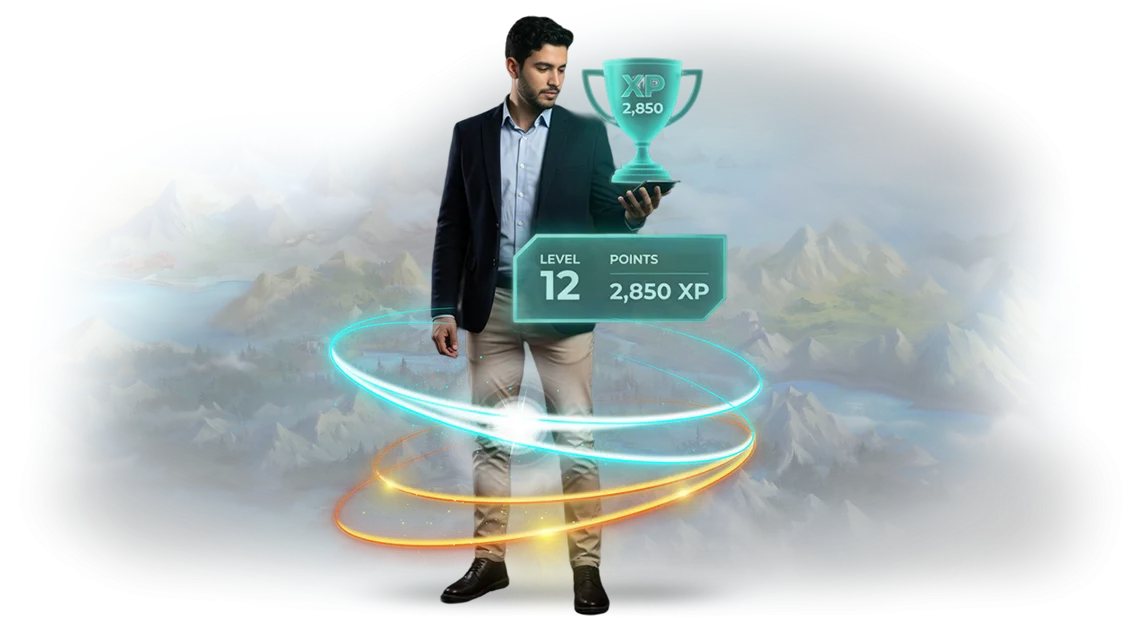
עיצוב משחקים ואינטגרציות: כיצד לשמר עובדים ולקוחות
העובדים מתרגלים לשגרה — העניין במשימות יורד, הלקוחות מפסיקים לשים לב למבצעים שלכם, והמדדים זוחלים מטה.
הבעיה אינה עצלנות או "אנשים לא מתאימים", אלא היעדר מוטיבציה מובנית: אם תהליך לא מייצר רגש, המערכת מאבדת אנרגיה תוך מספר חודשים.
גיימיפיקציה של תהליכים עסקיים פותרת זאת באמצעות מכניקות משחק: מטרות ברורות, רמות, סטטוסים, תחרות ותגמולים.
גישה זו מחזירה את הדרייב — והעובדים מתחילים לעבוד לא "תחת כפייה" אלא בהתלהבות, והלקוחות מוכנים יותר לעבור את המסע ממגע ראשון ועד רכישה.
אבל התוצאה האמיתית מגיעה מהשילוב של "עיצוב משחקים + אינטגרציות": המכניקות חייבות להיות משולבות בכלי העבודה שלכם — CRM, פורטל, אפליקציה, מערכת נאמנות.
אינטגרציות הן מה שהופך קמפיין חד-פעמי למערכת קבועה שדוחפת בעצמה לפעולה הרצויה: מילוי דוח, השלמת הכשרה, ביצוע הזמנה חוזרת או המלצה לחבר.
אנחנו מתכננים משחק סביב המטרה העסקית שלכם ומשלבים אותו בקפידה בתהליכים הקיימים — ללא שיבושים, ללא "עבודה שנייה" לעובדים, ועם אנליטיקה ברורה להנהלה.
עיצוב משחקים ואינטגרציות בביצוע שלנו הם כלי שמחזיק את תשומת הלב של הצוות והלקוחות שלכם לאורך זמן, ולא פלאש-מוב חד-פעמי.
מה מכניקות משחק נותנות לעסק
מכניקות משחק אינן משימות או אנימציה לבידור, אלא כלי לניהול התנהגות עובדים. הן נוגעות בדחף הטבעי של האדם להישגיות, התקדמות והכרה — אותו עיקרון שעומד מאחורי מובילי שוק כמו Duolingo.
בעסקים זה עובד בדיוק באותו אופן: עובד רואה את ההתקדמות שלו ורוצה להמשיך, גם כשהמשימה שגרתית.
בקיצור, גיימיפיקציה מתרגמת KPI-ים לשפה שכולם בצוות מבינים. מטרות עסקיות הופכות לרמות, סטטוסים ותגמולים, והעובדים מתערבים מעצמם כי מעניין אותם להגיע לשלב הבא.
רשימת בדיקה: מה משתנה בעסק
- מעורבות גבוהה יותר. תהליכים ודוחות משעממים הופכים לחלק מהמשחק. העובדים מבצעים משימות בעניין ולא תחת לחץ, כך שאיכות העבודה משתפרת.
- עמידה ביעדים. מדדים — מכירות, שיחות, לידים סגורים — מקושרים לתרחישי משחק. כל צעד לעבר המטרה מודגש, והיעד מפסיק להיות "רק מספר ב-CRM".
- אונבורדינג מהיר לעובדים חדשים. הכשרה בפורמט משחק מקצרת את זמן ההטמעה: עובד חדש לומד תהליכים דרך תרחישים קצרים ומקבל משוב מיידי, במקום לבזבז חודשים "בישיבה ליד חונך".
- ירידה בתחלופה. מערכת שקופה של סטטוסים ורמות מראה לעובדים הזדמנויות צמיחה. אנשים עוזבים פחות כשהם רואים שהמאמצים שלהם מתורגמים להכרה ולבונוסים.
- נאמנות גבוהה יותר. גיימיפיקציה יוצרת תחרות בריאה בתוך הצוות ותחושת שייכות לתוצאה משותפת. עובד נשאר בחברה כי מעניין אותו להתפתח דווקא כאן.
עבור כל מטרה, אנחנו בוחרים משהו שמספק אפקט מהיר: מנקודות ודירוגים פשוטים ועד תרחישים רב-שלביים עם תחרויות קבוצתיות. נבחן את התהליך שלכם ונציע מכניקות שסוגרות את הפער הספציפי שלכם.
פורמטים של גיימיפיקציה לכל מטרה: ממכירות ועד הכשרה
בעסק אחד, גיימיפיקציה עוסקת בהגדלת מכירות; באחר, בהעלאת עובד חדש למהירות במהירות. אין פתרון "קסם" אוניברסלי, אבל יש פורמטים מוכחים לכל מטרה ספציפית.
במקומות מסוימים, מכניקות תחרותיות קצרות עובדות; באחרים, קשתות נרטיביות ארוכות עם פיתוח מיומנויות עובדות. המפתח הוא לבחור פורמט שפוגע במטרה שלכם במדויק.
להלן טבלה של הפורמטים שאנחנו מיישמים לרוב. היא תעזור לכם לקבוע איזו אפשרות מתאימה לכם.
| פורמט | למי | מה הוא נותן ללקוח |
|---|---|---|
| גיימיפיקציה למכירות | צוותים מסחריים, מחלקות מכירות | המרה וסל ממוצע גבוהים יותר באמצעות תחרות בריאה ומוטיבציה שקופה |
| גיימיפיקציה לאונבורדינג | עובדים חדשים, משאבי אנוש, מנהלים | זמן קצר יותר עד להגעה לתפוקה מלאה, תחלופה נמוכה יותר בתקופת הניסיון |
| גיימיפיקציה לתמיכה | שירות לקוחות, תמיכה טכנית | מענים מהירים יותר ונאמנות לקוחות גבוהה יותר בזכות עובדים מעורבים |
| גיימיפיקציה ללמידה | מרכזי הכשרה, אוניברסיטאות תאגידיות | מעורבות גבוהה יותר ושימור חומר טוב יותר במקום "תיבות סימון" פורמליות |
| גיימיפיקציה לתרבות ארגונית | החברה כולה, מותג מעסיק | רוח צוות חזקה יותר, שחיקה מופחתת, תקשורת פנים-ארגונית טובה יותר |
הפורמט נבחר לא "ליופי" אלא לתוצאה מדידה: המרה, מהירות, שימור, פניות חוזרות. אנחנו מתכננים את החוקים ומשלבים גיימיפיקציה בתהליכי העבודה שלכם כך שהאפקט נראה בדוחות שלכם. אם אתם לא בטוחים איזה פורמט מתאים, נייעץ לכם בשיחת ייעוץ ראשונה ממה כדאי להתחיל.
שלבי הפרויקט: עיצוב משחקים ואינטגרציות במפתח מלא
אנחנו עובדים לפי שלבי הטמעה שקופים — אתם תמיד יודעים מה קורה בכל שלב ואיזו תוצאה תקבלו. אין "קופסאות שחורות": אחרי הבריף אתם רואים את התוכנית, אחרי פיתוח עיצוב המשחק אתם רואים מכניקות חיות, ולפני ההשקה אתם מקבלים גרסת בדיקה. גישה זו מסירה סיכונים ועוזרת לכם לאשר את הפרויקט ללא איטרציות ארוכות.
-
בריף וסקירת משימה. אנחנו אוספים את המטרות שלכם ומפרקים את התהליך העסקי שאתם רוצים לחזק עם מכניקות משחק. אנחנו מזהים את הקהל שעליו אנחנו משפיעים ואת התוצאה שנחשבת בעינינו להצלחה — הגדלת מכירות, מעורבות עובדים או נאמנות לקוחות.
-
פיתוח עיצוב המשחק. אנחנו מתכננים את התרחיש, מערכת התגמולים והחוקים כך שהמשתתפים ימצאו אותם ברורים ומרגשים. אנחנו מראים איך המכניקות משתלבות ספציפית בתהליך שלכם, במקום להשתמש בתבנית אחת שמתאימה לכולם.
-
אישור הפרויקט. אנחנו מציגים את האב-טיפוס והלוגיקה של הגיימיפיקציה העתידית. אנחנו מבצעים תיקונים לפי המשוב שלכם ומאשרים את הקונספט לפני תחילת העבודה — אתם רואים את המוצר הסופי לפני התכנות.
-
אינטגרציה טכנית. אנחנו מחברים את הגיימיפיקציה למערכות שלכם — CRM, אתר או פורטל פנימי. כל הנתונים מועברים בצורה מאובטחת, והעובדים או הלקוחות לא צריכים ללמוד כלים חדשים.
-
השקת הגיימיפיקציה. אנחנו בודקים את המכניקות עם קבוצה אמיתית, מאמנים מנהלי מערכת ומחליקים פינות. ביום ההשקה, אתם מקבלים מערכת עובדת שמספקת תוצאות ראשונות מיד.
-
תמיכה לאחר ההשקה. אנחנו עוקבים אחר הפעילות, מכינים דוח על המדדים שהושגו ומשפרים את המכניקות לפי הצורך. הגיימיפיקציה נשארת חיה: אנחנו משנים תגמולים, חוקים ורמת קושי כשהעסק דורש זאת.
בכל שלב, אתם מקבלים תוצר קונקרטי — מבריף מפורט ועד דוח תוצאות. לכן השקת גיימיפיקציה מתרחשת ללא הפתעות, וההחלטה הסופית תמיד נשארת בידיים שלכם.
מה כלול במסירה: מכניקות, דוחות והכשרה
המסירה כוללת לא רק סט של מכניקות, אלא פתרון מוכן המשולב בתהליכים העסקיים שלכם. אתם מקבלים חבילה מלאה: מתרחיש המשחק ועד הכשרת צוות ודוחות KPI שקופים.
- מכניקות משחק — תחרויות, רמות, נקודות, משימות ואלמנטים נוספים שיוצרים עניין ומחזיקים את תשומת הלב של המשתתפים.
- התאמה אישית של תהליכים — המכניקות משולבות בהליכים ובמערכות הנוכחיים שלכם, כך שההשתתפות דורשת מאמץ נוסף ואינה מפריעה לעבודה.
- דוחות KPI — אנליטיקה ברורה של פעילות, השגת יעדים ודינמיקת מדדים לפני ואחרי ההשקה. אתם רואים אילו מכניקות יעילות ויכולים להתאים תרחישים בזמן.
- צוות הפרויקט — מנהל ייעודי ומומחי גיימיפיקציה מלווים אתכם בכל שלב: מהבריף ועד ההשקה ותמיכה נוספת.
- הכשרת עובדים — הוראות וחומרים מתודולוגיים למנהלי מערכת ולמשתתפים, כך שכולם מבינים את החוקים ומצטרפים למשחק במהירות.
- מסירת הפרויקט — סט מלא של תיעוד: תיאור מכניקות, תפקידים, תרחישים, הוראות, גישות. כל מה שצריך כדי להעביר את הפתרון לפעולה ולפתח אותו הלאה.
כתוצאה מכך, אתם מקבלים כלי שמגביר מעורבות ואפקטיביות, ואתם מבינים במלואם איך הוא עובד. הפרויקט נמסר עם תיעוד ברור ותמיכה — אתם לא מתמודדים עם המערכת החדשה לבד.
מקרה בוחן: עמידה בתוכנית המכירות עלתה ב-32% ברבעון
המצב
מחלקת המכירות של מפיץ כלי עבודה חשמליים — נקרא לו Meridian — עבדה בצורה לא אחידה: חלק מהמנהלים חרגו מהיעדים שלהם, בעוד אחרים נתקעו בעקביות באמצע הדרך.
מדדי תוכנית סטנדרטיים לא עזרו: מספרים בגיליונות אלקטרוניים לא הניעו לפעולה, והפיקוח רק הגביר התנגדות. במקום לחץ, הצענו מכניקת משחק.
התוצאה
במערכת מעקב המכירות הופיעו נקודות עבור שיחות, פגישות וחשבוניות שהונפקו. לוח התוצאות התעדכן באופן מיידי, ובכל שבוע הושקה "משימה" חדשה — למשל, הבאת פלח לקוחות ספציפי לעסקה.
המכירות הפכו כך לתחרות שבה כל אחד רואה את התרומה שלו ואת המיקום שלו בצוות.
במהלך הרבעון, עמידה בתוכנית המכירות גדלה ב-32%. המנהלים החלו לעבוד עם צינור המכירות בצורה פעילה יותר, והתחלופה במחלקה ירדה — אנשים הגיעו בשביל ההתרגשות ונשארו בגלל העניין. הוספנו בכוונה בונוסים קבוצתיים כדי שתחרות בריאה לא תהפוך לעימות.
"הגיימיפיקציה הסירה את הפחד מהתוכנית. קיבלנו מעורבות ושקיפות: כל אחד רואה איך הפעולות שלו משפיעות על התוצאה הכוללת. תוך רבעון, ביקשנו להרחיב את המכניקות לשתי מחלקות נוספות." — מתוך המלצה של מנהל מסחרי.
מקרה גיימיפיקציה זה מראה שהגדלת מכירות אינה דורשת שינוי תהליכים או גיוס עובדים חדשים. מספיק להפוך את השגת היעדים לנראית ומרתקת. זו הסיבה שלקוחות חוזרים אלינו לפרויקטים הבאים שלהם.
איך לבחור את פורמט הגיימיפיקציה ואת שיטת החיבור?
בחירת פורמט גיימיפיקציה מתחילה לא במכניקות אלא במטרה העסקית. מה הכי חשוב לכם: לערב עובדים בתהליכים שגרתיים, להאיץ הכשרה או להגדיל מכירות? התשובה קובעת גם את הפורמט וגם את שיטת החיבור למערכות החברה.
לכל תרחיש יש פתרון משלו. סיכמנו את האפשרויות העיקריות בטבלה — תוכלו להעריך את הפורמט המתאים תוך דקות ספורות.
| פורמט | מתי לבחור | מה הוא נותן ללקוח |
|---|---|---|
| תחרות קבוצתית | צריך להגביר מכירות ופעילות מחלקתית | KPI-ים גבוהים יותר והתרגשות בריאה ללא פיקוח קפדני |
| תרחיש למידה | עובדים חדשים או מוצר חדש | הטמעה מהירה יותר, פחות טעויות |
| תוכנית נאמנות מצטברת | מוטיבציה ושימור לאורך זמן | השלמת משימות קבועה, ירידה בנטישה |
| מכניקת משימות (Quest) | השקת מוצר או אירוע פנימי | מעורבות של מספר גדול של משתתפים בזמן קצר |
אינטגרציה היא עניין נפרד. אנחנו משלבים גיימיפיקציה עם CRM ו-1C כך שתוצאות המשתתפים זורמות אוטומטית למערכות העבודה שלכם. אין צורך בהעברת נתונים ידנית או בשינוי התהליכים המוכרים של העובדים.
הדרישות הטכניות מינימליות: המערכת רק צריכה לעבוד בדפדפן ולהחליף נתונים עם השירותים שלכם — את השאר נגדיר בצד שלנו.
המפתח הוא לא לבחור פורמט באקראי. אנחנו נעזור לכם לבחור את המכניקות למטרה שלכם, לחבר אותן למערכות הנדרשות ולוודא שהכל עובד לפני ההשקה. אתם מקבלים גיימיפיקציה עובדת, לא "צעצוע" יפה.
התייחסות לספקות: חששות, התנגדויות וסיכונים
גיימיפיקציה של תהליכים עסקיים מעלה לעתים קרובות את אותם ספקות אצל מנהלים: "האם נפספס מועדים", "האם הנתונים ידלפו", "האם נקבל 'צעצוע' במקום כלי עבודה". זה נורמלי — כל פתרון חדש נבחן לסיכונים.
ביצענו עשרות הטמעות במשך 10 שנים ואנחנו יודעים היכן נוצרים בדרך כלל חששות ואיך לטפל בהם מההתחלה.
להלן, אנו מכסים את ארבע ההתנגדויות הנפוצות ביותר. התשובות קצרות — כדי שתראו שאנחנו כבר חושבים על זה בשבילכם.
האם קשה להטמיע גיימיפיקציה בתהליכים שכבר רצים?
הקושי תלוי לא בצד הטכני, אלא במעורבות העובדים. אנחנו מתחילים עם פיילוט קטן: לוקחים מחלקה אחת או משימה אחת, משיקים את המכניקות, ותוך כמה שבועות רואים את התגובה של האנשים. אם אתם מרוצים מהתוצאה, אנחנו מרחיבים.
אם לא, אנחנו משנים את התרחיש ללא אובדן תקציב. הטמעה בשלבים מפחיתה סיכונים ונותנת תוצאה ראשונה מהירה שנראית מיד.
עד כמה מאובטחים נתוני עובדים ולקוחות?
כל המידע נשאר בתוך המרחב שלכם. אנחנו לא מעבירים אותו לצדדים שלישיים, לא משתמשים בשירותי ענן חיצוניים ללא הסכמתכם, ומגדירים גישות כך שרק אנשים מורשים יוכלו לראות תוצאות.
הגיימיפיקציה רצה על השרתים שלכם או במרחב מוגן — זה מצוין בחוזה ומאומת בתקופת הניסיון.
האם לוח הזמנים של הפרויקט יתארך?
מועדים קבועים בתוכנית לפני תחילת העבודה, ואנחנו אחראים לעמוד בהם. הזמן העיקרי מושקע לא בתכנות, אלא ביישור תרחישים עם הצוות שלכם.
לכן אנחנו אוספים את כל הדרישות מראש במהלך הבריף, מאשרים את המכניקות ורק אז כותבים קוד. אם עולים תיקונים בדרך, הם לא משפיעים על תאריך ההשקה הכולל — אנחנו בונים זמן רזרבי לאישורים.
האם נאבד שליטה על תהליכים עסקיים?
גיימיפיקציה לא מחליפה את מערכת הניהול שלכם — היא משלימה אותה. מנהל רואה אנליטיקה לכל משתתף: מי פעיל, אילו משימות קלות, היכן יש עיכובים.
כל ההגדרות נשארות אצלכם — אתם יכולים לשנות את החוקים, לעצור את המשחק או להוסיף תרחישים חדשים בכל עת. השליטה רק מחליפה ידיים במובן אחד: העובדים מתחילים לעקוב אחר התוצאות שלהם בעצמם.
אם זיהיתם את עצמכם בשאלות אלה, זה סימן טוב. הכנו תשובה מפורטת לכל חשש בפורמט "שאלה — תשובה" להלן.רוצים לדון במשימה שלכם? השאירו פנייה להצעת מחיר
השאירו פנייה להצעת מחיר, ונכין הצעה מסחרית מותאמת למשימה שלכם. ראשית, ננהל שיחת ייעוץ על אילו תהליכים כדאי לגיימיף קודם: רכישת לקוחות, מוטיבציית עובדים או הכשרת שותפים.
לאחר מכן נקבע מועדים, פורמט ותקציב, כך שתקבלו החלטות על סמך מספרים ברורים, לא הבטחות.
מה כלול בהכנה להשקת הפרויקט:
- שיחת ייעוץ: אנחנו מנתחים את המשימה העסקית שלכם ומצביעים היכן גיימיפיקציה תספק אפקט מהיר.
- הערכת עלות במפתח מלא: אנחנו מעריכים מועדים, פורמט ועלות — ללא עבודה נסתרת או "כוכביות" בהצעה.
- הצעה מסחרית: אנחנו מגדירים היקף עבודה, שלבים, תוצאה ואחריות של שני הצדדים.
- דוגמאות והפניות: אנחנו מציגים מקרים מהתעשייה שלכם כדי שתבינו איך זה עובד אצל אחרים.
- תוכנית השקה אישית: אנחנו קובעים מי ומה נדרש מהצוות שלכם כדי שההתחלה תהיה חלקה.
- תמיכה לאחר ההתחלה: אנחנו נשארים בקשר, עונים על שאלות ועוזרים לבנות את המכניקות בתהליכים היומיומיים.
השאירו פנייה להצעת מחיר — תוך יום עסקים אחד, נשלח לכם מסמך עם מספרים ומועדים. אם הכל מתאים לכם, נעבור להשקת הפרויקט מיד לאחר האישור. אם לא, עדיין תקבלו הצעת מחיר ותוכנית ברורים שתוכלו להשתמש בהם מאוחר יותר.