

מדוע משתתפים נושרים מתוכניות תכנות ומיומנויות IT
לפי גאלופ, רוב המשתתפים מאבדים מוטיבציה תוך מספר שבועות מתחילת התוכנית. הדבר חריף במיוחד בתוכניות תכנות ומיומנויות IT: החומר קשה, התוצאות לא מגיעות במהירות, וללא התקדמות נראית לעין, העניין דועך.
כתוצאה מכך, שיעור הנשירה בהכשרות מגיע לשליש מהקבוצה — והחברה מפסידה כסף, זמן ועובדים מבטיחים.
מדוע זה קורה? קורסים קלאסיים בנויים סביב הרצאות ומבחנים, ללא מקום לרגשות, תחרות או ניצחונות מהירים. המשתתפים לא רואים את המסלול שלהם, לא מקבלים משוב מיידי, ומפסיקים להבין למה הם עושים זאת.
זה קריטי במיוחד לשימור עובדים: אם אדם לא מרגיש התקדמות, הוא נשרף במהירות ומחפש התפתחות במקום אחר.
עבור העסק, המשמעות היא הפסדים ישירים: הכשרה בתשלום לא מניבה תוצאות, המיומנויות לא מיושמות בעבודה, והצוות נשאר ללא הכישורים הנדרשים.
גם האקלים הפנימי נפגע — עמיתים שרואים שההכשרה היא "למראית עין" מאבדים אמון ביוזמות החברה.
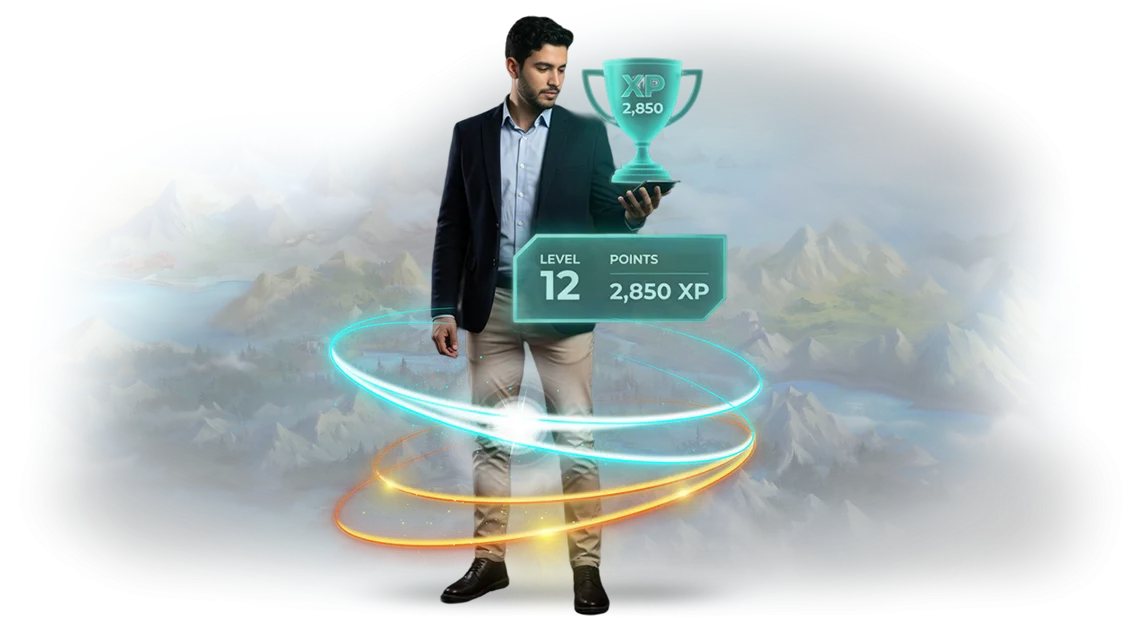
כאן נכנסת הגיימיפיקציה של הקורס. היא הופכת למידה שוחקת ומשעממת למשחק עם רמות, נקודות, פרסים ותחרות חיה. המשתתפים רואים את ההתקדמות שלהם, זוכים בניצחונות מהירים, ולא רוצים לוותר על מה שהתחילו.
כתוצאה מכך, המוטיבציה של המשתתפים נשארת גבוהה לאורך כל הדרך, ותוכניות תכנות ומיומנויות IT מניבות תוצאות מדידות — מהגברת המעורבות ועד לצמיחה אמיתית במיומנות.
אנחנו עוזרים לכם לשלב מכניקות כאלה בהכשרה שלכם: אנו מתכננים מערכת מוטיבציה שמקיימת עניין ומפחיתה נשירה. בחלקים הבאים נפרט בדיוק איך זה עובד ומה העסק מרוויח.
מה גיימיפיקציה של תהליכים עסקיים מביאה: 5 תוצאות מדידות
מעורבות היא התוצאה הראשונה שאתם רואים כבר מההתחלה. כשהכשרת תכנות ומיומנויות IT הופכת למשחק, המשתתפים חוזרים למשימות בעצמם, משלימים מודולים עד הסוף, ונהנים מהתהליך.
במקום הרצאות פסיביות — השתתפות פעילה, יותר חומר שהושלם, ופחות קורסים שננטשו.
התוצאה השנייה היא שימור משתתפים בתוכניות ארוכות. במקום שבו המוטיבציה בדרך כלל יורדת, מכניקות משחק שומרות על העניין: רמות, פרסים, התקדמות נראית לעין.
עבורכם, זה אומר השלמת קבוצה צפויה, שיעור סיום סופי גבוה, והשתתפות חוזרת במחזורים עתידיים.
ההשפעה השלישית הניתנת למדידה היא מודעות למותג. גיימיפיקציה נותנת לאנשים סיבה לדבר על התוכנית: שיתוף נקודות, דיון במשימות, השוואת הצלחות.
כל שיחה כזו היא אזכור חינמי של החברה, שמחזק את המיצוב כמעסיק או כפרויקט חינוכי.
התוצאה הרביעית היא פניות של לקוחות חדשים. אלמנטים משחקיים מייצרים ביקוש באופן טבעי: אחרי קבלת רגשות ותוצאות, המשתתפים ממליצים על התוכנית לעמיתים.
בנוסף, מגיעות פניות מאלה שראו את ההצלחות של אחרים — ההמרה לפניות אמיתיות גדלה.
התוצאה החמישית היא המהירות והאיכות של רכישת מיומנויות IT. כשהתרגילים מרגישים כמו משחק, המשתתפים מקבלים יותר תרגול בפחות זמן ומנתחים טעויות מבלי לאבד מוטיבציה. אתם מקבלים צמיחה מדידה: ציונים גבוהים יותר, השלמת פרויקטים מהירה יותר, והערכות סופיות טובות יותר.
פורמטים של גיימיפיקציה למשימות עסקיות שונות
פורמט הגיימיפיקציה קובע כיצד העובדים מתחברים לתהליך ואילו תוצאות העסק מקבל. עבור תוכניות תכנות ומיומנויות IT, חשוב לא רק לערב את הצוות אלא לבנות מיומנויות מעשיות שייושמו לאחר מכן בעבודה.
לכן אנחנו בוחרים את הפורמט לפי המשימה הספציפית: סגירת פערי ידע, תרגול תרחיש, או זיהוי מנהיגים.
להלן השוואה בין הפורמטים העיקריים שבהם אנו משתמשים בפרויקטים עסקיים.
| פורמט | מתאים למשימות | מה זה נותן ללקוח |
|---|---|---|
| חידון | בדיקת ידע מהירה, מעורבות קהל רחב, השקת הכשרה | תמונת מצב של ידע בנושאי IT, כיסוי של כל העובדים, כניסה קלה למתחילים |
| סימולטור | תרגול מצבי עבודה אמיתיים: תקלות, מקרים, שגרה | הרגל לפעול נכון, פחות טעויות, דינמיקת התקדמות נראית לעין |
| תחרות | האצת פתרון בעיות, הנעה לתוצאות, זיהוי מצטיינים | רוח תחרותית בריאה, תוצאות מהירות ואיכותיות יותר, קריטריוני הערכה ברורים |
| משחק תפקידים | פיתוח תקשורת בצוותי IT, לימוד אינטראקציה | תיאום בין מחלקות, תרגול תרחישי "מפתח — לקוח", מיומנויות רכות |
גישה זו עובדת כי כל פורמט פותר משימה משלו. חידון מערב אפילו את אלה שלא אוהבים ללמוד, סימולטור מספק תרגול בטוח, תחרות יוצרת אנרגיה, ומשחק תפקידים משפר תהליכי צוות.
אנחנו לא מגבילים את עצמנו לאפשרות אחת — לעתים קרובות אנו משלבים פורמטים בתוכנית אחת. לדוגמה, אנחנו מתחילים עם חידון לאבחון, ואז מריצים סימולטור לתרגול מיומנויות, ומסיימים בתחרות מדורגת.
זה שומר על עניין בכל שלב ונותן ללקוח תוצאות מדידות: מהגברת מעורבות ועד פחות טעויות בתהליכי עבודה.
כיצד גיימיפיקציה מחזקת מיומנויות IT באמצעות תרגול
גיימיפיקציה מחזקת מיומנויות IT רק כאשר כל שלב ביישום שקוף וברור ללקוח. צוות העבודה שלנו בנוי כך שתראו תוצאות בכל שלב: מהבריף הראשון ועד לתמיכה לאחר ההשקה. זה מסיר סיכונים ומאפשר לכם להתאים את הקורס בזמן.
שלבי היישום
-
בריף והתעמקות במשימה. אנו מגדירים את המטרות, קהל היעד ותרחישי השימוש בגיימיפיקציה בתוכנית ההכשרה שלכם. אתם מקבלים הבנה ברורה של היקף העבודה ולוחות הזמנים.
-
תוכנית ויישור קו. אנו מפתחים את הקונספט: אילו מכניקות יניבו את האפקט הגדול ביותר לחיזוק מיומנויות IT. אנו מיישרים איתכם את נקודות המפתח — לפני תחילת הפיתוח, לא אחריו.
-
עיצוב איזון המשחק. אנו בוחרים רמות קושי, פרסים ומשוב כך שהתרגול יהיה סדיר וההתקדמות נראית לעין. שלב זה משפיע ישירות על מעורבות הלומדים.
-
פיתוח ואינטגרציה. אנו מיישמים גיימיפיקציה בתוכנית התכנות ומיומנויות ה-IT שלכם באמצעות כלים מקצועיים ופתרונות מוכחים. אתם מקבלים מוצר עובד, לא אוסף של רעיונות.
-
השקה והכשרת צוות. אנו מריצים את ההשקה, תומכים במשתמשים הראשונים ואוספים משוב. המדריכים והמנהלים שלכם מקבלים הנחיות כיצד להשתמש במכניקות החדשות.
-
תמיכה ופיתוח. לאחר ההשקה, אנחנו נשארים בקשר: מנתחים מדדים, מתאימים את האיזון, מוסיפים אלמנטים חדשים. הגיימיפיקציה ממשיכה לעבוד למען התוצאות.
מה כלול בתוצרים: ערכה להשקת גיימיפיקציה
כשאתם מזמינים פיתוח גיימיפיקציה לתוכניות תכנות ומיומנויות IT, אתם מקבלים לא תיאור של רעיונות אלא ערכה מוכנה להשקה.
היא מותאמת לתוכנית שלכם, תוך התחשבות במטרות הלמידה, הקהל ופורמט המפגשים — הצוות שלכם רק צריך להפיץ את החומרים ולהתחיל להשתמש במכניקות.
הנה מה שכלול במשלוח:
- תרחיש גיימיפיקציה — קו עלילה והגיון של אירועי משחק שהופכים את השלמת הקורס למסע מרתק. התרחיש שומר על תשומת לב, מפחית עייפות ויוצר חיבור רגשי ללמידה.
- איזון משחק — מערכת מעוצבת היטב של פרסים, קושי וקצב כך שהמשתתפים לא מאבדים עניין ולא נוטשים משימות. האיזון מחושב לפי הרמה האמיתית של התלמידים שלכם, כך שהמשימות נשארות ברות השגה אך לא משעממות.
- ממשק ועיצוב ויזואלי — מסכים ברורים, אלמנטים של התקדמות, כפתורים ורמזים שאינם דורשים הכשרה נפרדת. התלמידים רואים מיד מה לעשות הלאה, והמדריכים רואים היכן כל משתתף נמצא.
- חומרים מתודולוגיים — מדריך מפורט למדריך או למנהל: כיצד לשלב את המשחק בשיעורים, כיצד להגיב לתרחישי התנהגות שונים, כיצד להשתמש באלמנטים משחקיים לשיפור ביצועים. המדריך מתאים את עצמו לפורמט שלכם — פרונטלי, מקוון או היברידי.
- אנליטיקה ודיווח — לוח מחוונים של מדדים שמראה התקדמות תלמידים, השלמת רמות, זמן השלמת משימות והצלחה מול התוכנית. אתם רואים אילו נושאים קלים ואיפה נדרשת תמיכה נוספת, ויכולים להתאים את ההכשרה בזמן.
- תיעוד טכני וקוד — קבצי מקור, הגדרות והערות למפתחים שלכם. אם תצטרכו לבצע שינויים או לשלב גיימיפיקציה עם המערכת שלכם, יהיה לכם כל מה שצריך.
כל פריט בערכה מועבר בפורמט נוח ומלווה בהסברים. אנו מספקים ייעוץ חינם לצוות שלכם לאחר המסירה — עד שתשיקו את הגיימיפיקציה ותראו את התוצאות הראשונות.
מקרה בוחן: צמיחה של 74% במעורבות בהכשרה ארגונית
הכשרה ארגונית הופכת לעתים קרובות למטלה: אנשים צופים בקורסים רק כדי "לסמן וי", לא מיישמים את הידע ושוכחים במהירות את החומר.
חברת Sber חיפשה דרך לתקן זאת — הם פנו אלינו עם המשימה להחיות את תוכנית הכשרת מיומנויות ה-IT ולהבטיח שעובדים לא יפסיקו את הקורס באמצע.
הצענו לא לדלל את ההרצאות בחידונים, אלא לבנות מחדש לחלוטין את אופן המסירה: חומר הלמידה שולב בקו עלילה משחקי שבו כל אחד התקדם ממתחיל למומחה.
במקום צפייה פסיבית בסרטונים — משימות מעשיות, משימות משחק ותחרויות קבוצתיות. התקדמות המשתתפים נראית בלוח תוצאות משותף, נקודות וסטטוסים מוענקים על הישגים, וקבוצות מתחרות על המקום הראשון.
תוצאות התוכנית: המעורבות גדלה ב-74%, שיעור הסיום הסופי גדל פי 1.5, והעניין בחומרים משלימים שולש.
המשתתפים כתבו בסקרים שבפעם הראשונה הם חיכו למפגש הבא, ומנהלים שמו לב שעובדים החלו לדון במשימות הכשרה גם בתקשורת לא פורמלית — דבר שמעולם לא קרה לפני כן.
המכניקה הזו הפכה כעת לבסיס לכל מחזורי ההכשרה החדשים, והלקוח חזר אלינו עם בקשה לקורסי המשך. עבורנו, זה המדד הטוב ביותר: גיימיפיקציה עוזרת כשהיא פותרת בעיה עסקית אמיתית, לא רק מוסיפה נקודות.
איך לבחור פורמט גיימיפיקציה למשימה שלכם?
אין גיימיפיקציה אוניברסלית, ולכן בחירת הפורמט מתחילה לא במכניקות אופנתיות אלא במטרות עסקיות. ללמד עובדים לעבוד בתוכנית חדשה זה דבר אחד; לשמור על תשומת הלב של לקוחות באתר או להאיץ מכירות זה דבר אחר.
כל משימה דורשת הגיון משחק משלה: תרחיש, חוקים, מערכת תגמול ומשוב. אם המטרה לא מוגדרת, כל גיימיפיקציה הופכת לקישוט יפה אך חסר תועלת.
הגורם השני הוא הקהל. מפתחים מנוסים ומתחילים, מנהלים ומומחי IT תופסים אלמנטים תחרותיים, רמות ומשימות קבוצתיות בצורה שונה.
לקהל צעיר יותר, מתאימות מכניקות מהירות עם דירוגים ופרסים; לקהל בוגר יותר, תרחישים ברורים עם למידה וחונכות.
אנו מנתחים כיצד המשתמשים שלכם רגילים לתקשר עם תוכניות ובוחרים מכניקות שיניעו אותם ספציפית, ולא ייראו כמו "משחק לשם המשחק".
לבסוף, התקציב קובע את היקף הפתרון: מאלמנטים קלים של מוטיבציה בתוך מערכת קיימת ועד לפלטפורמה מלאה עם רמות, הישגים ואנליטיקה.
בשלב הראשוני, מספיק להשיק גרסת ניסיון עם מכניקה אחת ולמדוד את התגובה — זה נותן תוצאה מהירה ללא עלויות מיותרות. ברגע שתראו מה עובד, הפתרון מוגדל לכל תהליכי החברה.
יחד איתכם, אנו עוברים את הדרך מבריף להשקה: מגדירים את המטרה, חוקרים את הקהל, מציעים פורמט שמתאים לתקציב, ומראים את האפקט באמצעות מדדים ברורים — מעורבות, מהירות למידה, המרה.
אתם מקבלים לא משחק מופשט אלא כלי עבודה שפותר משימה עסקית ספציפית ומחזיר את ההשקעה.
חששות נפוצים: מה אם גיימיפיקציה לא תעבוד?
להתלבט לפני השקת גיימיפיקציה זה נורמלי.
כל כלי שמשנה תהליכים מוכרים מעלה שאלות: "מה אם העובדים לא יאהבו את זה", "מה אם המכניקה תתברר כמורכבת מדי או להיפך משעממת", "מי יתקן דברים כשמשהו ישתבש". אנחנו שומעים את החששות האלה בכל בריף, ולכן אנו מיד משלבים את הטיפול בהם בפרויקט — והנה איך זה נראה בפועל.
מה אם המכניקות לא יעבדו בפעם הראשונה?
אנחנו לא מוסרים את הפרויקט "כמו שהוא" ולא מחכים שמשתמשים יבינו לבד. לפני ההשקה, המכניקות נבדקות על קהל אמיתי: אנו אוספים משוב, רואים היכן המשתתפים מאבדים עניין, ומתאימים את איזון הפרסים והקושי.
זו לא בדיקה חד-פעמית, אלא מחזור: בדיקה — שיפור — השקה. עד למועד הפרסום, אתם מקבלים מכניקות שכבר הוכיחו שהן עובדות.
מה אם גיימיפיקציה תתקלקל במהלך הפעולה?
כל מערכת דורשת תחזוקה, ואנחנו לוקחים זאת בחשבון. לאחר ההשקה, אנחנו נשארים בקשר: מנטרים את העומס, עונים על שאלות משתמשים ומתקנים שגיאות במהירות.
עבורכם, זה אומר שהתוכנית לא תישאר ללא תמיכה ברגע הקריטי ביותר — ועובדים לא יאבדו גישה למשימות ופרסים.
אילו ערבויות אתם מספקים לתוצאה?
אנו מציבים מטרות מדידות לפני ההשקה: צמיחת מעורבות, מספר משימות שהושלמו, מהירות השלמת ההכשרה או מדדים אחרים שחשובים ספציפית לכם. לאחר ההשקה, אנו מציגים את התוצאות בדוחות ברורים — מה עבד ומה כדאי לחזק.
אם היעדים לא מושגים בתוך התקופה המוסכמת, אנו משפרים את המכניקות ללא תשלום. אנחנו לוקחים על עצמנו את הסיכון של כישלון.
הסכמים אלה כתובים בחוזה, כך שאתם מבינים בעד מה אתם משלמים ואיזו תוצאה תקבלו. גיימיפיקציה היא לא הגרלה, אלא תהליך ניתן לניהול: עם בדיקות, תמיכה וערבויות ברורות. אם עדיין יש לכם שאלות, שאלו אותן בחלק הבא, או כתבו לנו ישירות.השאירו פנייה — נכין פתרון למשימה שלכם
השאירו פנייה — ונכין פתרון למשימה שלכם. אנו נעצב גיימיפיקציה לתוכניות תכנות ומיומנויות IT, תוך התחשבות במטרותיכם ובמאפייני הקהל.
תקבלו לא רק תשובה, אלא תוכנית פעולה מוכנה — מה משתנה, איך זה מיושם ומתי יופיעו תוצאות.
מה כלול בהכנת הפתרון:
- פנייה. אתם מתארים את המשימה, אנו יוצרים קשר תוך יום עסקים אחד ומבהירים את הפרטים.
- בריף. אנו יוצרים בריף מובנה כדי לכסות את המטרות, הקהל, תוכניות ההכשרה הנוכחיות והציפיות שלכם מהגיימיפיקציה.
- ניתוח ותוכנית. אנו בוחנים את תוכניות התכנות ומיומנויות ה-IT שלכם, מציעים קונספט למכניקות משחק, תרחיש יישום ומדדי אפקטיביות.
- הערכת לוחות זמנים. אנו קובעים לוחות זמנים ריאליים לפרויקט שלכם — משלב הפיתוח ועד ההשקה והתוצאות הראשונות.
- הצעה מסחרית. אנו מכינים הצעה שקופה עם היקף העבודה והעלות, ללא תנאים נסתרים או סעיפים מיותרים.
- תמיכה שוטפת. לאחר ההשקה, אנחנו נשארים בקשר ומתאימים את הפתרון על סמך משוב ואנליטיקה.
כדי לקבל את הבריף, התוכנית, הערכת לוחות הזמנים וההצעה המסחרית — השאירו פנייה. אנחנו נכין הכל למשימה שלכם; כל מה שנשאר לכם זה לקבל את ההחלטה.