

למה עובדים לא משתמשים במערכת המכירות?
החברה השקיעה בהטמעת מערכת מכירות, אבל המנהלים ממשיכים לעבוד בדרך הישנה: הם ממלאים כרטיסים באופן אקראי, שוכחים לתעד שיחות, והדוחות הסופיים לא משקפים את התמונה האמיתית.
במקום משפך שקוף, ההנהלה מקבלת "מאגר נתונים מת", וההכנסות תלויות ישירות במי מהמוכרים שבמקרה זכר להזין את הנתונים.
מעורבות נמוכה אינה נובעת מעצלנות של עובדים — בדרך כלל מערכת המכירות נתפסת כביורוקרטיה מיותרת. המוכרים לא רואים איך היא מפשטת את עבודתם או מגדילה את הרווחים שלהם, ולכן ההתנגדות גוברת, והכשרת המכירות מסתכמת במילוי פורמלי של שדות. הטמעת מערכת מכירות הופכת לכפייה שהורגת יוזמה ודיוק נתונים.
ההשלכות ברורות: עסקאות נמשכות, הסכמים חשובים הולכים לאיבוד, ולקוחות מרגישים שמשרתים אותם "בניחוש". ההנהלה לא יכולה להיכנס למשא ומתן בזמן כי היא לא רואה את השלבים האמיתיים של העסקה.
כל זה פוגע בהכנסות וגורם לאנשים לפקפק אם ההשקעה באוטומציה הייתה שווה.
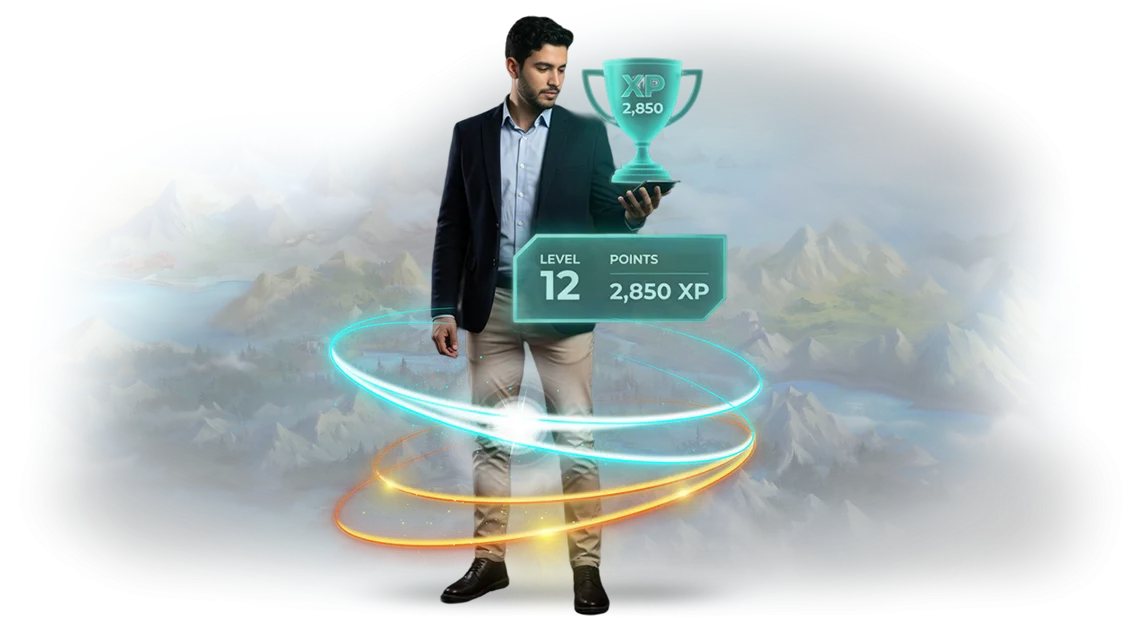
הפתרון הוא לא להכריח, אלא לערב. אנחנו הופכים את העבודה השגרתית עם המערכת לפורמט משחק: תחרות בין מוכרים, מטרות ברורות, תגמולים על מילוי קבוע של כרטיסים, ותנועה מהירה במשפך.
המוטיבציה גדלה באופן טבעי, והטמעת מערכת המכירות עוברת ללא התנגדות כי העובדים רואים תועלת אישית.
כך הנתונים הופכים לשיקוף מדויק של המציאות, והכשרת המכירות הופכת למעשית ומרתקת. כל מוכר מבין איך המערכת עוזרת לו להוביל לקוח עד לסגירת העסקה, בעוד ההנהלה מקבלת משפך ניתן לניהול והמרה גבוהה יותר.
גימיפיקציה סוגרת את נקודת הכאב המרכזית — מעורבות נמוכה, שהופכת מערכות מכירות לפורמליות ריקה.
מה גימיפיקציה תיתן למערכת המכירות שלך?
גימיפיקציה הופכת את מערכת המכירות מאוסף הוראות לסביבה חיה שבה המוכר מחויב אישית לעמידה בתוכנית.
במקום דוחות משעממים ופיקוח מלמעלה — מרוץ שקוף לתוצאות, שבו כל צעד נראה לעין והמאמצים מקבלים משוב מיידי. זה עובד על הדחף הטבעי להתחרות ולהשיג, כך שמעורבות העובדים גדלה ללא לחץ אדמיניסטרטיבי נוסף.
להנהלה: סדר במספרים וצמיחת KPI
ההנהלה מקבלת מערכת שבה ביצוע התוכנית נראה בזמן אמת: מי מוביל, מי מפגר, אילו שלבי משפך צונחים.
גימיפיקציה לעסקים היא לא משחק לשם המשחק, אלא כלי ניהולי: היא הופכת את המשמעת של המוכרים לטבעית ולא כפויה. כתוצאה מכך, המכירות גדלות כי העובדים מתחילים לעשות את הדברים הנכונים באופן שיטתי, לא מדי פעם.
איכות הנתונים משתפרת גם היא: כשמוכר רואה שכל שלב שהושלם משפיע על הדירוג והבונוס שלו, הוא מפסיק להתעצל ב-CRM. ההנהלה מבזבזת פחות זמן על בדיקות ידניות ויותר על פיתוח הצוות.
למוכרים: מטרה ברורה והערכה הוגנת
גימיפיקציה עונה על השאלה המרכזית של המוכר: "מה אני צריך לעשות כדי למכור יותר ולהרוויח יותר?" במקום "להיות פעיל יותר" מופשט — רמות קונקרטיות, משימות ותגמולים על תוצאות אמיתיות. זה מפחית שחיקה כי ההתקדמות נראית כל יום, לא פעם ברבעון.
התחרותיות מפסיקה להיות רעילה: עובדים רואים את ההצלחות של אחרים ולומדים מהמובילים במקום רק לקנא בהם. רוח צוות נוצרת כשהתוצאה הקולקטיבית משפיעה על הבונוס הקבוצתי.
כך הצוות שלנו עוזר לבנות מערכת מכירות שמפתחת אנשים תוך מתן צמיחה מדידה במדדי מפתח לחברה.
מה זה אומר בפועל
הטמעת מכניקות משחק מחזירה את ההשקעה תוך חודשים ספורים: המרה גבוהה יותר, עמידה יציבה בתוכנית, פחות תחלופה. המערכת גם נשארת גמישה — ההנהלה מגדירה את החוקים, רמות הקושי והתגמולים בהתאם ליעדים העסקיים הנוכחיים.
והכי חשוב, כולם רואים את השינויים: ממנהל האנליטיקה ועד המוכר הפשוט.
פורמטים של גימיפיקציה למשימות עסקיות שונות
גימיפיקציה של מערכת מכירות מביאה תוצאות רק כשהפורמט תואם את סוג הצוות ואת היעד הנוכחי. במחלקה אחת, זו תחרות שמדליקה את המוכרים; באחרת, זה אימון; בשלישית, זה מרוץ למרחקים ארוכים עם אבני דרך ברורות. אנחנו מתכננים את המשחק סביב המצב שלך במקום לכפות על הצוות תבנית.
להלן שלושה פורמטים מרכזיים שמכסים את רוב יעדי המכירות.
פורמטים לפי סוג צוות
| פורמט | למי | מה זה נותן ללקוח |
|---|---|---|
| תחרותי | מחלקות בוגרות שבהן המנהלים כבר יודעים למכור | המרה וסל ממוצע גבוהים יותר דרך תחרות בריאה, מדדים שקופים לכל מנהל |
| חינוכי | עובדים חדשים וצוותים עם תחלופה גבוהה | הגעה מהירה ליעדי התוכנית, טיפול בהתנגדויות ללא לחץ, פחות טעויות בעסקאות |
| מרתון | מחלקות עם מחזור עסקה ארוך | פעילות מתמשכת בכל שלבי המשפך, נגיעות שוטפות עם לקוחות, יותר מכירות חוזרות |
איך לבחור לפי מטרה
אם צריך להעלות במהירות את ההכנסות עד סוף הרבעון, לכו על הפורמט התחרותי עם דירוגים קבוצתיים ואישיים. אם המטרה היא לחזק מיומנויות ולהפחית תלות ב"כוכבים", הפורמט החינוכי עם רמות ומשוב עובד היטב.
לעבודה ארוכת טווח עם בסיס הלקוחות, בחרו במרתון: הוא בונה הרגלים מתמשכים אצל המוכרים ומגביר את נאמנות הלקוחות.
מכניקות משחק — נקודות, רמות, תגים — הן כלים, לא מטרה בפני עצמה. אנחנו מתאימים אותן לסוגי המוטיבציה של העובדים שלכם: לחלק, סטטוס והכרה הם החשובים ביותר; לאחרים, שיא אישי; ולאחרים, תוצאה קבוצתית. כך גימיפיקציה של מחלקת המכירות עובדת עבור העסק ולא רק מבדרת.
איך אנחנו מיישמים גימיפיקציה: מבריף ועד השקה
אנחנו מבינים שגימיפיקציה משנה את ההתנהגות של עובדים ולקוחות, אבל רק כשתהליך היישום שקוף ומבוקר.
לכן בנינו את העבודה שלנו כך שתוכלו לראות מה קורה בכל שלב ולהשפיע על התוצאה מבלי לפספס מועדים.
- בריף פיתוח — אנחנו לוכדים את היעד העסקי: מה בדיוק צריך להאיץ, להגדיל או לשנות במערכת המכירות.
- ניתוח ותוכנית — אנחנו חוקרים תהליכים קיימים, מזהים נקודות מוטיבציה ומציעים מכניקות משחק שמתאימות לעבודה היומיומית שלכם ללא הפרעות.
- אב-טיפוס ויישור קו — אנחנו מראים איך המכניקות יעבדו בפועל, דנים בפרטים ומאשרים את הקונספט.
- יישום — אנחנו מגדירים את רכיבי הגימיפיקציה, משלבים אותם עם הכלים שלכם ובודקים שהכל עובד בצורה אמינה.
- השקה — אנחנו משיקים את הפתרון, מאמנים את הצוות ותומכים בימים הראשונים כדי להבטיח מעבר חלק.
- לאחר השקה ותמיכה — אנחנו מנתחים מדדים, מתקנים את האיזון, מוסיפים תרחישים חדשים — הגימיפיקציה חיה ומתפתחת יחד עם העסק שלכם.
פרטי יישור קו חשובים
הכלל המרכזי: אתם תמיד יודעים על מה אתם משלמים ומה אתם מקבלים. בשלב הבריף, אנחנו קובעים יעדים, לוחות זמנים וקריטריוני הצלחה — לדוגמה, צמיחת המרה או קיצור זמן טיפול בליד.
כל החלטה על איזון המשחק מסוכמת איתכם לפני היישום כך שהמכניקות לעולם לא סותרות את מערכת המכירות.
תיקונים מטופלים בזרימת עבודה רגילה: אתם נותנים משוב, אנחנו מבצעים שינויים ומראים את התוצאה. אין "קופסאות שחורות" — רק שלבים ברורים, דוחות קבועים והבטחה שהשקת הגימיפיקציה תעבור ללא השבתה. בסופו של דבר, אתם מקבלים כלי שמגביר מכירות במקום להסיח מהן.
מה אתם מקבלים לאחר היישום
לאחר שגימיפיקציה עולה לאוויר, אתם מקבלים לא רק שכבה של בידור, אלא מערכת עובדת שמעלה את אפקטיביות המכירות. הצוות שלנו מוסר סט מלא של מסמכים והגדרות כך שתוכלו להשתמש במכניקות מיד, ללא חימום ארוך.
הנה מה שכלול בתוצאה:
- מסמך איזון משחק — חוקים שקופים להענקת נקודות, רמות ובונוסים. אתם רואים איך כל פעולה של מוכר משפיעה על הדירוג והתגמול שלו.
- חוקי משחק לעובדים — סט חוקים פשוט שגם עובד חדש יכול להבין. אין הוראות מסובכות: איך לצבור נקודות, על מה מנכים, ואיך להמיר אותן לפרסים.
- קטלוג פרסים ורשת מוטיבציה — אנחנו בוחרים תגמולים שמתאימים לתקציב שלכם ולענייני הצוות: ממוצרי מיתוג ועד בונוסים. הפרסים מסונכרנים עם ההישגים כדי לשמור על עניין גבוה.
- תוכנית אינטגרציה עם תהליכים קיימים — הגימיפיקציה משתלבת במערכת מעקב העסקאות והדיווח שלכם. המוכרים ממשיכים לעבוד בכלים מוכרים, וכל הסטטיסטיקות של המשחק זורמות אוטומטית לדשבורד הראשי.
- הגדרות תפקידים וגישה — אתם שולטים מי רואה את הדירוגים, מי מנהל הענקת נקודות ומי אחראי על התאמות חוקים.
- הוראות להנהלה — איך להשיק את המשחק, לשמור על ההתלהבות ולהתאים את האיזון כשיעדים עסקיים משתנים.
הכל ארוז כך שההשקה אורכת ימים, לא חודשים. אתם מקבלים יותר מסתם מסמכים: אתם מקבלים תוכנית עבודה שכבר הוכחה בפרויקטים אחרים — אנחנו משתמשים בניסיון שלנו ובכלים מקצועיים כדי לחסל תקלות.
אפשרויות נוספות
אם תרצו לחזק את האפקט, נוכל להוסיף תרחישים תחרותיים קבוצתיים, דוחות מנהלים אוטומטיים הנשלחים למסנג'ר, או תגי הישג הניתנים להתאמה אישית למוצר שלכם. אלה אופציונליים — המערכת הבסיסית כבר עובדת ומניבה תוצאות.
מקרה בוחן: איך גימיפיקציה הכפילה את ההמרה
בפועל, גימיפיקציה היא לא רק נקודות ותגמולים — היא ניהול התנהגות המוכרים. הנה מקרה אמיתי: מכניקות משחק במערכת מכירות הניבו תוצאה מדידה — המרת לידים הוכפלה תוך חודשיים.
המצב ההתחלתי
מחלקת המכירות של TechnoLeader פנתה אלינו: המרת הלידים ירדה, המוכרים עבדו בדרך הרגילה — שיחות, סקריפטים, דוחות בגיליונות אלקטרוניים.
המוטיבציה ירדה, המצטיינים לא ראו סיבה לדחוף את עצמם, וההנהלה לא יכלה לדעת במהירות מי באמת מתקשר ללקוחות ומי רק יושב.
ערכנו ביקורת על התהליכים והבנו: הבעיה לא הייתה עצלנות, אלא היעדר קשר ברור בין פעולות לתוצאות. המוכרים לא ידעו כמה מאמץ נדרש כדי לקבל "את" חלקם בהצלחה.
התוצאה
חודשיים לאחר יישום הגימיפיקציה, המרת הלידים הוכפלה. המשחק עצמו הראה מי מוביל, מי צריך לחדד מיומנויות ומי ראוי לשבח — הצוות התחיל לעבוד ללא פיקוח נוקשה מלמעלה.
העובדים החלו להתחרות על סטטוסים ובונוסים, וההנהלה קיבלה תמונה ברורה של כל מוכר. הדוגמה הזו למחלקת מכירות מאשרת: משחק מעוצב היטב הופך שיחות שגרתיות לציד מרגש אחר לקוחות ומגדיל מכירות ללא הגדלת מצבת כוח אדם.
שאלות נפוצות על גימיפיקציה
גימיפיקציה למכירות היא כלי עובד, אבל לאנשים רבים יש אותן שאלות לפני ההשקה. אספנו את ההתנגדויות הנפוצות ביותר ועונים עליהן ישירות: בלי הבטחות שיווקיות, רק איך זה עובד בפועל.
מה אם גימיפיקציה לא מתאימה לענף שלנו?
אנחנו לא משתמשים בפתרונות תבניתיים. ראשית, אנחנו מנתחים את התהליך העסקי שלכם, את מאפייני המוצר ואת המוטיבציה של העובדים, ואז מתאימים את המכניקות לצוות שלכם. אם נראה שהמשחק לא יניב תוצאות, נגיד לכם בכנות לפני תחילת הפיתוח — ונציע חלופה. כך אנחנו סוגרים את הסיכון של "זה לא יתאים" כבר בשלב הבריף.
האם זה יקר? כמה מהר זה יחזיר את ההשקעה?
העלות תלויה בהיקף — אפשר להתחיל עם פיילוט במחלקה אחת ולהתרחב אחרי התוצאות הראשונות. גימיפיקציה מחזירה את ההשקעה דרך המרת מכירות גבוהה יותר וקיצור זמן הכשרה למוכרים חדשים.
בממוצע, לקוחות רואים אפקט מדיד לאחר החודש הראשון של השימוש, והזמנות חוזרות לשיפורי מכניקות מאשרות את ערך הפתרון.
מה אם העובדים לא יאמצו את המשחק?
מעורבות מתחילה לא בכפייה, אלא בתועלת ברורה למוכר. אנחנו מעצבים את המכניקות כך שיעזרו להם להשיג מטרות אישיות: יותר מכירות — בונוס גדול יותר, סטטוס, הכרה. אנחנו גם הופכים את הממשק לאינטואיטיבי, כך שהלמידה אורכת דקות, לא ימים. במידת הצורך, אנחנו מקיימים מפגש מוטיבציה קצר עם הצוות.
מה הערובה שזה יעבוד?
אנחנו רושמים את התוצאה בחוזה: מציינים מדדי יעד — צמיחת המרה, עליית סל ממוצע, עמידה בתוכנית. אם המדדים לא מושגים, אנחנו משפרים את המכניקות על חשבוננו. אתם משלמים רק על התוצאה שאתם מקבלים. לאחר ההשקה, אנחנו גם נשארים בקשר ועוזרים להתאים את האיזון ככל שהעסק משתנה.
שלחו בקשה לגימיפיקציה היום
גימיפיקציה של מערכת מכירות היא דרך מוכחת להעלות את מוטיבציית הצוות ולהגדיל הכנסות, אבל מנהלים רבים דוחים את ההשקה כי הם לא יודעים מאיפה להתחיל או כמה זה עולה.
אנחנו סוגרים את השאלה הזו בשלב אחד — פשוט שלחו בקשה לגימיפיקציה, ותוך יום עסקים אחד תקבלו הצעה קונקרטית ליעד שלכם.
אנחנו לא צריכים בריף טכני או צלילה עמוקה לפרטים מראש. שיחה קצרה מספיקה כדי להבין איזה פורמט של מכניקות משחק יניב תוצאות במכירות שלכם: משימה עם צבירת נקודות, אליפות קבוצתית, דירוג עם פרסים, או פתרון היברידי. לאחר מכן, נכין את חישוב העלות ותוכנית היישום בעצמנו.
לאחר בקשתכם, תקבלו:
- חישוב עלות — המספר הסופי לעבודה ולוחות זמנים, ללא עמלות נסתרות או "אותיות קטנות".
- המלצת פורמט — המלצה על מכניקות משחק למערכת המכירות שלכם: גודל צוות, מחזור עסקה, KPIs נוכחיים.
- בריף פיתוח — מסמך מוכן עם יעדים, תפקידים, חוקים ומכניקות תגמול.
- ייעוץ מומחה — 30 דקות עם מעצב משחקים שבנה מערכות משחק לעשרות מחלקות מכירות.
- תוכנית השקה משוערת — שלבים, אחראים ונקודות ביקורת כדי שתראו את כל הדרך עד להשקה.
- תשובות על אינטגרציה — איך הגימיפיקציה תשתלב ב-CRM הנוכחי או בפורטל הארגוני שלכם.
שלחו בקשה עכשיו — זה לא מחייב. תקבלו את חישוב העלות, תעריכו את הפורמט ותחליטו אם זה מתאים לצוות שלכם. אם כן, נשיק את הפרויקט ונגדיל מכירות. אם לא, תלכו עם הבנה של איך זה עובד בנישה שלכם.
מלאו את הטופס למטה או כתבו לנו במסנג'ר — נגיב במהירות, בלי סקריפטים או שאלות מיותרות.
איך לבחור פורמט גימיפיקציה למשימה שלכם?
"אין פורמט גימיפיקציה אוניברסלי" — נשמע כמו משפט קלישאתי, אבל זה נכון. אותן מכניקות יכולות להכפיל מכירות במחלקה עם עסקאות מהירות ולהיכשל לחלוטין עם לקוחות ארוכי טווח.
לכן בחירת פורמט מתחילה לא ב"מה טרנדי", אלא בשאלה: איזו משימה עסקית ספציפית אנחנו פותרים — עיבוד לידים מהיר יותר, סל ממוצע גבוה יותר, שימור עובדים, או הכשרה מהירה יותר של חדשים?
הכל תלוי בתשובה: סוג המוטיבציה (תחרות, שיתוף פעולה, התקדמות אישית), אורך המחזור (ספרינט של שבוע או מרתון רבעוני), ודרכי התגמול.
חשוב גם לקחת בחשבון מי השחקנים שלכם: מוכרים צעירים ואנשי מקצוע מנוסים עם שנים על התפקיד מגיבים לתמריצים שונים לחלוטין.
אנחנו מתאימים מכניקות לקהל, לא להפך — אחרת המערכת הופכת לפורמליות שעובדים נמנעים ממנה.
טעות בשלב בחירת הפורמט עולה ביוקר: תקציבים מבוזבזים, צוות דה-מוטיבציה והנהלה מאוכזבת. לכן אנחנו מתכננים את איזון המשחק כדי לתת אפקט מהיר ונראה לעין בשבועות הראשונים ולשמור על עניין לאורך זמן.
מכניקות שנבחרו היטב עובדות כמערכת: חוקים ברורים, סטטיסטיקות שקופות, יעדים ברי השגה ומשוב קבוע. התוצאה היא המרה גבוהה יותר ועמידה בתוכנית המכירות ללא שחיקת צוות.
כדי לפשט את הבחירה, הכנו טבלת פורמטים עם משימות לדוגמה: היא מראה איזה סוג תהליך עסקי מתאים לאיזו מכניקה. אם אתם מתלבטים, שלחו לנו תיאור של המצב שלכם ונציע אפשרות מתאימה עם נימוק. כך תקבלו לא רעיון מופשט, אלא תוכנית יישום מוכנה למערכת המכירות שלכם.