

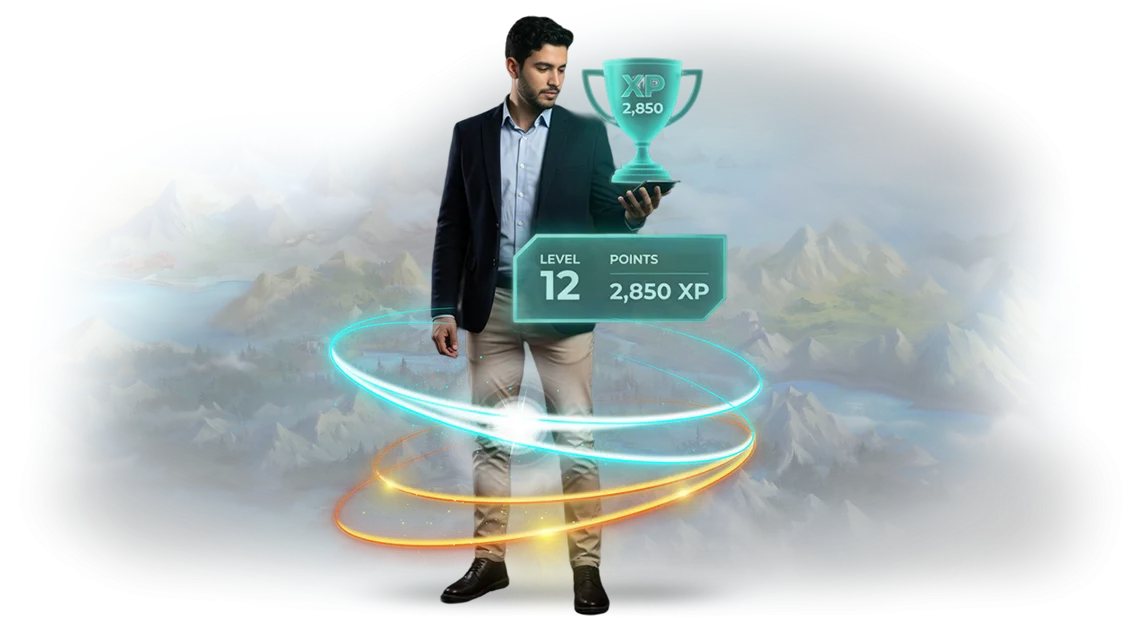
גיימיפיקציה ככלי לניהול שינוי ארגוני
עובדים כמעט תמיד מתנגדים לשינוי — זו תגובה הגנתית טבעית. אנשים חוששים מאי-ודאות, מודאגים לגבי המעמד שלהם ומקצב העבודה המוכר, ולכן אפילו שינויים הגיוניים נתקעים דווקא בשלב היישום.
מנהלים מבזבזים חודשים על שכנוע, מצגות והוראות — אבל המעורבות של הצוות נשארת פורמלית, והתוצאה רחוקה ממה שתוכנן.
גיימיפיקציה פותרת את הבעיה הזו אחרת: היא הופכת התנגדות למשחק וממירה את תהליך השינוי לרצף ברור של מטרות, אתגרים ותגמולים. במקום "נהלים חדשים" מופשטים, העובד מקבל משימות ספציפיות, התקדמות ומשוב.
תחרות בריאה נכנסת לפעולה, רוח הצוות עולה, ולמידת כללים חדשים מתרחשת באופן טבעי — דרך פעולה, לא הוראות.
זו המהות של ניהול שינוי: לא להכריח אנשים להשתנות, אלא ליצור סביבה שבה התקדמות לעבר משהו חדש היא משתלמת ומעניינת עבורם.
מכניקות משחק מאפשרות את המסע מספקות ראשוניים ועד קבלה מתמשכת של סטנדרטים חדשים — עם התנגדות מינימלית ורמה מדידה של מעורבות עובדים.
אנחנו לוקחים על עצמנו את פיתוח האיזון ועיצוב המשחק כדי להפוך את התהליך הזה לניהול, צפוי וניתן להרחבה למחלקות בכל גודל.
מה גיימיפיקציה נותנת לעסק ולעובדים
שגרה הורגת עניין בעבודה: עובדים מאבדים מעורבות, עובדים חדשים לוקח להם זמן רב להסתגל, ו-KPI נשחקים. גיימיפיקציה הופכת שגרה למשחק — ובדרך זו מספקת תוצאות מדידות לעסק.
גידול במעורבות עובדים
מכניקות משחק — נקודות, רמות, תחרויות קבוצתיות — הופכות את העבודה למרתקת. עובדים מעורבים נוטים פחות לשחיקה, לוקחים על עצמם משימות נוספות ברצון רב יותר, ונשארים בחברה זמן רב יותר.
הטמעה מהירה יותר של עובדים חדשים
אונבורדינג מגוים הופך למידת נהלים למשימה. עובדים חדשים זוכרים את הכללים מהר יותר ומראים תוצאות ראשונות כבר בשבוע הראשון, בעוד משאבי אנוש חוסכים זמן בתמיכה.
גידול במוטיבציה של הצוות
כללים שקופים והכרה פומבית בהישגים יוצרים תחרות בריאה. צוותים עוקפים יעדים, ומנהלים מספקים תמיכה ממוקדת לנמצאים מאחור.
KPI גבוה יותר לעובדים
כל מכניקה מקושרת למדדי עסקיים: מהירות טיפול בפניות, איכות שירות, תוכנית מכירות. גיימיפיקציה עובדת לא בשביל הכיף, אלא בשביל המספרים שהמנהל רואה.
אנחנו מעצבים משחקים ארגוניים כבר 10+ שנים. זה כלי עובד: מעורבות עובדים גבוהה יותר, הטמעה מהירה יותר וצמיחת KPI קבוצתי. נספר לכם איך ליישם את זה למשימה שלכם?
פורמטים של גיימיפיקציה למשימות החברה שלכם
פורמטים של גיימיפיקציה לא יכולים להיות זהים לכולם: מה שמעסיק צוות של עשרה ילך לאיבוד בחברה עם מאות עובדים.
לכן אנחנו מתאימים מכניקות משחק לקנה המידה העסקי, לתרבות ולמשימה הספציפית — מתגמולים על פעילות פשוטה ועד לתוכניות רב-שלביות המלוות שינוי.
| פורמט | למי | מה זה נותן ללקוח |
|---|---|---|
| מכניקות קלות: נקודות, אתגרים, תגמולים | עסקים קטנים ומחלקות קטנות | מעורבות מהירה ללא שינוי תהליכים, תוצאות נראות תוך שבועות |
| תחרויות קבוצתיות ולוחות מובילים | עסקים בינוניים, מחלקות מכירות ותמיכה | הגברת תחרותיות בתוך הצוות ו-KPI ברורים למנהל |
| משחקי נרטיב עם רמות ותפקידים | חברות גדולות | הנחיה חלקה של עובדים דרך שינוי ארגוני, הפחתת התנגדות |
| תוכניות ארוכות טווח עם צבירת פרסים | חברות עם צוותים מבוזרים | מעורבות קבועה ותשומת לב מתמשכת למטרות לאורך רבעונים |
המפתח הוא לא סט המכניקות, אלא איך הן מתחברות לתהליכים עסקיים אמיתיים. תחרות נותנת פרץ של אנרגיה, שיתוף פעולה מאחד מחלקות, והתקדמות ומעמד עוזרים לעובדים לקבל כללי עבודה חדשים.
אנחנו משלבים את האלמנטים האלה כך שכל פורמט פותר משימה ספציפית: האצת הטמעה, הגברת מכירות או יישום מערכת חדשה.
לדוגמה, עסקים קטנים מוצאים לעתים קרובות שמפגשי משחק קצרים בישיבות תכנון מספיקים, בעוד חברות גדולות זקוקות למערכת אקולוגית שלמה עם לוחות מחוונים אישיים ואנליטיקה.
אנחנו בוחרים את הפורמט לאחר אודיט קצר — אתם מקבלים לא "גיימיפיקציה" מופשטת, אלא מכניקות המשולבות בתהליכי העבודה שלכם שמספקות תוצאה מדידה.
שלבי השקת גיימיפיקציה בחברה
גיימיפיקציה היא אחד הכלים היעילים לניהול שינוי ארגוני: היא מאיצה אימוץ של כללים חדשים ומקיימת מוטיבציה לפעולות הנכונות.
כדי להבטיח השקה חלקה, אנחנו עובדים בשלבים — אתם תמיד יודעים מה קורה ומתי תופיע התוצאה.
שבעה שלבים מבריף ועד פעולה יציבה
-
בריף גיימיפיקציה ואודיט תהליכים. אנחנו דנים במטרות, נקודות כאב מחלקתיות ומדדים נוכחיים. אנחנו קובעים אילו פעולות צריך לחזק ואילו תוצאות העסק מצפה.
-
ניתוח קהל ובחירת מודל אינטראקציה. אנחנו חוקרים מוטיבציה של עובדים כך שהמכניקות יהיו מעניינות עבורם ספציפית — לא רק "מגניבות" על הנייר.
-
עיצוב תסריט ואיזון משחק. אנחנו מתכננים את מערכת הנקודות, הרמות, תחרויות קבוצתיות ואישיות. איזון עוזר לשמור על מעורבות במשך שבועות, לא רק בשבוע הראשון.
-
פיתוח אב-טיפוס והגדרה. אנחנו בונים אב-טיפוס עובד על הפלטפורמה שלכם או בפורמט נוח. אתם רואים את המוצר בפעולה ומבצעים התאמות לפני ההשקה המלאה.
-
השקת פיילוט של גיימיפיקציה על קבוצה אחת. אנחנו בודקים את המכניקות על קהל מוגבל, אוספים משוב ומכווננים פרטים. זה מפחית סיכונים בפריסה לכל החברה.
-
הכשרה למנהלים ולצוות. אנחנו מכינים הוראות פשוטות ומקיימים מצגת קצרה. עובדים מבינים את הכללים ורואים את התועלת — זה מגביר מעורבות מהיום הראשון.
-
תמיכה בפרויקט ואנליטיקה. לאחר ההשקה, אנחנו נשארים בקשר: עוקבים אחר מדדים, עונים על שאלות ומשפרים את האיזון. לפי בקשה, אנו מספקים דוח על השפעת הגיימיפיקציה על מדדי מפתח.
מה כלול בפרויקט גיימיפיקציה
פרויקט גיימיפיקציה הוא לא אב-טיפוס חד-פעמי או סט מסכים, אלא כלי עובד שעוזר לשנות התנהגות עובדים ולחזק הרגלים חדשים. אז הפלט הוא לא "קוד למפתחים", אלא סט פתרונות מוכן להשקה בחברה שלכם.
מה בדיוק כלול בפרויקט:
- תוצאות הפרויקט. תיאור התהליך העסקי המגוים, מדדי יעד והאפקט הצפוי: מהירות אישור, חלק המשימות שהושלמו, רמת מעורבות עובדים.
- תיעוד גיימיפיקציה. קונספט, מכניקות משחק, כללים, איזון תגמולים ותסריטים לכל המצבים המרכזיים. זה הבסיס להמשך פיתוח המערכת.
- הכשרת עובדים. תוכנית מוכנה להכנסת עובדים למשחק, הוראות למנהלים ולמשתתפים. אנשים מבינים מה לעשות ביום הראשון ואיך להתמודד עם מצבים לא סטנדרטיים.
- דיווח. מערכת מוגדרת לאיסוף נתונים ומדדים, דרכה אתם רואים התקדמות צוות ומבינים מה עובד ומה כדאי להתאים.
- גישה ותמיכה. גישה למערכת ניהול הגיימיפיקציה, חומרי הדרכה ואנליטיקה, וכן לוח זמנים לתמיכה בתקופת ההשקה.
כל פריט ארוז כך שהצוות שלכם יוכל להשתמש בו באופן עצמאי. לאחר סיום הפרויקט, אתם לא תלויים בקבלנים חיצוניים בפעילות השוטפת.
ואם תצטרכו להרחיב את המכניקות למחלקות חדשות, התיעוד וההכשרה מאפשרים לעשות זאת במהירות — ללא התחלת הפרויקט כולו מאפס.
מקרה בוחן: איך גיימיפיקציה הגבירה מעורבות
יישום גיימיפיקציה נתפס לעתים קרובות כניסוי עם תוצאות לא ברורות. בפועל, מכניקות משחק מעוצבות היטב מספקות אפקט מדיד: צמיחה במעורבות, מהירות למידה ואיכות עבודה. בואו נעבור על דוגמה אמיתית.
עבור רשת מועדוני הספורט Atlant, פיתחנו מערכת גיימיפיקציה לתוכנית ההטמעה של מדריכים חדשים. המשימה לא הייתה קלה: הכשרה סטנדרטית ארכה שלושה שבועות, אבל עובדים חדשים איבדו מוטיבציה כבר בשני, והתחלופה בחודש הראשון הגיעה לשליש.
הצענו להפוך את התהליך להרפתקה קבוצתית: רמות מיומנות, נקודות על השלמת משימות עבודה, דירוג מועדון כללי והישגים אישיים.
איזון המשחק כוונן כך שהקושי גדל בהדרגה — העובד תמיד ראה את הצעד הבא והבין שהוא יכול להשפיע על התוצאה.
האפקט הופיע כבר ברבעון הראשון. המעורבות בתוכנית גדלה ב-30%: מדריכים החלו להשלים מודולים עד הסוף במקום לנטוש אותם באמצע.
במקביל, התחלופה בתקופת הניסיון ירדה — במקום שליש, פחות מ-10% עזבו את הצוות. מספר הבחינות שעברו בהצלחה הוכפל, ולקוחות דירגו את איכות ההכשרה גבוה יותר — מדד שביעות הרצון עלה ב-12 נקודות.
"ציפינו לעניין, אבל לא ציפינו לאפקט מערכתי. עובדים ניגשים מעצמם ומבקשים להמשיך, ומנהלי המועדון רואים תוצאות במספרים", מעירה מנהלת משאבי האנוש של החברה.
מקרה זה מראה שגיימיפיקציה עובדת לא כבידור, אלא ככלי לניהול שינוי. כאשר תהליך עסקי נבנה מחדש על מכניקות משחק, עובדים לא מתנגדים לחדש — הם נכנסים לפעולה. והכי חשוב, אפשר לתכנן ולמדוד תוצאות כאלה, לא להשאיר אותן ליד המקרה.
שאלות נפוצות על גיימיפיקציה של תהליכים עסקיים
גיימיפיקציה של תהליכים עסקיים מעלה לעתים קרובות את אותם ספקות: האם זה מסובך מדי, האם לוקח זמן רב ליישם, ומה אם רוב העובדים לא יקבלו את הפורמט החדש. אנחנו עונים על השאלות האלה ישירות — ללא פרטים טכניים והבטחות שיווקיות.
האם זה מסובך ויקר?
אנחנו עובדים באופן אינקרמנטלי: אנחנו מתחילים בפורמט פיילוט שמטפל במשימה ספציפית אחת — למשל, הגברת מעורבות בישיבות תכנון שבועיות. אתם רואים את התוצאה על קבוצה קטנה ורק אז מרחיבים את המכניקות לכל החברה.
העלות דומה לפיתוח שירות פנימי רגיל, אבל היא מספקת אפקט מדיד: הפחתת תחלופה, הטמעה מהירה יותר, צמיחה בפעילות פרודוקטיבית.
אנחנו מכווננים את חוקי המשחק והתסריטים לתהליכים שלכם, כך שלא תצטרכו לבנות מחדש את אופן עבודת המחלקות.
האם היישום לוקח זמן רב?
התוצאה הראשונה מופיעה תוך 2–3 שבועות מההתחלה. במהלך הזמן הזה, אנחנו מפתחים את המכניקות, מסכמים על הכללים ומשיקים פיילוט על קבוצה נפרדת.
הפריסה לכל הצוות אורכת כחודש — לאחר מכן נשארים רק שיפורים ממוקדים וניתוח מגמות. תראו שינויים מרכזיים בהתנהגות עובדים כבר בשלב הראשון.
מה אם העובדים לא יאהבו את זה?
בדיוק בשביל זה נועד הפיילוט. קבוצה שנבחרה במיוחד עוברת את התסריט, אנחנו אוספים משוב ומתאימים את איזון המשחק.
אם המכניקות לא נקלטות, אנחנו משנים לא את התהליכים, אלא את היגיון המשחק: משימות, תגמולים, רמות. החוזה מפרט את הקריטריונים שלפיהם התוצאה נחשבת מושגת, כך שאתם לא מסכנים את התקציב בעיוורון.
מה הערובה ששינויים יקרו?
אנחנו קובעים מטרות לפני ההתחלה: גידול בחלק הדוחות שהושלמו, מהירות שליטה בנהלים חדשים, מספר ביקורים חוזרים בחומרי הדרכה. כל איטרציה מלווה במספרים ברורים על המדדים האלה.
אם ערכים מתוכננים לא מושגים, אנחנו מביאים את המכניקות לרמה הנדרשת על חשבוננו — זה מצוין במפורש בחוזה. אתם מקבלים לא "כלי לשם הכלי", אלא התקדמות מדידה לעבר המטרה שנקבעה.
הזמינו פיתוח גיימיפיקציה לעסק שלכם
הגשת בקשה לפרויקט והזמנת גיימיפיקציה קלה יותר ממה שנדמה. אתם לא צריכים להבין במכניקות משחק: פשוט תארו את המשימה במילים, ואנחנו נהפוך אותה למערכת מוטיבציה עובדת.
נתחיל בייעוץ גיימיפיקציה: נבהיר מטרות, קהל, אזורי צמיחה ותוצאות צפויות. כבר בשלב הזה, תלמדו אילו תהליכים אפשר לחזק עם מכניקות משחק ומה כדאי להשאיר כפי שהוא.
לאחר הייעוץ, נכין הערכת עלות ותוכנית — ללא לוחות זמנים מנופחים או סעיפים נסתרים.
איך העבודה מתנהלת:
- אתם מגישים בקשה לפרויקט — באתר, במסנג'ר או בטלפון.
- תוך שני ימי עסקים, אנחנו מקיימים פגישת היכרות וייעוץ גיימיפיקציה.
- אנחנו מנתחים את התהליך העסקי: היכן מעורבות אובדת, מה מונע מעובדים לפעול.
- אנחנו מפתחים מכניקות, עלילה ומערכת תגמולים למשימה שלכם.
- אנחנו מסכמים על אב-טיפוס ומראים איך הפתרון ייראה.
- אנחנו מיישמים, משיקים ותומכים — עם הכשרת צוות ותמיכה לאחר ההשקה.
לא "תחזרו בעוד חודש עם מפרט טכני". אתם מקבלים תהליך שקוף עם שלבים ברורים ומנהל ייעודי שמעדכן אתכם.
הגישו בקשה לפרויקט — ותוך מספר ימים, יהיה לכם תכנית גיימיפיקציה מוכנה לתהליך עסקי ספציפי. הזמנת גיימיפיקציה עכשיו משמעותה השקת תהליך ניהול שינוי ללא התנגדות ועם תוצאה מדידה.
איך גיימיפיקציה עוזרת בשינוי ארגוני?
גיימיפיקציה עוזרת בשינוי ארגוני בכך שהיא הופכת מטרה מופשטת לפעולות מובנות לכל עובד. אנשים מתנגדים לחדש לא מתוך רוע, אלא מתוך אי-ודאות: למה אני צריך את זה, מה אני אקבל, איך אדע שאני מצליח?
מכניקות משחק מסירות את השאלות האלה: מופיעים כללים ברורים, התקדמות נראית, משוב מהיר, והתחושה ששינוי הוא לא איום, אלא אתגר חדש ומעניין.
העיקר הוא להבין נכון איך לבחור גיימיפיקציה למקרה הספציפי שלכם. קריטריוני הבחירה לגיימיפיקציה נטועים במשימות ספציפיות: מה צריך להשתנות בהתנהגות אנשים ובתוך איזה פרק זמן.
אם צריך להאיץ יישום של מערכת חדשה, מאמן קצר מבוסס רמות יעבוד. אם המטרה היא לשנות הרגלים של מנהלים, קמפיינים ארוכים עם ניקוד קבוצתי והכרה ציבורית עובדים טוב יותר. הפורמט נבחר תמיד לפי המשימה, לא לפי מכניקות אופנתיות.
שימו לב לפעולות הספציפיות שאתם רוצים לראות.
לא "שכולם יהיו מרוצים", אלא "שמחלקת המכירות תרשום את כל העסקאות במערכת החדשה תוך חודש". מכניקות טובות יוצרות בדיוק את ההתנהגות שמחזקת תהליכים חדשים, ובמקביל מערבות רגשות: תחרות, סקרנות, רצון לנצח. זה מפחית התנגדות ומקיים אנרגיה לאורך כל תקופת השינוי.
אנחנו עוזרים למי שלא בטוח להחליט על פורמט: אנחנו עורכים אודיט קצר, מפרקים משימות ספציפיות ומציעים גיימיפיקציה שמשתלבת בתוכנית השינוי ולא תלויה שם כבידור נפרד.
בסופו של דבר, שינוי קורה מהר יותר, עם פחות התנגדות ותוצאה עסקית מדידה — מהמרת מכירות גבוהה יותר ועד אימוץ מהיר יותר של סטנדרטי עבודה חדשים.