

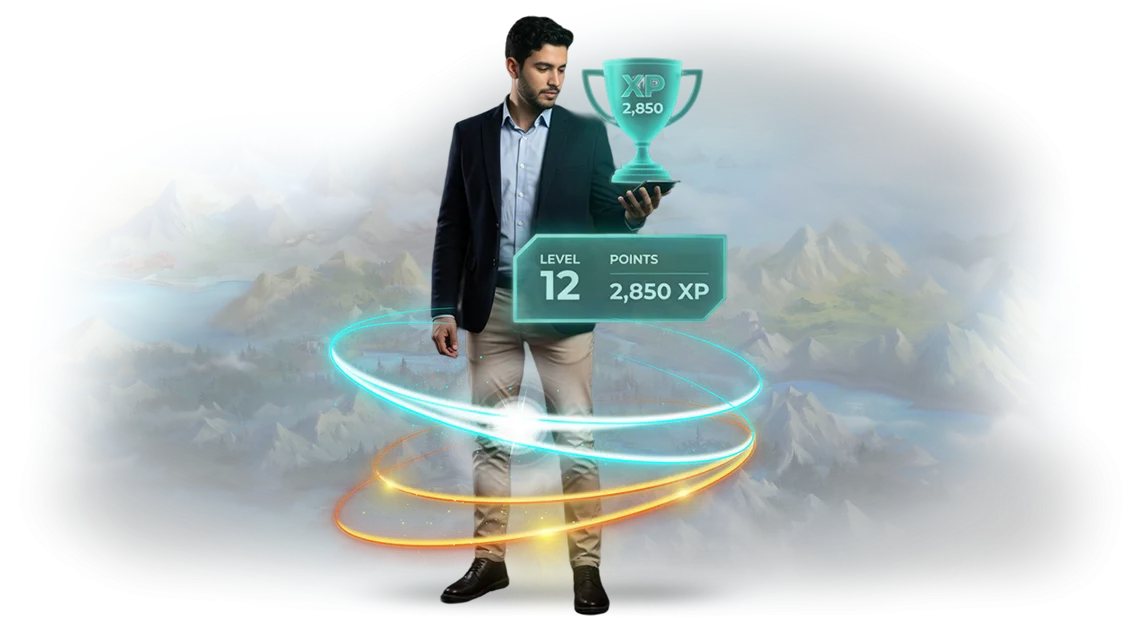
מדוע גיימיפיקציה מסייעת בניהול פרויקטים
כאשר מועדי סיום נדחים בשבועות, משימות נתקעות בסטטוס "בביצוע", והפגישה האחרונה העלתה יותר שאלות מתשובות, מנהל הפרויקט מאבד את תחושת השליטה על הפרויקט.
גיימיפיקציה של ניהול פרויקטים משנה זאת: היא הופכת את התהליך מקופסה שחורה למערכת שקופה שבה כל משתתף רואה גם את התרומה האישית שלו וגם את ההתקדמות הכוללת.
אין כאן כפייה — יש חוקים ברורים, התקדמות נראית לעין ותגמול על תוצאות. הצוות מתחיל לעבוד לא כי "חייבים", אלא כי מעניין לסגור אבני דרך ולראות את הניקוד הכולל עולה.
המוטיבציה הופכת פנימית: דירוגים, הישגים ומחזורים קצרים עם משוב מהיר מחזיקים את תשומת הלב של העובדים הרבה יותר טוב מתזכורות נוקשות בהודעות.
במקביל, גיימיפיקציה היא גם כלי למניעת פספוס מועדי פרויקט. אם משימה לא זזה זמן רב, זה נראה מיד על לוח המשחק — דרך אפס התקדמות או אובדן נקודות.
המנהל יכול להתערב מוקדם, לחלק מחדש את עומס העבודה, במקום לכבות שריפות ביום האחרון לפני המועד. ראות מתמדת של צווארי בקבוק הופכת כאוס לתהליך ניתן לניהול.
כבר יישמנו גישה זו עבור לקוחות בשירותים ו-IT יותר מפעם אחת — התוצאה עקבית: סטטוסים שקופים, יחס אחראי למשימות, ומועדים שמפסיקים להיות פורמליות.
גיימיפיקציה משתלבת בתהליכים הקיימים שלכם תוך שמירה על כלי העבודה שלכם — אתם מקבלים שליטה מבלי להתנתק משגרת העבודה הרגילה.
אילו יתרונות גיימיפיקציה מביאה לתהליכים עסקיים
לגייס עובדים לתהליכים שגרתיים זה קשה, במיוחד כשהמטרות נראות מופשטות. גיימיפיקציה הופכת משימות למשחק עם חוקים ברורים: התקדמות, תגמולים וחיבור לתוצאות. זה משנה את היחס לעבודה ומגביר את התפוקה.
אנחנו מעצבים מכניקות כאלה לאתגרים עסקיים כבר יותר מ-10 שנים. להלן היתרונות העיקריים לצוות ולעסק.
לצוות
- מעורבות גבוהה יותר. עובדים רואים את ההשפעה של מעשיהם על התוצאות ועובדים בהתלהבות רבה יותר. העניין גובר, השחיקה פוחתת.
- תרבות ארגונית. מטרות משותפות ותחרויות מטפחות תחרות בריאה. אנשים עוזרים זה לזה למען ניצחון משותף.
- הערכה שקופה. ברור מה נדרש לרמה הבאה — אין צורך לנחש כיצד תוערך העבודה.
לעסק
- פרודוקטיביות מוגברת. צוות מעורב מבצע משימות מהר יותר ועושה פחות טעויות. עם אותם משאבים — יותר עסקאות.
- הכרת המותג. מכניקות משחק מועברות למבצעים ולתוכניות נאמנות. לקוחות זוכרים את החוויה ומספרים לאחרים על החברה.
- שימור עובדים. כשהעבודה מהנה, הצוות נוטה פחות לעזוב, ועלויות הגיוס יורדות.
גיימיפיקציה משתלמת עם תוצאות מדידות: עמידה בתוכנית, פניות חוזרות, מהירות אישורים. אנחנו בוחרים מכניקות לצרכים הספציפיים שלכם ומלווים אתכם מהבריף ועד ההשקה.
פורמטים של גיימיפיקציה לניהול פרויקטים
גיימיפיקציה של ניהול פרויקטים עובדת כשהפורמט תואם למשימת הצוות. חלק צריכים חימום מהיר בפגישת תכנון, אחרים מערכת מוטיבציה רבעונית, ואחרים סביבה בטוחה לתרגול החלטות מורכבות. לכן אנחנו בוחרים מכניקות לתוצאות עסקיות, לא "משחק לשם המשחק".
פורמטים עיקריים והיתרונות שלהם
| פורמט | למי זה מיועד | מה זה נותן ללקוח |
|---|---|---|
| מסע עסקי (Quest) | צוותים שנתקעים על משימות שגרתיות | הפרויקט מתקדם מהר יותר: כל שלב הוא משימה עם תוצאה ברורה |
| דירוג עובדים | מחלקות מכירות, תמיכה וייצור | מוטיבציה שקופה ותחרות בריאה — צמיחת KPI ללא בקרה נוקשה |
| למידה דרך משחק | עובדים חדשים ובעלי תפקידים משיקים | עובדים שולטים בתהליכים פי 2 מהר יותר, מבלי לבזבז זמן עבודה |
| סימולטור עסקי | מנהלי פרויקטים ומנהלים בכירים | תרגול סיכונים והחלטות לפני שהם משפיעים על התקציב האמיתי |
איך לבחור פורמט לעסק שלכם
מחלקות קטנות צריכות רק מכניקות קלות: חידונים, רשימות בדיקה, מסעות קצרים. אפשר לאמץ אותן תוך דקות ספורות והן לא דורשות הטמעה ארוכה. ההשפעה נראית בתוך החודש הראשון: פחות רגעי השבתה, מעורבות גבוהה יותר.
תאגידים צריכים מערכות: דירוגים, רמות, תחרויות צוותיות ואנליטיקה שקופה. אנחנו מעצבים גיימיפיקציה כך שתתאים לתהליכים קיימים ותניע מאות עובדים מבלי לאבד שליטה.
הטבלה מציגה את התרחישים הבסיסיים. במהלך ייעוץ, נבחר פורמט למשימה שלכם, נחשב את עומס העבודה על הצוות ונכין תוכנית הטמעה — ללא תשלום וללא התחייבות.
שלבי שילוב גיימיפיקציה בתהליכי עבודה
שילוב גיימיפיקציה בתהליכי עבודה נתקע לעתים קרובות כי לא ברור מאיפה להתחיל, מי אחראי על התוצאה ומתי יופיעו ההשפעות הראשונות.
אנחנו מסירים את אי-הוודאות הזו: הפרויקט מחולק לשלבים, ובכל שלב אתם יודעים מה כבר נעשה, מה יקרה בהמשך ואיך זה משפיע על מדדים עסקיים.
איך מתבצעת ההטמעה
- בריף והתעמקות. אנחנו אוספים את המשימות, חוקרים את המוטיבציה של העובדים ואת התהליכים הנוכחיים, ומתעדים נקודות כאב. זה הבסיס שבלעדיו שום מכניקת משחק לא תעבוד.
- אסטרטגיה ותוכנית. אנחנו מסכמים על מטרות, לוחות זמנים ומדדי הצלחה — לדוגמה, מהירות השלמת משימות או רמת מעורבות. אתם רואים את תוכנית שלבי הפרויקט ומבינים את התקציב בכל שלב.
- עיצוב איזון המשחק. אנחנו מעצבים את מערכת התגמול, הרמות והמשוב: קושי המשימות ותדירות התגמול מותאמים לצוות שלכם כך שהעניין לא ידעך אחרי שבוע.
- אישור אב-טיפוס. אנחנו מדגימים את המכניקות באמצעות דוגמאות ברורות. אתם מבצעים תיקונים לפני היישום הטכני — זה חוסך זמן ותקציב, במקום אחרי ההשקה, כשהשינויים יקרים.
- יישום ואינטגרציה. אנחנו משלבים גיימיפיקציה בכלים שלכם מבלי לעצור את העבודה: מגדירים ממשק, התראות ודוחות. הצוות מקבל את המערכת בסביבה מוכרת, לא ב"אפליקציה נפרדת".
- השקה והתאמה. אנחנו מריצים פיילוט או השקה מלאה, מאמנים מנהלים ועוזרים לעובדים להיקלט במהירות. אתם שומרים על שליטה בתהליך ורואים את התוצאות הראשונות.
- תמיכה ופיתוח. אנחנו מנתחים מדדים, אוספים משוב ומתאימים את האיזון. גיימיפיקציה היא מערכת חיה; היא חייבת להשתנות יחד עם העסק.
עיצוב איזון המשחק — הבסיס לתוצאות
ללא איזון מכוון כראוי, גיימיפיקציה הופכת ל"נקודות בשביל נקודות" ומפסיקה להניע אחרי חודש.
לכן אנחנו מבליטים את השלב הזה: אנו קובעים את תדירות התגמול, קצב ההתקדמות ורמת הקושי עבור הצוות שלכם כך שהמערכת תשמור על עניין ותניע פעולות נכונות.
אתם מקבלים כלי ניתן לניהול עם שלבי הטמעה שקופים. צברנו ניסיון בגיימיפיקציה של תהליכים עסקיים: אנחנו מלווים את הפרויקט מבריף ועד תוצאה ונשארים בקשר לאחר ההשקה.
מה מקבלים לאחר הטמעת גיימיפיקציה
לאחר הטמעת גיימיפיקציה, אתם מקבלים לא מכניקות מפוזרות, אלא מערכת קוהרנטית שפועלת להשגת המטרות העסקיות שלכם. המערכת משתלבת בתהליכי ניהול הפרויקטים המוכרים שלכם, מגבירה את מעורבות הצוות והופכת את ההתקדמות של כל עובד לנראית. להלן חבילת המסירה מנקודת מבטו של הלקוח, לא של המהנדס.
חבילה בסיסית
- מכניקות משחק מוכנות — מערכת של נקודות, רמות, תגמולים ואלמנטים תחרותיים המותאמים לתהליכים העסקיים שלכם. עובדים רואים את הקשר בין מעשיהם לתוצאת הפרויקט — זה מניע ללא בקרה נוספת.
- ממשק ברור — לוח מחוונים עובד שבו כל משתתף רואה את המשימות, ההתקדמות וההישגים שלו. אין צורך לקרוא מדריכים: שורת הפקודה מוכרת ופשוטה.
- אינטגרציה עם הכלים שלכם — המערכת מתחברת לשירותי התכנון ומעקב המשימות שבהם אתם כבר משתמשים. הנתונים נמשכים אוטומטית, כך שהצוות ממשיך לעבוד בסביבה מוכרת.
- הכשרת צוות — מפגש קצר שלאחריו העובדים מבינים כיצד להשתמש בגיימיפיקציה ליעילות אישית. ההשקה אורכת ימים, לא חודשים.
- אנליטיקת מוטיבציה — דוח על מעורבות ופעילות עובדים: מי מקדם את הפרויקט, מי מאט ואיפה נדרשת תמיכה נוספת. אתם רואים את התמונה האמיתית, לא ניחושים.
חבילה מורחבת
- תרחישי מוטיבציה מותאמים אישית — התאמת חוקים לתפקידים וסוגי משימות שונים. לדוגמה, אנליסטים מתעדפים איכות נתונים, בעוד מפתחים מתעדפים מהירות סגירת ספרינטים.
- דוחות מנהלים אוטומטיים — סיכום שבועי של ביצועי הצוות ודינמיקת ההישגים. אין צורך לאסוף נתונים ידנית — הכל מוכן לפגישה עם לקוח או הנהלה.
- התאמת מיתוג — עיצוב בסגנון הארגוני, עם אפשרות לתת שמות לרמות ולתגמולים כפי שהחברה שלכם מעדיפה.
התוצאה היא שאתם מקבלים כלי ניהול פרויקטים עובד שמגביר את פרודוקטיביות הצוות והופך את התרומה של כל עובד לנראית. אנליטיקת המוטיבציה תראה אילו החלטות יביאו את התועלת הגדולה ביותר בספרינט הבא. כל מה שנשאר הוא להשיק ולראות את הגיימיפיקציה הופכת שגרה להשגת מטרות.
מקרה בוחן: צמיחת יעילות צוות עם גיימיפיקציה
בחברת הייצור TechnoProm, צוותי פרויקטים פספסו עד 40% ממועדי הסיום. מנהלים בילו זמן בדוחות סטטוס ידניים, ועובדים איבדו מוטיבציה בגלל משימות מונוטוניות. פרויקטים נמשכו, ולקוחות התלוננו על איכות. יישמנו גיימיפיקציה ישירות בתהליך ניהול הפרויקטים.
פרטי המקרה
במקום לשנות את מערכת התכנון, הוספנו שכבה תחרותית: צוותים צוברים נקודות על סגירת אבני דרך, השלמת משימות בזמן והימנעות משגיאות דיווח. על מסך המשרד ובצ'אט הארגוני — דירוג חי. בסוף החודש, הטובים ביותר מקבלים בונוסים, והמפגרים מקבלים עזרה מחונך.
תוך שישה חודשים, חלק הפרויקטים שנמסרו בזמן עלה מ-58% ל-92%. מחזור הפרויקט הממוצע התקצר ב-27% — זה אפשר לחברה לקחת על עצמה יותר הזמנות מבלי להרחיב את הצוות.
מספר העבודות החוזרות עקב שגיאות תכנון ירד בחצי, ומנהלים הפסיקו לאסוף סטטוסים ידנית.
הנקודה המרכזית היא שצוותים החלו לעקוב אחר מועדים ואיכות בעצמם, כי זה הפך לתוצאת המשחק שלהם. הלקוח ביצע הזמנה חוזרת להרחבת הגיימיפיקציה למחלקות שכנות שלושה חודשים לאחר ההשקה.
גיימיפיקציה לא מסיחה את הדעת מהעבודה — היא הופכת את התהליך לנראה וניתן לניהול. אתם מקבלים צמיחת יעילות מדידה מבלי לשנות תרבות ארגונית או להחליף כלים מוכרים.
איך לבחור פורמט גיימיפיקציה למשימות העסקיות שלכם?
בחירת פורמט משחק מתחילה לא במכניקות, אלא במטרות עסקיות. ראשית, קבעו איזו בעיה המשחק צריך לפתור: להאיץ ניהול פרויקטים, להגביר מעורבות עובדים או להפוך תהליכים לשקופים יותר. זה קובע אם תחרות, שיתוף פעולה או מערכת רמות היא הבחירה הנכונה.
השלב השני הוא ביקורת תהליכים. היא מראה בדיוק היכן מתרחשים הפסדים: מועדים שהוחמצו, אישורים שנמשכים, מוטיבציה שאבדה. אתם יכולים לבחור תחרויות צוותיות והתקדמות נראית למשימות פרויקט, או הישגים אישיים אם אחריות אישית חשובה יותר.
הגורם השלישי הוא משאבים ואילוצים: לוח זמנים להטמעה, מוכנות הצוות, סביבה טכנית. לפעמים מכניקות קלות בתוך כלים מוכרים מספיקות; לפעמים יש צורך בממשק משחק נפרד. אנחנו מעריכים תנאים אלה ומציעים שניים או שלושה פורמטים עם תחזית תוצאות.
חשוב שהפורמט הנבחר יהיה מדיד. מדדים ברורים — מהירות השלמת משימות, חלק המשתתפים הפעילים, מספר אבני הדרך שהושלמו — יראו אם הגיימיפיקציה מספקת ערך.
לכן הבחירה הנכונה היא ניתוח משותף של מטרות, תהליכים ומשאבים, לא חיפוש אחר "המשחק המעניין ביותר". אנחנו עוזרים לכם לעבור את זה במהירות ולהשיק פורמט שבאמת פותר משימות עסקיות.
שאלות נפוצות על גיימיפיקציה של תהליכים עסקיים
כשמדובר בגיימיפיקציה של תהליכים עסקיים, מנהלים שואלים לרוב את אותן שאלות: כמה זה קשה, האם זה יסיח את דעת הצוות, ומתי יופיעו תוצאות מדידות.
אנחנו עונים בקצרה ולעניין — ללא פרטים טכניים, רק על מה שמשפיע על העסק שלכם.
האם זה יהפוך ל"משחק לשם המשחק"? גיימיפיקציה מובנית בתוך תרחישי עבודה, לא תלויה מעליהם. אנחנו מעצבים מכניקות כך שאלמנטים משחקיים מחזקים פעולות נכונות: השלמת משימות בזמן, איכות עבודה, שיתוף ידע. אם מכניקה לא תורמת לתוצאה עסקית — היא לא נכנסת לפרויקט.
מה אם עובדים לא יקבלו את החידוש? אנשים מתרגלים למערכת בהדרגה. לכן בתחילה אנחנו מריצים פיילוט על צוות אחד ואוספים משוב.
זה לא רק מפחית סיכונים, אלא גם מאפשר לנו להתאים את המכניקות לפני הרחבה לכל המחלקה או החברה.
מתי תופיע ההחזר על ההטמעה?
שינויי ההתנהגות הראשונים נראים בתוך החודש הראשון: מספר המשימות שנמסרות בזמן גדל, הפעילות בהדרכות עולה, ומועדים מוחמצים פחות.
עד סוף החודש השני או השלישי, מופיעים אינדיקטורים מדידים — לדוגמה, זמן אישור מסמכים יורד או חלק ההזמנות החוזרות מלקוחות עולה. אנחנו מגדירים את המדדים מראש כדי שתוכלו להעריך את התוצאה, ומתעדים אותם בתוכנית העבודה.
הזמינו פיתוח גיימיפיקציה לעסק שלכם
השאירו פנייה לפיתוח גיימיפיקציה — ונראה כיצד היא יכולה לחזק את צוותי הפרויקט שלכם. תקבלו לא תיאור מופשט, אלא הערכת עלות קונקרטית, תוכנית הטמעה ולוחות זמנים ברורים למשימה שלכם.
כיצד מתנהלת העבודה לאחר הפנייה שלכם
- ייעוץ. אנחנו דנים במשימה שלכם: כיצד התהליכים מאורגנים כיום, היכן אובדת מעורבות, ואילו אינדיקטורים אתם רוצים לשפר.
- אנליטיקה ובריף. אנחנו מתעדים מטרות, תפקידי משתתפים ונקודות בקרה — כך שהגיימיפיקציה משתלבת בעבודה ולא הופכת ל"צעצוע" נפרד.
- חישוב עלות. אנחנו מכינים הצעה מסחרית שקופה: היקף, לוחות זמנים, שלבים. ללא חיובים נסתרים.
- הדגמה וקונספט. אנחנו מראים דוגמה של המכניקות המיושמות על המשימה שלכם — אתם רואים איך זה עובד לפני שפיתוח מלא בכלל מתחיל.
- פיתוח והשקה. אנחנו מטמיעים גיימיפיקציה בניהול הפרויקטים שלכם, מאמנים את הצוות ותומכים בשבועות הראשונים.
לאחר הפנייה שלכם, אתם מקבלים:
- הערכת עלות המותאמת לתהליכים ולגודל הצוות שלכם;
- לוחות זמנים אופייניים להשקה — משבוע עד חודש בהתאם למשימות;
- דוגמת הדגמה שתוכלו להראות לעמיתים ולהנהלה;
- תוכנית הטמעה עם שלבים ברורים ותחומי אחריות;
- המלצות מדדים כדי שתוכלו לראות את האפקט במספרים;
- תמיכה בשלב ההשקה וייעוץ לפיתוח המכניקות.
מלאו את הטופס או כתבו לנו — נחזור אליכם תוך יום עסקים עם שאלות והערכה ראשונית. לאחר מכן, כל מה שנשאר הוא לבחור פורמט שיתוף פעולה נוח ולהתחיל.