

עובדים הולכים לאיבוד בחודש הראשון: איך לתקן את זה
עובד חדש מגיע לתוצאה לא תוך שבוע, אלא תוך חודשים, וכל הזמן הזה הצוות עובד בזהירות סביבו. החונכים מבזבזים כוחות על הסברים חוזרים ונשנים במקום על המשימות שלהם, והעובד עצמו עד סוף תקופת הניסיון עדיין לא מבין איך העבודה שלו משפיעה על התוצאה הכוללת.
בדיוק בשלב הזה מתרחש עיקר העזיבות: האדם לא חש חיבור לחברה ועובר למקום שבו הקליטה בנויה בצורה ברורה יותר.
תחלופה בתקופת הניסיון פוגעת בעסק פעמיים. תחילה — בהפסדים על גיוס והכשרה, שאי אפשר כבר להחזיר, אחר כך — בעומס על הצוות, שצריך שוב לסגור את הפער שנוצר. ככל שהקליטה נשענת זמן רב יותר על ההתלהבות של חונכים בודדים, כך התוצאה תלויה יותר במי שנמצא ליד העובד החדש, ולא בחברה עצמה.
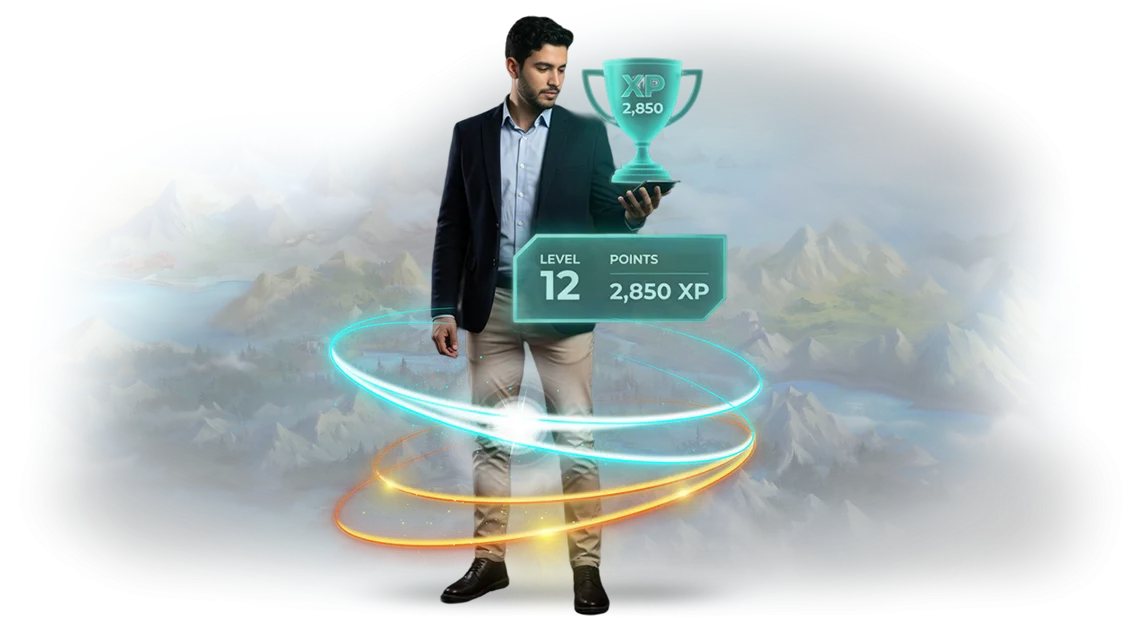
אונבורדינג אינטראקטיבי משנה את המכניקה עצמה של החודש הראשון. במקום הנחיות ושיחות מפוזרות, העובד החדש עובר מסלול לפי תרחיש ברור: מתוודע למוצר, לצוות ולכללים דרך עשייה, ולא דרך קריאה.
המעורבות של העובדים החדשים עולה, כי האדם רואה מיד את התרומה שלו, ולא ממתין לרגע שבו למנהל העסוק יתפנו ידיים אליו.
אנחנו בונים תרחיש כזה עבור חברה ספציפית: אווטארים תלת-ממדיים ועולם החברה ב-Unity הופכים את הקליטה של עובדים חדשים לברורה ואחידה לכולם — ללא תלות בעיר, במחלקה ובעומס של החונך. המנהל מקבל חודש ראשון צפוי, והצוות מפסיק להיות הערוץ היחיד להעברת ידע.
מה העסק מקבל מהטמעת עובדים מבוססת משחק
הטמעת עובדים אינטראקטיבית היא לא "משחק לשם משחק", אלא כלי שמשפיע ישירות על שלושה דברים שאתם אחראים עליהם: מהירות ההסתגלות, שימור העובדים החדשים ומותג המעסיק.
כשעובד ביום הראשון לא קורא תקנון, אלא עובר תרחיש בעולם התלת-ממדי של החברה, הוא זוכר את המוצר, את התהליכים ואת האנשים מהר יותר — כי הוא פועל בעצמו, ולא מדפדף במצגות.
מהירות ההסתגלות — זה הרווח הראשון. העובד החדש מקבל תשובות לשאלותיו ברגע שהן עולות, ולא אחרי שבוע בשיחה עם חונך. המנהל רואה היכן האדם "נתקע", ומתערב נקודתית, במקום להעביר את כולם באותה תוכנית.
שימור העובדים החדשים — זה השני. רובם עוזבים בחודשים הראשונים לא בגלל המשימות, אלא בגלל תחושה ש"הכול כאן זר". הטמעת עובדים מבוססת משחק מסירה את זה: האדם מיום הראשון מבין איך החברה בנויה, למי לפנות, ומה מצפים ממנו. הנשירה בתקופת הניסיון יורדת, והוצאות על גיוס מחדש והכשרה — יחד איתה.
מותג המעסיק — זה השלישי. הטמעה כזו הופכת לחלק מהסיפור על החברה: מדברים עליה בראיונות עבודה, משתפים אותה ברשתות החברתיות, והיא מבדילה אתכם מאלה ששולחים קובץ PDF בן 40 עמודים. עבור משאבי אנוש זהו טיעון בגיוס, ועבור העסק — הכרה ללא תקציב נפרד לפרסום.
אנחנו סוגרים את המשימה הזו מקצה לקצה: מתכננים תרחיש בהתאם לתהליכים שלכם, בונים עולם תלת-ממדי ואווטארים של החברה, משיקים ומלווים. אתם מקבלים כלי עובד, ולא דמו — עם מדד ברור: כמה מהר העובד החדש מגיע לתוצאה וכמה אנשים נשארים בצוות.
פורמטים של חניכה אינטראקטיבית לפי משימה
הפורמט נבחר לא לפי יופי התמונה, אלא לפי המשימה שאתם סוגרים: להוציא עובד חדש לתוצאה במהירות, להפחית עומס מהמנטורים או להציג את החברה מבחוץ. להלן — תרחישים עובדים שאנחנו בונים לרוב, ומה כל אחד מהם נותן לכם כ�לקוח.
| פורמט | למי מתאים | מה נותן ללקוח |
|---|---|---|
| תרחיש היכרות מבוסס משחק | גיוס המוני, צוותים מבוזרים | העובד החדש עובר את היום הראשון בעצמו, בלי מנטור: פחות שאלות בצ'אטים, פתיחה אחידה יותר לכולם |
| קווסט לעובדים חדשים לפי תהליכים | חברות עם מחזור ארוך של כניסה לתפקיד | העובד זוכר נהלים דרך פעולה, לא דרך קריאה — מגיע מהר יותר לעבודה עצמאית |
| עולם תלת-ממד של החברה כסיור | מיתוג מעסיק, מצגות ללקוחות ולמועמדים | אותו עולם עובד גם לחניכה וגם לגיוס: מציגים תרבות וקנה מידה בלי לצאת מהמשרד |
| שלבים לימודיים לפי מוצר | צוותי מוצר ושירות | הידע על המוצר נבחן בפועל, לא במבחן: רואים מי באמת מוכן לעבוד עם לקוח |
| משימות תחרותיות לצוותים | יחידות גדולות, גיוס עונתי | מעורבות וקשרים צוותיים מהשבועות הראשונים, ולמנהל — תמונה ברורה על העובדים החדשים |
איך לבחור פורמט לצוות שלכם
התבססו על שלושה דברים: כמה אנשים אתם מכניסים לתפקיד בבת אחת, עד כמה מורכבים התהליכים שהם צריכים לשלוט בהם, והאם יש לכם משימה להציג את החברה החוצה. אם יש הרבה עובדים חדשים והזרימה קבועה — התחילו בתרחיש היכרות מבוסס משחק, הוא מחזיר את ההשקעה בנפח. אם העומק חשוב יותר — קחו קווסט לפי תהליכים או שלבים לפי מוצר.
מה אפשר לשלב
הפורמטים לא שוללים זה את זה: עולם תלת-ממד של החברה הופך לזירה משותפת, שבתוכה חיים גם הקווסט לעובדים חדשים וגם השלבים הלימודיים. אתם משיקים תרחיש אחד, רואים איך עוברים אותו עובדים אמיתיים, ובונים את השאר — בלי לבנות מהתחלה. תארו את המשימה והצוות, ואנחנו נחזור עם הערכה ותוכנית, איזה פורמט ייתן תוצאה מהר ביותר.
איך הפרויקט מתנהל: מהבריף ועד ההשקה
את הפרויקט אנחנו בונים כך שבכל שלב תדעו מה קורה ומה תקבלו בסופו. בלי "הפתעות בסוף": את התרחיש מתאמים לפני תחילת הפיתוח, ואת התוצאות הראשונות רואים כבר בגרסאות הביניים.
- בריף ומטרות. דנים במשימה: את מי מכניסים לאונבורדינג, אילו תפקידים ויחידות, מה העובד צריך להבין ולעשות בימים הראשונים. מגדירים קריטריונים להצלחה — למשל, כמה עובדים חדשים מגיעים לסוף התוכנית וכמה מהר הם מגיעים לעומס עבודה מלא.
- תוכנית ומבנה. מחלקים את התוכנית לסצנות ותרחישים: היכרות עם החברה, משימות התפקיד, כללים מרכזיים ונקודות מגע עם עמיתים. אתם רואים את מפת כל המסלול לפני שהפיתוח מתחיל.
- אישור התרחיש. מציגים את ההיגיון של המעבר, הטקסטים וההסתעפויות, ומבצעים תיקונים. השלב הזה חוסך שבועות: לשנות תרחיש על הנייר מהיר בהרבה מאשר לעצב מחדש אינטראקטיבי מוגמר.
- מימוש. בונים סביבה אינטראקטיבית ואווטארים, ממלאים בתוכן, מחברים את החומרים שלכם ואת המערכות הפנימיות. כל 1-2 שבועות מציגים גרסאות עובדות — אתם מתקנים תוך כדי, ולא אחרי המסירה.
- בדיקות. מריצים את התוכנית על תרחישים אמיתיים: תפקידים שונים, מכשירים, נקודות תורפה. בודקים שעובד חדש עובר את המסלול בלי רמזים ומבין לאן לפנות בהמשך.
- השקת האונבורדינג. פורסים את התוכנית בסביבה שלכם, מלמדים את הצוות שיוביל אותה, ומלווים את הגל הראשון של העובדים. בשלב הזה חשוב להסיר שאלות אצל HR ואצל המנהלים, ולא רק אצל העובדים החדשים.
- תמיכה לאחר ההשקה. עוקבים אחרי מדדי המעבר, מעדכנים תוכן כשמתחילים שינויים בחברה, מוסיפים תפקידים וסצנות חדשים. התוכנית נשארת חיה, ולא הופכת לקובץ ארכיוני אחרי חודש.
מה אתם מקבלים בכל שלב
- תוכנית ברורה עם תאריכים ואזורי אחריות — בלי "ניצור קשר ונחליט".
- תרחיש מאושר לפני תחילת הפיתוח.
- גרסאות עובדות לבדיקה, ולא תוצאה סופית בלי לראות.
- צוות שנשאר בקשר אחרי ההשקה.
תארו את המשימה — נחזור עם הערכת לוחות זמנים ותוכנית שלבים לאונבורדינג שלכם.
מה ייכלל באספקה
אתם מקבלים לא אוסף קבצים, אלא מוצר עובד שאפשר להפעיל כבר ביום הראשון לאחר המסירה. להלן מה בדיוק נכלל באספקה ולמה זה נחוץ לצוות שלכם.
- תסריט חניכה מוכן. עוברים את המסלול של העובד החדש מהכניסה הראשונה ועד לעבודה עצמאית: היכרות עם החברה, הכללים המרכזיים, המשימות הראשונות. התסריט תואם עם המנהלים שלכם ומביא בחשבון את השאלות האמיתיות שעובדים חדשים שואלים.
- העולם של החברה. מרחב וירטואלי עם המחלקות, האזורים וההיגיון של התנועה שלכם — העובד החדש מבין מיד מי אחראי למה ולמי לפנות.
- אווטארים ותווים בתלת-ממד. חונכים ותפקידים בתוך העולם שמובילים את העובד החדש לפי התסריט. אפשר להרחיב ולהוסיף אווטארים ככל שהצוות גדל.
- הכשרה של הצוות שלכם. מראים כיצד לבצע עריכות בתסריט, להוסיף עובדים חדשים ולעדכן חומרים בלעדינו. מעבירים הכשרה למי שיוביל את הפרויקט בהמשך.
- תיעוד והעברת חומרים. כל קובצי המקור, ההוראות והגישות נשארים אצלכם. אתם לא תלויים בנו ויכולים לפתח את הפרויקט בכוחות עצמכם או עם כל קבלן.
- תמיכה לאחר ההשקה. מלווים את השבועות הראשונים של העבודה, עוזרים בהגדרות ועונים על שאלות הצוות עד שהתהליך נכנס למסלול.
חבילה כזו סוגרת את הסיכון המרכזי — שהמוצר המוגמר יישאר "קופסה שחורה" שאיש בתוך הארגון לא יוכל לתחזק. אתם מקבלים גם את התוצאה וגם שליטה מלאה בה.
מקרה בוחן: כיצד חניכה מבוססת משחק האיצה את ההסתגלות בקמעונאות
רשת קמעונאית גדולה עם תחלופת עובדים גבוהה בקרב חדשים בשבועות הראשונים: אנשים הגיעו למחסן ולאולם המכירות, אך עד סוף תקופת הניסיון כמעט כל שלישי עזב. הסיבה לא הייתה בשכר — החדשים הלכו לאיבוד בתהליכים, התביישו לשאול ולא הבינו כיצד עבודתם משפיעה על התוצאה הכוללת של החנות.
הצענו להמיר את קורס ההיכרות לפורמט משחקי: העובד עובר את יום העבודה הראשון בעולם הדיגיטלי של החברה — מתוודע למחלקות, "חווה" מצבים אופייניים של משמרת ומקבל משוב מיד, ולא כעבור חודש.
את העולם והדמויות הרכבנו על Unity, כדי שניתן יהיה להרחיב את התרחישים במהירות לחנויות ולתפקידים חדשים בלי להרכיב את הקורס מחדש מאפס.
מה השתנה לאחר ההטמעה
זמן היציאה של העובד החדש לעבודה עצמאית התקצר בכשליש בערך: בעבר החונך הוביל את המתמחה לפי הנהלים במשך שבועות, כעת החלק הבסיסי מסתיים בימים הראשונים. הנשירה בחודשים הראשונים ירדה כמעט בחצי — אנשים מגיעים למשמרת כשהם כבר מבינים מה מצפה להם, ופחות עוזבים בשבועות הראשונים.
מנהלי החנויות ציינו אפקט נפרד: השאלות של החדשים הפכו ממוקדות יותר, והחונכים הפסיקו לחזור על אותו דבר לכל קבוצה. כעבור חצי שנה הרשת הזמינה שלב שני — מודולים משחקיים למנהלים בקו הראשון ולעובדים עונתיים.
מדוע התוצאה ניתנת לשחזור
הסוד אינו בגרפיקה, אלא בכך שהתרחישים נכתבו יחד עם עובדי החנויות: אל המשחק נכנסו מצבים אמיתיים מהמשמרת, ולא שקופיות מופשטות. את מדדי ההסתגלות — זמן היציאה לתוצאה, שיעור העוברים את תקופת הניסיון, פניות חוזרות לחונך — מדדנו לפני ואחרי ההשקה, ולכן האפקט נראה במספרים ולא במילים.
גישה כזו ניתנת להעברה לכל רשת: תחילה מנתחים היכן בדיוק הולכים לאיבוד החדשים, לאחר מכן מרכיבים תרחישים לנקודות אלו, ורק אחר כך — את עולם המשחק עצמו.
איך לבחור פורמט מתאים למשימה?
הפורמט נקבע לא על ידי הטכנולוגיה, אלא על ידי המשימה שברצונך לסגור. אם המטרה היא להכיר במהירות לעובד חדש את המוצר והצוות, מספיק תרחיש קצר עם מטרה ברורה ותגמולים. אם צריך לתרגל התנהגות במצבים לא שגרתיים — התרחיש נבנה סביב בחירה והשלכות. התחל בשאלה "מה העובד צריך לדעת או להבין לאחר המעבר", והפורמט ייבחר מעצמו.
קריטריוני הבחירה הם בדרך כלל ארבעה. הראשון — קהל היעד: חניכה המונית דורשת תרחישים פשוטים וניתנים לחזרה, בעוד תפקידים קטנים מאפשרים העמקה מעמיקה. השני — לוח הזמנים: ככל שהדרך ליום העבודה הראשון קצרה יותר, כך הסיפור צריך להיות קומפקטי יותר.
השלישי — מה אנחנו מודדים: מהירות ההסתגלות, שיעור המגיעים לסוף, הפחתת העומס על המנטורים. הרביעי — מי מוביל את הפרויקט מבפנים: צריך שיהיה לך אדם שמקבל החלטות לגבי התוכן.
תרחיש הוא לא קישוט, אלא כלי עבודה. אנחנו מפרקים משימות אמיתיות של הצוות שלך, מוציאים מהן מצבים מרכזיים והופכים אותם לרצף של צעדים שבהם העובד פועל, ולא קורא. כך חניכה אינטראקטיבית עונה על שאלות שהעובד החדש מתבייש לשאול בשבועות הראשונים.
אם אתה מתלבט בין שני פורמטים, אל תבחר באקראי. תאר את המשימה ואת קהל היעד — נציע תרחיש, נראה איך הוא ייראה בעבודה, ונחזור עם הערכה ותוכנית.
ספקות נפוצות לפני הזמנה
ספקות לפני הזמנת חניכה אינטראקטיבית הם תגובה טבעית של מנהל: אתם משקיעים משאב בכלי שעשרות אנשים יצטרכו לאמץ. נבחן שלושה חששות שאנו שומעים לעתים קרובות ביותר: "זה יישבר וייפול", "הצוות לא יאמץ את זה", "לא יהיה מספיק זמן להטמעה". עבור כל אחד מהם — מה באמת קורה בפועל.
"ומה אם משהו יישבר?"
אנחנו לא מוסרים את הפרויקט ונעלמים. לאחר ההשקה אתם מקבלים כלי עובד ותקנון ברור: מה לעשות בעת תקלה, למי לפנות, כמה מהר מגיעה התגובה. עדכוני תוכן — סצנות חדשות, עובדים, טקסטים — אנו מוסיפים בהתאם לצמיחת החברה, בלי לבנות מחדש את הכל מאפס. ליווי ופיתוח מוטמעים בעבודה מלכתחילה, ולא כשירות נפרדת "אחר כך".
"הצוות לא יאמץ את זה, יסתרו"
עובדים חדשים עוברים חניכה אינטראקטיבית בעניין — זה פורמט משחקי, ולא עוד הוראה. התנגדות בדרך כלל מופיעה אצל אלה שרגילים לסדר הישן, לכן אנו מטמיעים התאמה לתפקידים אמיתיים: כל אחד רואה את התרחיש שלו ואת התועלת שלו.
בפיילוט עם צוות אחד רואים כיצד הפורמט מתאקלם — ואת ההחלטה על הרחבה אתם מקבלים על סמך המציאות, ולא באופן עיוור.
"אין לנו זמן להטמיע את זה"
את עיקר העבודה אנחנו לוקחים על עצמנו: תרחיש, עולם תלת-ממדי, אווטארים, אינטגרציה עם התהליכים שלכם. מכם נדרשים מומחיות לפי תפקידים ומשוב בשלבים המרכזיים — אלו שעות, ולא חודשים. ההשקה מתבצעת בשלבים, כדי שתראו תוצאה לפני הסיום.
מה יקרה אם נזדקק להתאמות לאחר ההשקה?
אנחנו נשארים בקשר ומפתחים את הפרויקט: מוסיפים תרחישים, מעדכנים תוכן בהתאם לשינויים בחברה, משפרים את הלוגיקה לתפקידים חדשים. תנאי התמיכה והפיתוח נקבעים מראש, כדי שתבינו את ההיקף והמועדים.
עד כמה מסובך לחבר חניכה אינטראקטיבית לתהליכים שלנו?
את האינטגרציה אנחנו לוקחים על עצמנו: מחברים את הכלי למערכות ולתקנונים שלכם כך שעבור העובד זה ייראה כמסלול אחד ברור. אין צורך שתתעמקו בצד הטכני — אתם מקבלים תהליך עבודה מוכן.
ומה אם הפורמט לא יתאים בדיוק לחברה שלנו?
מתחילים בפיילוט עם צוות אחד ובוחנים מדדים אמיתיים: כמה מהר עובדים חדשים מגיעים לתוצאה, כמה שאלות הם שואלים את המנטורים, כיצד הם מעריכים את התהליך עצמו. אם משהו לא עובד — מתקנים לפני הרחבה לכל החברה.
נדון במשימה שלכם ונחזור עם תוכנית
כדי שהשיחה תהיה עניינית ולא "על הכול בבת אחת", נתחיל מתיאור קצר של המשימה: עבור מי אנחנו בונים את ההטמעה האינטראקטיבית, כמה אנשים עוברים אותה בו-זמנית, ואילו שלבי הסתגלות תרצו לסגור. זה מספיק כדי לחזור עם הערכת לוחות זמנים ותוכנית עבודה, ולא עם הבטחות כלליות.
לאחר הגשת בקשה לפרויקט אתם מקבלים מסלול ברור — מה ובאיזה סדר אנחנו עושים, היכן נדרשות ההחלטות שלכם, והיכן אנחנו עובדים בעצמנו:
- ניתוח המשימה והמטרות: אילו עובדים, אילו שלבי הסתגלות, ואיזו תוצאה נחשבת בעיניכם להצלחה;
- הערכת לוחות זמנים והרכב העבודות — עם מרווח לאישורים, בלי הפתעות באמצע;
- תוכנית עבודה לפי שלבים: תרחיש, אווטארים תלת-ממדיים ועולם החברה, הרכבת ההטמעה האינטראקטיבית, הרצת בדיקה;
- הדגמת תוצאה ביניים — אתם רואים כיצד העובד החדש עובר את התרחיש, ומכניסים תיקונים לפני הגמר;
- השקה: אנחנו ממקמים את ההטמעה היכן שנוח לצוות שלכם, ובודקים אותה על עובדים אמיתיים;
- ליווי לאחר ההשקה — עדכון תרחישים, הוספת תפקידים ומדורים כאשר התהליכים משתנים.
בנפרד אנחנו מתעדים כיצד מודדים את התועלת: כמה עובדים חדשים מגיעים לסוף התרחיש, כמה מהר הם מגיעים למשימת עבודה, וכמה שאלות נפתרות ללא מעורבות של חונך. המדדים האלה נשארים אצלכם כנקודת ציון לשלבים הבאים.
תארו את המשימה בשני-שלושה פסקאות — נחזור עם הערכת לוחות זמנים ותוכנית עבודה. אם במהלך הדרך יעלו שאלות לגבי הפורמט או ההיקף, נדון בהן לפני ההתחלה, כדי שההשקה תעבור בלי עיבודים מחדש.