

בעיות בהכשרת מנהלי צוותים: מדוע עובדים שוכחים את החומר?
הכשרה למנהלי צוותים בנויה בדרך כלל על הרצאות, הוראות ובדיקות ידע פורמליות על נייר. עובד מסיים את התוכנית, מקבל ציון, וכעבור שבועיים בלבד אינו יכול לזכור תקנות מפתח – במיוחד במצב מלחיץ בשטח.
התוצאה היא שכסף מושקע בהכשרה אך אין תוצאה: אותן טעויות, אותו זמן השבתה, אותם סיכונים.
הדבר חריף במיוחד עם תחלופת עובדים. כאשר מנהל צוות מנוסה עוזב, הידע שלו עוזב איתו, והמפקח החדש לומד על ידי ניסוי וטעייה.
גם אם לחברה יש תקנות והוראות, הן נשארות פורמליות: העובד קורא אותן ושוכח.
תוכניות הכשרה מיושנות מחמירות את המצב – הן אינן מתחשבות בכך שאנשים מודרניים קולטים מידע אחרת ממה שהיה לפני חמש עשרה שנה.
הבעיה אינה באנשים או בנכונותם לעבוד, אלא בפורמט העברת החומר. האזנה פסיבית וקריאה הן הדרכים הפחות יעילות לספיגת ידע.
מנהל צוות אינו צריך לשנן טקסט, אלא ללמוד כיצד לפעול במצבים לא שגרתיים, לקבל החלטות ולקחת אחריות על תוצאות. הכשרה מסורתית אינה מספקת זאת, ולכן כישורים נשארים על הנייר ולא בראשו של העובד.
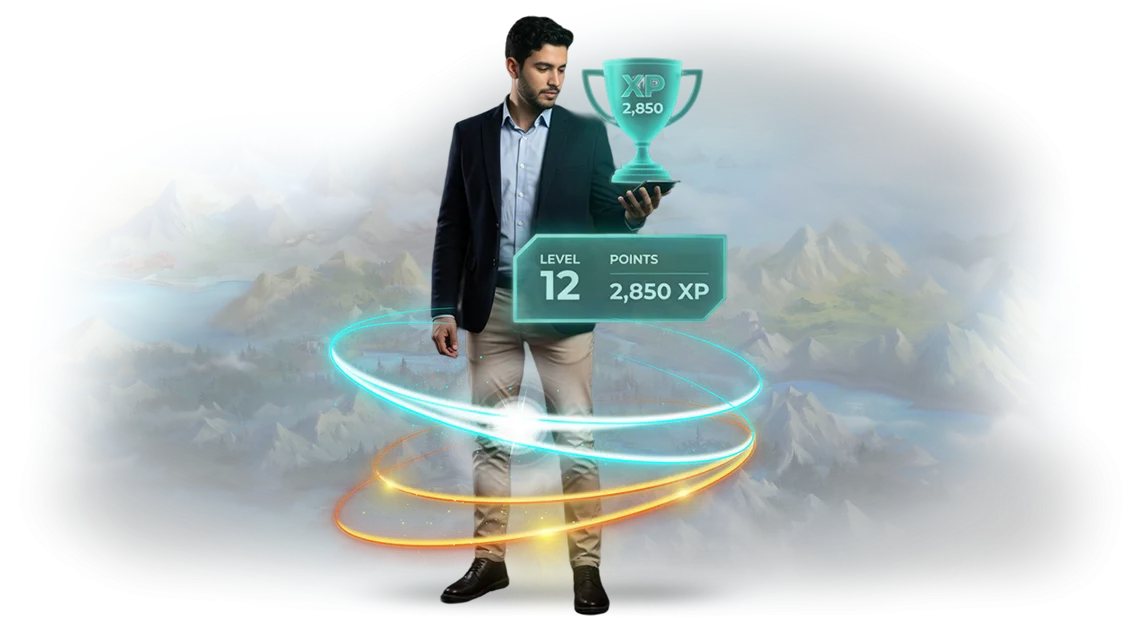
אנו פותרים בעיה זו באמצעות גיימיפיקציה של תהליכים עסקיים. במקום הרצאות משעממות, אנו יוצרים תרחישים הקרובים לעבודה אמיתית, שבהם מנהל הצוות מקבל החלטות ורואה את ההשלכות.
הכשרה כזו משתלבת באופן טבעי בעבודה: העובד אינו משנן את החומר, אלא חווה אותו. התוצאה היא כישורים עמידים, פחות תלות בתחלופת עובדים ופחות שגיאות ברצפת הייצור.
אילו יתרונות עסקיים מפיקים מסימולטורים תלת-ממדיים למנהלי צוותים
הכשרת מנהלי צוותים מסתכמת לעיתים קרובות בהרצאות והוראות – עובדים מקשיבים אך אינם מתערבים, והידע דוהה במהירות.
סימולטור תלת-ממדי עם אווטאר משנה את הגישה: אדם מוצא את עצמו בתוך מצב עבודה מדומה ולומד מניסיונו האישי, לא משקופיות.
זה מגביר את המעורבות פי כמה – עובדים עובדים דרך תרחישים בעניין כי זה מרגיש כמו משחק ולא כמו מטלה כפויה.
הכשרה כזו מאיצה ישירות את קליטת מנהלי צוותים חדשים. במקום חודשים ארוכים של חונכות וביקורי ניסיון בשטח, עולה חדש שולט בתהליכי מפתח בסביבה וירטואלית בטוחה תוך מספר ימים.
הם יכולים לעשות טעויות ללא השלכות על הייצור – וזו בדיוק הסיבה שמספר השגיאות האמיתיות בעבודה פוחת. ככל שמתרגלים יותר תרחישים בסימולטור, כך יש פחות מצבי חירום בשטח.
צמיחת הפרודוקטיביות מושגת באמצעות סטנדרטיזציה. כל מנהל צוות עובר את אותם תרחישים, כלומר כולם פועלים לפי אלגוריתמים אחידים.
במקביל, ניתן להפעיל הכשרה במקביל לכל קבוצת עובדים – אין צורך לאסוף את כולם במקום אחד ולחכות שמדריך יתפנה. העסק מקבל רמת מוכנות צפויה ללא בזבוז זמן על לוגיסטיקה.
בונוס נוסף הוא הכרת המותג. העולם התלת-ממדי של החברה, אווטארים של עובדים בציוד ממותג, מתקנים אמיתיים מדומים – כל זה יוצר תחושת שייכות וגאווה במעסיק.
עובדים זוכרים את הסגנון החזותי של המותג, והסימולטור עצמו הופך לחלק ממותג משאבי האנוש ומסייע לשמר כישרונות יקרי ערך.
בסופו של דבר, השקעות בסימולטור תלת-ממדי מחזירות את עצמן באמצעות הכשרה מהירה יותר, הפחתת פגמים והגברת מעורבות העובדים. אתה מקבל לא רק תוכנית הכשרה, אלא כלי שמשפיע מיידית על מדדים תפעוליים.
אנו מטפלים בכל הפיתוח – מתרחישים ועד ממשק – ויוצרים סימולטור המותאם לתהליכים שלך תוך מספר שבועות.
פורמטים של גיימיפיקציה להכשרת מנהלי צוותים: בחירת הפורמט המתאים למשימה שלך
הכשרת מנהלי צוותים ממעטת להשתלב בהרצאה: צריך לתרגל פעולות בשטח, להגיב למצבים לא שגרתיים ולפעול במהירות.
לכל משימה כזו יש פורמט הכשרה תלת-ממדי מתאים, ובחירת הכלי משפיעה ישירות על מהירות ההכנה ועל יעילות העלות הסופית.
אנו בוחרים את פורמט הגיימיפיקציה למשימה שלך. עיין באפשרויות שכבר הוכיחו את עצמן בהכשרת מנהלי צוותים.
אפשרויות פורמט תלת-ממדי
| פורמט | למי הוא מיועד | מה הוא נותן ללקוח |
|---|---|---|
| עולם וירטואלי של החברה | מנהלי צוותים חדשים, מתמחים | קליטה מהירה וסטנדרט פעולה אחיד ללא עצירת ייצור |
| מסע למנהלי צוותים | קבוצה שצריכה לבדוק ידע | מעורבות דרך קו עלילה, רמת המוכנות של כל אדם נראית לעין |
| סימולטור תהליכים | תרגול פעולות ומצבים נדירים | כישור עד כדי אוטומטיזם ללא סיכונים או עלויות לחומרים מתכלים |
| הכשרה במציאות מדומה | צוות תפעולי, תנאים מסוכנים | שקיעה מלאה, שימור גבוה, תרגול בטוח |
העולם הווירטואלי של החברה מספק תמונה מלאה: מנהל הצוות רואה אזורים סמוכים ומקבל החלטות בזמן אמת. המסע מראה את רמת המוכנות של הקבוצה, והסימולטור התהליכי מאפשר לתרגל תרחישים נדירים עד שהם הופכים לאוטומטיים.
אנו עוזרים לך לבחור ולשלב פורמטים לפי התקציב ולוחות הזמנים שלך. אנו מתחילים בבריף, מציגים הדגמה על התרחיש שלך, ורק אז משיקים את הפיתוח.
כיצד אנו יוצרים תוכנית גיימיפיקציה: שלבי הפרויקט
גיימיפיקציה של הכשרת מנהלי צוותים היא תהליך מחושב היטב שבו כל שלב עונה על השאלה שלך: כיצד להאיץ את הכנת העובדים ולהפחית את מספר הטעויות. אנו מבנים את העבודה כך שתשלוט בתוצאה. כל שלב מסתיים באישורך.
שלבי הפרויקט
- בריף פיתוח. אנו צוללים למשימה שלך: מטרות הכשרה, כישורי מנהל צוות, תרחישים טיפוסיים. אנו מגדירים קריטריוני הצלחה.
- עיצוב תרחיש. אנו הופכים את התקנות שלך למצבי משחק וקובעים כיצד עובד מקבל החלטות והיכן הוא טועה.
- אישור אב טיפוס. אנו מציגים את המראה החזותי של העולם הווירטואלי והאווטאר; אתה מבצע עריכות לפני תחילת הפיתוח הראשי.
- פיתוח ותוכן. אנו בונים מודולי הכשרה עם משימות ומשוב, וממלאים את התרחישים בפרטים מהעבודה שלך.
- בדיקת הכשרה. אנו מריצים את התוכנית על קבוצת ביקורת, מאתרים נקודות חולשה ובודקים האם הכישורים אכן נקלטים.
- השקה פיילוט ותמיכה. אנו משיקים על קבוצת מנהלי צוותים, אוספים משוב, משכללים ותומכים בפריסה.
רצף זה עוזר לך לשלוט בכל שלב בפיתוח – מהבריף ועד השקת הפיילוט. אתה יודע מראש מה תקבל ורואה את התוצאה בכל שלב.
מה כלול במסירה: ערכה מלאה להשקת הכשרה
עם סיום הפרויקט, אתה מקבל לא רק תוכנית, אלא ערכה מלאה להשקת הכשרת מנהלי צוותים. כל מה שרשום למטה מוכן לשימוש – כל שנותר הוא למנות אחראים ולהזמין עובדים.
- תוכנית הכשרה מוכנה – התרחיש, מכניקת המשחק והמשימות המובנות בקורס מנהלי הצוותים. חומרי הלימוד מעוצבים כך שכל מדריך יכול להעביר מפגש ללא הכנה מיוחדת.
- לוח ניהול – ממשק אינטואיטיבי לניהול הכשרה: הקצאת קורסים, מעקב אחר התקדמות והפקת דוחות. הוספת עובדים והתחלת מפגש אורכת דקות ספורות.
- חומרים מתודולוגיים – מדריכי מדריך, חומרי עזר למשתתפים ותסריט מפגש הפתיחה. אין צורך לבנות תוכנית מאפס – הכל כבר מחושב, מובנה ומוכן לשימוש.
- הכשרת מנהלים – סדנה מעשית למומחים שלך, שלאחריה הם יכולים לעבוד באופן עצמאי עם הלוח, להוסיף עובדים ולפתור משימות טיפוסיות.
- תמיכה טכנית – ערוץ תקשורת ייעודי לתקופת ההשקה. אנו עונים על שאלות, עוזרים בהתחלה הראשונית ועובדים על כל בעיה כדי שההכשרה לא תיפסק.
זוהי ערכת המסירה המלאה: אתה מקבל את המערכת, התיעוד והכשרת הצוות. כל שנותר הוא להכריז על ההתחלה – המשך העבודה מתנהל ללא תלות במפתח.
מקרה בוחן: כיצד שיפרנו את יעילות ההכשרה בייצור
הכשרת מנהלי צוותים בייצור מבוססת בדרך כלל על הרצאות וחונכות בעבודה בסדנה. זה לוקח זמן רב: התיאוריה מתפצלת מהפרקטיקה, וטעויות של עולה חדש מובילות להשבתה ופגמים.
הצענו גישה שונה – להעביר את ההכשרה לעולם תלת-ממדי וירטואלי של המפעל, שבו ניתן לחזור על כל תרחיש בבטחה.
עבור מפעל פרומסטל, פיתחנו סימולטור אינטראקטיבי המבוסס על Unity – העתק מדויק של קו הייצור. מנהלי צוותים לומדים להפעיל ציוד, להגיב למצבי חירום ולתאם משמרת תוך צפייה בתהליך כאילו הוא מתרחש בסדנה אמיתית. התוכנית עצמה מתעדת טעויות ומציעה את רצף הפעולות הנכון.
מדדי ביצוע
חודש בלבד לאחר השקת הסימולטור, הלקוח ראה תוצאות מדידות: הזמן להכשרת מנהל צוות חדש ירד מארבעה שבועות לשניים, מספר השגיאות במהלך הפעלת הקו ירד ב-40%, ופרודוקטיביות המשמרת עלתה ב-15%. חשוב לציין, נתונים אלה מאושרים על ידי הדוחות הפנימיים של המפעל.
"מנהלי צוותים שולטים כעת בתהליכים מהר יותר ופועלים בביטחון רב יותר במצבים לא שגרתיים. ההכשרה הפכה לצפויה ואינה תלויה עוד בעומס של החונכים", ציין מנהל הייצור של המפעל. אנו משיגים משוב מסוג זה ברוב היישומים שלנו.
לאחר השלב המוצלח הראשון, הלקוח הרחיב את הסימולטור לסדנה שכנה, ובהמשך הזמין מודול לעבודה עם ציוד חדש.
אנו ממשיכים לתמוך בפרויקט: אנו מעדכנים תרחישים בהתאם לשינויים בתקנות ומוסיפים רמות קושי ככל שכישורי העובדים גדלים.
שאלות נפוצות על יישום גיימיפיקציה
לפני תחילת פרויקט, ללקוחות יש שאלות על גיימיפיקציה: כמה זמן עד לתוצאות, ממה מורכב התקציב, כיצד ההכשרה משתלבת עם המערכת הקיימת. זה נורמלי – גיימיפיקציה משנה את התהליך המוכר, ולכן אנו מתייחסים לחששות המרכזיים מראש.
להלן תשובות לשאלות הנפוצות ביותר. לא מצאת את השאלה שלך? כתוב לנו – נבחן את המקרה שלך באופן אישי.
מהם לוחות הזמנים לפיתוח?
פרויקט טיפוסי אורך 4–6 שבועות: מהבריף ועד הפריסה במערכת ההכשרה שלך. אם אתה צריך לעמוד בתאריך מסוים, אנו מבצעים השקה בשלבים – המודול הראשון עובד תוך 2–3 שבועות, והשאר מתווספים בהדרגה.
ממה מורכב עלות היישום?
העלות תלויה במספר התרחישים, במספר האווטארים התלת-ממדיים ובמורכבות האינטגרציה עם מערכת ה-LMS שלך. אנו מתחילים בביקורת של החומרים והמטרות שלך, ולאחר מכן מספקים הערכה מדויקת – ללא עמלות נסתרות או סעיפים לא ברורים. הכל שקוף.
כיצד פועלת אינטגרציית LMS?
אנו מתחברים באמצעות פורמטים סטנדרטיים של החלפת נתונים, כך שלא תצטרך להחליף פלטפורמות. תוצאות מנהלי הצוותים – ציונים, טעויות, התקדמות – נשלחות אוטומטית למערכת שלך. אם אין לך LMS, נציע פתרון ענן פשוט לאחסון תוצאות.
כיצד מעדכנים תוכן לאחר ההשקה?
הכשרת מנהלי צוותים משתנה: תקנות חדשות, מצבים, הוראות. אנו כוללים עורך נוח כדי שתוכל לערוך טקסטים ושאלות בעצמך ללא מפתחים. לעדכונים גדולים – כמו סצנות תלת-ממדיות חדשות – אנו מקצים מנהל תמיכה שלוקח את המשימה לעבודה.
מוכן לדון בפרויקט שלך? השאר בקשה
הכשרת מנהלי צוותים אינה הרצאות או מבחני סימון. מדובר בכישורים שעובד יישם במשמרת הבאה: בקרת איכות, בטיחות תעסוקתית, ניהול אתר.
גיימיפיקציה הופכת הכשרה לתרחישים מעשיים: מנהל הצוות מקבל החלטות בסביבה בטוחה, עושה טעויות ללא השלכות ומחזק את אלגוריתם הפעולה הנכון. גישה זו מאיצה את ההכנה ומפחיתה את מספר הטעויות בייצור.
ספר לנו על המשימה שלך – ואנו נציע פתרון. השאר בקשה באתר: אנו נבצע ייעוץ, נציג גרסת הדגמה ונחשב את העלות להיקף שלך.
מה תקבל לאחר פנייתך אלינו:
- פתרון גיימיפיקציה המותאם לתהליכים העסקיים שלך – נכין תוכנית למשימות האתר שלך;
- ייעוץ מומחה – נקבע אילו תרחישי הכשרה מנהלי הצוותים שלך באמת צריכים;
- הערכת עלות – נתונים מדויקים לאחר בריף קצר, ללא עמלות נסתרות;
- גרסת הדגמה – נציג דוגמת הכשרה המבוססת על מצב אמיתי מהתעשייה שלך;
- תוכנית יישום ברורה – עם שלבים, לוחות זמנים ואחראים;
- תמיכה בכל שלב – מההשקה הראשונה ועד התאמה לשינויים בתקנות.
כבר עזרנו לחברות להקים הכשרת עובדים באמצעות פורמטים של משחק: לאחר ההשקה, קורסים כאלה מושלמים לעיתים קרובות יותר, ועובדים חוזרים אליהם כדי לחזור על החומר ללא תזכורות.
גיימיפיקציה מחזירה את עצמה באמצעות הפחתת פגמים, פחות הפרות והאצת קליטת מנהלי צוותים חדשים.
מלא את הטופס באתר – ניצור איתך קשר תוך יום עסקים אחד, נבהיר את הפרטים ונציע אפשרויות. תקבל פתרון קונקרטי, לא מילים כלליות.
לקבוצת פיילוט, נוכל להכין הדגמה במסגרת זמן קצרה כדי שתוכל לבדוק את היעילות לפני הפריסה המלאה.
כיצד לבחור את פורמט הגיימיפיקציה הנכון?
בבחירת פורמט גיימיפיקציה להכשרת מנהלי צוותים, אל תסתמך על מכניקות אופנתיות אלא על משימה עסקית ספציפית.
אם אתה צריך לתרגל פעולות באתר ייצור או במשא ומתן עם קבלנים, סימולטור עם אווטארים תלת-ממדיים יעבוד, שבו העובד מקבל החלטות בסביבה הקרובה למציאות.
אם המטרה היא לשנן תקנות וסטנדרטים, חידון או תרחיש אינטראקטיבי מספיקים. הקריטריון המרכזי: הפורמט חייב לאפשר טעויות ללא השלכות ולראות את התוצאה של מעשיו.
עבור מנהלי צוותים, ערך מעשי חשוב יותר מבידור. בחר גיימיפיקציה המספקת חזרתיות: עובד יכול לעבור תרחיש מספר פעמים עד שהכישור הופך לאוטומטי.
שים לב לממשק – הוא צריך להיות אינטואיטיבי כך שאדם עם כל רמת אוריינות דיגיטלית יוכל להתחיל לעבוד ללא הכנה ממושכת.
אם החומר כולל פעולות מסוכנות או מצבים נדירים, סימולטור תלת-ממדי הופך לאזור בטוח להכשרה לפני שהעובד יוצא לאתר אמיתי.
לפני הזמנת פיתוח, הגדר כיצד תמדוד את התוצאה: הפחתת זמן ביצוע פעולה, הפחתת מספר השגיאות בדוחות, העלאת שיעורי מעבר בביקורת.
זה יעזור לך לבחור את עומק הפירוט הנכון – ממודול אינטראקטיבי קצר ועד עולם וירטואלי מלא של החברה עם אווטארים של מנהלי צוותים וכפופים.
אל תרדוף אחרי היקף בהתחלה: יעיל יותר להכשיר קבוצת פיילוט על תרחיש אחד, למדוד את המדדים, ורק אז לפרוס את הפתרון לכל האזורים.
קריטריון חשוב נוסף הוא תמיכה ושכלול לאחר ההשקה. הכשרת מנהלי צוותים אינה סטטית: תקנות משתנות, מצבים חדשים מתווספים, ומשימות עונתיות מופיעות. בחר ספק שיכול לעדכן תרחישים ולהוסיף רמות במהירות ללא שכתוב המערכת כולה.
שאל מראש כיצד תיראה התמיכה במהלך החודש הראשון לפעילות וכמה מהר ניתן לבצע שינויים לאחר משוב מהעובדים שלך.
אם אינך בטוח איזה פורמט יניב את האפקט הגדול ביותר למשימות הספציפיות שלך, זה נורמלי.
אנו עוזרים לך לבחור פתרון לאחר ניתוח קצר של התהליכים והקהל שלך: שלח תיאור של המצב, ויחד נקבע אם אתה צריך סימולטור תלת-ממדי מלא, תרחיש אינטראקטיבי או שילוב של פורמטים. קבע ייעוץ – נדון במשימה, בתקציב ובלוחות הזמנים שלך.