

מדוע מערך ההכשרה הנוכחי בתחום ה-IT מאבד עובדים
מומחה IT מודרני הוא עובד שמאבד עניין במשימות שגרתיות במהירות. כשההכשרה מצטמצמת להרצאות ומבחנים, היא נתפסת כפורמליות ולא כהשקעה בקריירה.
רמת המעורבות צונחת, מומחים מתחילים לחפש חברות דינמיות יותר, ואתם עלולים לא לשים לב כיצד המפתחים הטובים ביותר שלכם עוזבים למתחרים. לפי הערכות שונות, עם מעורבות נמוכה, חברה מאבדת עד שליש מהמומחים המרכזיים שלה בשנה.
כל העסק מרגיש את ההשלכות של תחלופה כזו. פרויקטים מואטים כי אנשים חדשים צריכים זמן להסתגל, ואלה שעוזבים לוקחים איתם את הידע שלהם ואת קשרי העבודה שהקימו בתוך הצוות. כל עזיבה מחזירה את הפרויקט לאחור בשבועות.
משאבים מושקעים בגיוס מתמיד ובקליטת עובדים חדשים במקום בפיתוח המוצר. הוסיפו לכך את הירידה במוטיבציה של אלה שנשארים—ותקבלו מעגל קסמים שקשה לשבור בלי לשנות את הגישה להכשרה.
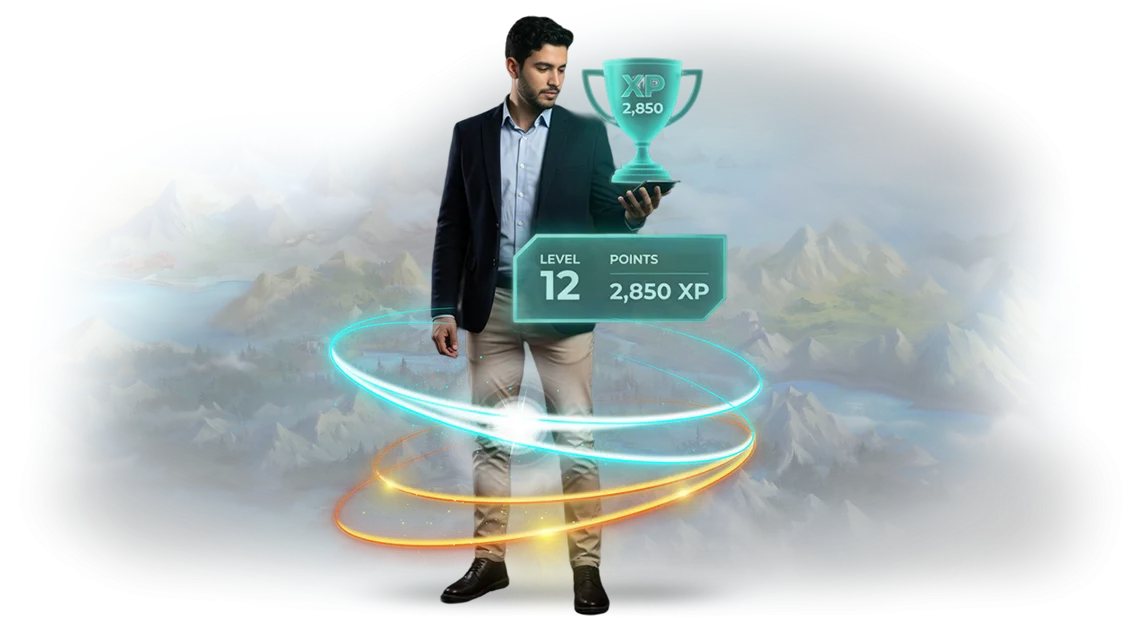
גימיפיקציה של תהליכים עסקיים היא דרך לשבור את המעגל הזה. היא הופכת הכשרת מומחים לחוויה מרתקת: תרחישים אמיתיים במקום הרצאות מופשטות, משימות מבוססות משחק עם התקדמות ברורה במקום מבחנים משעממים.
הכשרת IT כזו שומרת על תשומת הלב, מעוררת התרגשות בריאה ומניבה תוצאות מוחשיות—עובדים נשארים בחברה, ופרויקטים מתקדמים מהר יותר.
אנחנו מעצבים סביבות שבהן הכשרה הופכת לחלק מהתרבות הארגונית ומספקת ערך מדיד לעסק. נעזור לכם לבנות מחדש את מערך ההכשרה שלכם כך שיפעל לשימור כישרונות.
אילו יתרונות מביאים עולמות תלת-ממד ואווטארים לעסק
תוכניות הכשרה קלאסיות מושלמות לעיתים קרובות "למראית עין": עובדים צופים בשקופיות אבל שוכחים את החומר תוך שבוע.
עולם תלת-ממדי ארגוני עם אווטארים תאגידיים משנה את זה—ההכשרה הופכת למסע מרתק שבו כל עובד צובר ניסיון והעסק מקבל תוצאות מדידות. אנחנו יוצרים עולמות כאלה על מנוע Unity המקצועי, כך שהם רצים ביציבות על כל מכשיר ונראים מודרניים.
יתרון 1: הגברת עניין ומעורבות
כשעובד שולט באווטאר שלו במשרד וירטואלי, הוא שקוע לגמרי בתהליך. במקום צפייה פסיבית בהרצאות—תרחישים אקטיביים, סימולציות של מצבי עבודה ומשימות אינטראקטיביות.
המוטיבציה של הצוות עולה: אנשים מוצאים עניין בהשלמת הכשרה במקום לדחות אותה. זה חשוב במיוחד לנושאים טכניים מורכבים: עובד מעורב קולט חומר פי כמה מהר יותר.
יתרון 2: קליטה מהירה יותר של עובדים חדשים
מומחי IT חדשים מבינים במהירות את מבנה החברה, מכירים קולגות ומתרגלים תהליכי עבודה בסביבה בטוחה. אווטארים תאגידיים מאפשרים לדמות מצבים אמיתיים ללא סיכון עסקי. תקופת הקליטה מתקצרת מחודשים לשבועות, ותוצאות העבודה הראשונות מופיעות מוקדם יותר.
יתרון 3: מותג מעסיק חזק
גישה מודרנית להכשרה היא איתות לשוק: החברה משקיעה באנשים ונשארת מעודכנת. עולם תלת-ממדי ייחודי הופך לחלק ממותג המעסיק, ועובדים ומועמדים מדברים עליו. זה מושך מומחים מוכשרים ומפחית עלויות גיוס.
יתרון 4: תוצאות עסקיות מדידות
כל פעולה שעובד מבצע בסביבה הווירטואלית מתועדת—אנחנו רואים מי השלים את הקורס, איך הם התמודדו עם משימות והיכן נוצרו קשיים. האנליטיקה מציגה את התקדמות הצוות במספרים ולא במילים כלליות.
לבעל עסק זו החזר השקעה ברור: אפשר לראות איך ההכשרה משפיעה על מהירות העבודה ואיכות ההחלטות. הנתונים שנאספים מאפשרים לשפר תוכניות ולהפוך אותן ליעילות עוד יותר.
פורמטי גימיפיקציה למטרה שלכם: עולם תלת-ממדי, אווטארים, משימות
בחירת פורמט גימיפיקציה אינה שאלה של "מה יותר טרנדי" אלא של "מה יפתור את הבעיה". להכשרת IT חשוב לא רק להעביר ידע אלא גם לערב אנשים בתהליך, לספק סביבה בטוחה לטעויות ולהציג תרחישים אמיתיים.
הפורמט צריך להתאים למטרות שלכם: מישהו רוצה להאיץ קליטה, מישהו רוצה לאחד צוות מבוזר, מישהו רוצה לבחון כישורים בתנאי לחץ.
להלן שלושה פורמטים עובדים שבהם אנחנו משתמשים לרוב בהכשרה ארגונית. הם נותנים מענה לצרכים שונים וניתן לשלב אותם בקלות.
| פורמט | למי מתאים | מה הוא נותן ללקוח |
|---|---|---|
| משימת תלת-ממד לעובדים | צוותי IT, מחלקות תמיכה, יחידות פיתוח | שקיעה בתרחישי עבודה אמיתיים ללא סיכון לייצור. עובדים מתרגלים קבלת החלטות, ואתם רואים את התוצאות—מהירות תגובה, טעויות, חוזקות. |
| משרד וירטואלי | צוותים מבוזרים, חברות עם סניפים | תחושת נוכחות ואחדות למומחים מרוחקים. מקום לפגישות, הכשרות ותקשורת בלתי פורמלית—וכתוצאה מכך תחלופה נמוכה יותר ומעורבות גבוהה יותר. |
| אווטארים עסקיים | הכשרת חונכים, מכירות, שירות לקוחות | התאמה אישית של ההכשרה ותרגול דיאלוגים מורכבים. מומחה IT מתאמן עם אווטאר של לקוח או קולגה, ואתם חוסכים בהבאת שחקני תפקיד אמיתיים. |
| סימולציות משחקיות | הסמכות, קורסי העשרה | הערכה שקופה של כישורים בצורת משחק. העובד תופס את הבדיקה כאתגר ולא כלחץ—כך הוא מציג את רמת הידע האמיתית שלו. |
כל שורה בטבלה אינה "תכונה" מופשטת אלא תרחיש מוכן שאנחנו מתאימים לתהליכים העסקיים שלכם. אתם בוחרים פורמט—אנחנו מציעים מכניקות ספציפיות, משלבים אותן למערכת אחת במידת הצורך ומלווים אתכם עד ההשקה.
ואם אתם לא בטוחים איזו אפשרות מתאימה ביותר לצוות שלכם, אנחנו מתחילים באבחון קצר של המשימות שלכם ובוחרים פתרון תוך מספר ימים.
איך פועל פרויקט גימיפיקציה להכשרת IT: 7 שלבים
תוכנית שקופה ליישום גימיפיקציה להכשרת IT—מהבריף הראשון ועד ההשקה והתמיכה. בכל שלב אתם רואים תוצאות ביניים ומאשרים החלטות מפתח, כך שהפרויקט נשאר במסלול ועומד בלוחות הזמנים הצפויים.
- בריף ושקיעה במשימה. אנחנו אוספים מטרות הכשרה, פרופיל קהל וחומרים קיימים. מסכמים קריטריוני הצלחה—למשל, שיעורי השלמת קורס גבוהים יותר או קליטה מהירה יותר של עובדים חדשים.
- עיצוב תרחיש. אנחנו הופכים מטרות למידה לעלילה ולמכניקות משחק. אתם מקבלים תרחיש המתאר שלבים ונקודות ביקורת—כאן מאשרים את הקונספט הכללי.
- תוכנית יישום. אנחנו קובעים הרכב צוות, לוחות זמנים ואחראים. אתם יודעים מראש מה יהיה מוכן ומתי, ויכולים לתכנן את ההשקה לצד פעילויות אחרות.
- פיתוח הכשרת תלת-ממד. אנחנו יוצרים את העולם הווירטואלי של החברה, אווטארים וסימולטורים אינטראקטיביים. מציגים גרסאות ביניים כדי שתראו את התוצאה לפני המסירה הסופית.
- בדיקות ועידון. אנחנו בודקים תרחישים עם משתמשים אמיתיים ואוספים משוב. מבצעים תיקונים לפני שההכשרה מגיעה לכל העובדים.
- השקה ואינטגרציה. אנחנו מחברים את הגימיפיקציה למערך ההכשרה שלכם, מגדירים גישה ומבצעים הדרכה למנהלי מערכת. תומכים בימי הפעילות הראשונים כדי שהכל יעבוד חלק מההתחלה.
- תמיכה וצמיחה. אנחנו מנתחים מדדים ומעדכנים תוכן כשהמוצר או התהליכים שלכם משתנים. ממשיכים לשפר את ההכשרה כך שתישאר שימושית ורלוונטית למומחי IT.
מה כלול בתוצר: ערכת השקה לגימיפיקציית תלת-ממד
התוצר אינו אוסף קבצים אלא מערכת עובדת שהצוות שלכם מתחיל להשתמש בה ביום ההשקה. אנחנו מספקים את כל הדרוש להכשרת IT שתרוץ ללא הפרעות ותניב תוצאות מדידות.
- עולם תלת-ממדי ארגוני — מרחב וירטואלי המשחזר את תהליכי הארגון שלכם. עובד שוקע בסביבה מוכרת ומיישם כישורים בפועל מהר יותר.
- ניהול אווטארים — כל מומחה מקבל דמות אישית שאליה מקושרת התקדמות ההכשרה. זה מפשט את הבקרה והופך את התהליך לגלוי למנהל.
- תרחישי גימיפיקציה — עלילות ומשימות מוכנות המותאמות למטרות העסקיות שלכם. כוללות רמות קושי, רמזים ומערכת תגמול לשמירת תשומת הלב.
- ניהול והגדרת תפקידים — פאנל לניהול גישה ועדכון תוכן. מנהלים מגדירים תרחישים לשינויים בעצמם ללא מעורבות מפתחים.
- אנליטיקת מעורבות — דוחות לכל עובד: זמן השלמה, שיעור הצלחה, נקודות ירידה בעניין. זה מאפשר התאמות בזמן ויעילות גבוהה יותר.
- הוראות והדרכת צוות — מדריכים ברורים ומפגשים מעשיים למנהלי המערכת שלכם. תוך מספר ימים הם מתחזקים את המערכת באופן עצמאי ומכינים תרחישים חדשים.
מקרה בוחן: איך סימולטור תלת-ממדי הגביר את המעורבות של צוות IT
מומחי IT לא אוהבים הרצאות קלאסיות: החומר מורכב, ותשומת הלב נודדת אחרי עשר דקות בלבד. ההכשרה הופכת לפורמליות, עובדים חדשים לוקח להם זמן רב להגיע לתפוקה מלאה, ומנוסים מבזבזים זמן על חזרה על תיאוריה.
פיתחנו סימולטור תלת-ממדי לאינטגרטור מערכות גדול—משרד וירטואלי שבו צוות ה-IT עובד על תרחישים מהפרקטיקה האמיתית. הגדרת תשתית, פתרון תקלות, תקשורת עם לקוחות—הכל בפורמט אינטראקטיבי.
פלטפורמת Unity מבטיחה גרפיקה חלקה והפעלה יציבה על כל חומרה, כך שההכשרה יכולה להתבצע ישירות מתחנת העבודה.
תוצאות היישום
מעורבות הצוות עלתה ב-47%—עובדים חוזרים לסימולטור מיוזמתם כדי לשפר תוצאות ולעלות בדירוג. מספר האנשים שהשלימו את התרחיש בהצלחה הוכפל: הידע מתגבש באמצעות תרגול, לא שינון.
הפרויקט החל להחזיר את ההשקעה כבר בחודשים הראשונים: עובדים חדשים מגיעים למשימותיהם מהר יותר, מספר השגיאות יורד, וחונכים מבזבזים פחות זמן על הסברים.
הלקוח העריך את ההשפעה עד כדי כך שהרחיב את הסימולטור למחלקות סמוכות—האינדיקטור הטוב ביותר לערך הפתרון.
מה אם הצוות לא מקבל את פורמט ההכשרה החדש?
החשש שהצוות לא יקבל את הפורמט החדש הוא הדאגה הנפוצה ביותר שאנחנו שומעים מלקוחות. וזה חשש מוצדק: אם עובדים יסכלו את ההכשרה, ההשקעה לא תחזיר את עצמה. לכן אנחנו לא משיקים הכשרת תלת-ממד לכל החברה בבת אחת.
ראשית, אנחנו מבצעים השקת פיילוט עם קבוצה קטנה—עשרה עד חמישה עשר אנשים ממחלקות שונות—כדי לראות את התגובה מחוץ לקהל הרחב.
הפיילוט הוא בדיקה מלאה של הפורמט החדש, לא גרסה מצומצמת. אנחנו אוספים משוב: מה נראה משעמם, אילו משימות גרמו לקשיים, באיזה נקודה העניין דועך. על סמך הנתונים האלה, אנחנו מתאימים את התרחיש, רמת הקושי והקצב לתגובות האמיתיות של העובדים.
זה נוגע לא רק ללוגיקת המשימות אלא גם להצגה, לפרטים חזותיים, לקצב—לכל מה שמשפיע על מעורבות.
נקודת מפתח: העובדים עצמם משתתפים בעידון הפורמט. כשהם רואים שההערות שלהם משפיעות על ההכשרה הסופית, ההתנגדות נעלמת.
עד להשקה המלאה, יש לנו פורמט שכבר הוכיח את עצמו בפיילוט—והצוות רואה בעולם התלת-ממדי משהו שהוא שלהם, לא משהו שנכפה מלמעלה.
ההתאמה מסירה את הסיכון המרכזי: אתם לא מוציאים תקציב על פורמט שהצוות ידחה. אם הפיילוט מראה שחלק מהעובדים מאבדים מוטיבציה, אנחנו מתאימים את האיזון בין תיאוריה לפרקטיקה, מוסיפים אלמנטים תחרותיים או מפשטים את המכניקה.
זה קורה לפני ששאר החברה רואה את ההכשרה, כך שההשקה המלאה מתרחשת ללא חבלה ועם מעורבות גבוהה.
כתוצאה מכך, אתם מקבלים לא "מטלה חובה נוספת" אלא כלי שעובדים משתמשים בו בעניין אמיתי. הפיילוט אורך כמה שבועות, ובכל שלב אנחנו מראים לכם איך הצוות מגיב. אתם רואים מדדי מעורבות ומשוב, לא רק דוח התקדמות.
אז השאלה "מה אם הם לא יקבלו את זה" נפתרת לפני ההשקה המלאה—ואתם מקבלים החלטה על סמך עובדות, לא פחדים.
שאלות נפוצות על יישום תרחישים אינטראקטיביים לעסק
יישום תרחישים אינטראקטיביים הוא צעד חשוב, ולקוחות שואלים לעיתים קרובות שאלות דומות לפני שמתחילים. אנחנו עונים על העיקריות: לוחות זמנים, אינטגרציה, אחריות ותמיכה. הצוות שלנו עובד עם הכשרת IT, אז אנחנו מדברים במונחים קונקרטיים.
כמה זמן אורך פיתוח גימיפיקציה?
פרויקט טיפוסי אורך בין שבועיים לשישה שבועות, תלוי בהיקף התרחיש ובמספר העובדים. אנחנו קובעים את לוחות הזמנים בחוזה ומציגים את השלבים כבר בבריף.
למשל, עבור צוות IT אחד השקנו פיילוט הכשרה בן שלושה שבועות—ותוך חודש קיבלנו הזמנה חוזרת להרחבת התוכנית.
איך המשחק משתלב עם מערכת הלמידה או הפורטל שלנו?
אנחנו מטמיעים את המודול בסביבה שלכם ללא שינוי תהליכים: עובדים לא עוברים בין מערכות, הכל קורה בממשק המוכר. בפיילוט, אנחנו בודקים תאימות לפלטפורמה שלכם ומתאימים את התרחיש למאפייניה. האינטגרציה חלקה—אתם מקבלים תהליך עובד, לא "משחק נפרד מהעבודה".
מה מבטיח את התוצאה?
עבורנו, אחריות היא מדדים מדידים. בהתחלה, אנחנו קובעים יעדים: אחוז עובדים שמשלימים את ההכשרה, מהירות השלמה, צמיחת מעורבות. אם המספרים לא מושגים, אנחנו משפרים את התרחיש על חשבוננו—זה קבוע בחוזה.
מה לגבי תמיכה לאחר ההשקה?
אנחנו לא נעלמים אחרי ההשקה: מעדכנים תוכן, מנטרים תרחישים ומבצעים התאמות. אתם מקבלים מערכת עובדת שחיה עם העסק. אם תרצו, נגדיר לוח זמנים לתמיכה—מדוחות חודשיים ועד הרחבת תרחישים לכיוונים חדשים.
השאירו פנייה—נחשב עבורכם תוכנית גימיפיקציה למשימה שלכם
הכשרת IT היא הוצאה שוטפת של זמן ותקציב. אם עובדים מאבדים עניין בחומר, הידע לא מתגבש והכישורים אף פעם לא מגיעים לפרקטיקה—ההכשרה הופכת לפורמליות.
גימיפיקציה פותרת בדיוק את הבעיה הזו: היא הופכת נושאים מורכבים לתרחישים מרתקים עם מטרות ברורות, רמות ומשוב.
אנחנו מפתחים מכניקות הכשרה המותאמות למטרות העסקיות שלכם: ממערכות נקודות פשוטות ועד עולמות תלת-ממדיים ארגוניים מלאים שבהם עובדים שולטים במוצרים ובתהליכים בסביבה אינטראקטיבית.
אתם מקבלים לא רק "קורסים" אלא כלי שמגביר מעורבות, מאיץ את זמן ההגעה לתפוקה של עובדים חדשים ומפחית תחלופה.
השאירו פנייה—תוך 2 ימי עסקים נכין תוכנית גימיפיקציה למשימה שלכם. המומחה שלנו ייעץ לכם, יחשב את היקף העבודה ויציע אפשרויות יישום לפי סדר עדיפויות של השפעה. זה ללא התחייבות.
מה תקבלו מיד לאחר הפנייה:
- הערכת עלות ראשונית ולוחות זמנים לפרויקט הכשרת ה-IT;
- המלצות על פורמט הגימיפיקציה למאפיינים שלכם—ממערכת הישגים ועד עולם וירטואלי;
- דוגמאות למכניקות מהפרויקטים שלנו שהניבו תוצאות מדידות;
- תוכנית צעדים ראשונים: אילו שלבי הכשרה לגיים קודם;
- רשימה ברורה של חומרים הנדרשים מכם כדי להתחיל;
- הערכה של ההשפעה הפוטנציאלית על מעורבות ומהירות קליטת ידע.
אנחנו עובדים מרחוק בכל העולם ובעלי ניסיון של יותר מ-10 שנים. הלקוחות שלנו חוזרים עם הזמנות חוזרות כי הם רואים שינויים אמיתיים במוטיבציה של העובדים. חישוב הפרויקט אורך רק 2 ימי עסקים—מספיק כדי לקבל החלטה מושכלת.
השאירו פנייה עכשיו—ונשלח לכם תוכנית גימיפיקציה שתוכלו לדון בה עם הצוות שלכם כבר מחר.